
Textarea
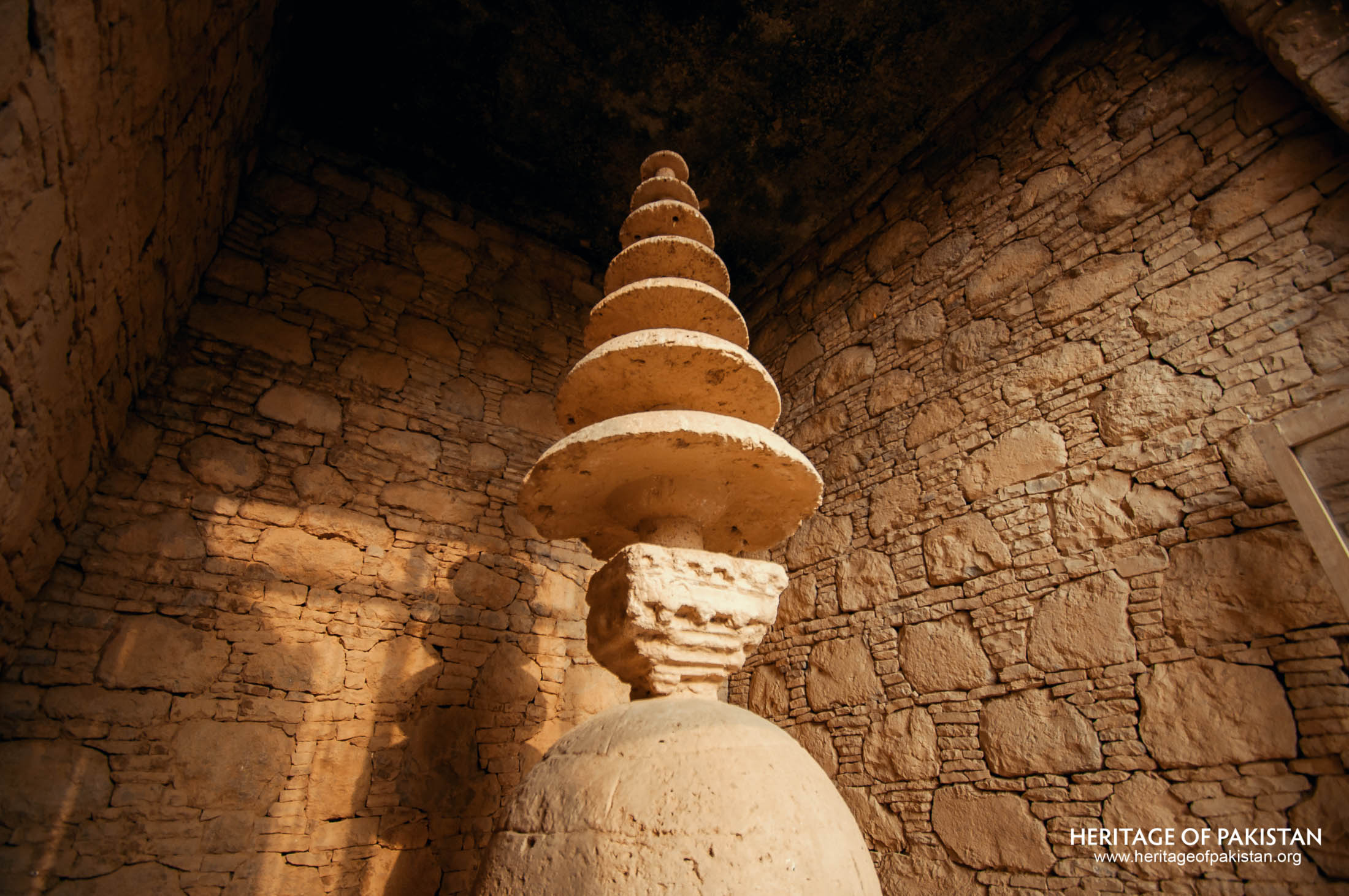
Mohra Moradu is an ancient Buddhist monastic complex situated near a village of the same name, approximately five kilometers from the ruins of Sirkap in the Taxila valley
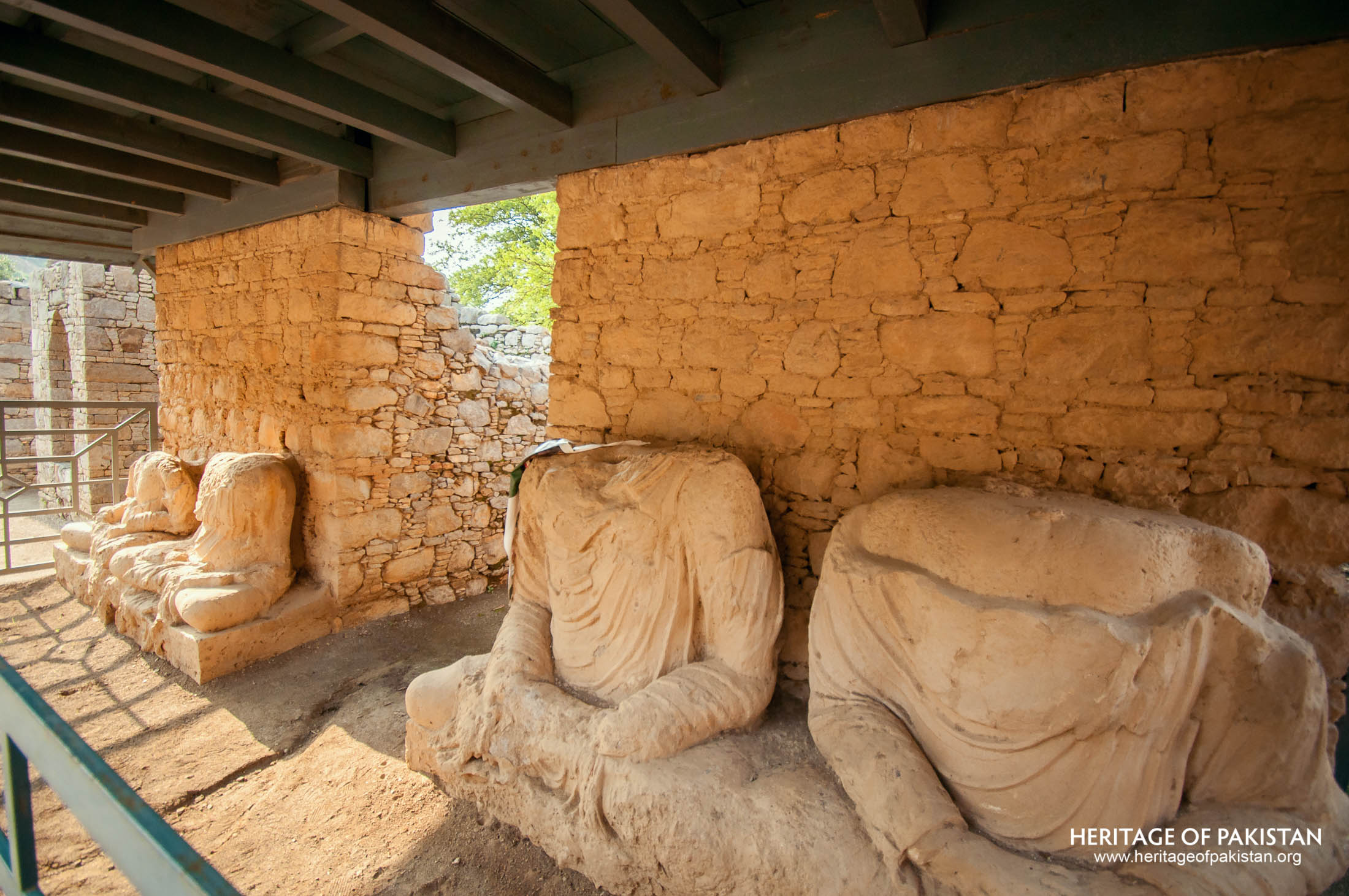
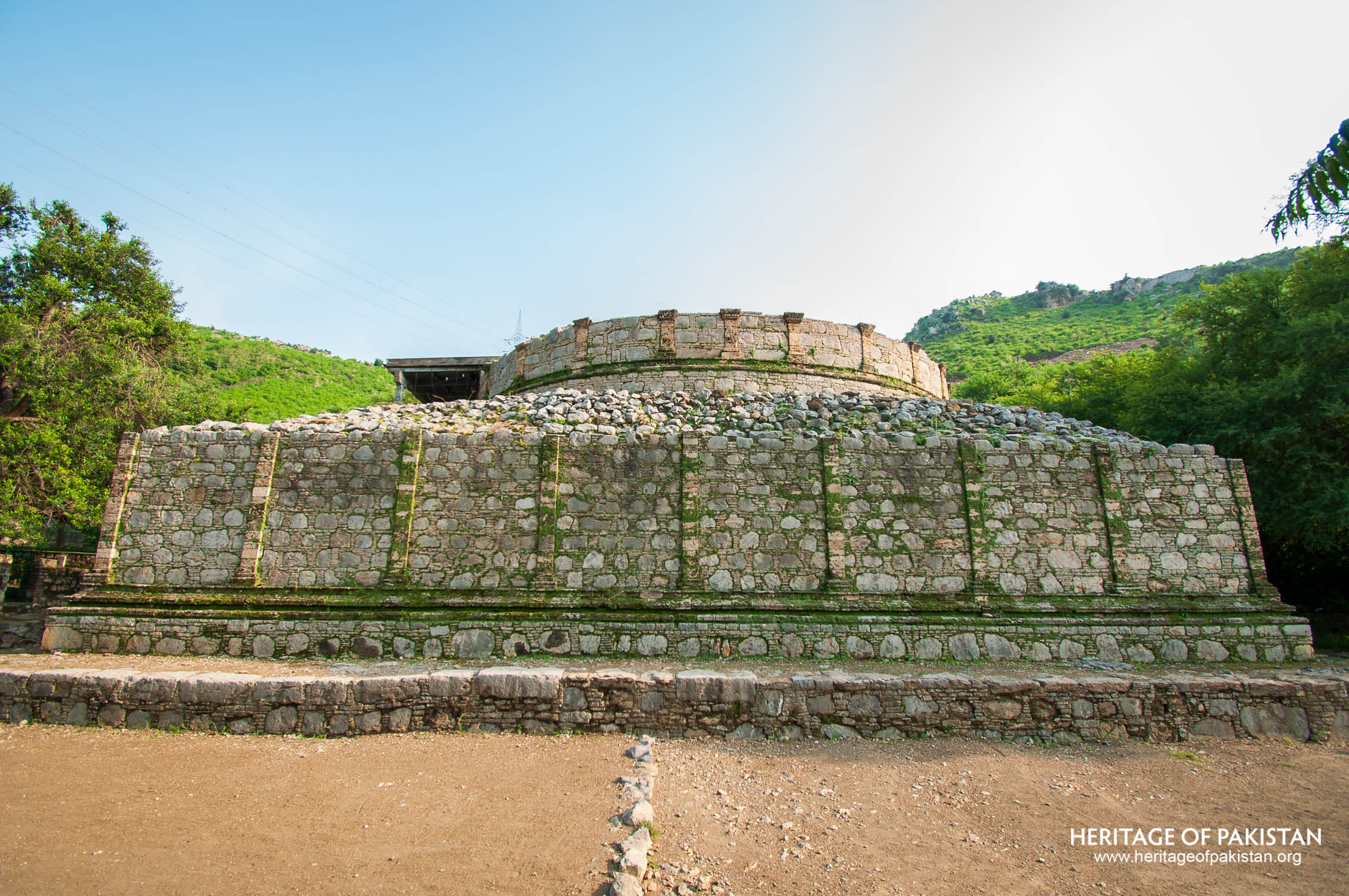
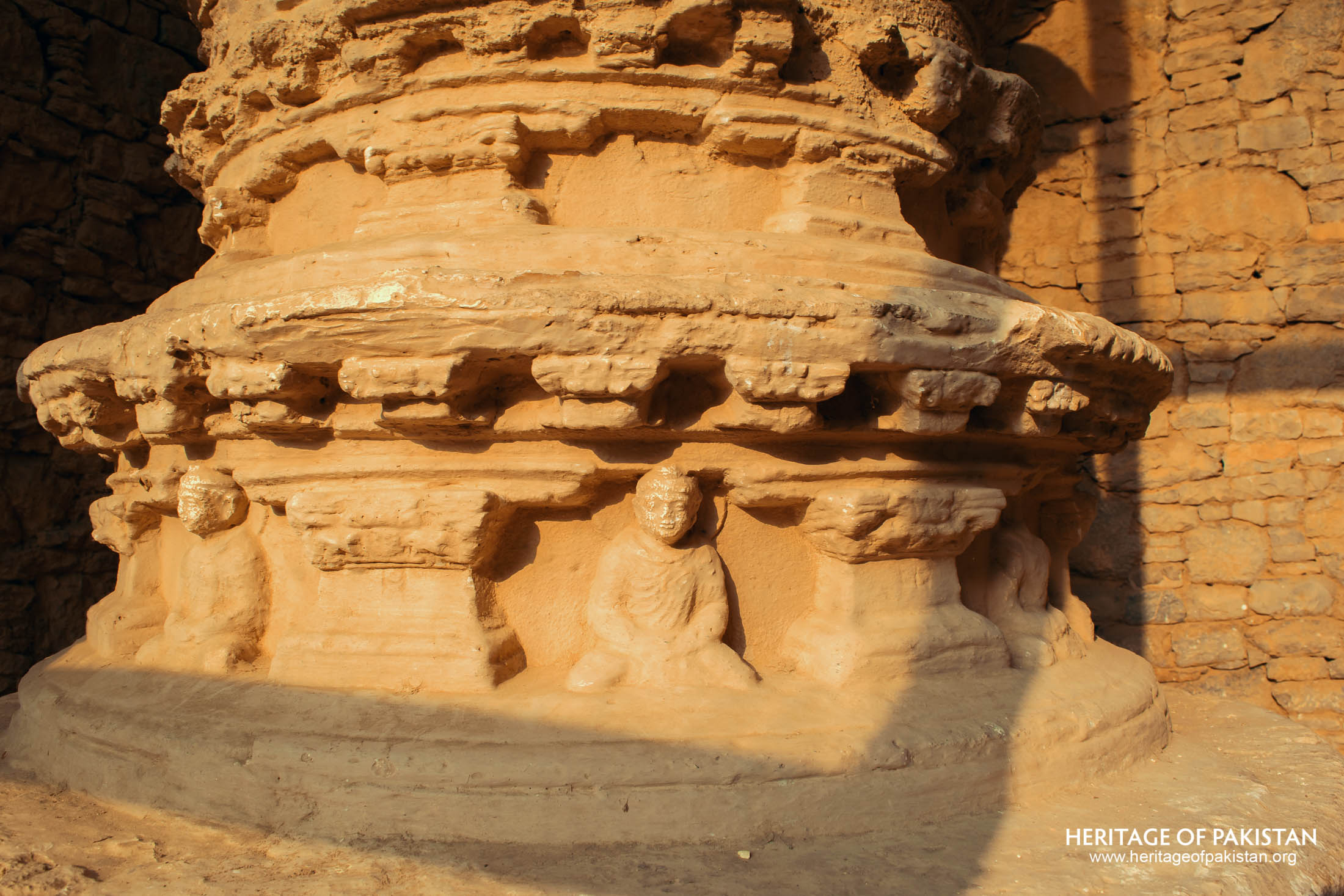
The site comprises a large stupa, a smaller votive stupa, and a monastery constructed for monastic residence and religious practice
It is regarded as one of the most well-preserved archaeological sites in the region.
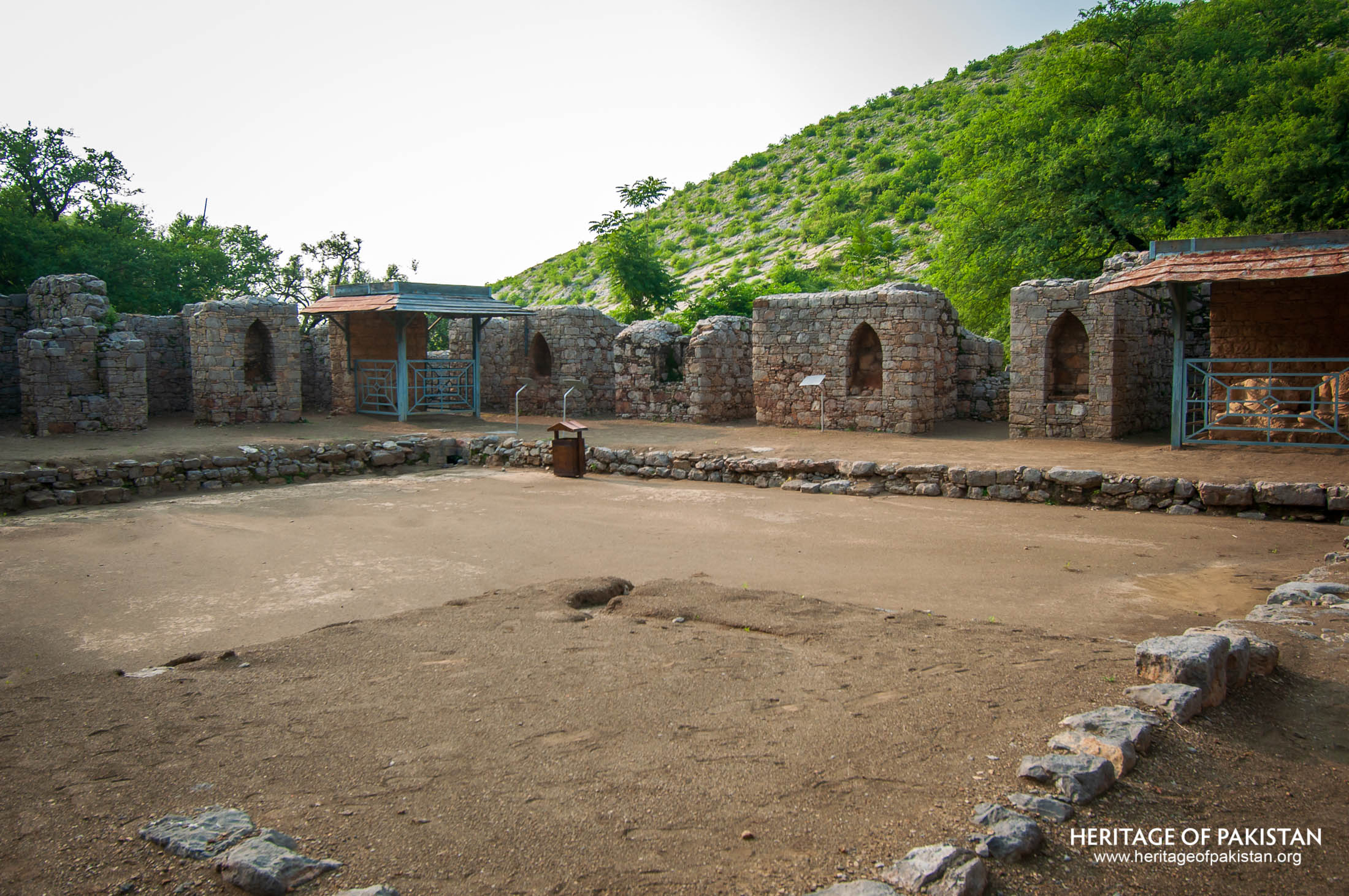
The monastery, attributed to the 2nd century AD, reflects the Buddhist architectural and spiritual traditions of its time.
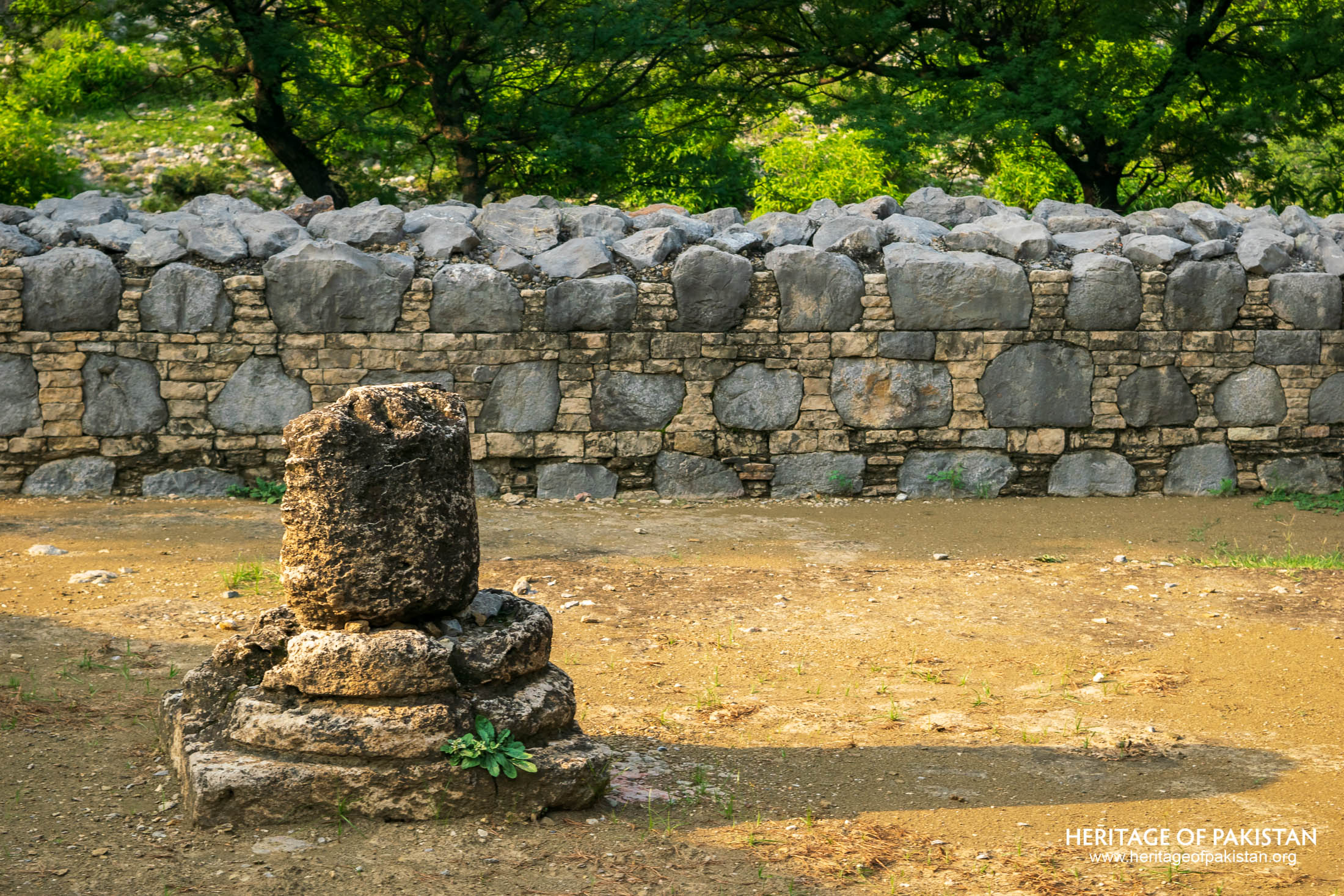
The original construction, characterized by large diaper masonry, is dated to the 2nd century AD
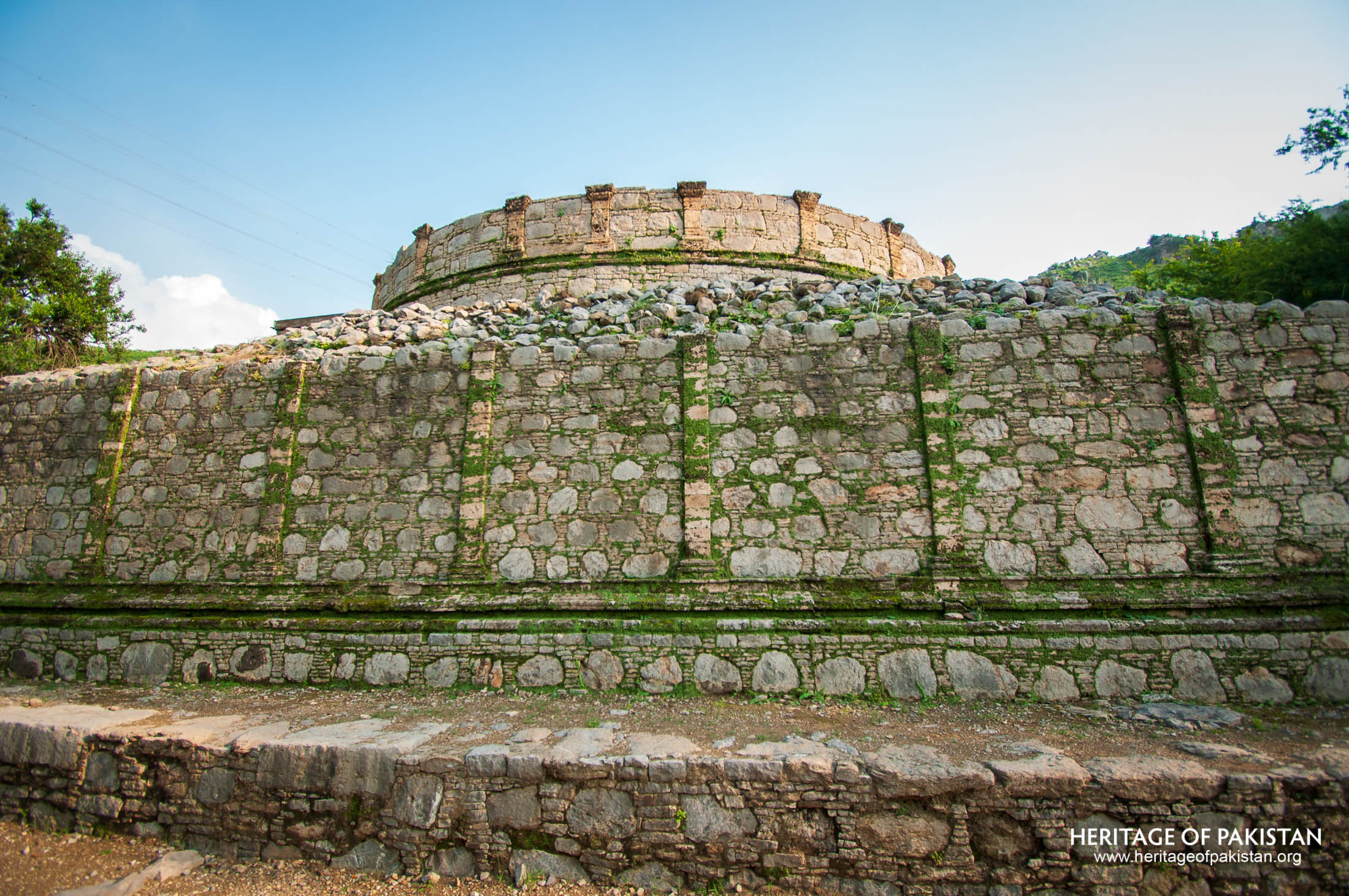
The layout and design of the Mohra Moradu complex reflect typical characteristics of Buddhist ‘Sangharamas’, or monastic settlements
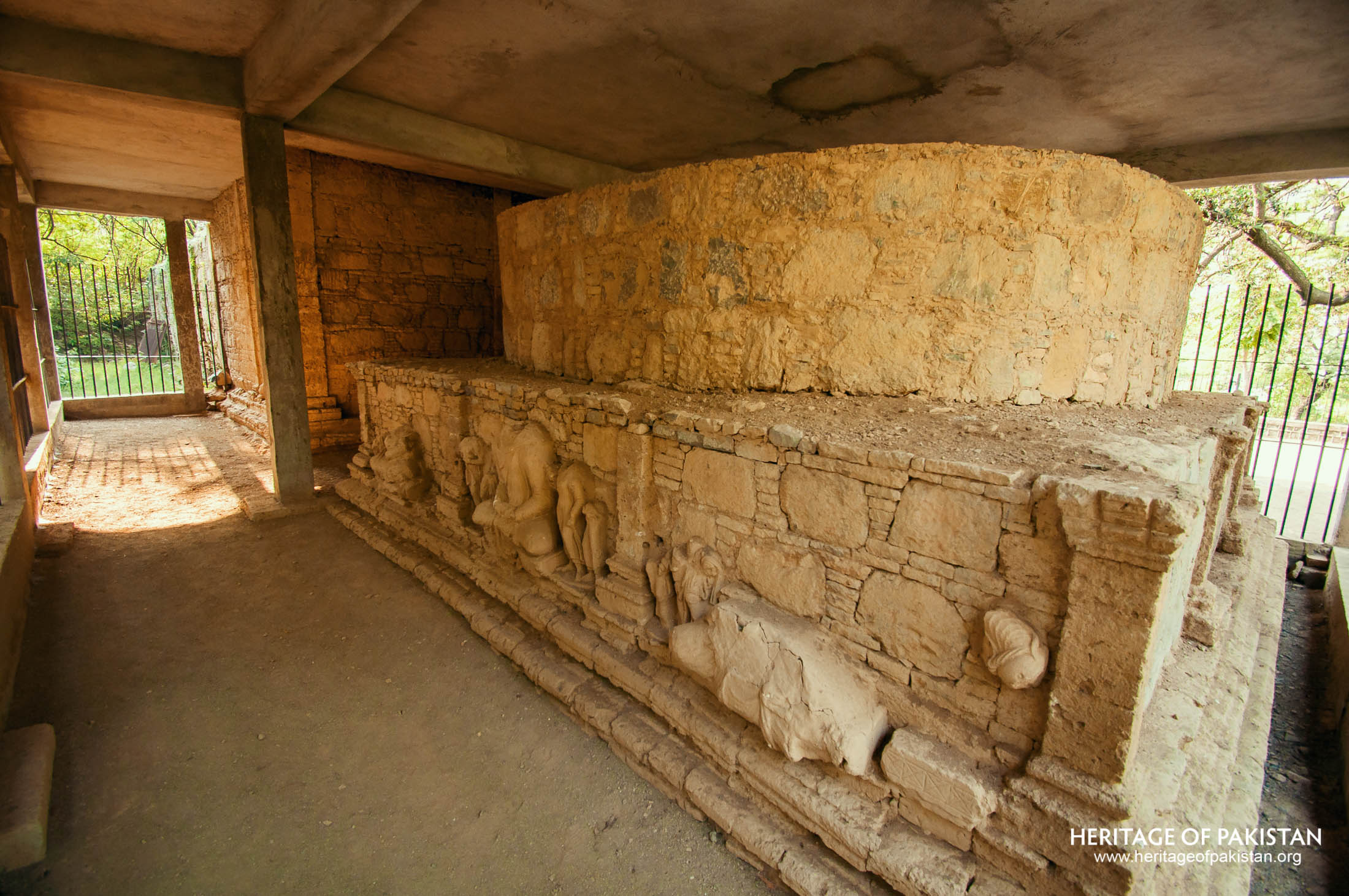
There are two stupas within the complex: one larger, serving as the main stupa, and one smaller
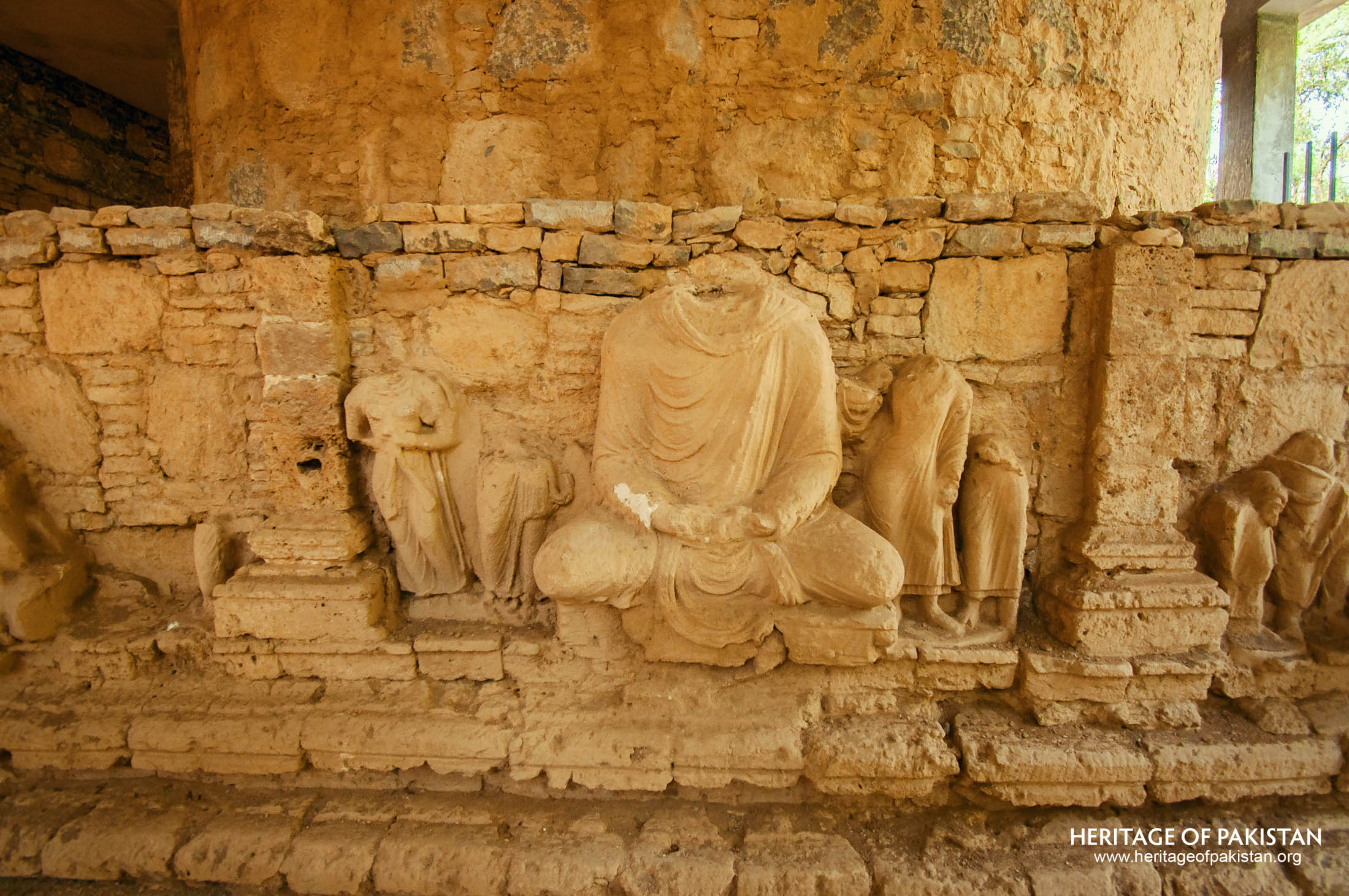
Notable for its preservation and structural arrangement, the complex includes stupas and a monastery that reflect the architectural and cultural practices of a historical Buddhist settlement
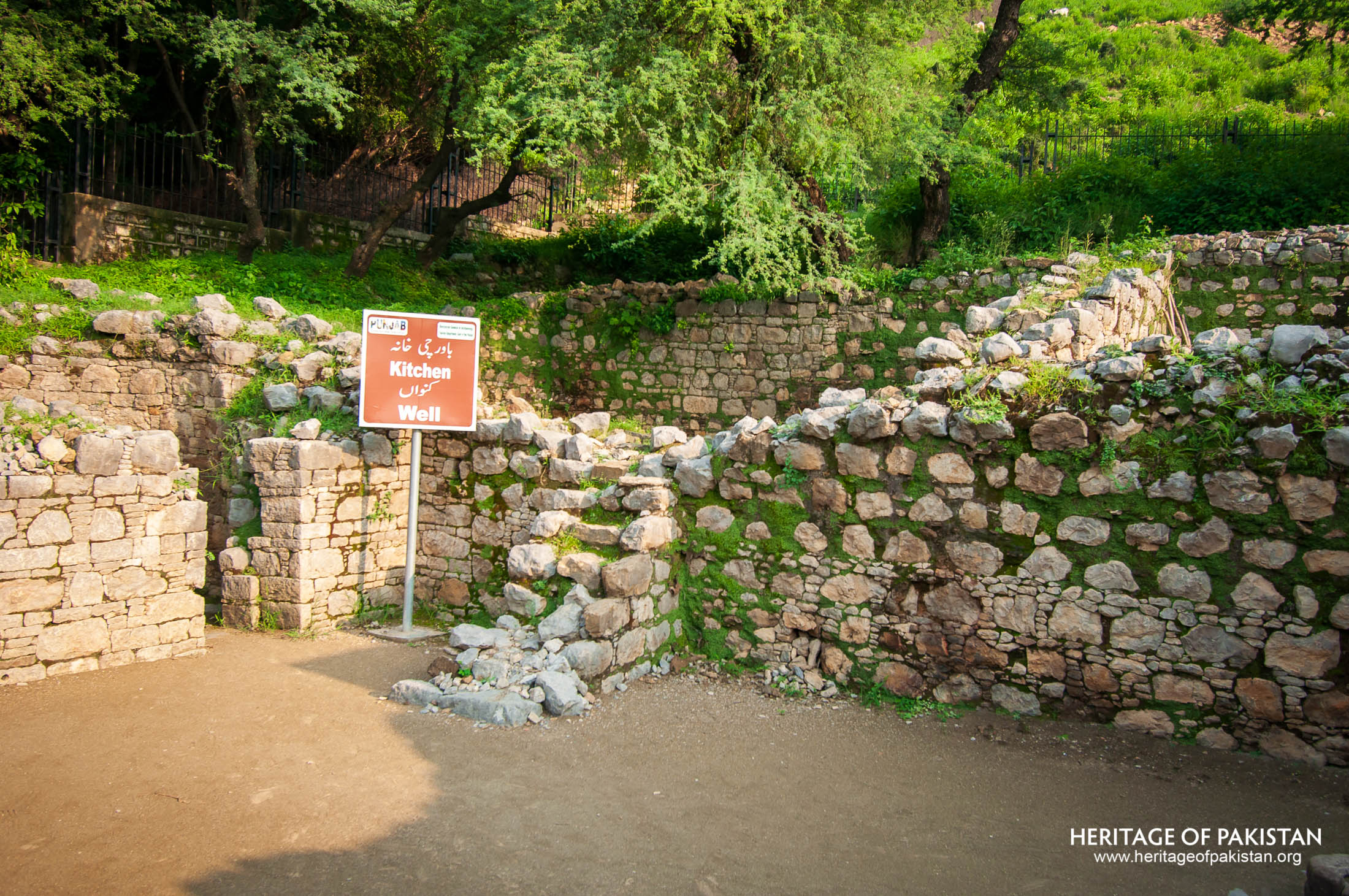
The monastery lies to the west of the stupas and is designed as a quadrangular structure enclosed by cells on all four sides
Mohra Moradu has been inscribed on the UNESCO World Heritage Sites list and is protected under the Antiquities Act of 1975
