
Protected Under
Antiquities Act 1975

On the UNESCO World Heritage Site List
Antiquities Act 1975
Alexander the Great visited and camped at Taxila during his campaign into the Indian subcontinent in 326 BCE
The Best Time to Visit Punjab Province is Year long as it has bearable Cold winters and Hot Summers. However, Summers can get really Hot and precautions are recommended during Daytime visits.



Dharmarajika Stupa, Taxila, Punjab
Taxila, situated approximately 37 kilometers northwest of Rawalpindi and accessible via the Grand Trunk Road connecting Lahore to Peshawar, is one of the most significant archaeological and historical sites in South Asia. Located within the larger cultural region of Gandhara, Taxila has long been recognized for its rich architectural, religious, and intellectual heritage. Various excavations in the Taxila valley have uncovered three distinct city sites as well as numerous stupas and monasteries, offering a comprehensive view of its layered past. The importance of this site has been acknowledged globally, and it has been inscribed on the UNESCO World Heritage List.
The name of the area was historically rendered as Takkasila in Sanskrit (Takshasila), likely meaning “The City of Cut Stone.” The Greeks and Romans transcribed this name as Taxila. According to the Indian epic Mahabharata, Taxila was connected to the great snake sacrifice of King Janamejaya, who had conquered the region, suggesting its establishment in a remote and mythic era. However, the earliest solid archaeological evidence dates back to the 6th century BC, when it was brought under the control of the Achaemenid Empire of Persia during the reign of Darius I. This period marks the founding of the Bhir Mound, the earliest known city at the site. A unique relic from the Persian era includes an inscription in Aramaic characters, dating to the 4th or 5th century BC—remarkable as the only Aramaic record discovered at Taxila.
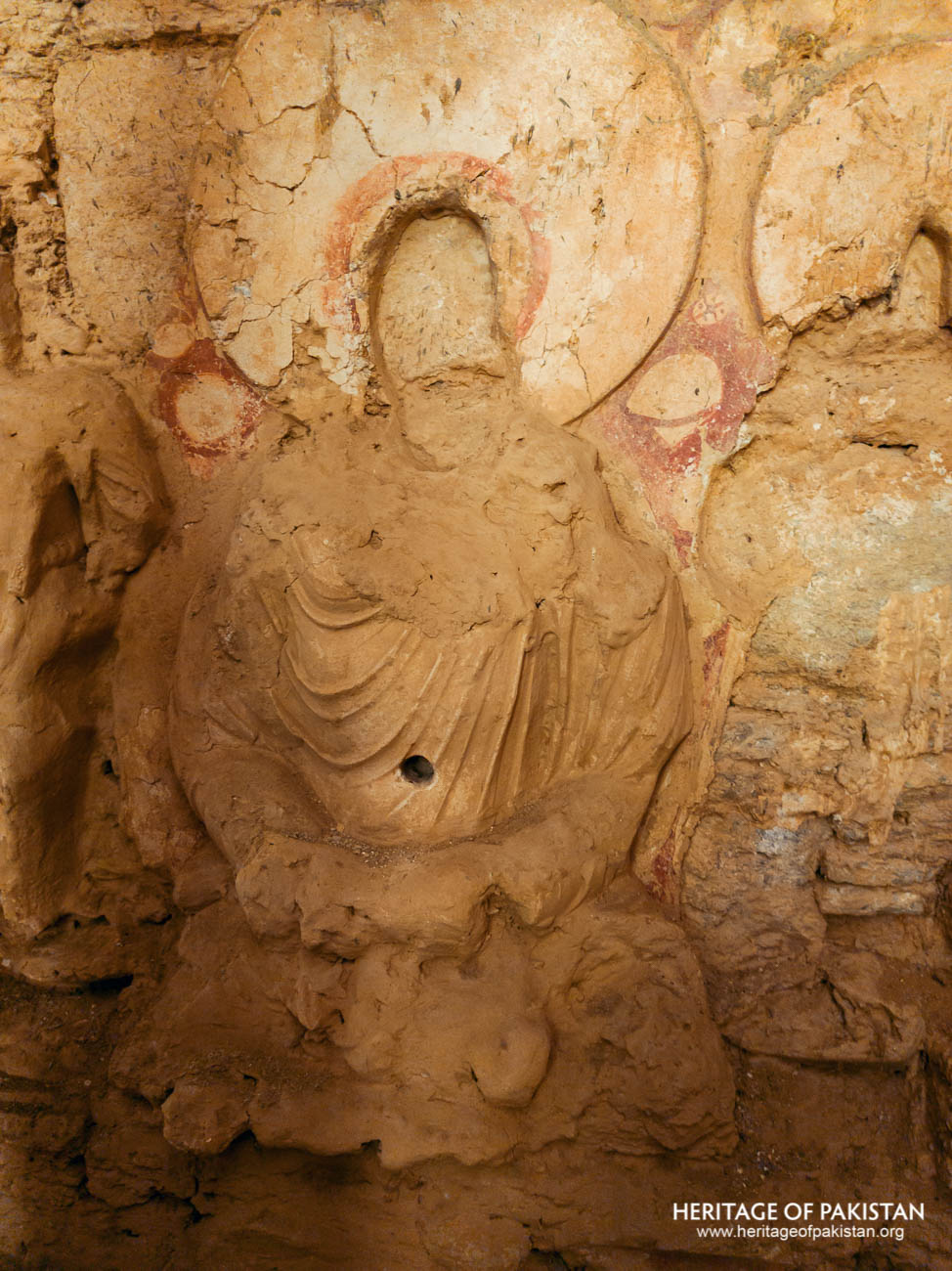 Buddhist Relief Sculpture in Mohra Moradu, Taxila
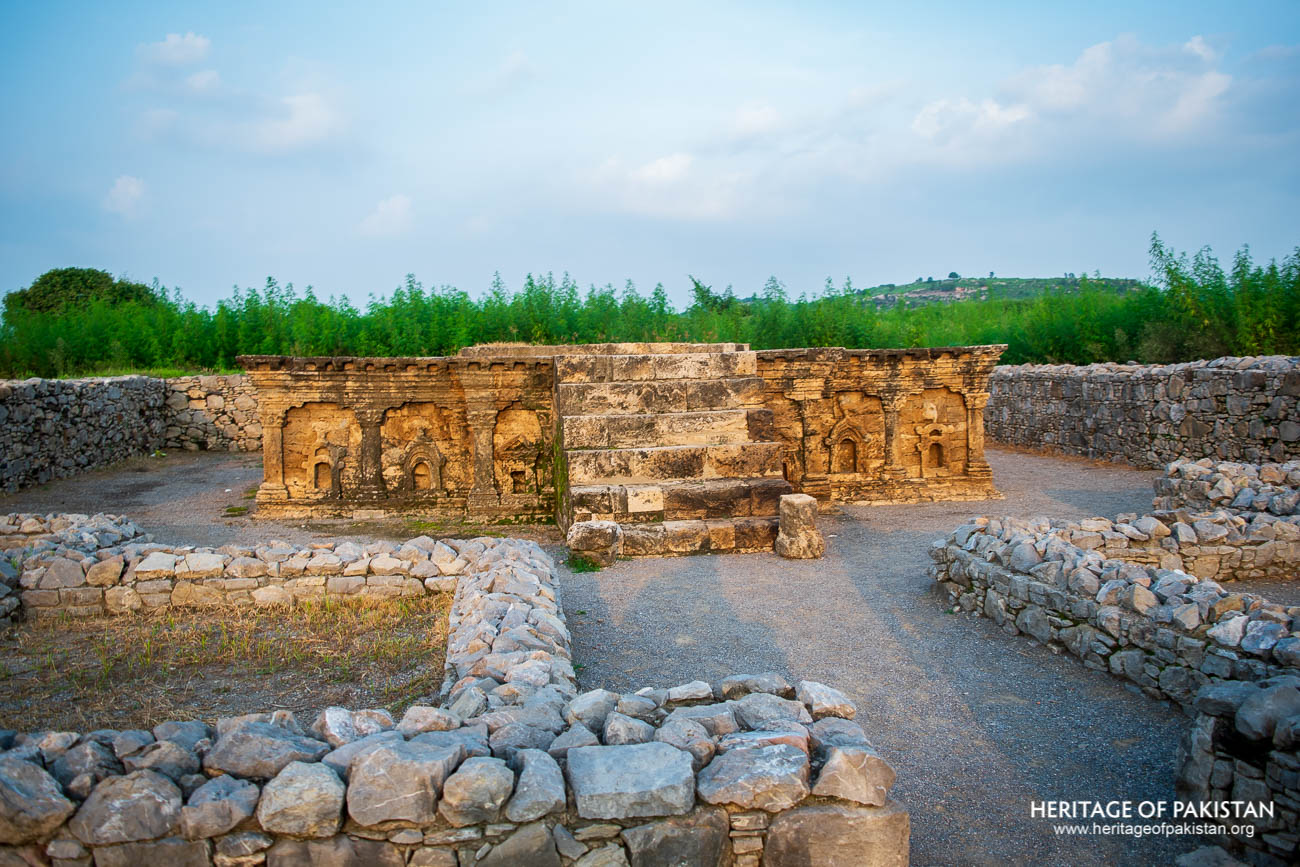
Shrine of Double Headed Eagle, Sirkap, Taxila
The historical region of Gandhara, in which Taxila is located, extended from northern Punjab and Khyber Pakhtunkhwa in present-day Pakistan to eastern Afghanistan, encompassing cities such as Jalalabad. The region is first mentioned in the Bisutun Inscription of Darius I in 516 BC as a distinct province of the Achaemenid Empire. Greek historian Herodotus also referred to Gandhara in the 5th century BC as one of the wealthiest territories of the empire. During this time, Taxila served as the capital of Gandhara, which displayed a fusion of Persian and South Asian Vedic cultural elements.
In 326 BC, Alexander the Great conquered the region, incorporating Gandhara and Taxila into his empire after annexing the Kingdom of Ambhi. He is said to have stayed at Taxila, specifically at the Bhir Mound, for about a month while preparing for his campaign against Raja Porus. Greek sources describe Taxila at that time as a prosperous city. Alexander’s death occurred in 323 BC, which led to a shift in power dynamics in the region.
Greek rule was subsequently replaced by the Mauryan Empire under Chandragupta, who overthrew the Greeks in 321 BC. His grandson Ashoka, who converted to Buddhism and renounced violence, played a pivotal role in spreading Buddhism throughout Gandhara. Ashoka served as governor of the region before ascending the throne, and his influence is evident from his rock edicts found in Shahbaz Garhi in Mardan District and in Mansehra. His reign marked a significant Buddhist transformation in the region. Ashoka died in 231 BC.
Following Ashoka’s death, Taxila was invaded by the Bactrian Greeks in 190 BC. These invaders were descendants of the Greek colonies established in Bactria by Alexander. Demetrius was the first Bactrian ruler to capture Taxila, shifting the capital from Bhir Mound to a new site called Sirkap. The Bactrian period was succeeded by the Scythians or Sakas, who came from the Parthian region.
The Kushans conquered Taxila in 64 AD. One of their most notable rulers, Kanishka, converted to Buddhism much like Ashoka and continued the effort to promote the religion. His reign, from 78 to 110 AD, saw the construction of numerous Buddhist structures and the flourishing of Gandhara art, a distinctive style that synthesized Hellenistic, Persian, and South Asian artistic influences. The Kushans ruled the region for approximately 150 years, until their decline following an invasion by Shahpur I of Iran in 241 AD. However, a related Kushan dynasty continued to exist in the region from 390 AD until the 5th century AD.
The final blow to Gandhara’s ancient civilization came in 460 AD, when the White Huns invaded the region. Their incursion led to the widespread destruction of cities and monasteries, accompanied by massacres that effectively ended the classical period of Gandhara civilization.
In the 7th century, the Chinese monk and traveler Hsuan Tsang visited the region and recorded detailed descriptions of the Buddhist sites in Gandhara, offering valuable insights into the state of the monuments and religious practices of the time.
Archaeological excavations in and around Taxila have revealed an extraordinary range of historical sites and monuments. Among the most prominent are the Dharmarajika Stupa, Jaulian Stupa and Monastery, Mohra Moradu Stupa and Monastery, Sirkap, Bhir Mound, Sirsukh, and Piplan Monastery. These sites reflect the successive cultural and religious transformations that shaped the region over centuries. The pioneering efforts of archaeologist Sir Alexander Cunningham identified the mound of Shah Dheri as the ancient Greek city of Taksashila or Taxila, confirming its historical identity. Later, Sir John Marshall played a crucial role in systematically excavating many of these archaeological sites, contributing significantly to the understanding of their historical context.
Today, many of the artifacts unearthed from these sites are housed in the Taxila Museum, which serves as an essential resource for scholars and visitors interested in the region's cultural heritage. The enduring significance of Taxila lies not only in its material remains but also in its legacy as a renowned center of learning and religious transformation across millennia.

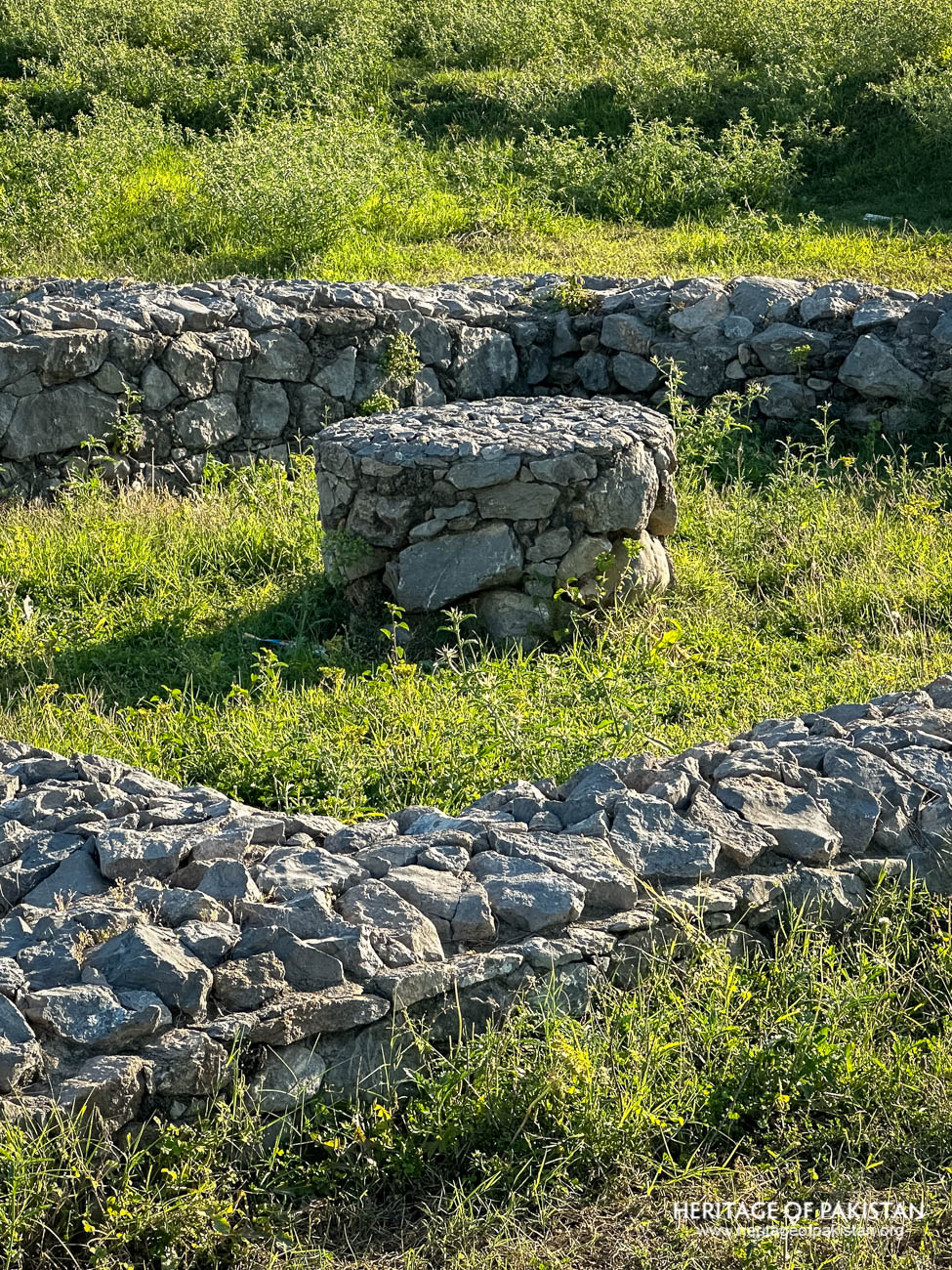
Bhir Mound, the first settlement at Taxila
Gandhara art and architecture, developed between the 1st century BC and the 7th century AD, present a compelling record of the region’s cultural and historical complexity. This style emerged primarily under the rule of the Kushan dynasty and reflects a distinctive fusion of indigenous and foreign elements. Taxila, as a major urban and religious center of the Gandhara region, has yielded a wealth of archaeological evidence that illustrates this artistic evolution, particularly in relation to Buddhist traditions.
The Gandhara School of art is generally credited with the creation of the first human-like representations of the Buddha. Prior to this, Buddhist art typically avoided anthropomorphic depictions, instead using symbols such as footprints, trees, and stupas to represent the Buddha. The Gandhara School marked a significant departure from this approach. The principal aim of Gandhara art was to commemorate the life of the Buddha, his teachings, and the path of Buddhism. This focus is evident in the numerous narrative reliefs and statues recovered from the region, which portray key episodes from the Buddha’s life.
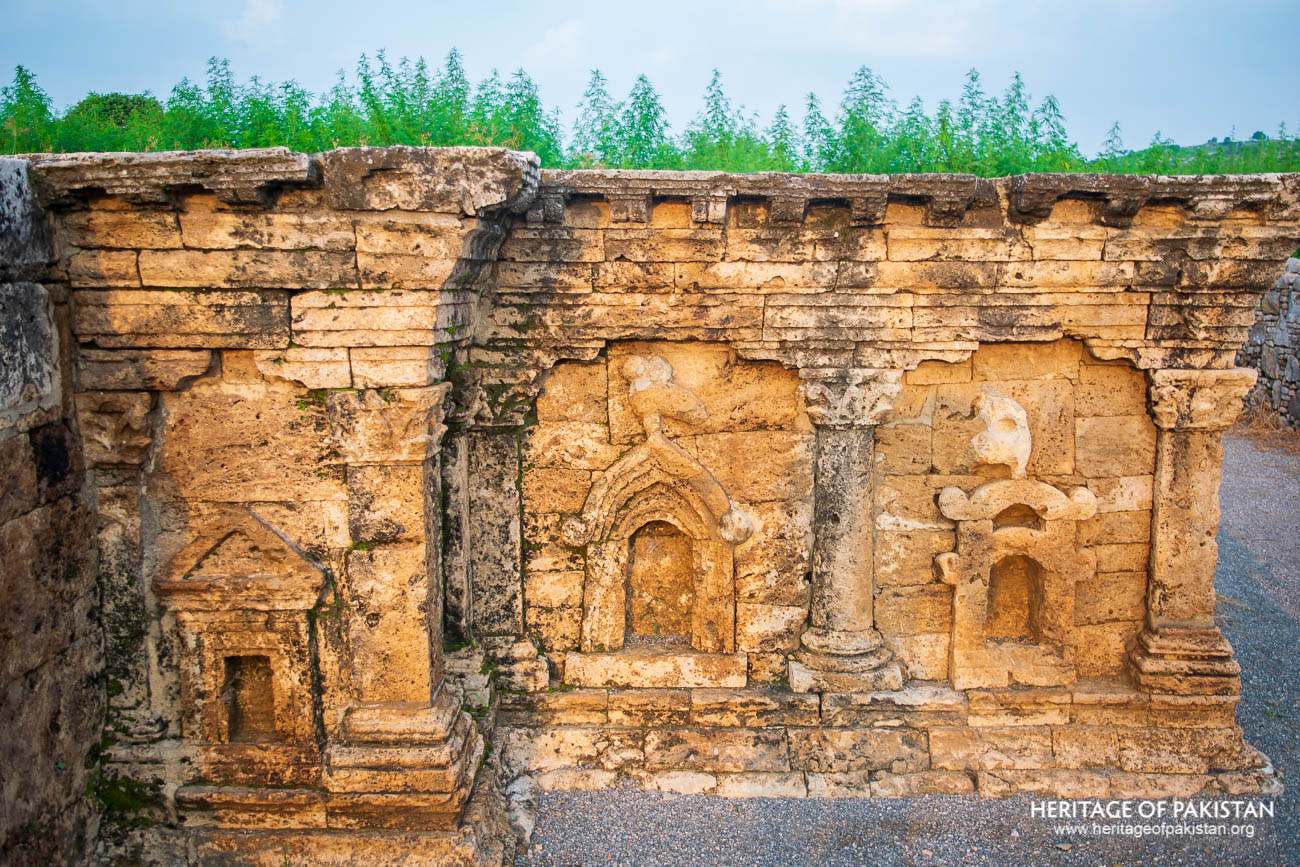
Shrine of Double Headed Eagle at Sirkap, Taxila
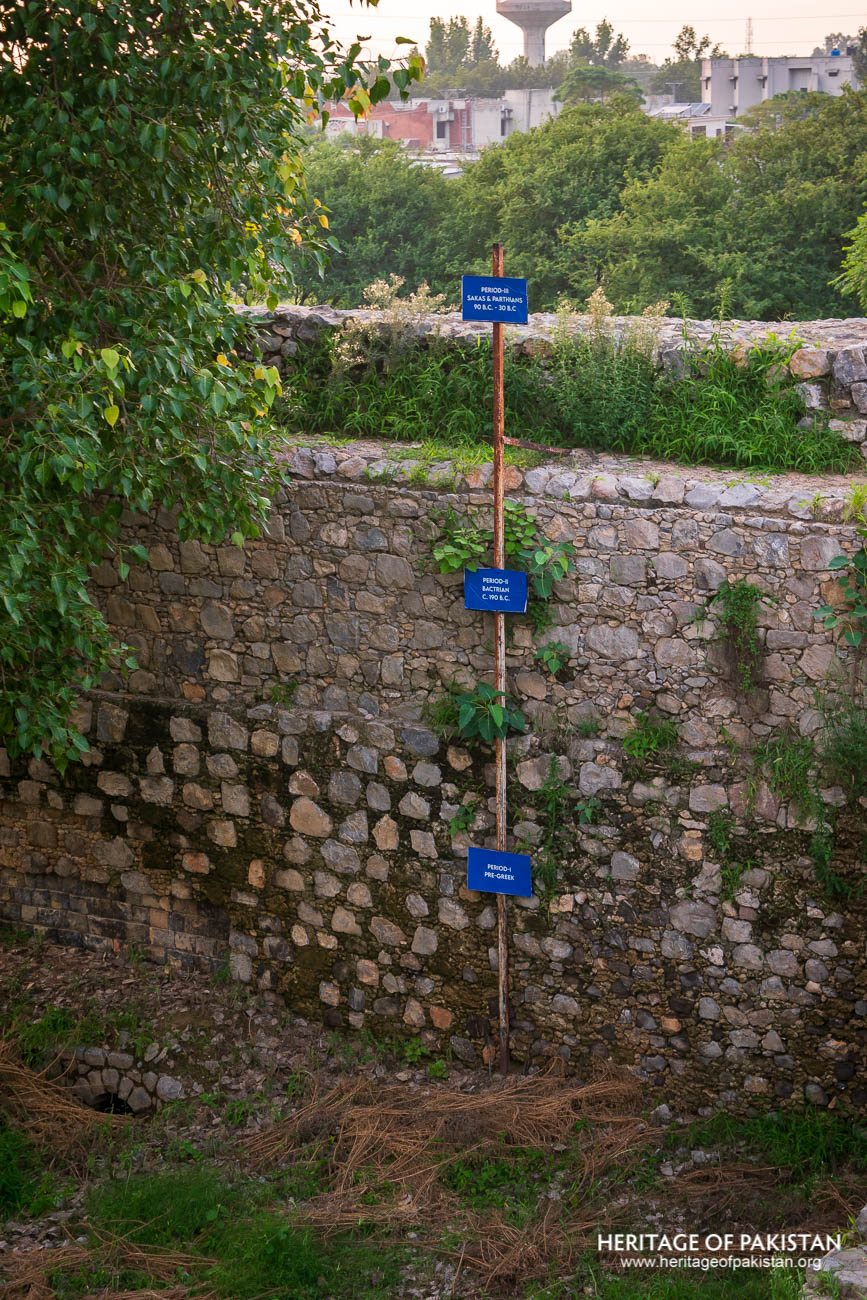
Settlement Layers at Sirkap, Taxila
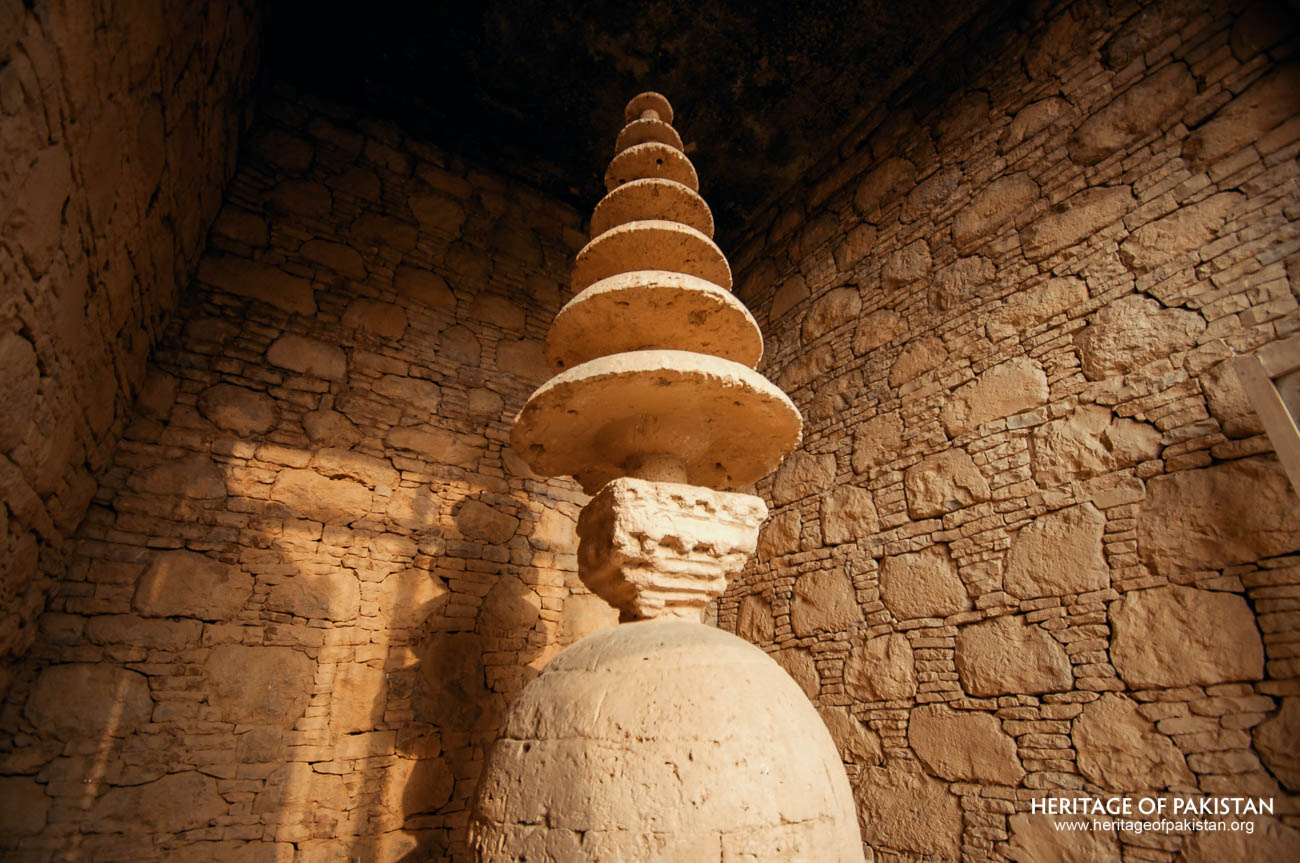
Fully excavated Stupa at Mohra Moradu, Taxila
The style of Gandhara art was shaped by a broad range of influences, reflecting the diverse social and cultural fabric of the time. It was an amalgamation of Greek, Scythian, Parthian, Kushan, Hun, Turk, and indigenous South Asian elements. Hellenistic architecture and sculpture had been introduced earlier during the reign of the Saka-Parthian dynasties, and Roman artistic forms also left a notable impact. Many excavated temples and sculptural fragments from the city of Sirkap provide tangible evidence of these classical influences. Persian artistic traditions likewise contributed to the visual vocabulary of Gandhara art, merging with local aesthetic practices.
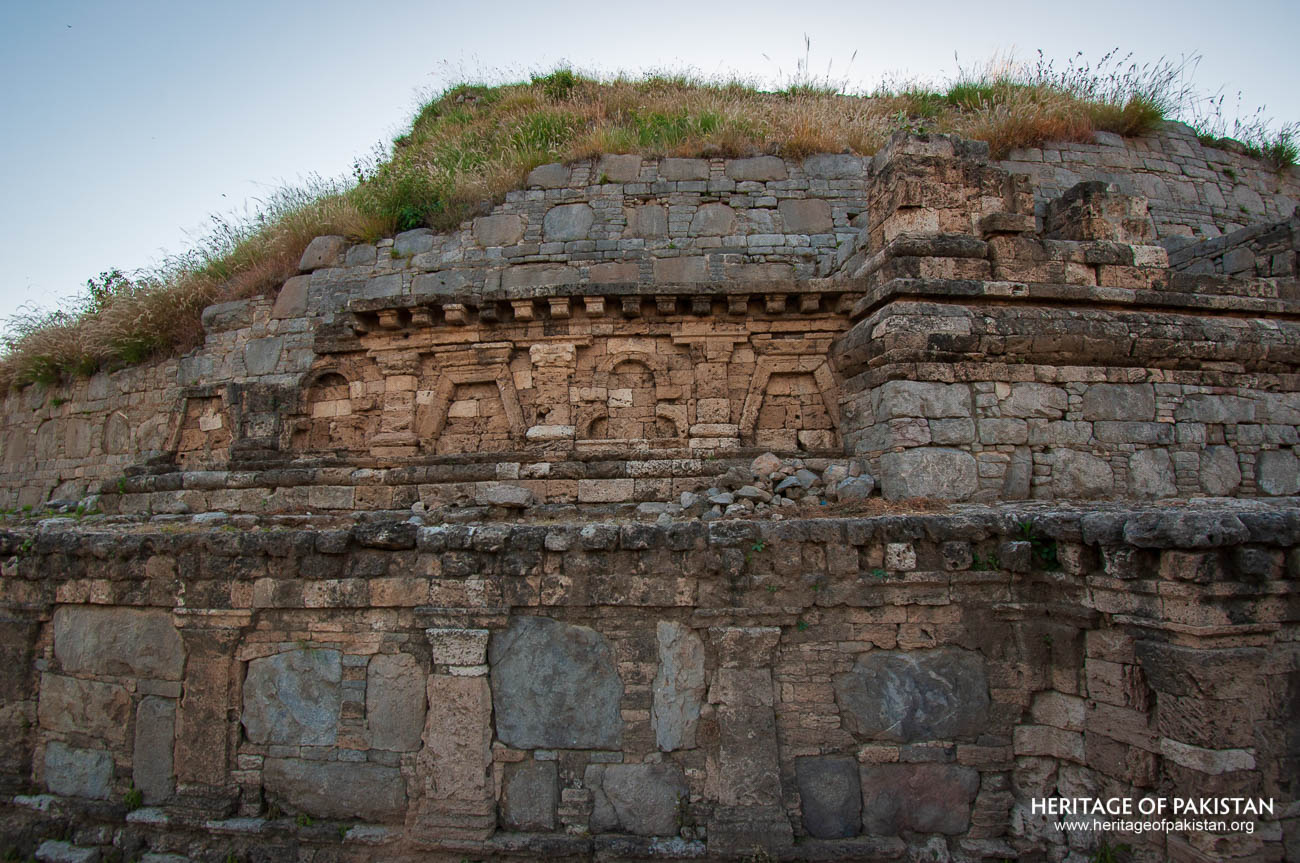
This cross-cultural synthesis is particularly apparent in the architectural features and visual motifs found in Gandhara Buddhist sites. Gandhara architecture, like its artistic counterpart, demonstrates the integration of foreign forms with local construction methods and design sensibilities. The result is a distinctive architectural tradition that accommodates both the ritual needs of Buddhism and the stylistic preferences derived from diverse cultural contacts.
A number of significant archaeological sites in Taxila highlight the richness of Gandhara’s artistic and architectural heritage. These include multiple Buddhist monasteries, stupas, and temples that have been systematically excavated and studied. Each site contributes to the broader understanding of how Gandhara art and architecture served not only religious functions but also as expressions of the region’s layered cultural identity.
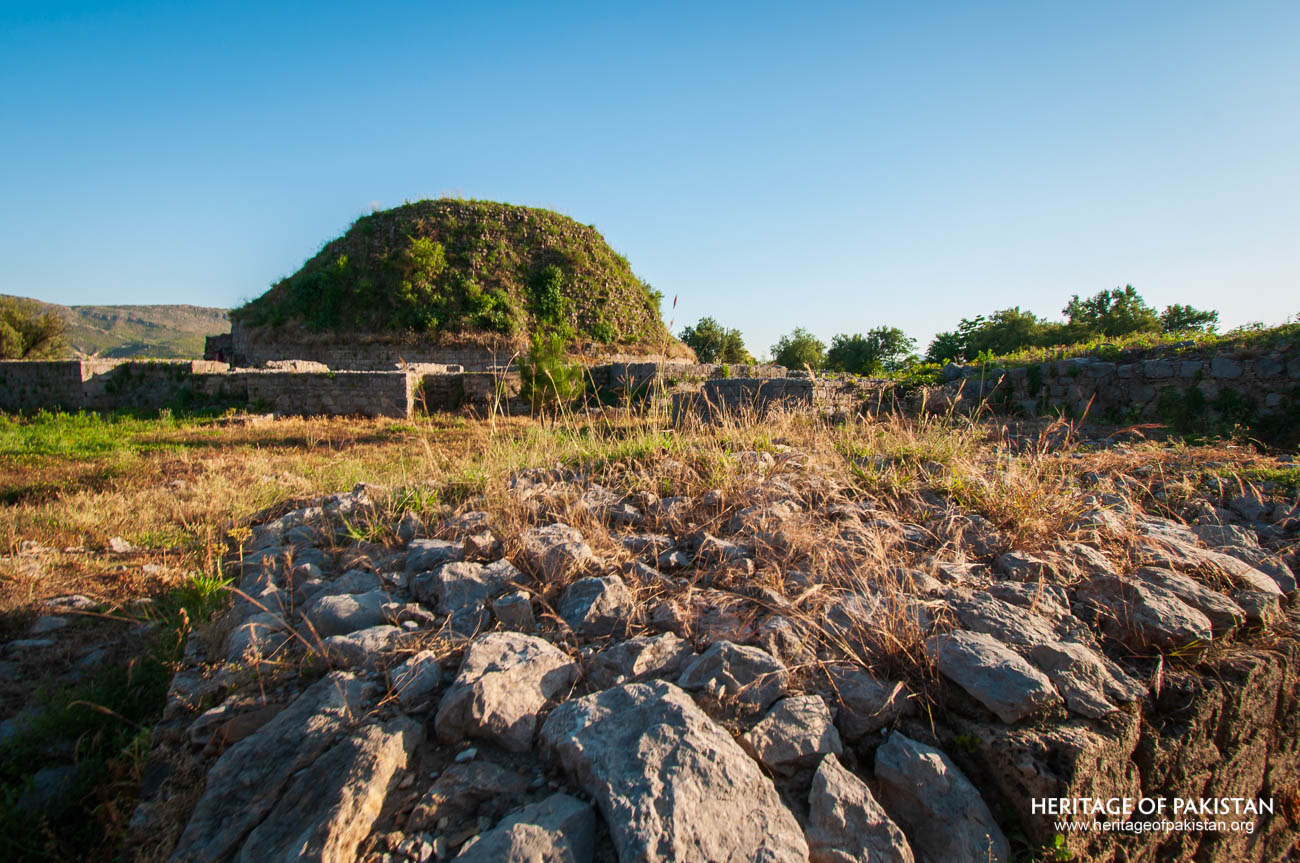
All Photographs by Syed Noor Hussain and Sania Azhar.
All Rights Reserved. Photos may be used for Non-Commercial, Educational, Artistic, Research, Non-Profit & Academic purposes.
Commercial uses require licensing agreement.

media
June 8, 2025 at 6:43 pmhttps://starity.hu/profil/544626-roscarpt/
ready
June 17, 2025 at 3:50 pmhttps://community.ibm.com/community/user/profile?UserKey=0d85a9f6-2843-4761-9043-0197699e030e
sign
June 21, 2025 at 11:47 amI am sorry, that I interrupt you, but you could not give more information.
list
June 24, 2025 at 11:56 pmhttps://schoolido.lu/user/ticketseiffeltowerfr/
quality
June 26, 2025 at 2:47 pmаренда яхт во франции https://european-yachts.com/rent-yacht-france