
Textarea
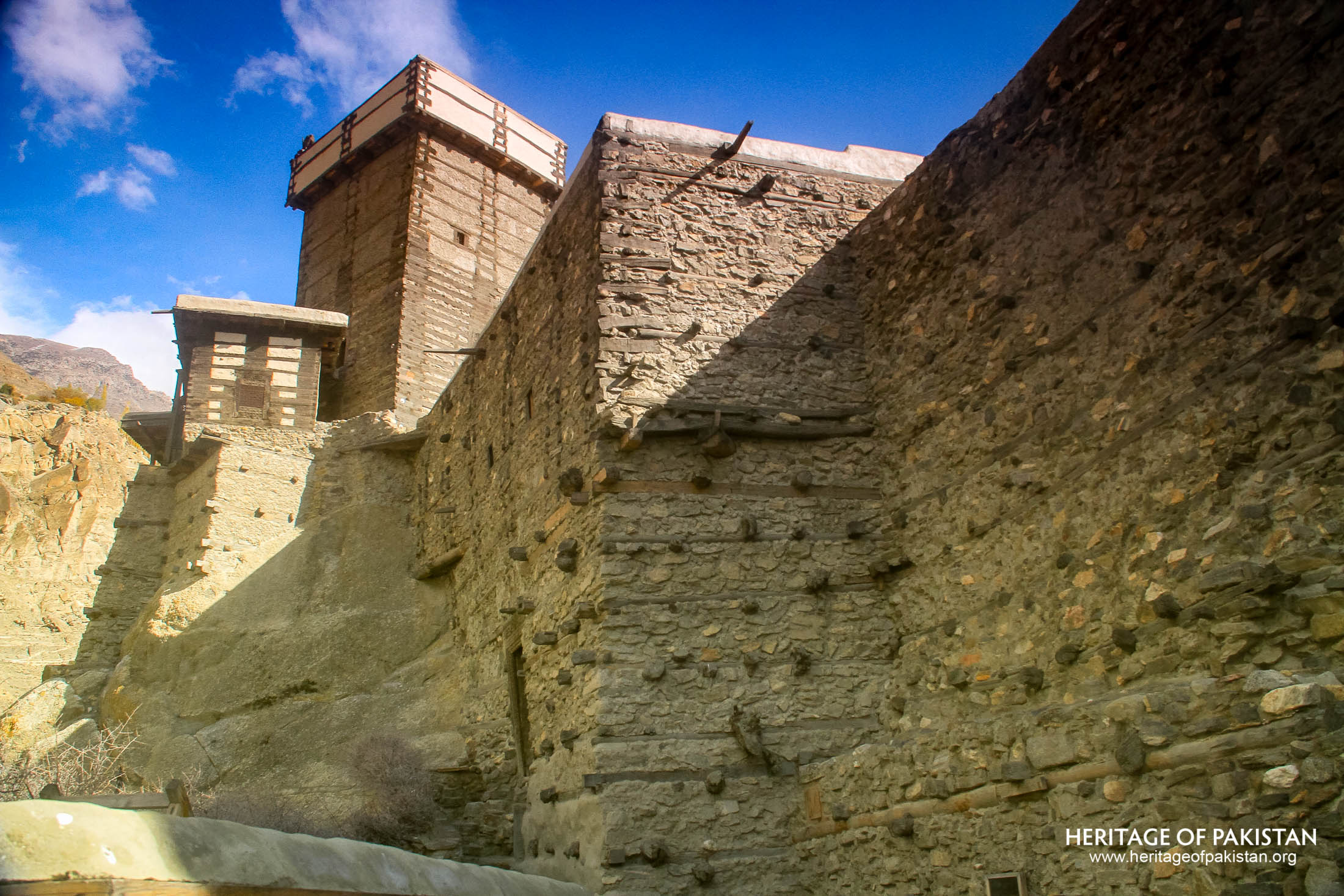
Altit Fort is a historic royal fort located on a rocky cliff above the Hunza River in the village of Altit, Gilgit-Baltistan.
The fort was originally part of a royal dowry when Shah Khatoon, a Baltistani princess, married Ayasho II of Hunza in the 15th century.
Baltistani craftsmen brought by Shah Khatoon repaired and renovated the fort and employed traditional building methods that included stone rubble masonry interlocked with wooden beams.
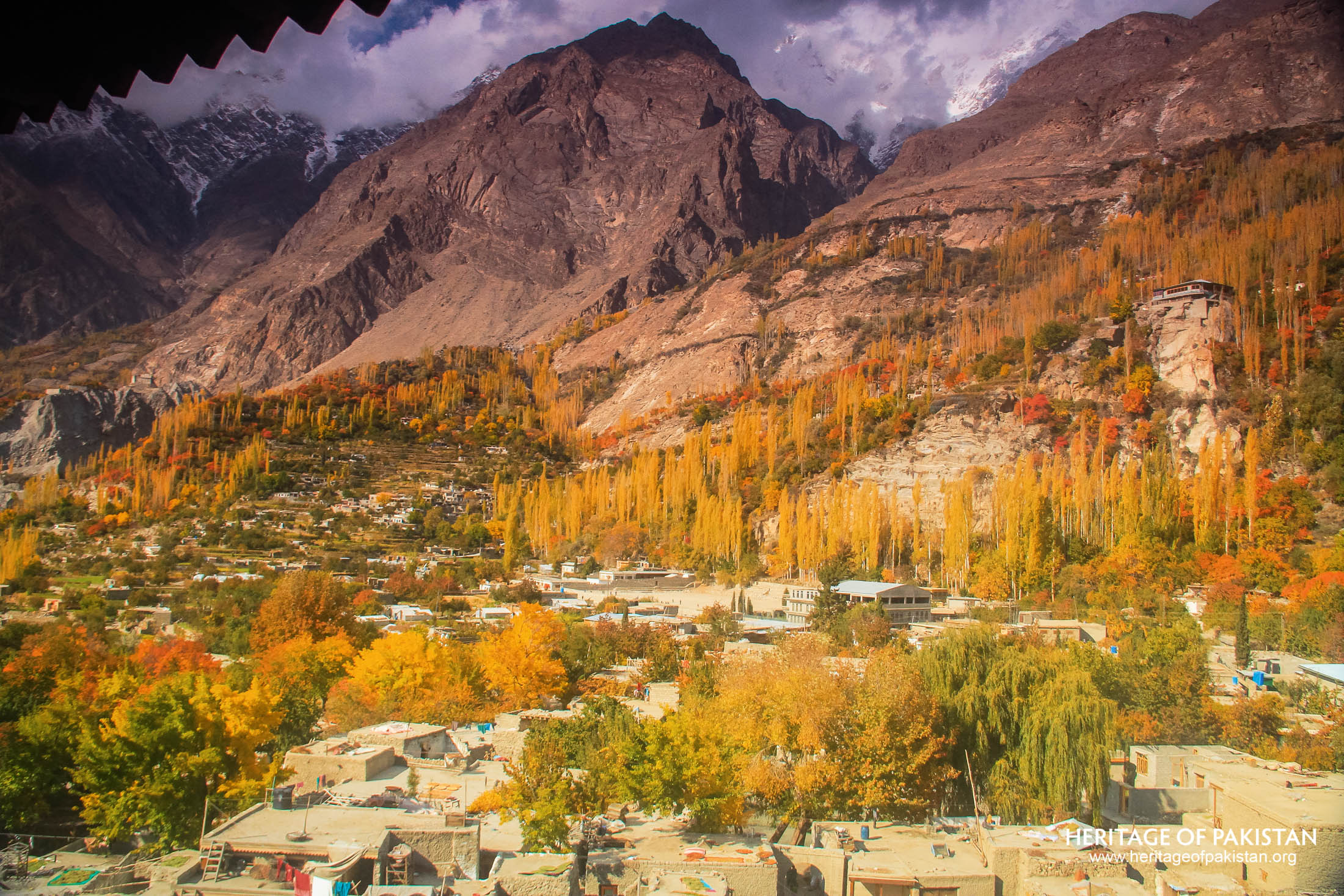
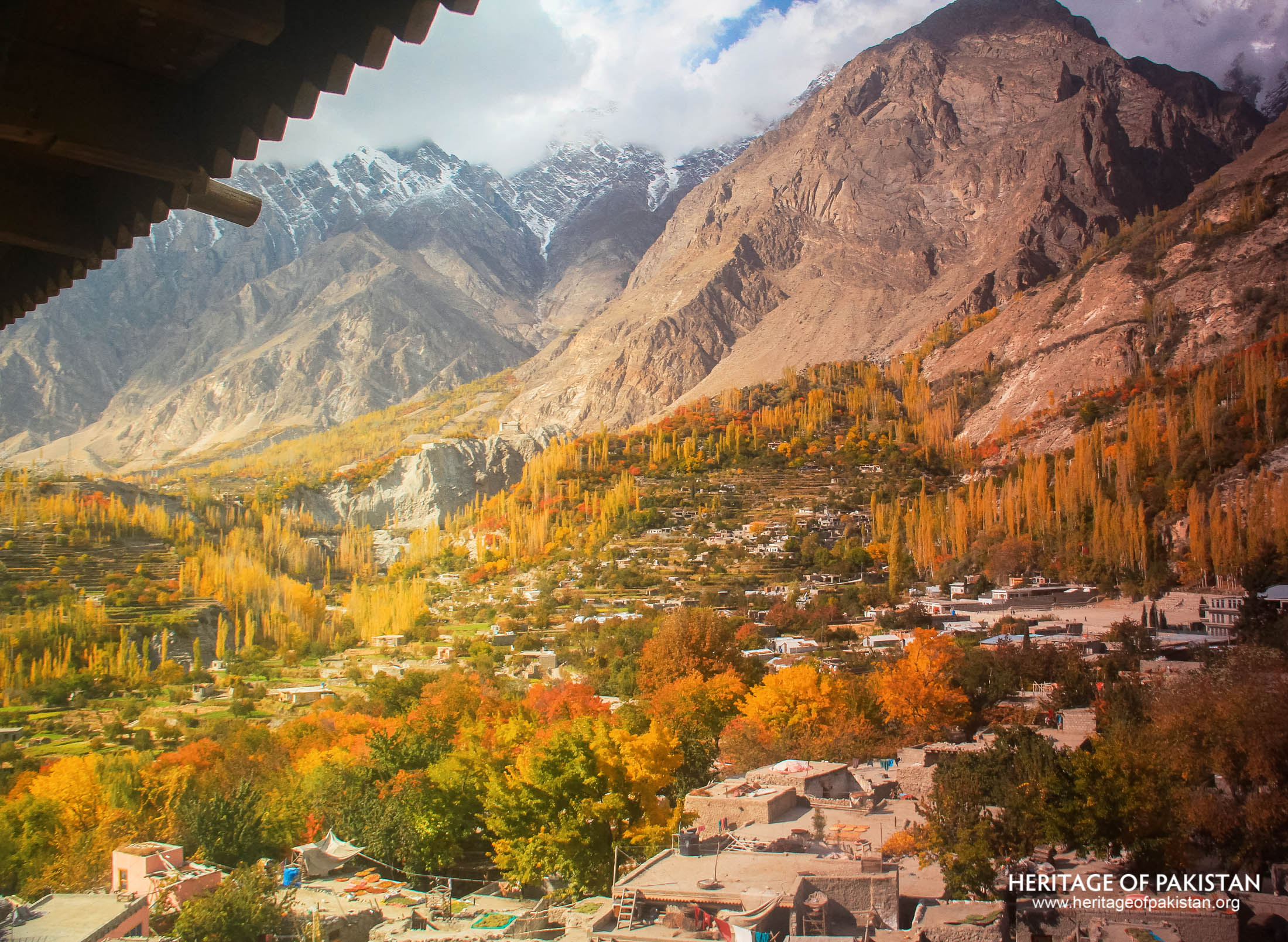
The fort’s strategic location provides both a commanding view of the Hunza Valley and natural defense with the river and cliffs acting as barriers.
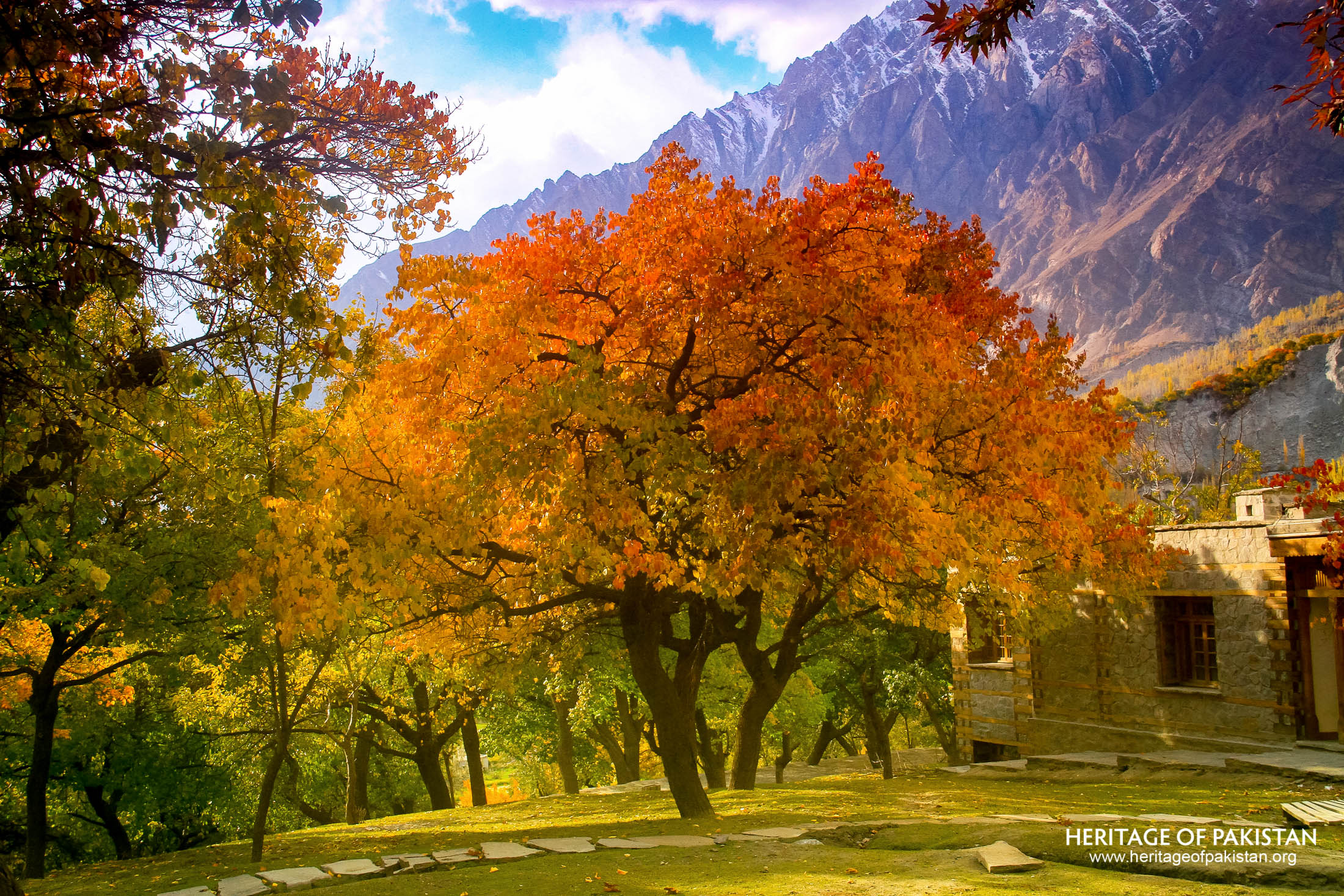
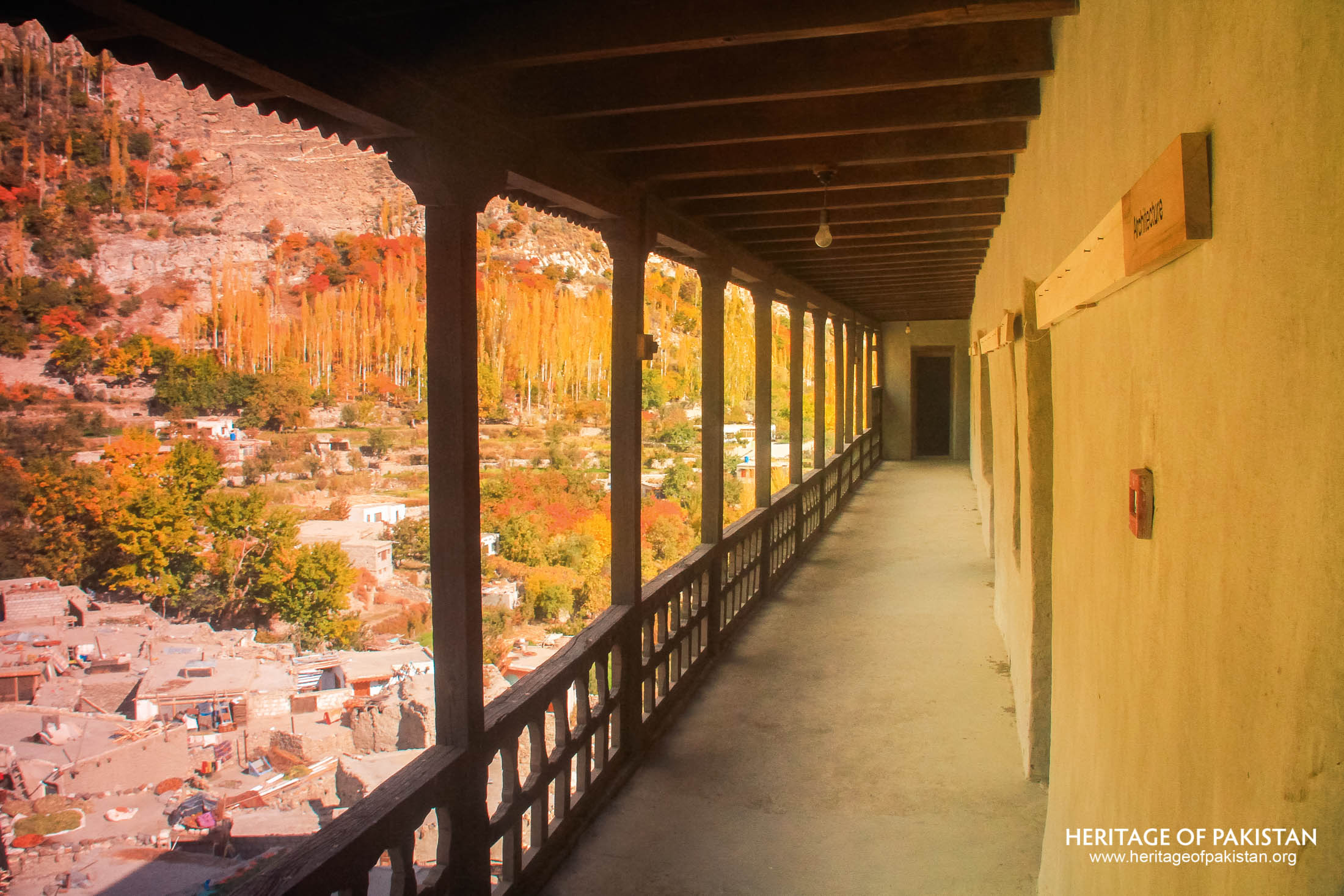
The fort is entered through a royal garden and a carved wooden door, from which Altit Village, Baltit Fort, Karimabad, and distant mountains are visible.
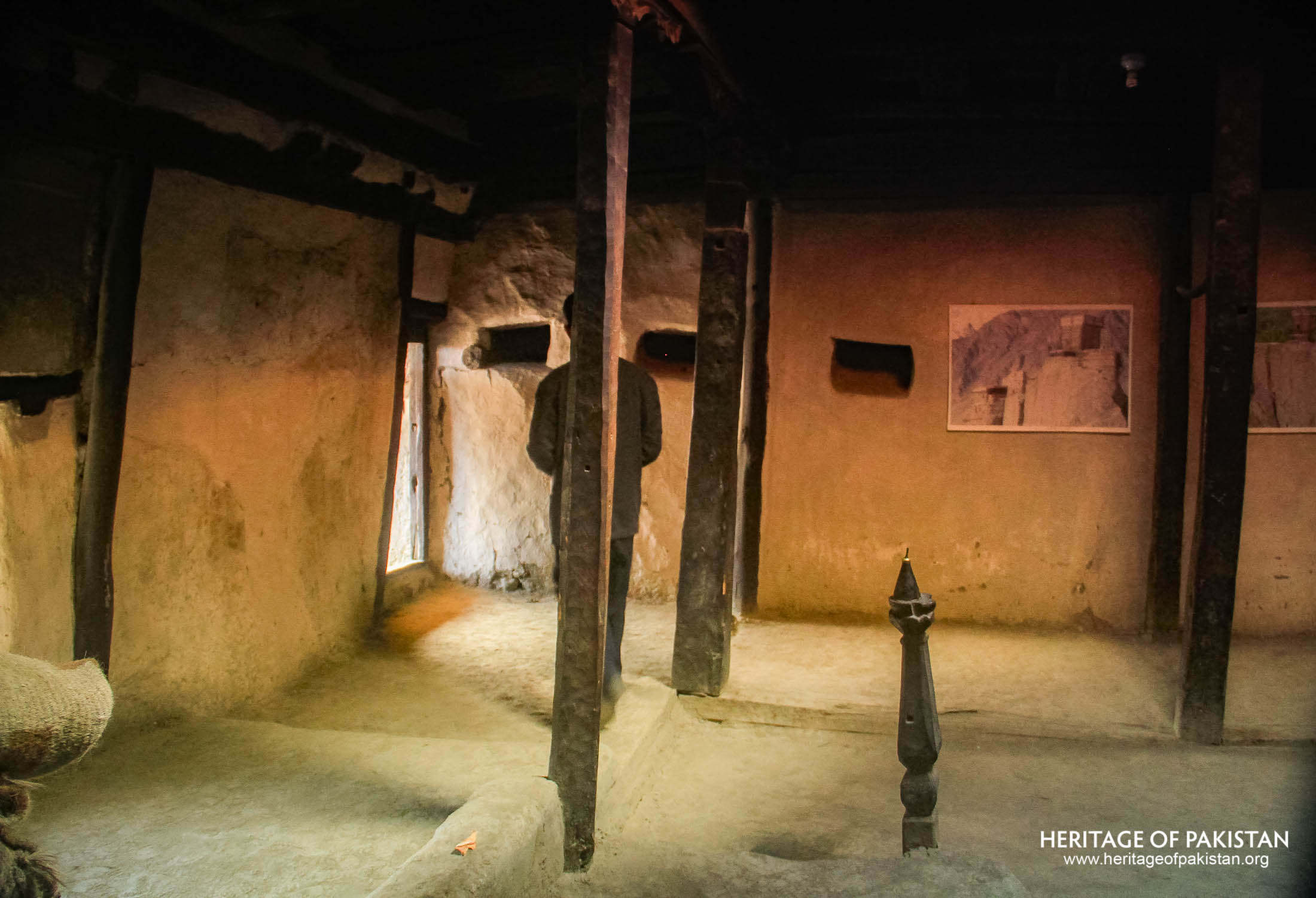
Inside, the four-story structure contains traditional rooms for living, sleeping, and storage, along with a brewing cellar, clerks’ hall, and ceremonial spaces.
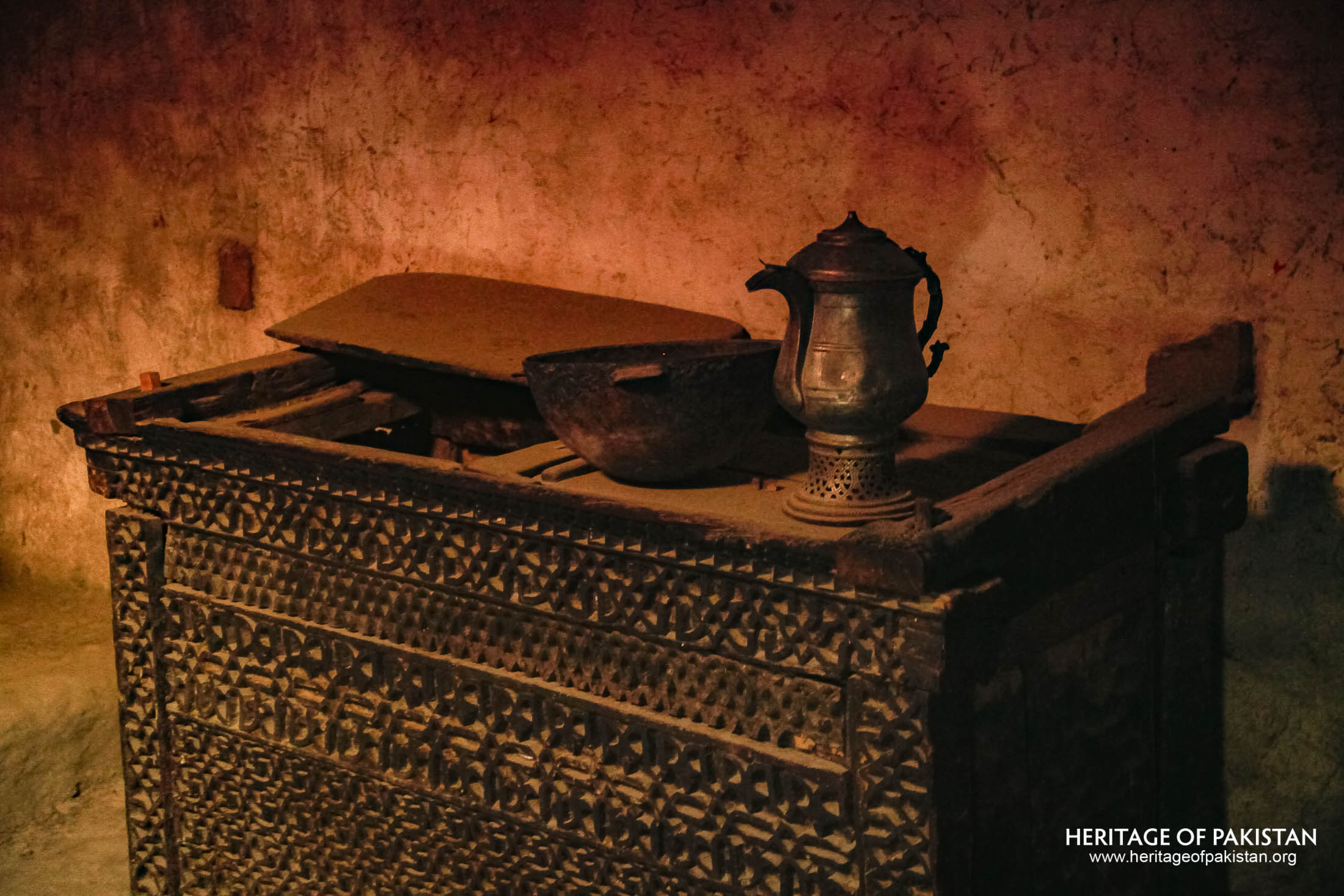
The wooden architecture features intricate carvings of birds, floral motifs, and geometric patterns, reflecting local and pre-Islamic vernacular design.
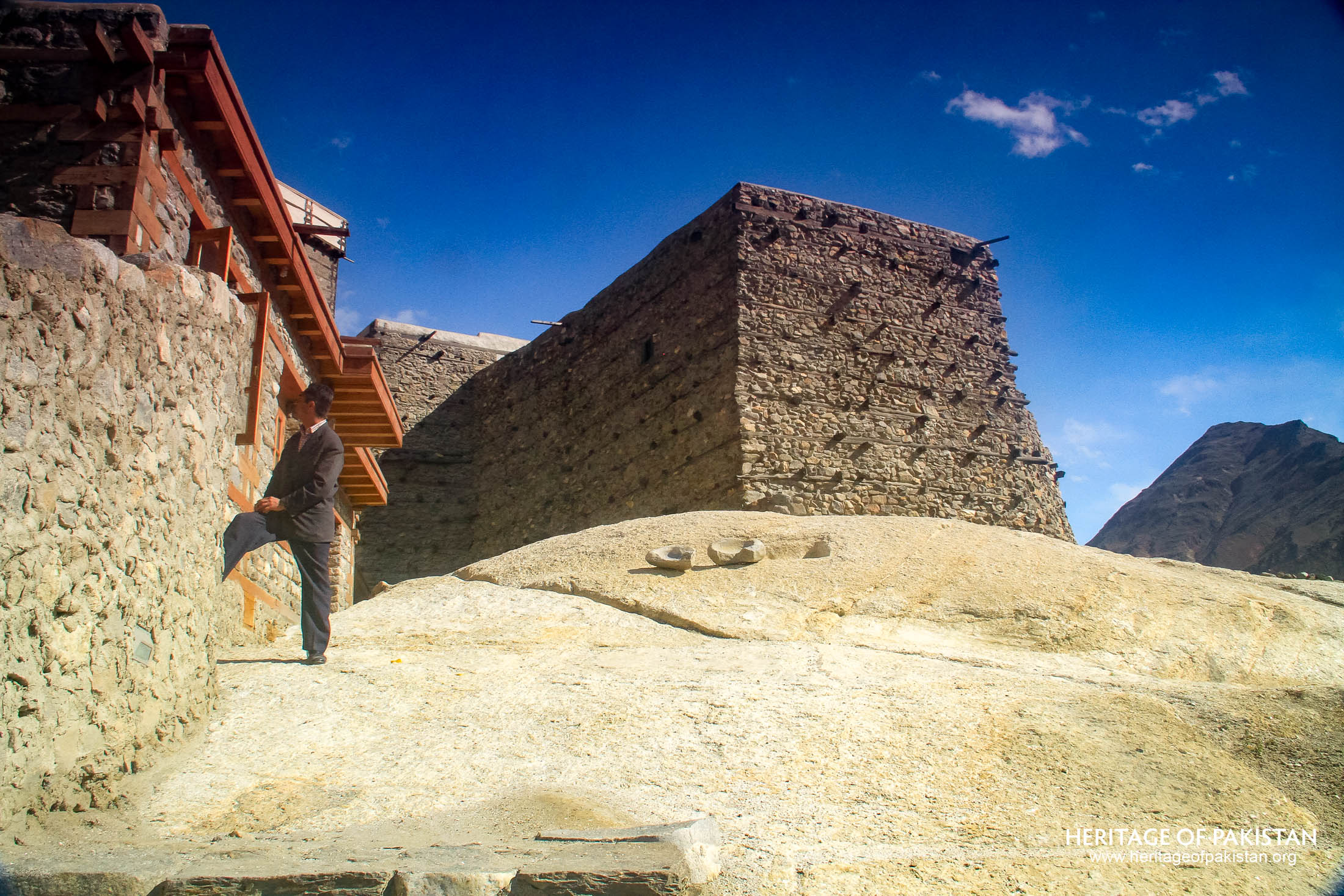
The topmost level includes a square watchtower, a guard room, storage room, and a mosque known as Bibi Ghoras with a trefoil-arched mehrab and pyramidal spire.
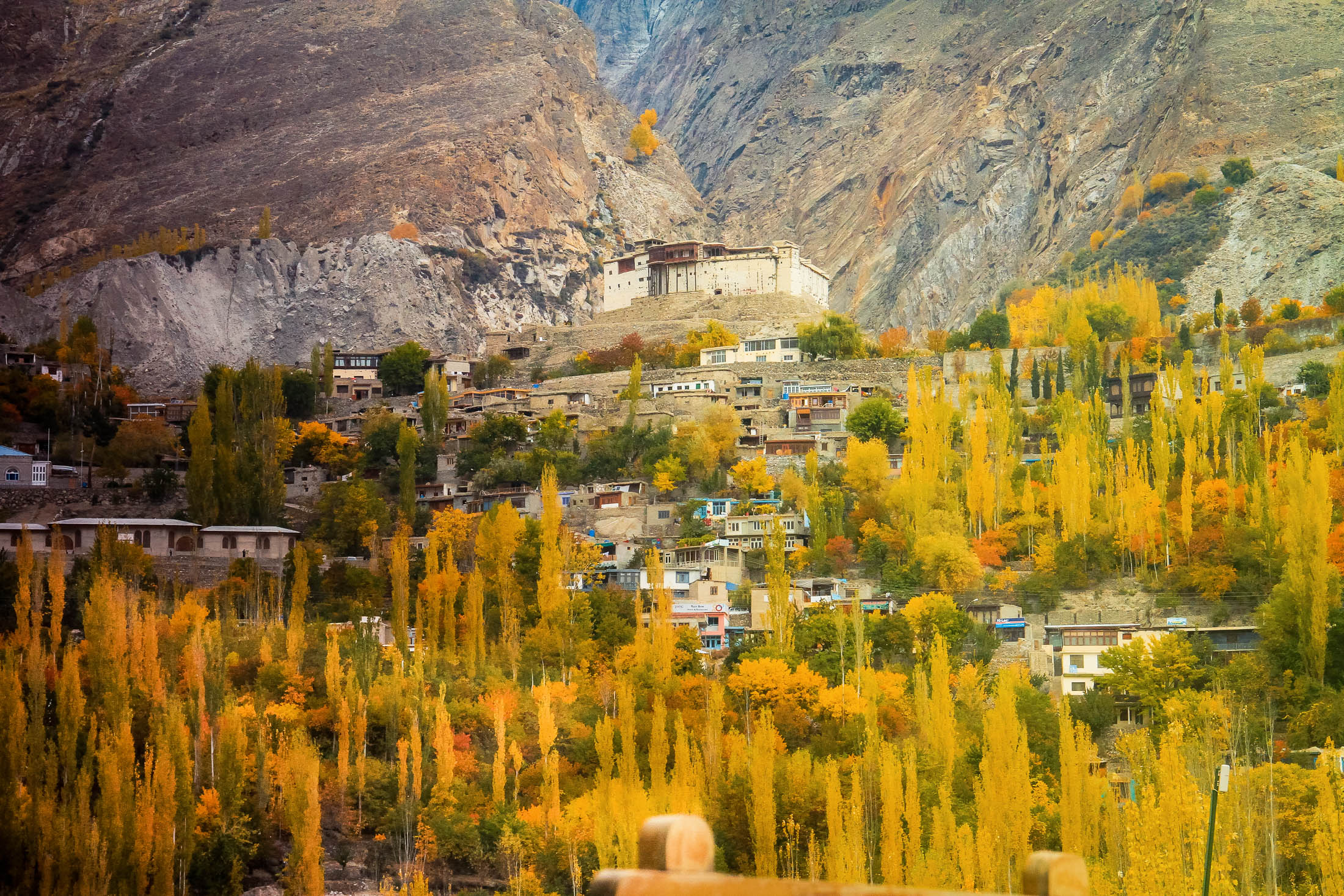
Baltit fort can be seen from Altit as well
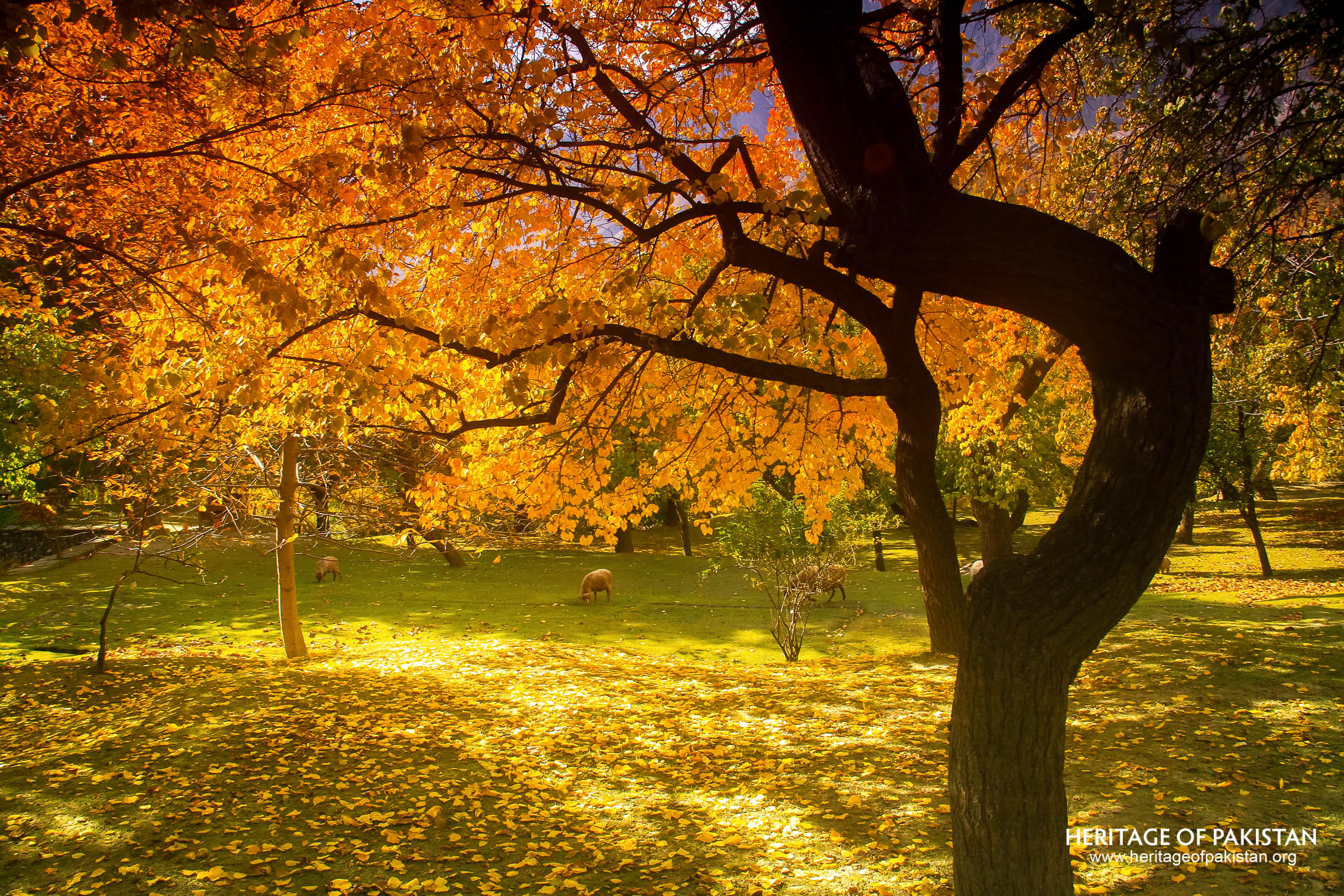
Altit Fort remains one of the most culturally and architecturally significant landmarks in the Hunza Valley, embodying the traditions, craftsmanship, and resilience of its time.
