
Did You Know?
Altit Fort was constructed using earth excavated from nearby fields, which also created the village’s original water reservoir
36°18'59.3"N 74°40'55.4"E
Altit Fort was constructed using earth excavated from nearby fields, which also created the village’s original water reservoir
The Best Time to Visit Gilgit Baltistan Region is Summers. Preferably from April to September. Winters are Extremely Cold and Snowfall blocks most of access. Hence Winters are not recommended.


Altit Fort is a historic royal fortress located in the Hunza Valley of Gilgit-Baltistan. Positioned atop a rock near the northern bank of the Hunza River, the fort overlooks the village of Altit. It is associated with the royal Ayasho lineage of Hunza and has long been a symbol of political and architectural heritage in the region.
According to oral tradition, the origin of the fort dates back to the 15th century AD when it became part of a royal dowry. Shah Khatoon, a princess from Baltistan, married Prince Ayasho II of Hunza and brought with her skilled craftsmen and workers. These artisans first repaired and renovated the Altit Fort in the Altit village. It is narrated that during the reign of Ayasho II and his wife Shah Khatoon, Abdaal Khan, the ruler of Baltistan, sent masons, carpenters, and other skilled men from Baltistan who laid the foundation stones of both Altit and Baltit Forts. The craftsmen from Baltistan were under strong Tibetan cultural influence, which explains the Tibetan architectural elements found in these structures. For this reason, Altit Fort, Baltit Fort, Shigar Fort, and Khaplu Fort share common architectural vocabulary reflective of the Balti-Tibetan style.
Construction materials were sourced locally. It has been narrated that a large field near the fort site was ploughed using oxen to obtain loosened earth. This soil was used to prepare mortar for plastering and construction purposes. During this excavation, a water reservoir was also planned near the fort, preferably inside the rampart of the Khun, as an intentional part of the construction process. The result was that while earth was obtained for building, a water pool was also simultaneously created. A portion of this original reservoir still exists in the vicinity of the fort today.
The date of construction of Altit Fort is recorded on a wooden lintel from a doorframe in the main square tower, written in Arabic script. It can be interpreted as either 919 AH (1513 AD) or 989 AH (1581 AD). In addition to the residential and ceremonial spaces, the fort also contains a mosque within its ramparts. This mosque is known as the Mosque of Bibi Ghauras. Nearby stands a Balti-style citadel or tower. The date of construction of both the mosque and tower is written on the wooden door of the tower, using Persian numerals, as 955 AH, corresponding to 1550 AD.
The internal structure of the fort is elaborate and functionally diverse. It contains numerous quarters and rooms designed for various domestic and administrative purposes. These include sitting areas, women’s quarters, servant quarters, cooking spaces, storage rooms, formal receiving rooms (salam khanas), ceremonial halls, and sections designated for court dealings and royal events. The architectural and functional complexity of the fort reflects both its defensive utility and its role as a royal residence.
Altit Fort remains one of the most significant examples of Balti-Tibetan influenced architecture in Hunza, encapsulating centuries of cultural exchange, royal history, and adaptive construction practices.
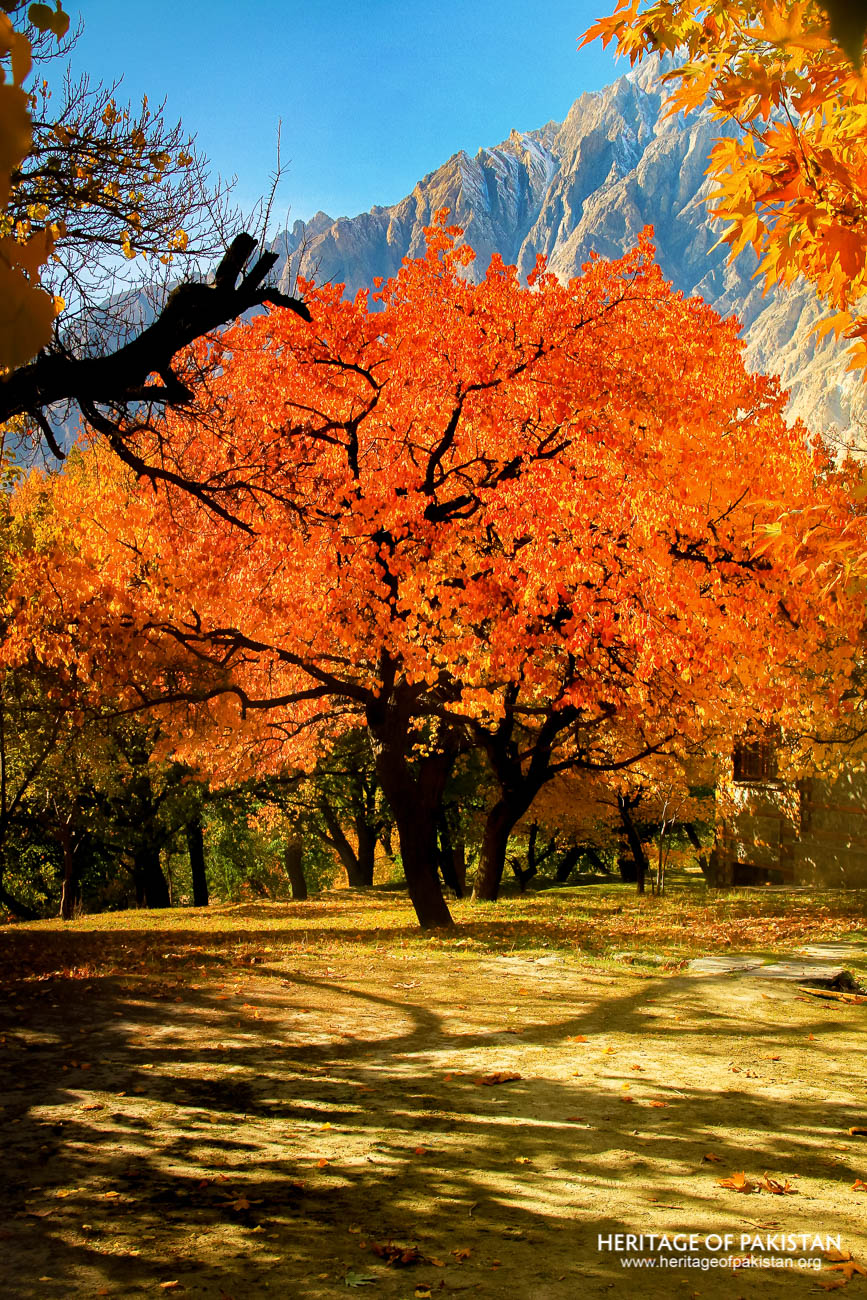
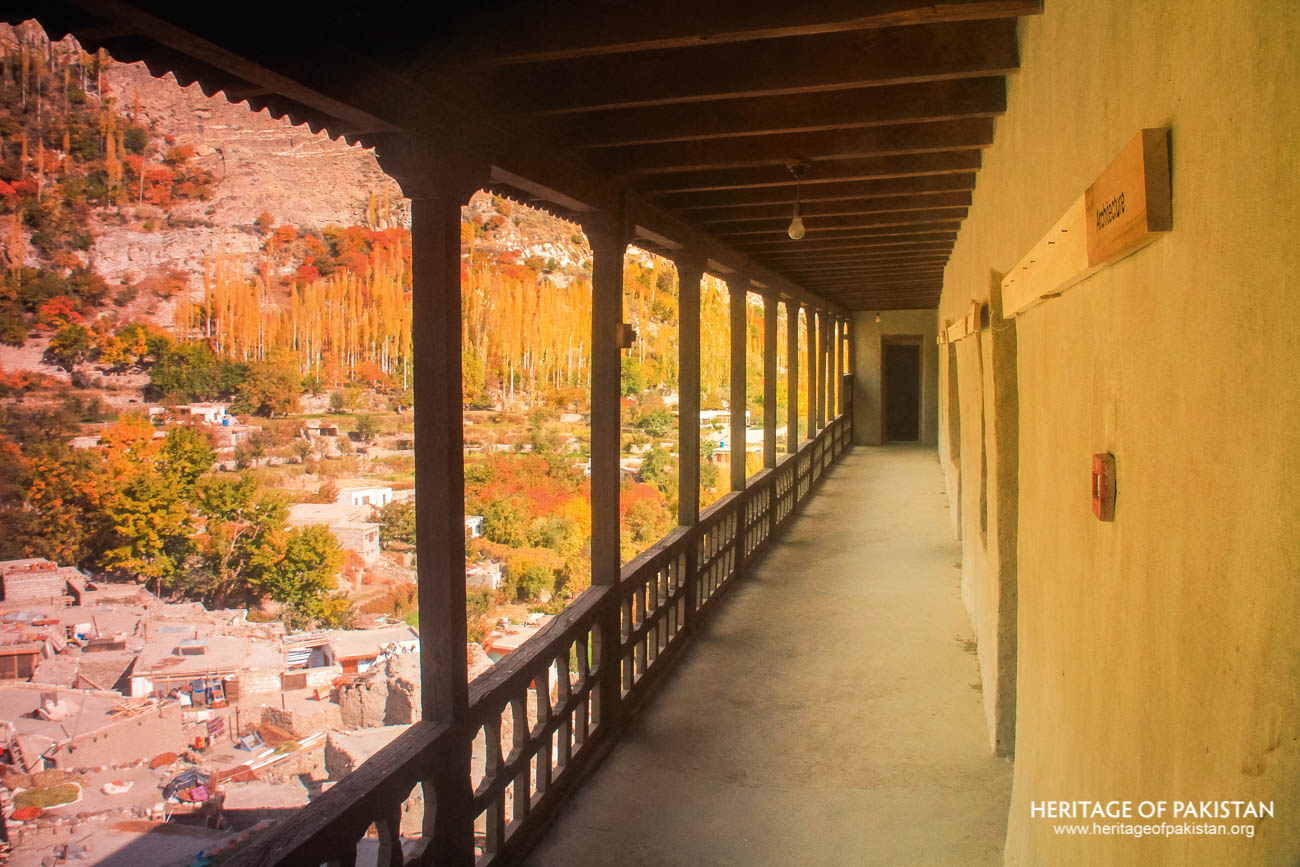
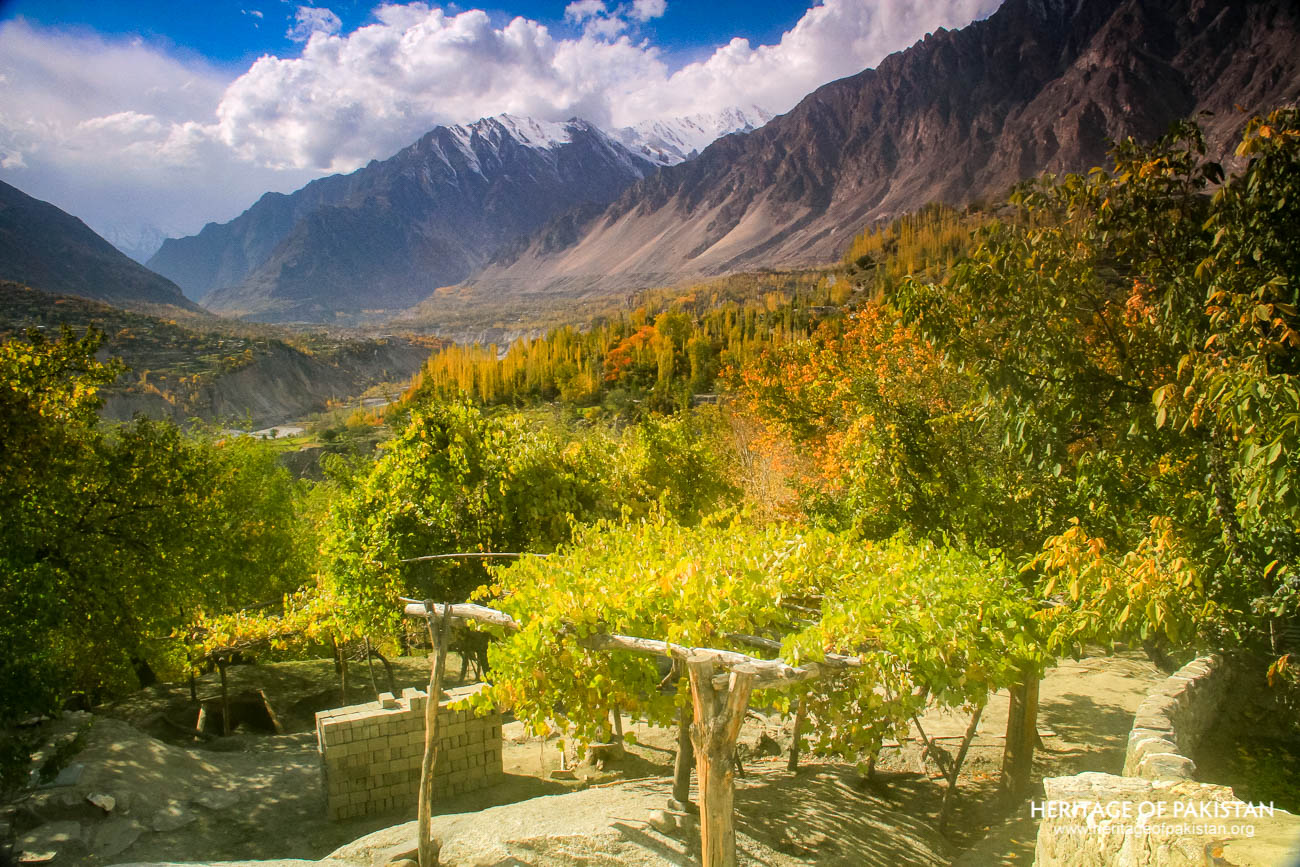
Altit Fort is a historic royal fortress located in the Hunza Valley of Gilgit-Baltistan. Positioned atop a large rock near the northern bank of the Hunza River, the fort overlooks the village of Altit. The rock not only serves as a natural pedestal for the structure but also offers a strong foundation and a commanding vantage point. Its location provides strategic advantages, with the river to the south forming a natural barrier and a sheer drop offering further defense. The fort’s placement allows panoramic views of the Hunza Valley, including Altit Village, Baltit Fort, Karimabad, and the surrounding mountains.
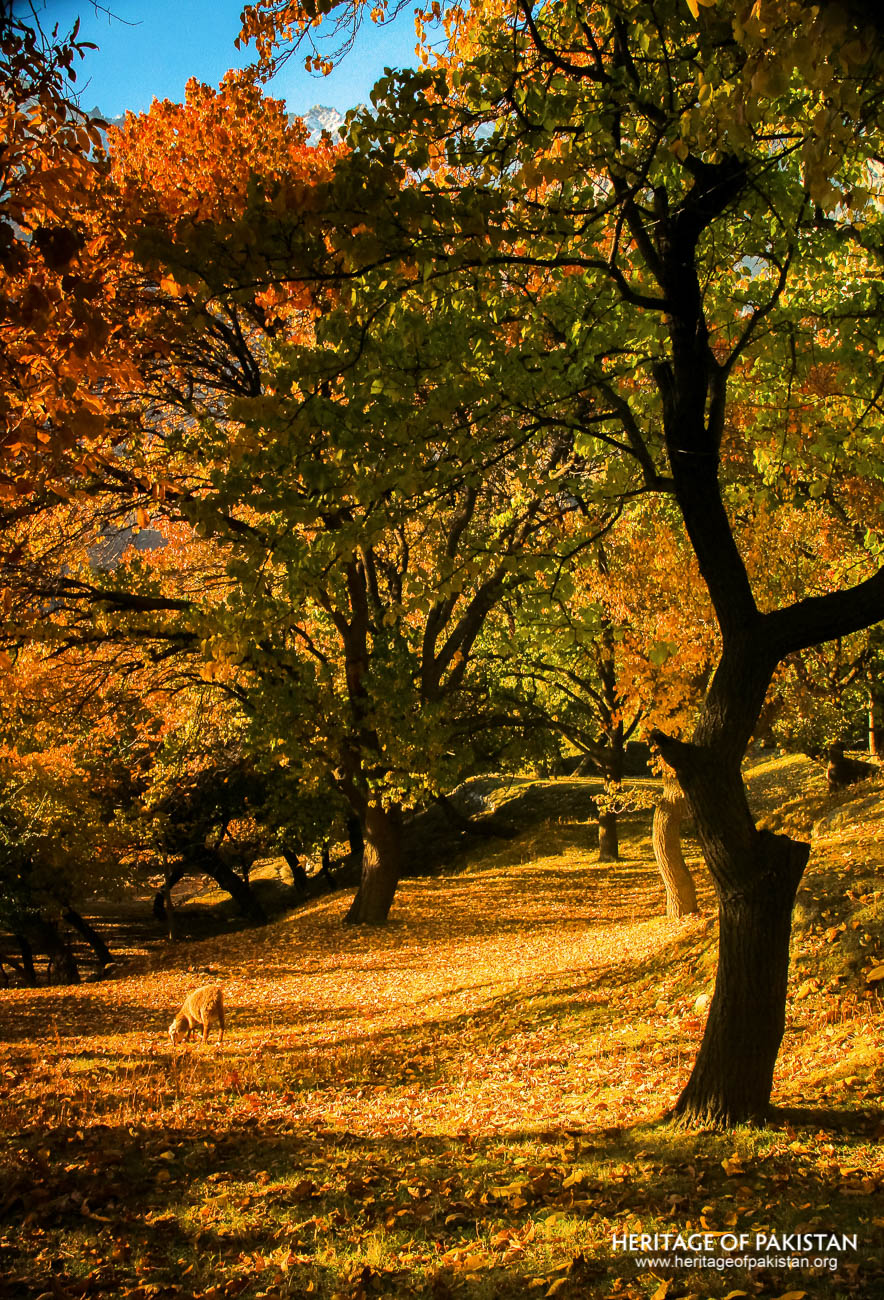
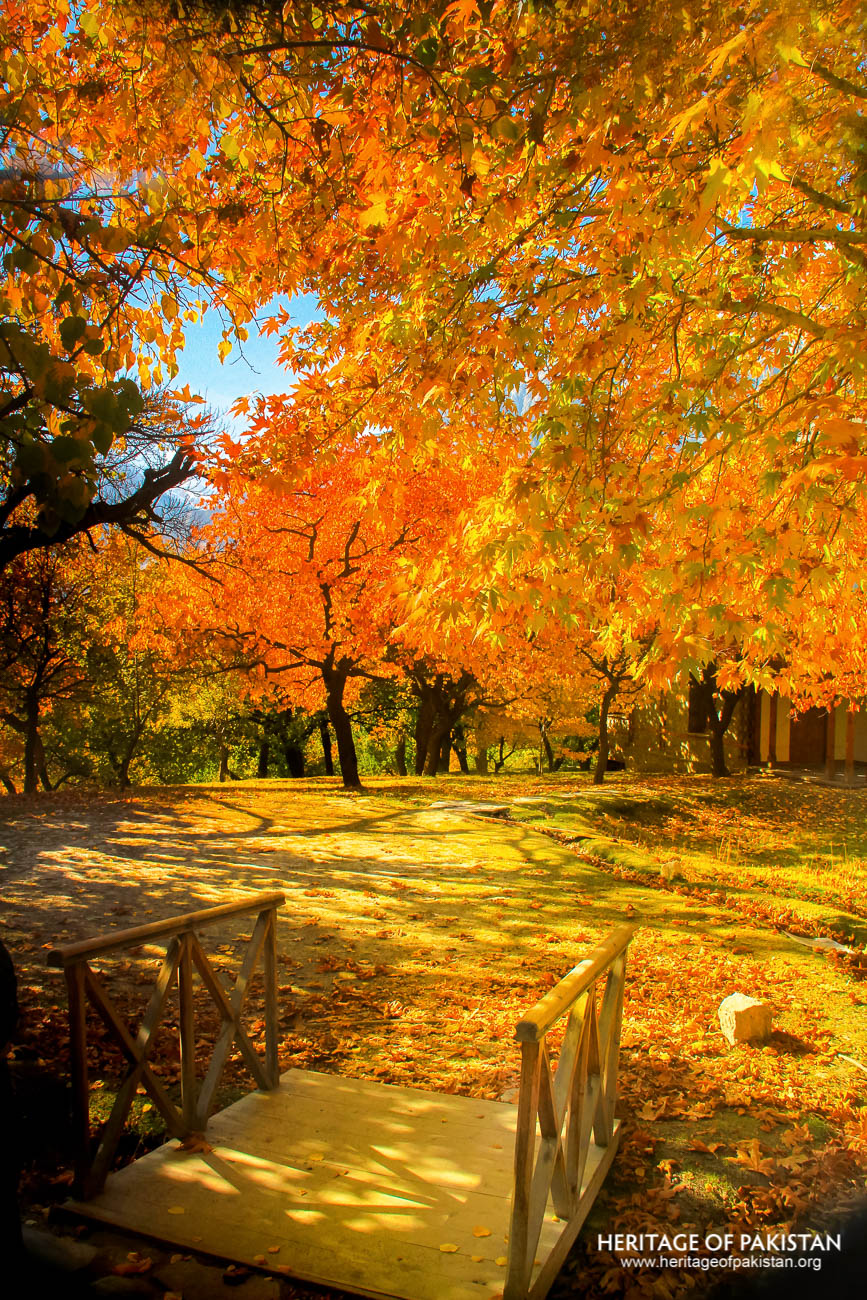
The approach to the fort is through a beautiful royal garden that is part of the original fort complex and was historically reserved for the royal family. This garden is especially admired during autumn when the orchard turns vibrant shades of yellow and orange. Access to the fort is via a series of steps that ascend the rock base. From the rock platform, ten additional steps lead to the main entrance, which faces northwest. The entrance and all windows and doors of the fort are made of carved wood, reflecting exquisite craftsmanship. In Altit Fort, the door frames begin about one or two feet above the ground, with the lower portion left plain.
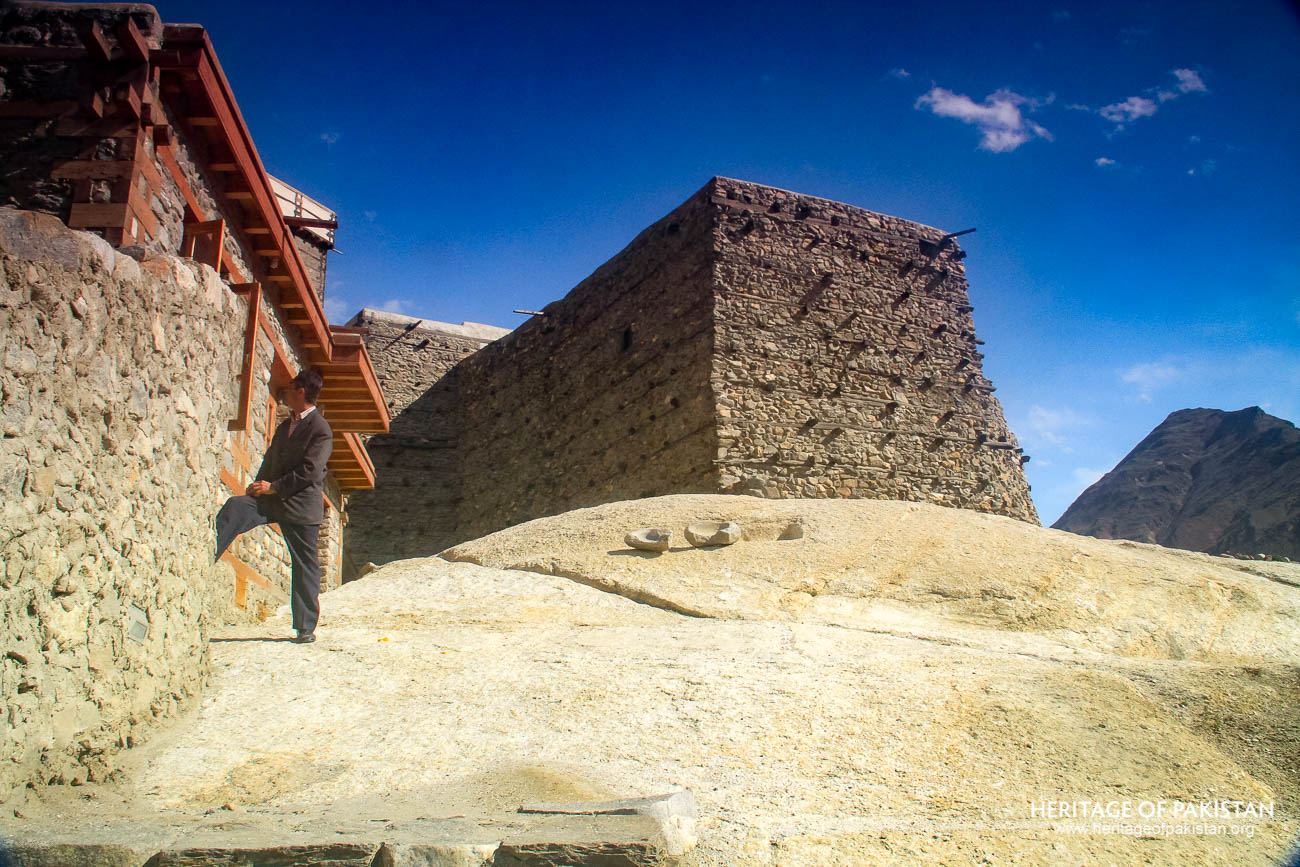
The upper section and horizontal wooden lintel are decorated with carvings, featuring geometric patterns, floral motifs, swastikas, diamonds, patterned lines, sun lotuses, and leaf designs.
The fort’s construction utilizes rough stone pebbles and rubble, bonded with mud mortar. Wooden beams interlace the stone masonry to create a structural technique known as cator cribbage construction. This traditional building method, common in northern Pakistan, is highly resistant to earthquakes and imparts a distinct aesthetic to the architecture. Similar techniques can be found in Baltit Fort, Shigar Fort, and Khaplu Fort. While the exterior walls remain unplastered—showcasing the wood and stone interlacing—the interior walls have been plastered.
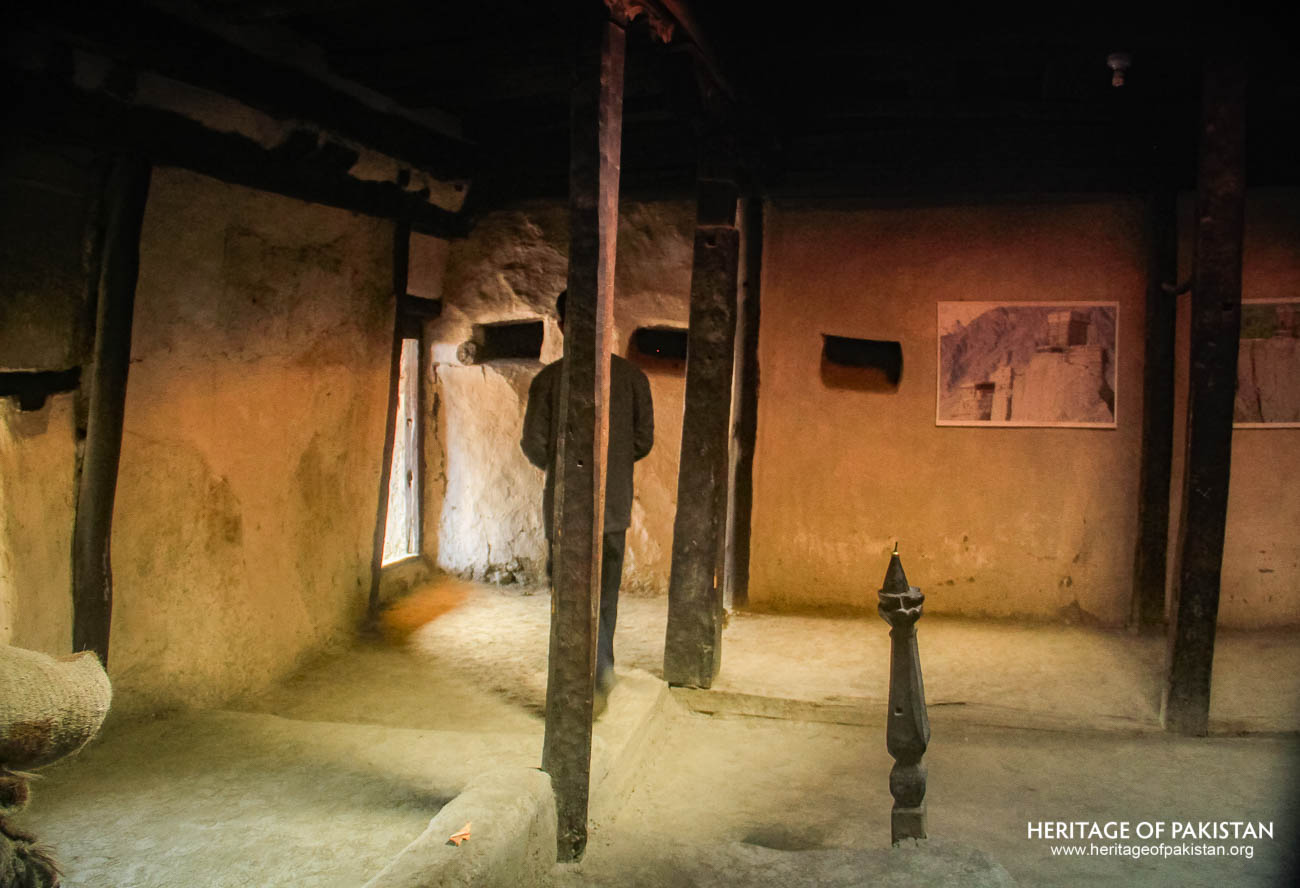
Altit Fort comprises four levels: the ground floor, first floor, second floor, and third floor. The ground floor features a storage and brewing cellar for Hunza water, a traditional local alcoholic beverage. This room contains equipment for grape crushing and fermentation vessels. A flight of steps leads from the cellar to the first floor, where a large traditional Hunza sitting room is located. This multipurpose hall serves both as a sitting and sleeping area and features a central fireplace. Sleeping berths and storage spaces are arranged around the room, which is supported by four elaborately carved wooden columns. The carvings include birds, leaves, geometric forms, and various vernacular and pre-Islamic motifs. Also on this level is the clerk’s or vazir’s hall, which includes a skylight, fireplace, and niches for storing books or registers.
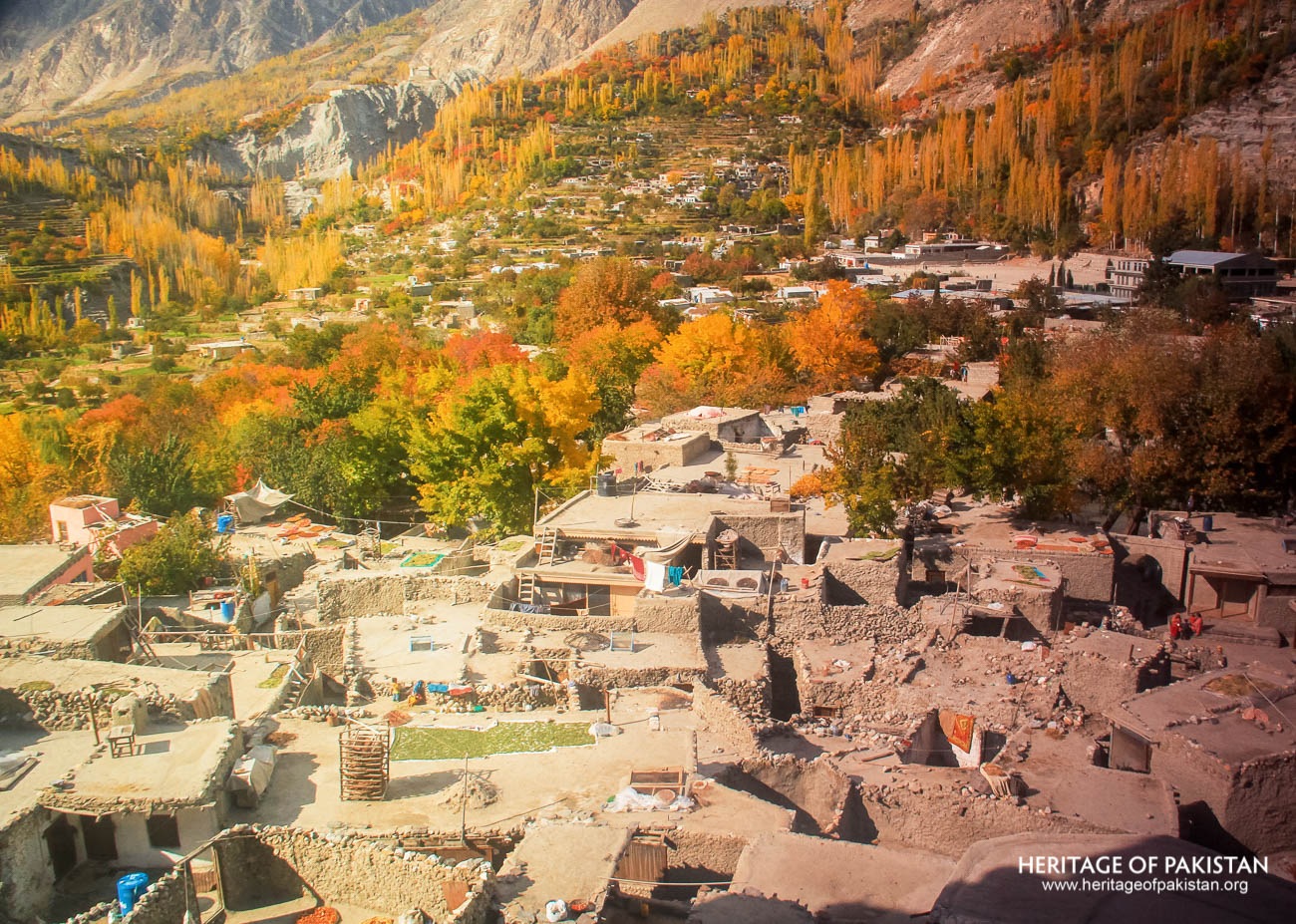
A passage leads to the second floor, which houses the Mir’s working room. It mirrors the layout of the hall below, with four wooden columns, a central fireplace, sleeping areas, a sitting space, and storage rooms. This floor also includes additional living rooms.
The third floor is open to the sky and features a hollow square watchtower at its center. There are also a storage room, a guards’ room, and a small mosque on this level. The mosque, named Bibi Ghoras or Bibi Gohar, includes a square prayer hall with a verandah on the eastern side, marked by two arched openings. The mehrab is shaped in an elongated trefoil arch, and the roof is capped with a pyramidal spire topped by a finial. A finial is a decorative architectural element placed at the apex of a structure like a spire or roof. The tower also includes an upper gallery for guards and watchmen, accessed through a door, and features two windows at the top.
Noted archaeologist Ahmad Hasan Dani has observed that although marble is present in the rock upon which Altit Fort is built, none was used in the fort’s construction. He suggests this may be due to the absence of skilled masons at the time who could have shaped and utilized marble effectively. Only rough stone and local materials were employed.
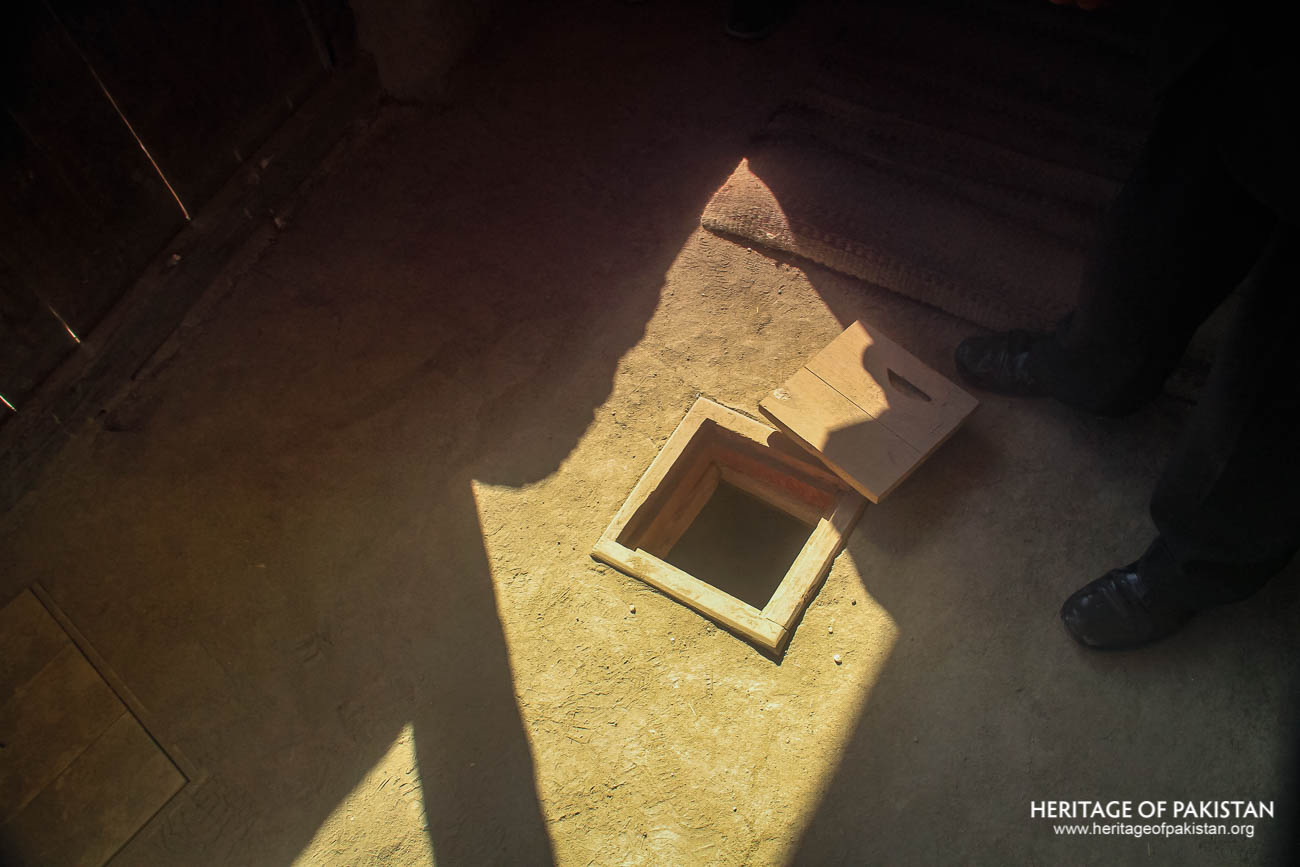
Altit Fort, through its unique blend of strategic location, structural ingenuity, and artistic craftsmanship, continues to stand as a significant example of traditional fort architecture in northern Pakistan.
All Photographs by Syed Noor Hussain and Sania Azhar.
All Rights Reserved. Photos may be used for Non-Commercial, Educational, Artistic, Research, Non-Profit & Academic purposes.
Commercial uses require licensing agreement.

Add a review