
Textarea
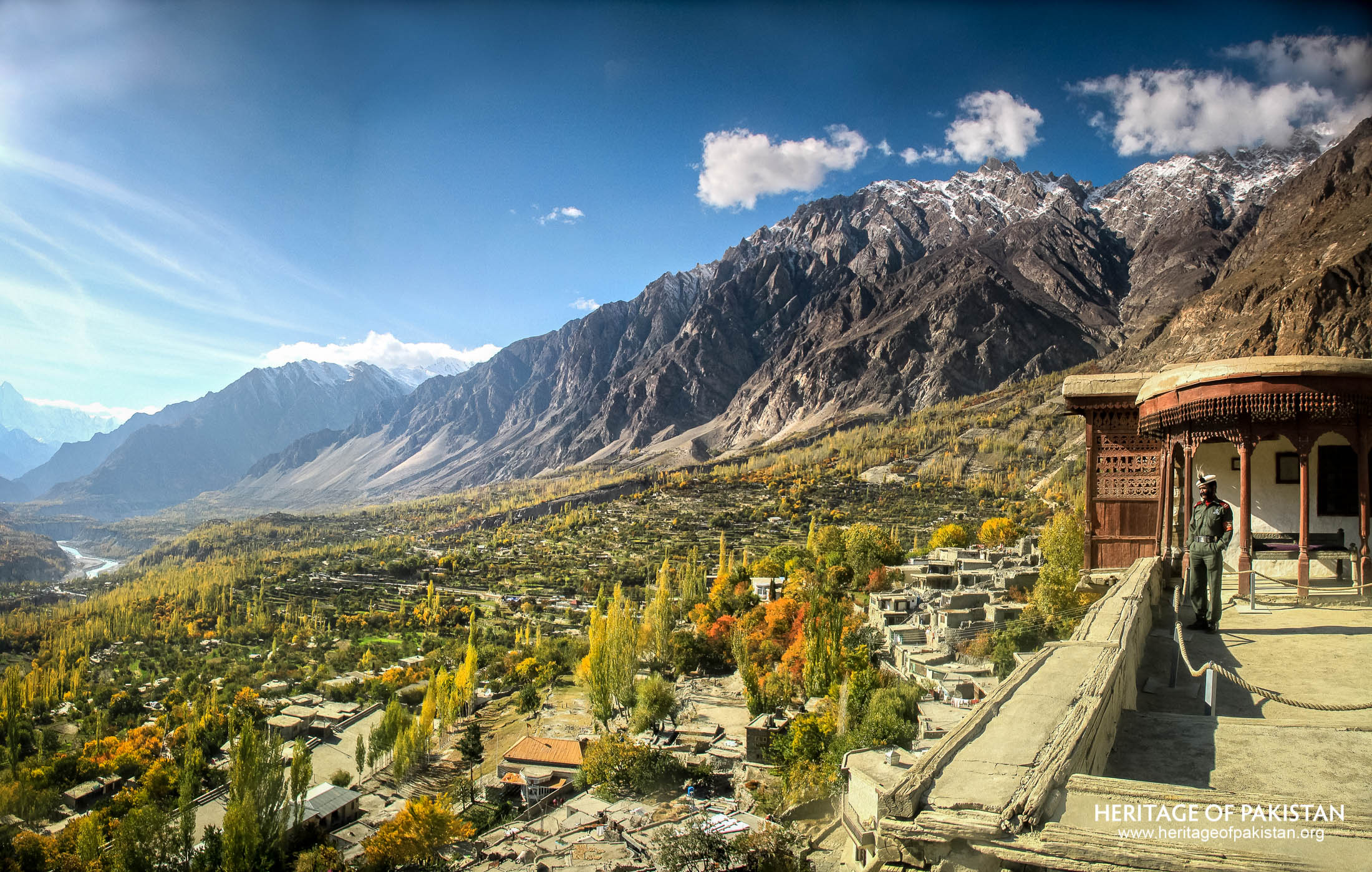
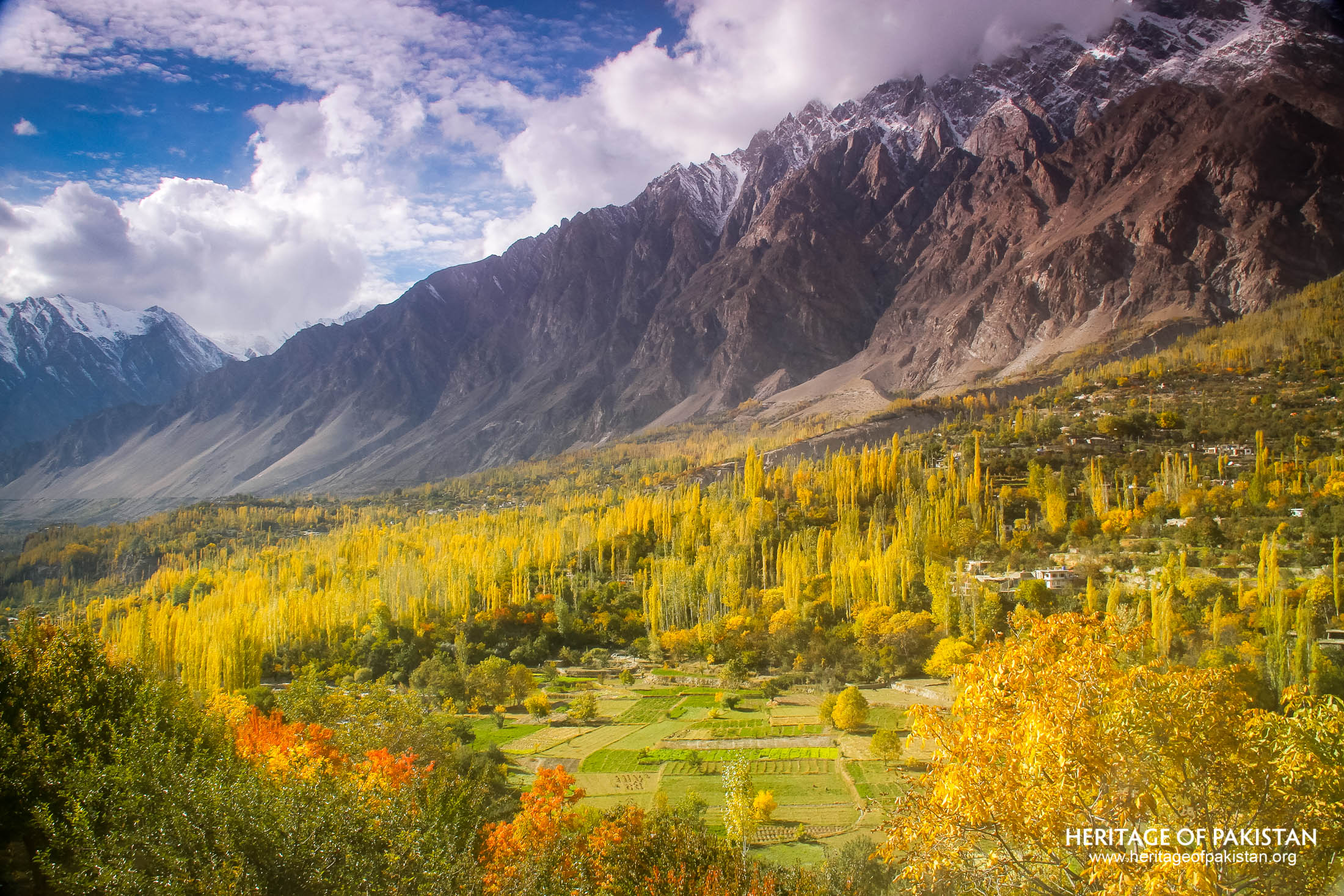
Hunza Valley is a high-altitude region in Gilgit-Baltistan, Pakistan, renowned for its breathtaking landscapes, historical depth, and cultural richness.
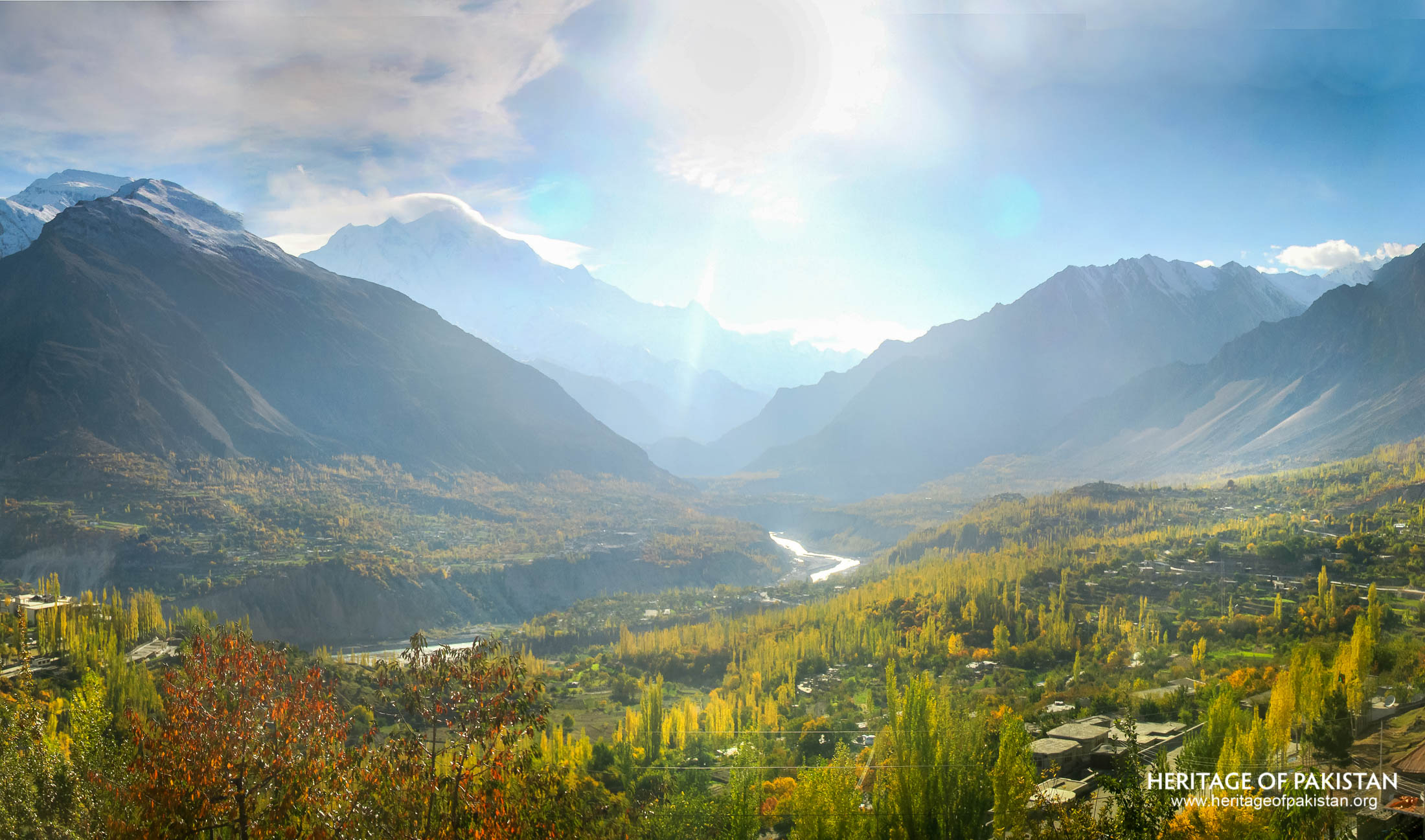
Located about 100 kilometers north of Gilgit and opposite the Nagar region, Hunza is divided into the tehsils of Aliabad (Lower Hunza) and Gojal (Upper Hunza).
The valley’s major settlements include Karimabad, Aliabad, Altit, and the ancient village of Ganesh, with the majestic Hunza River flowing through it.
Historically, Hunza lay on vital Central Asian trade routes and was once ruled by the Ayasho Dynasty from the 16th century until the state’s dissolution in 1974.
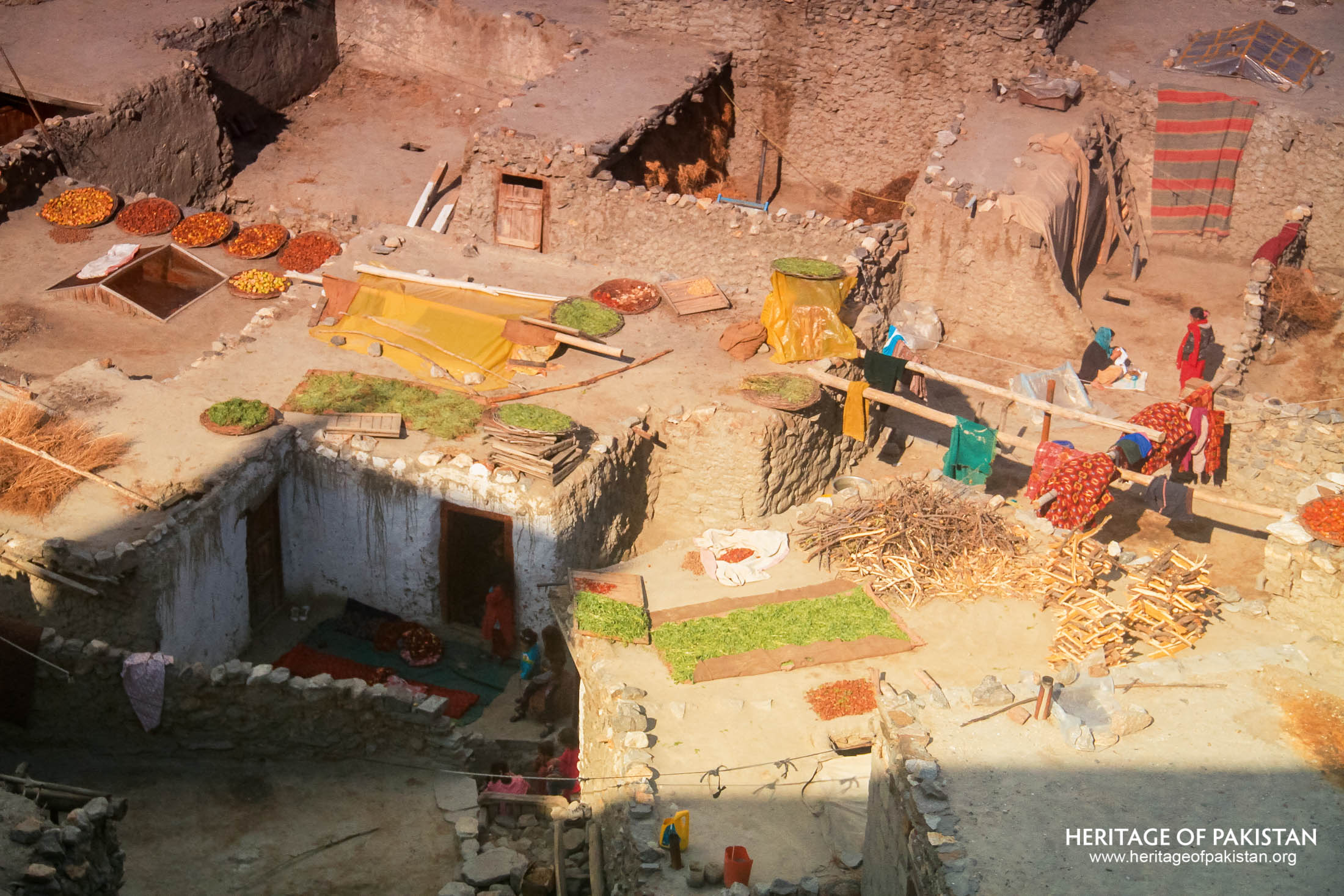
The people of Hunza are primarily Burusho (Yashkun) and Wakhi, speaking the unique Burushaski and Wakhi languages, with small Domaaki-speaking communities also present.
Archaeological evidence, including Kushan inscriptions at the Sacred Rock of Hunza, suggests the region’s importance during the Kushan Empire from the 1st to 3rd centuries AD.
Oral traditions trace the earliest settlers to Mughal Titam, a Tartar refugee, whose descendants formed the Diram Harai tribe that ruled under Gilgit’s Shah Raees family.
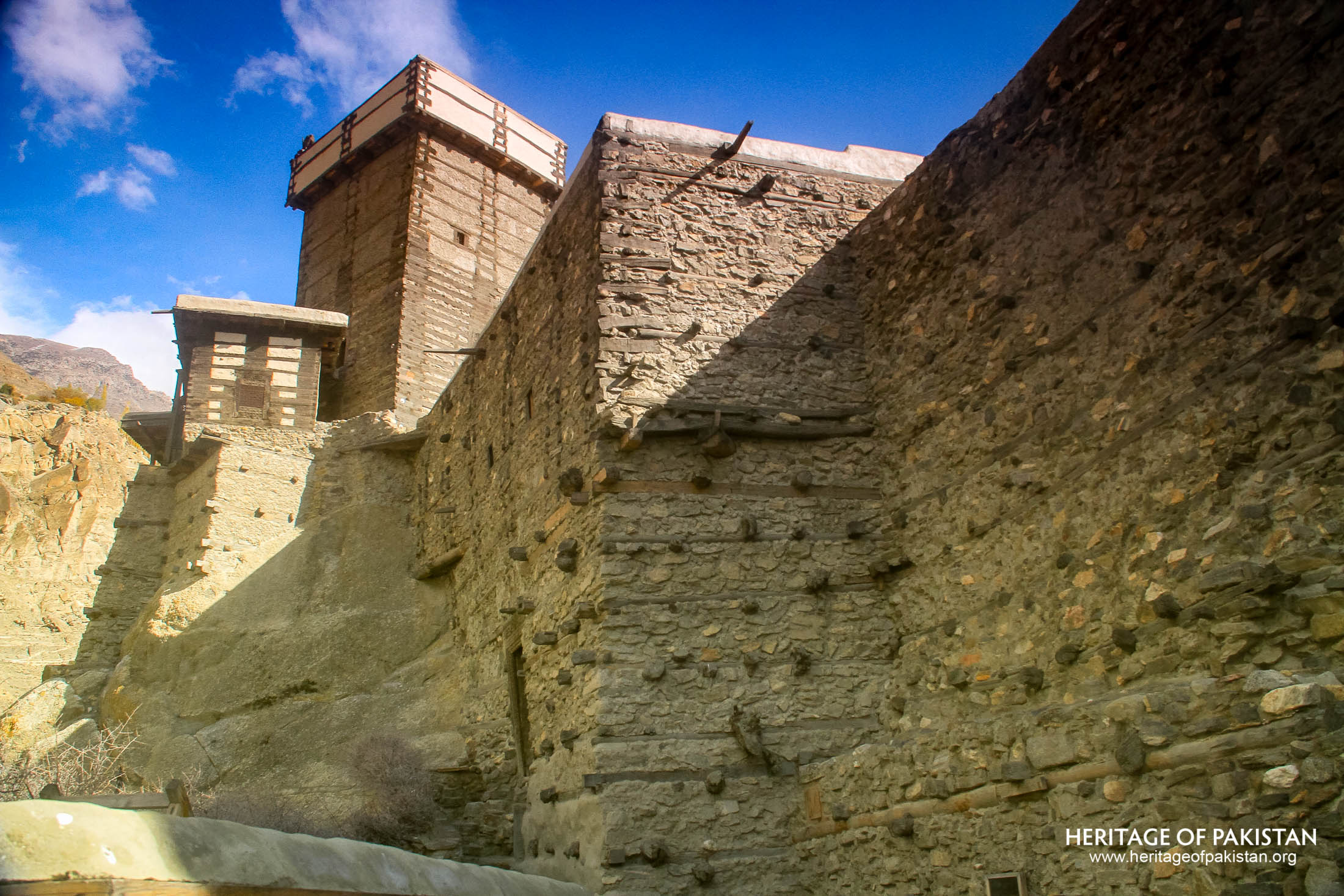
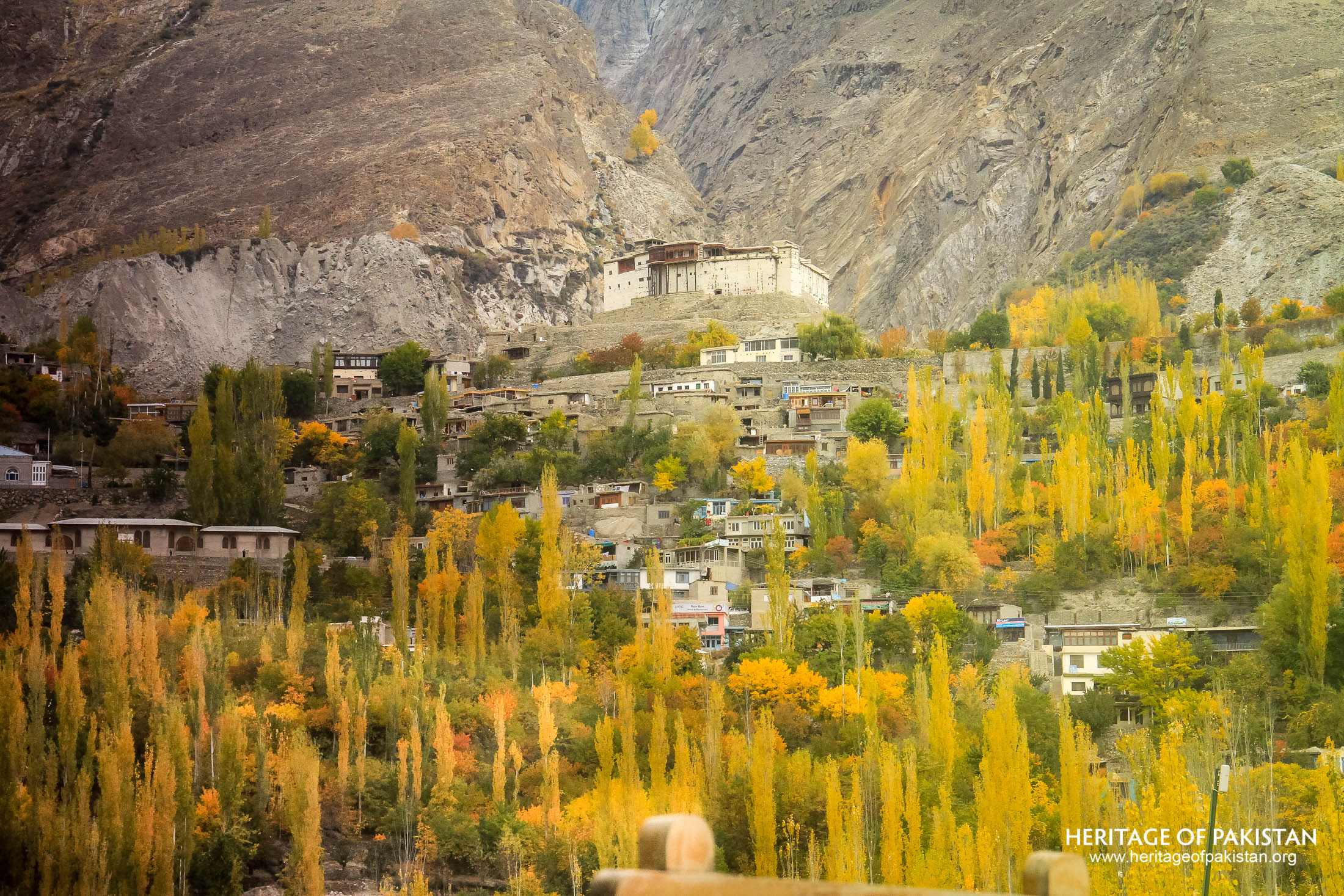
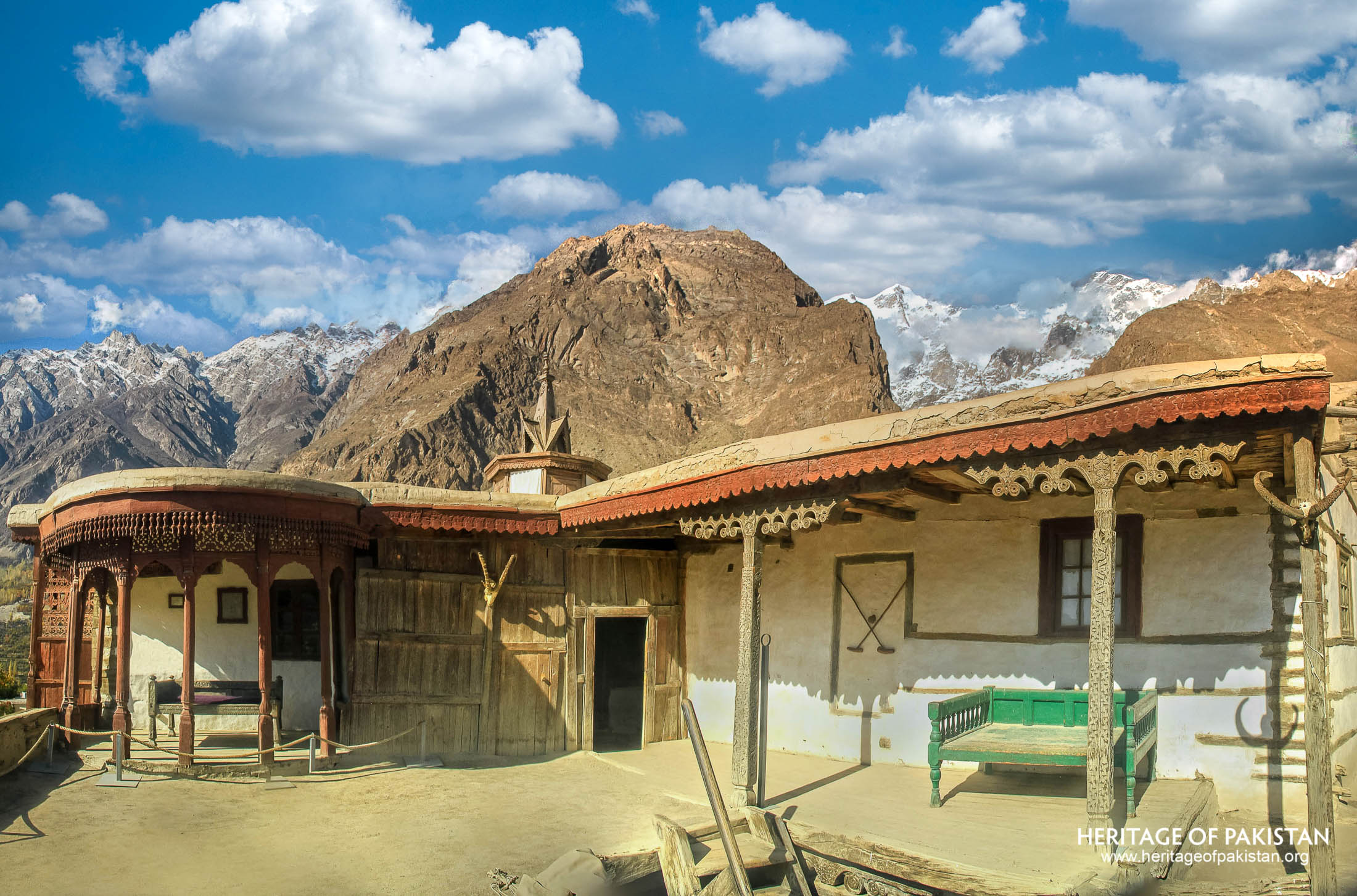
The iconic Baltit and Altit Forts, built with help from Baltistani artisans, showcase the region’s distinct Tibetan-Balti vernacular architecture.
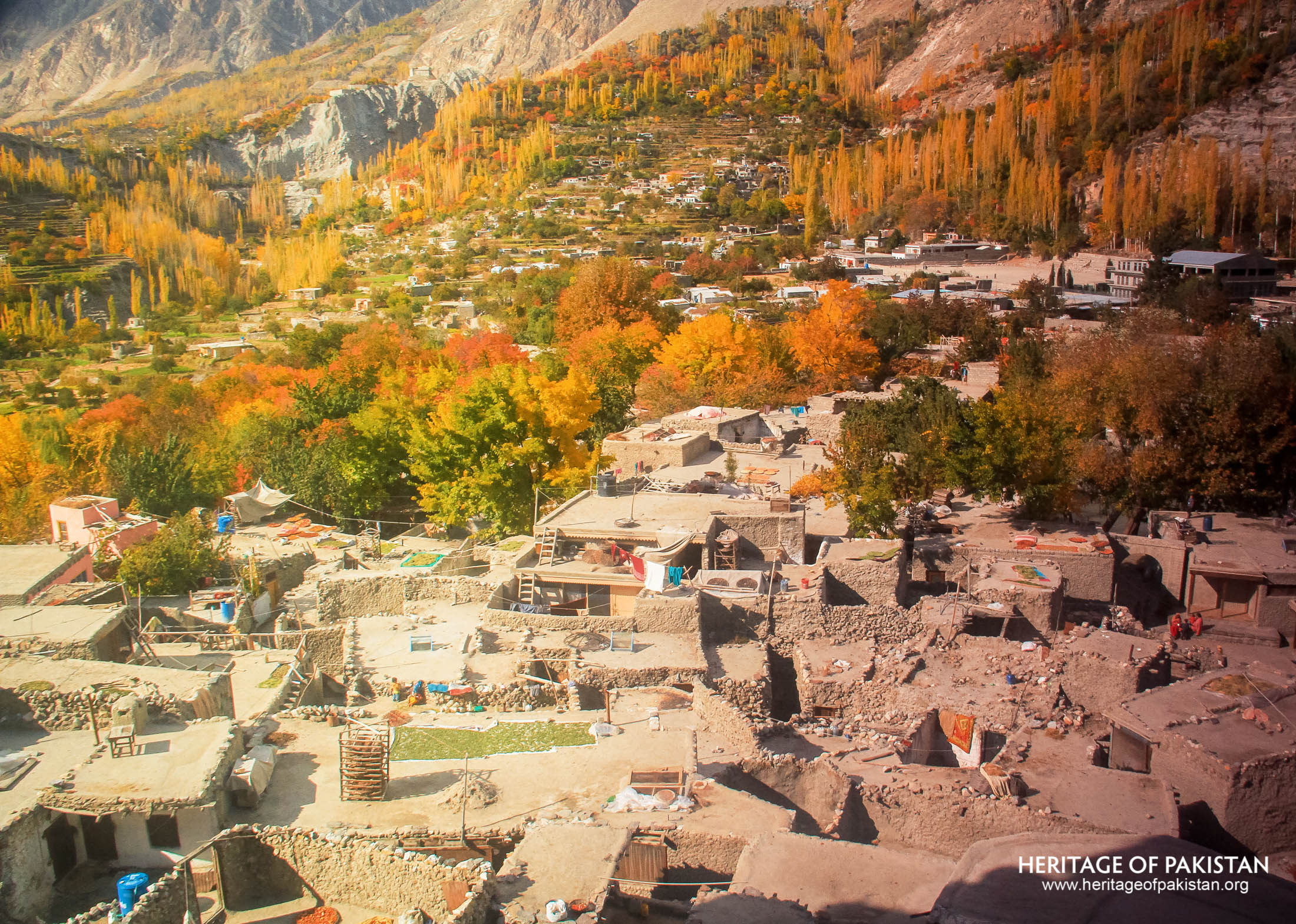
Religious transformation over centuries saw Hunza’s population shift from earlier beliefs to Shia Islam under Ayasho II, and later to Ismaili Islam in the 19th century.
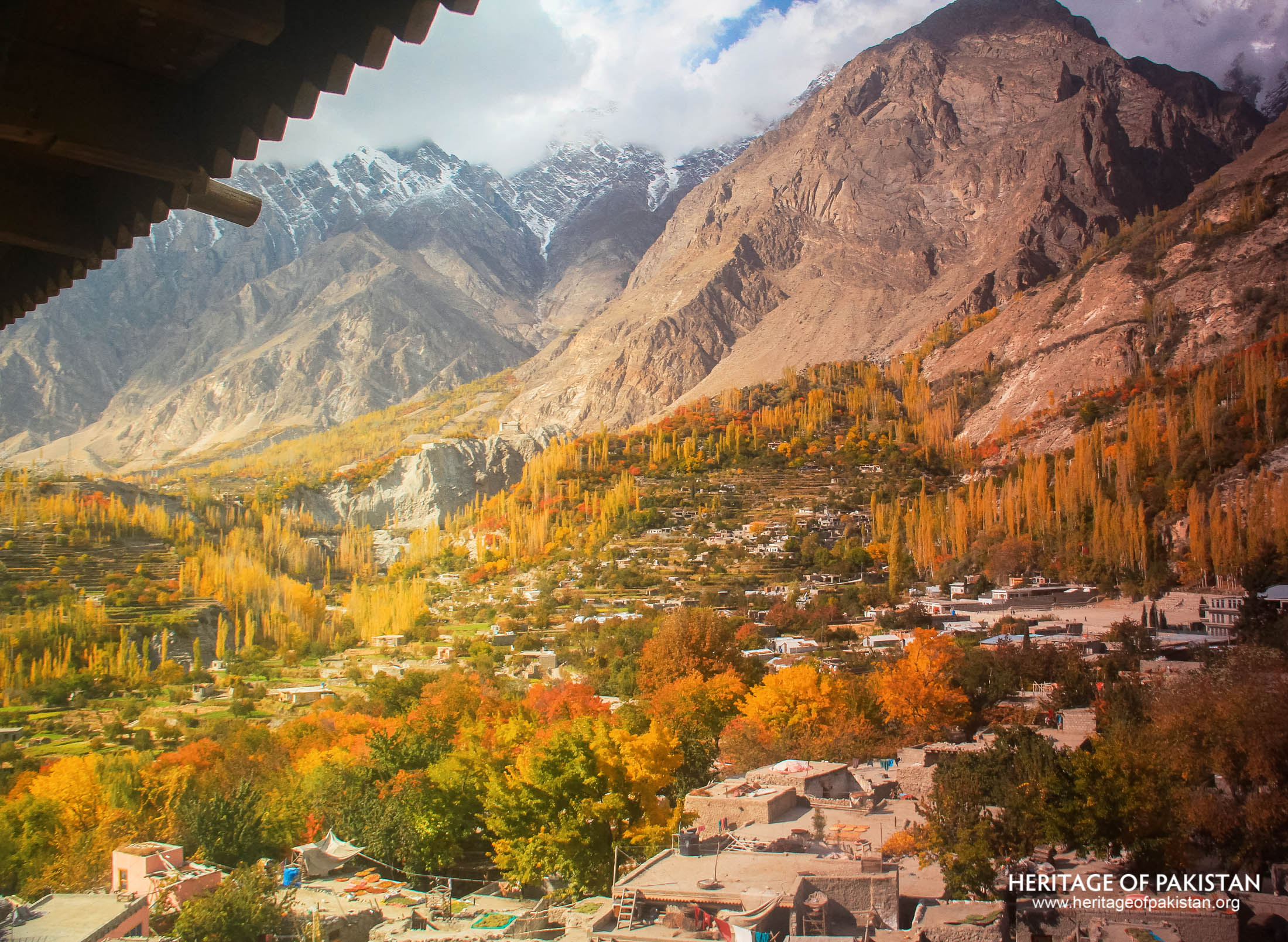
Today, Hunza remains a symbol of natural beauty and cultural heritage, drawing global attention for its unique language, architecture, and resilient history.
