
Did You Know?
To supply firewood during British occupation in 1891, trees from the Royal Garden were cut down
36°19'01.9"N 74°40'52.1"E
To supply firewood during British occupation in 1891, trees from the Royal Garden were cut down
The Best Time to Visit Gilgit Baltistan Region is Summers. Preferably from April to September. Winters are Extremely Cold and Snowfall blocks most of access. Hence Winters are not recommended.

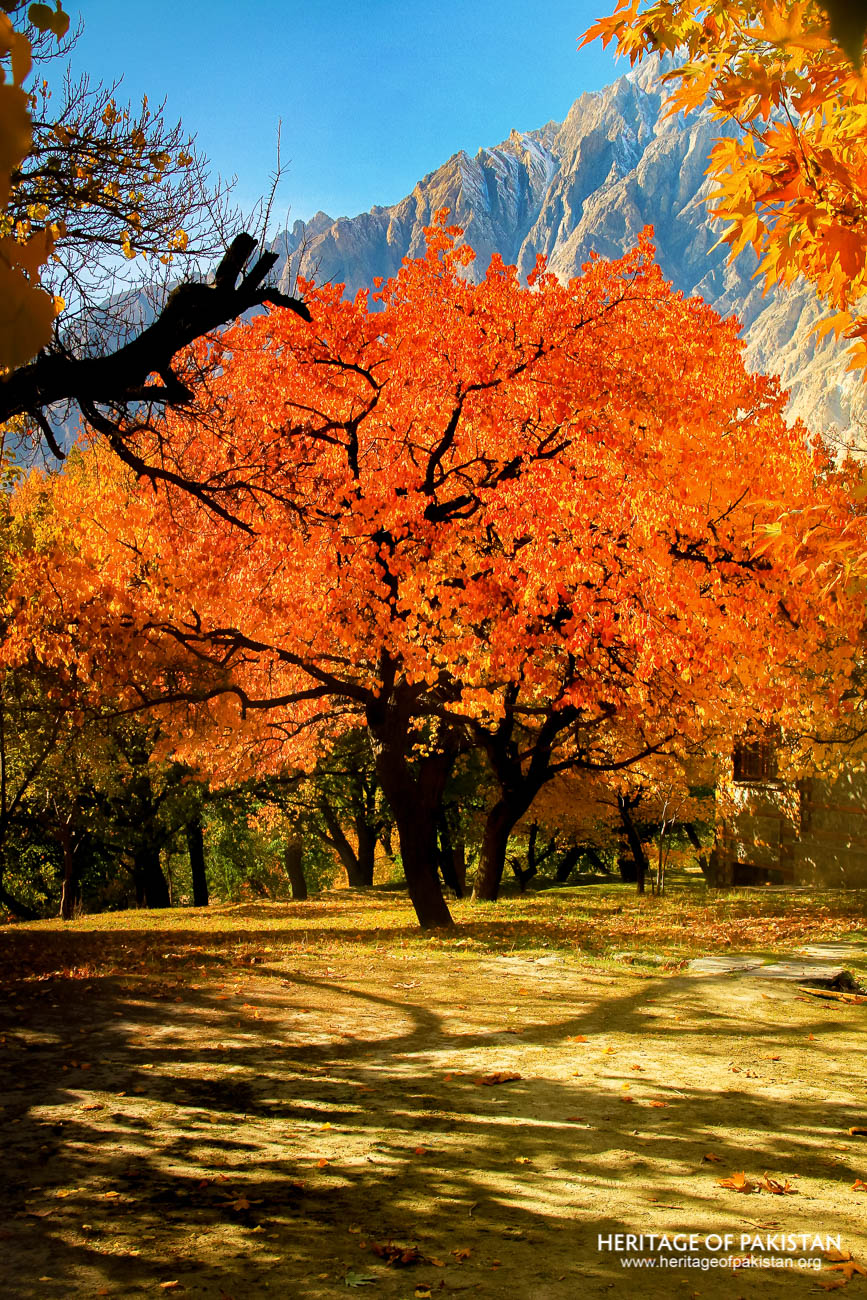
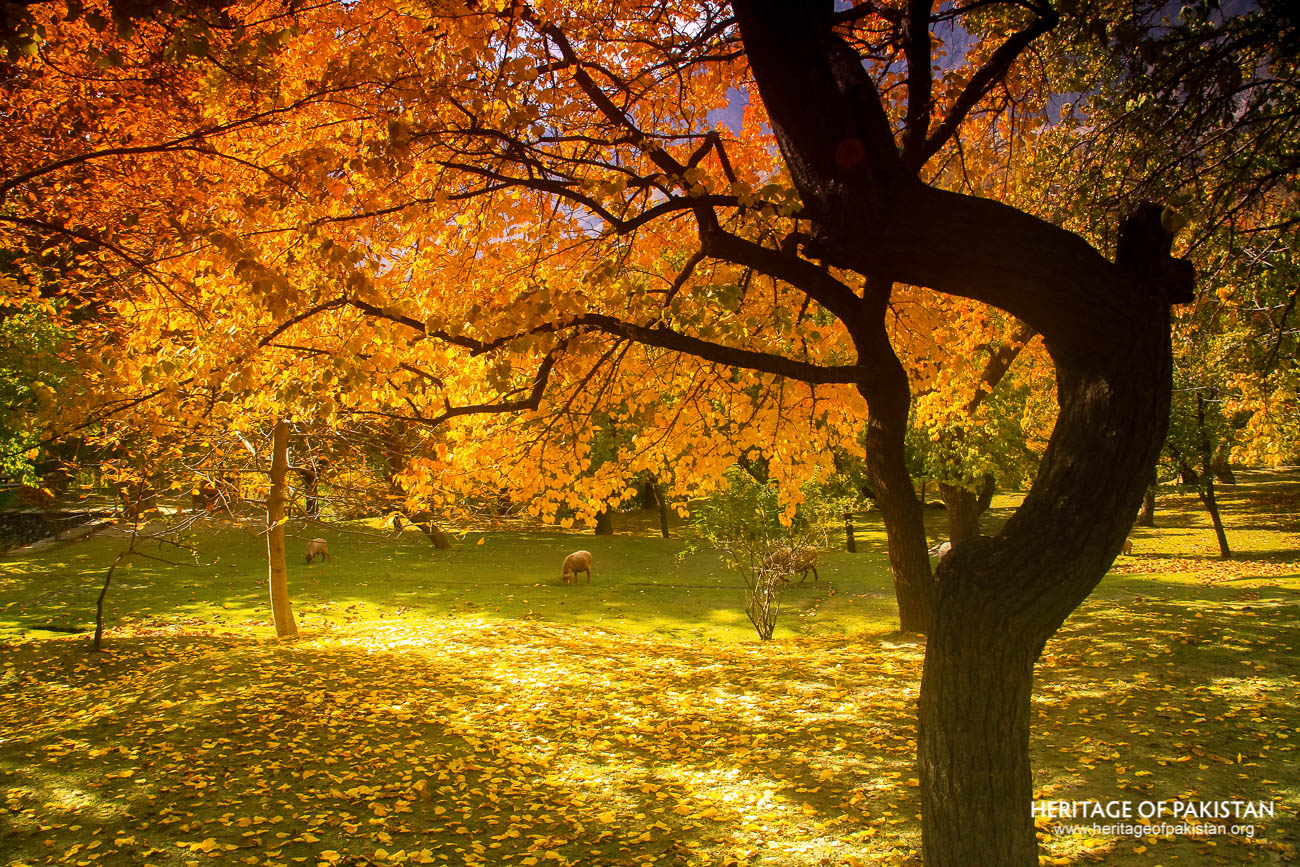
Altit Fort and the adjoining Royal Garden together form one of the most historically and architecturally significant sites in the Hunza Valley of Gilgit-Baltistan, Pakistan. Located on the western side of Altit Fort, the Royal Garden serves as a beautiful and vibrant entrance to the ancient structure. Spread over an area of approximately 13,000 square meters, the garden is especially captivating during the autumn season when it displays a spectacular palette of colors. It is home to fruit trees such as apricots, apples, and peaches. Near the garden lies the “Rani Pond,” a swimming pond historically reserved for the princesses of the Mir’s family, adding a layer of royal heritage to the landscape.
Altit Fort itself is perched on a high rocky cliff overlooking the Hunza River. It is believed to be the oldest surviving fort in the region, dating back over 700 years. The fort is located in the ancient settlement of Altit, from which it derives its name. According to oral traditions, the fort’s significant development occurred during the 15th century when Shah Khatoon, a princess from Baltistan, married Ayasho II, a prince of the Hunza ruling dynasty. As part of her dowry, she brought with her a group of skilled Balti artisans who carried out the renovation and strengthening of the fort. These craftsmen introduced Tibetan-influenced architectural elements that are still visible in the intricate wooden carvings, stone masonry, and beam interlacing.
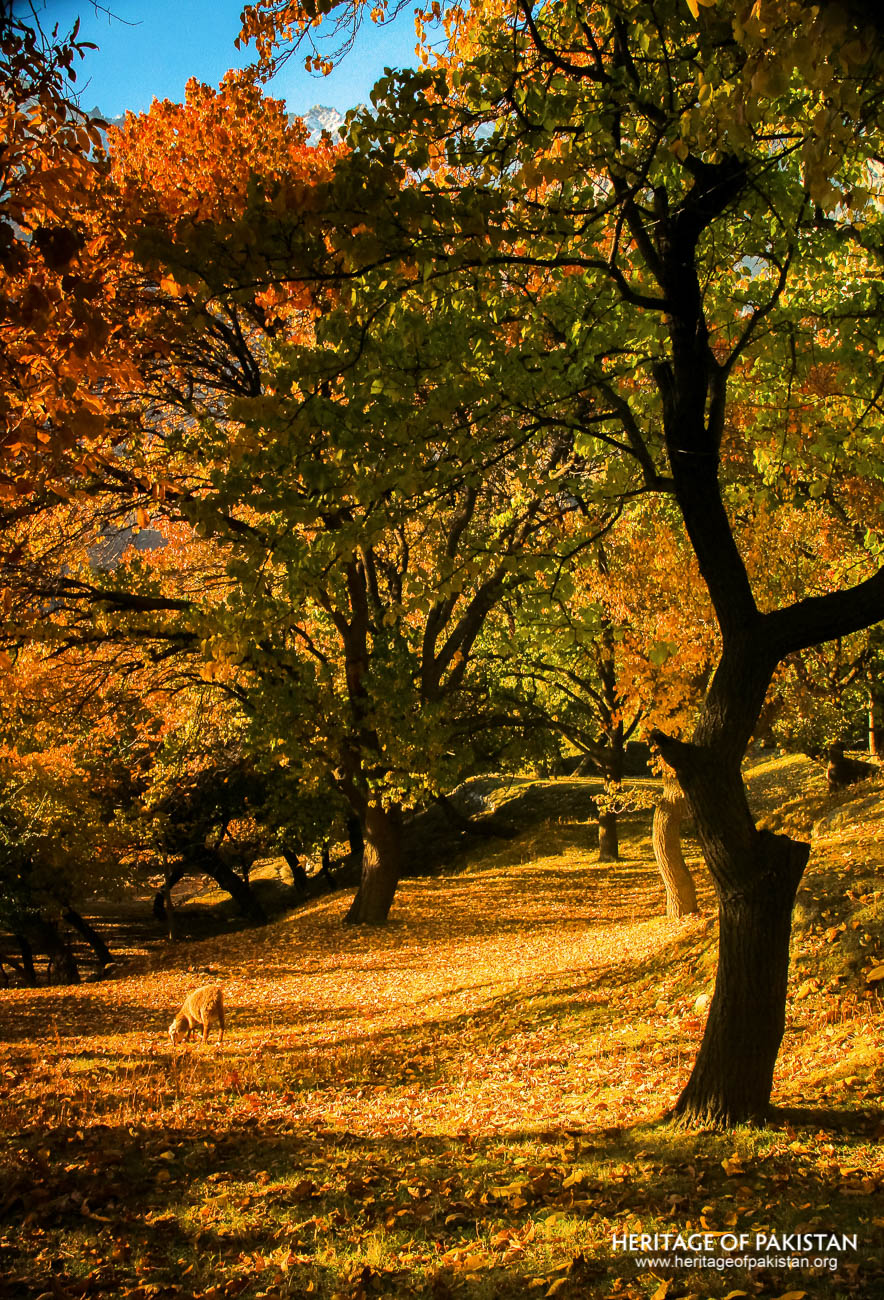
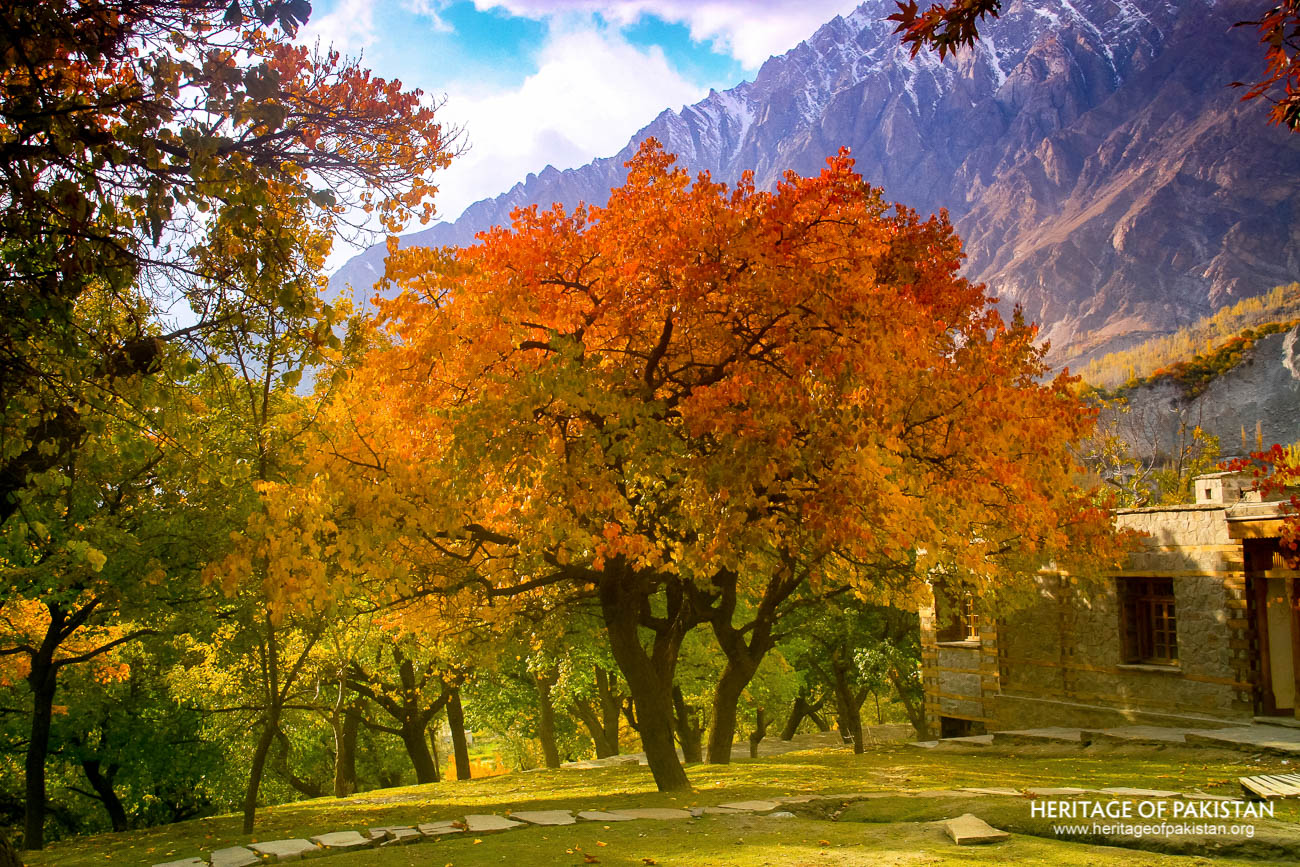
Constructed using the traditional cator and cribbage technique, which involves the interlocking of wooden beams with stone, the fort stands as a testament to indigenous engineering practices suited for seismic resilience. The materials used include local timber, mud mortar, and stone, creating a structure that blends organically into the surrounding landscape. The high elevation and the sheer drop to the Hunza River below provide both aesthetic appeal and defensive advantages.
The fort's interior comprises several notable spaces: a watchtower for security, a communal living hall, a clerical office, a traditional brewing cellar for Hunza water (a local alcoholic beverage), and a mosque known as Bibi Ghoras. The mosque features a wooden spire and contains Persian-script inscriptions dating back to 1550 AD. One of the fort's distinguishing features is how its foundation appears to emerge directly from the living rock, symbolizing a deep integration with the natural terrain. From its northwestern entrance, one can enjoy panoramic views of the Hunza Valley, including Altit village, Baltit Fort, and the snow-capped peaks in the distance.
Altit Fort originally served as the residence and administrative seat of the Mirs (rulers) of Hunza. However, the royal family later moved to the nearby Baltit Fort. The Royal Garden, associated closely with the fort, has played an important role throughout history. A notable story recorded by Qudratullah Beg tells of Barak, an advisor to Mir Salim Khan in the early 1800s. In a metaphorical warning to the Mir, Barak cautioned in court that wild plants were overtaking the fruit orchards. Misinterpreting this, the Mir ordered the pruning of the actual trees. Barak later clarified that his warning referred to corrupt elements in the court, not the orchard itself.
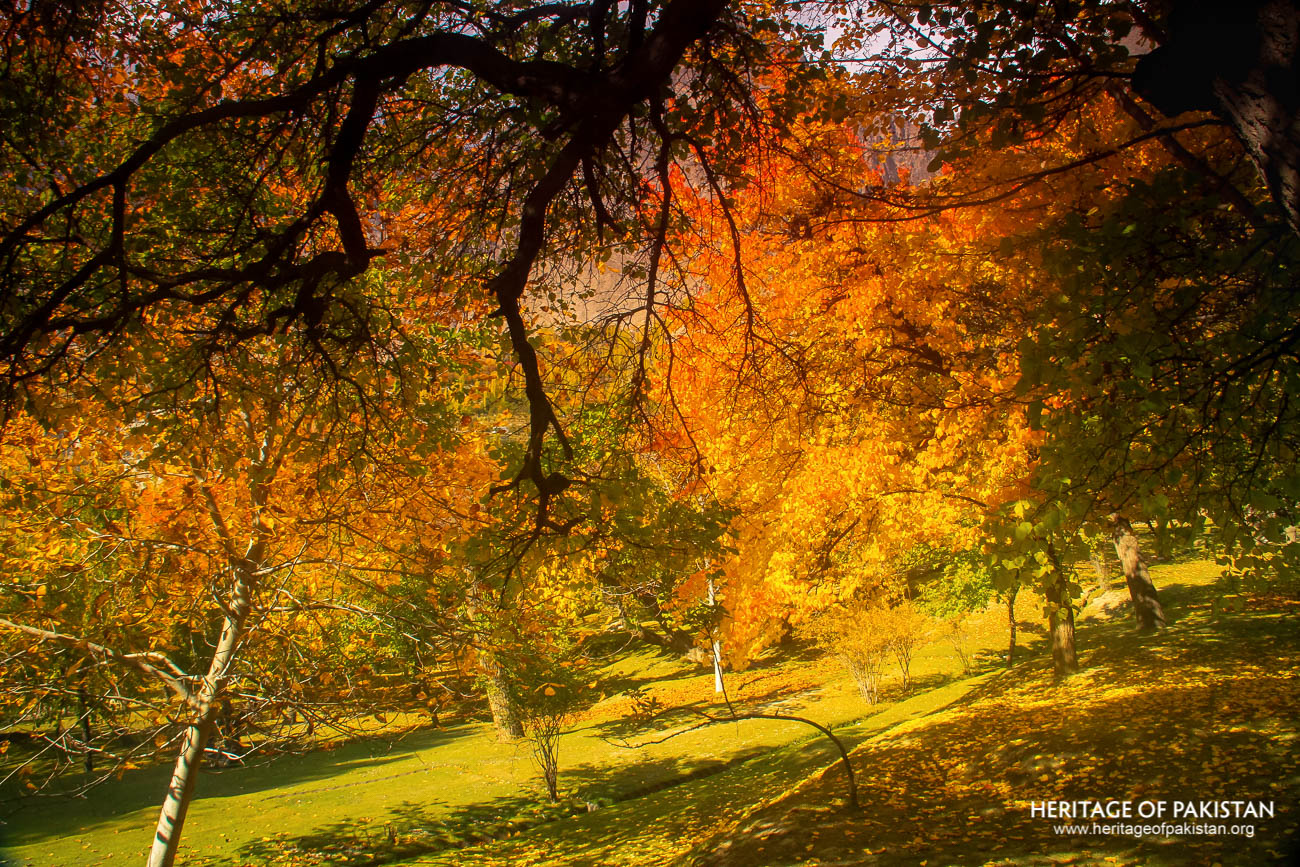
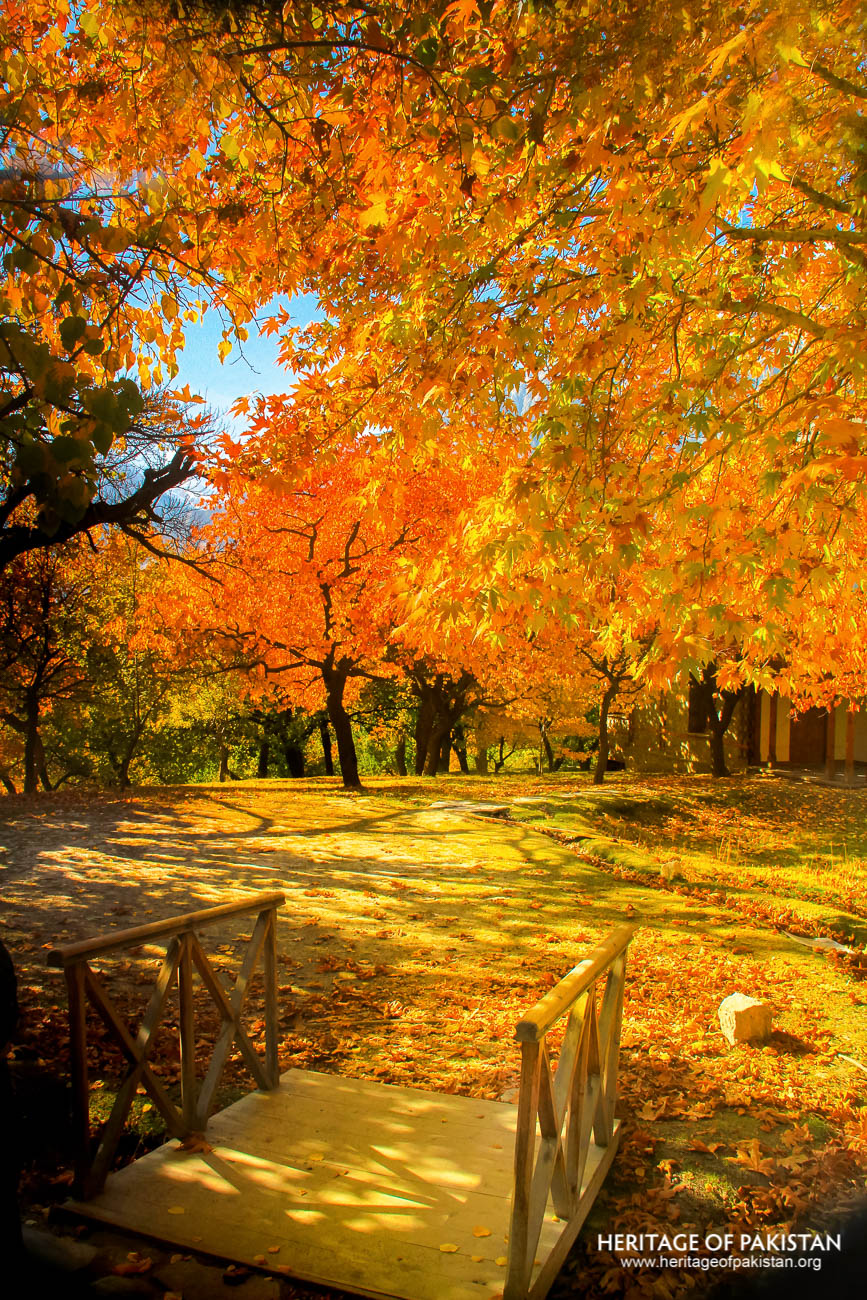
Following the British conquest of Hunza during the 1891 Hunza-Nagar Campaign, another critical episode unfolded. British officers, having taken control of the region, demanded the provision of firewood and supplies for their occupation troops. Muhammad Reza Beg, a key figure and representative of the Hunza people during this turbulent period, managed the entire responsibility without burdening the general populace. He met the British demands by cutting down fruit and non-fruit trees from the orchards and gardens of the Mir, both at Altit and Baltit.
In the early 2000s, after decades of neglect, Altit Fort underwent major restoration under the supervision of the Aga Khan Trust for Culture. The restoration aimed to preserve the fort’s original architecture while ensuring structural stability. The site was subsequently opened to the public as a cultural museum and heritage destination. The revival project extended to the Royal Garden as well, which saw the establishment of tourist-friendly facilities.
One such facility is the Khabasi Café, a wooden structure built in the Royal Garden that serves traditional Hunza cuisine. The menu includes local dishes such as Dawdo soup (made with fresh noodles and mutton), Burustz Berikutz (a layered bread dish with cheese, apricot kernel oil, mint, and spring onions), Chap Shuro (meat-filled bread), Hoi Garma (spinach with noodles), and Tumuro Chai (herbal tea). This café is operated by local women who were once part of the Women Social Enterprise (WSE), an initiative set up during the time of the fort’s restoration with the support of the Aga Khan Cultural Service Pakistan (AKCSP) and its partner development organizations.
Altit Fort and its Royal Garden thus encapsulate the rich heritage of Hunza Valley, combining architectural mastery, historical legacy, and cultural preservation. The site stands not just as a symbol of past glory, but also as a model of community-led conservation and sustainable tourism in the region.
All Photographs by Syed Noor Hussain and Sania Azhar.
All Rights Reserved. Photos may be used for Non-Commercial, Educational, Artistic, Research, Non-Profit & Academic purposes.
Commercial uses require licensing agreement.

Add a review