
Textarea
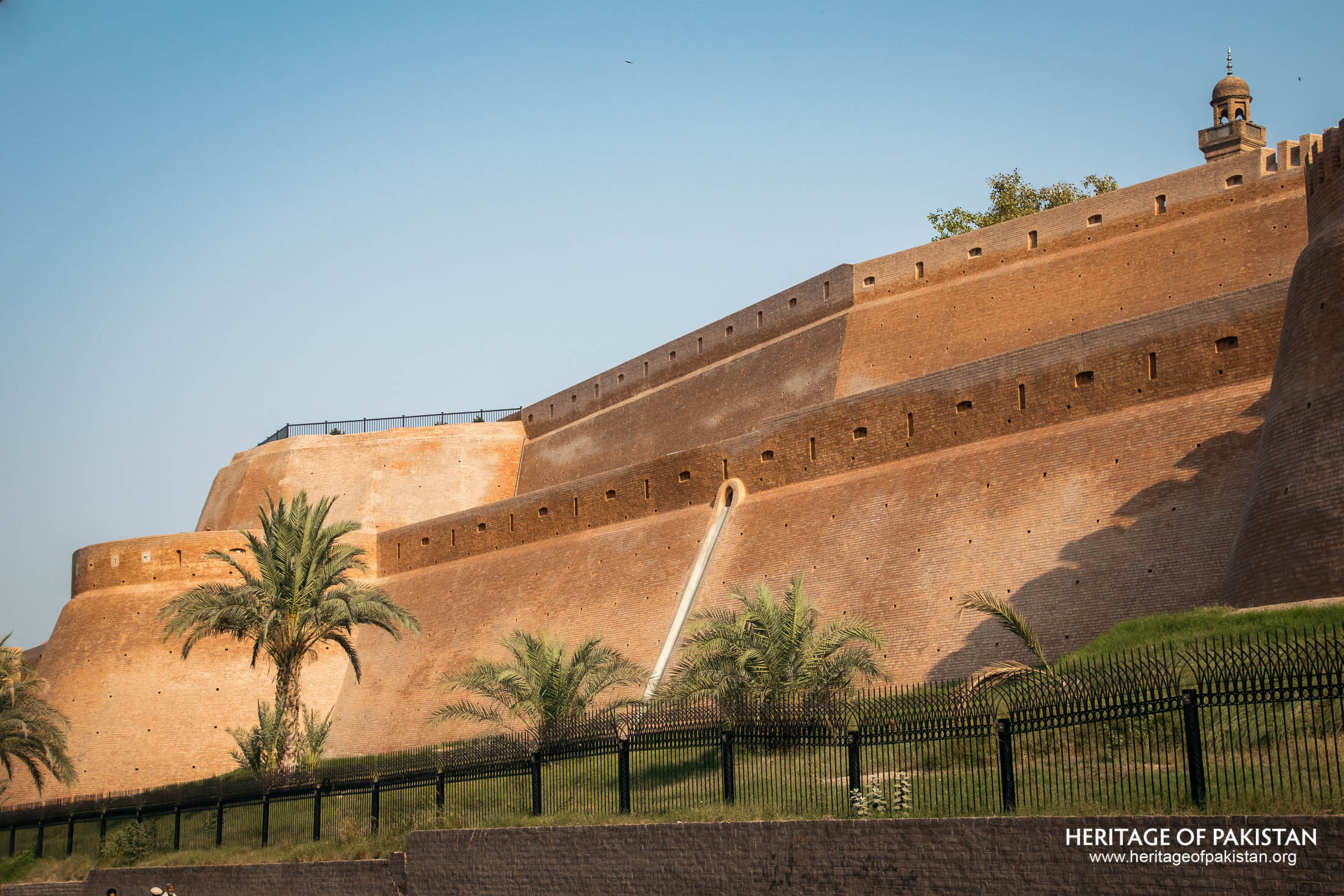
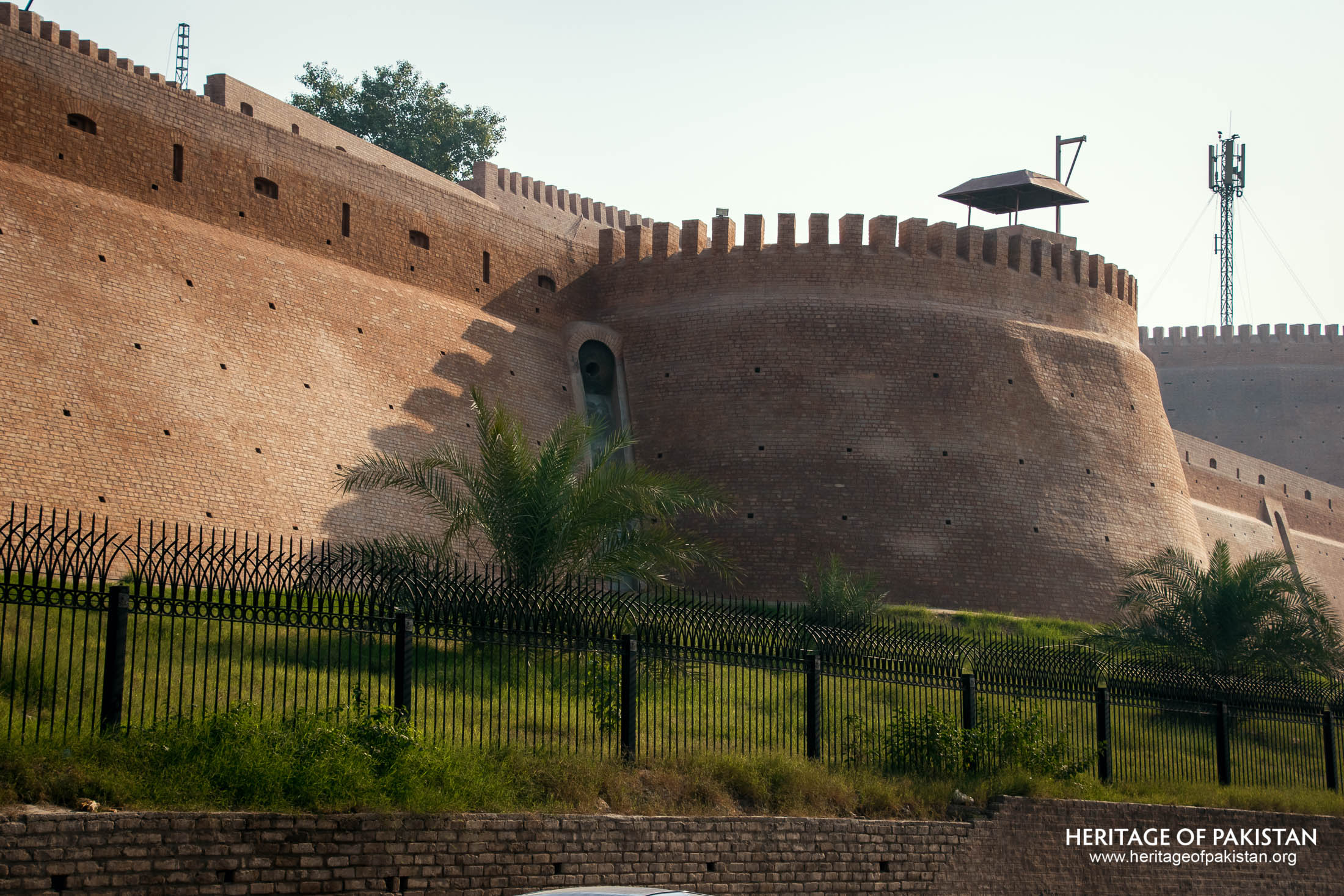
Bala Hisar Fort is a historic stronghold located on a prominent hillock on the northwestern edge of Peshawar’s Old Walled City.
The name "Bala Hisar" means "High Stronghold," and similar forts with the same name exist in places like Charsadda and Kabul, due to their elevated positions.
According to Chinese pilgrim Hiuen Tsang, a fortified royal palace existed at this location, suggesting the fort's existence even before the Mughal period.
It was here that Hindu Shahi king Raja Jaipal commanded his army against Mahmud Ghaznavi, only to be defeated after an attempted retreat.
The Mughal emperor Babar strengthened the existing fort structure in 1526, but according to Tuzuk-e-Babri and Ahmad Hassan Dani, he did not found it.
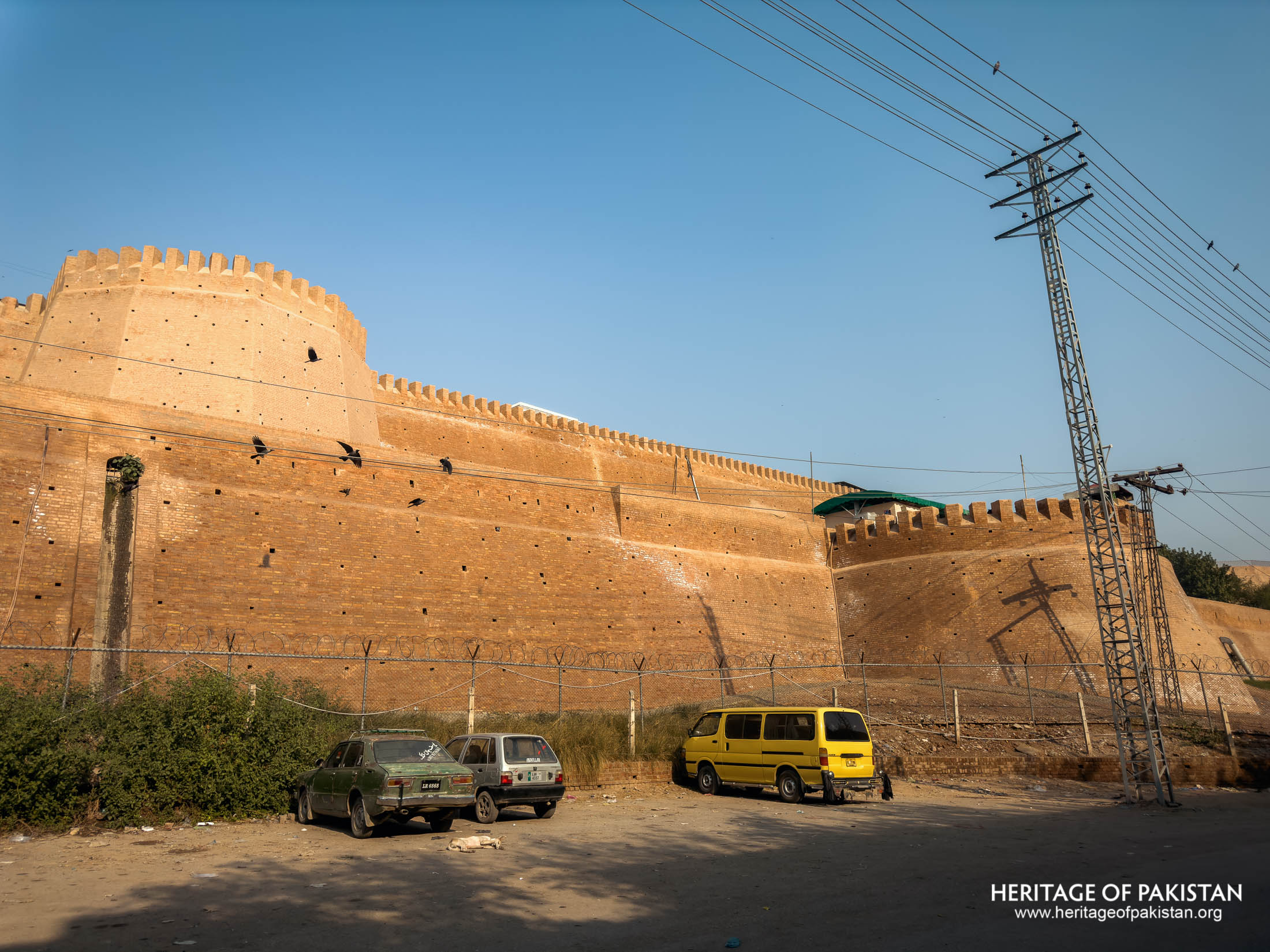
The fort faced repeated destruction and reconstruction: by Humayun in 1552, by Hari Singh Nalwa in 1834 after the Battle of Nowshera, and later by the British in 1849.
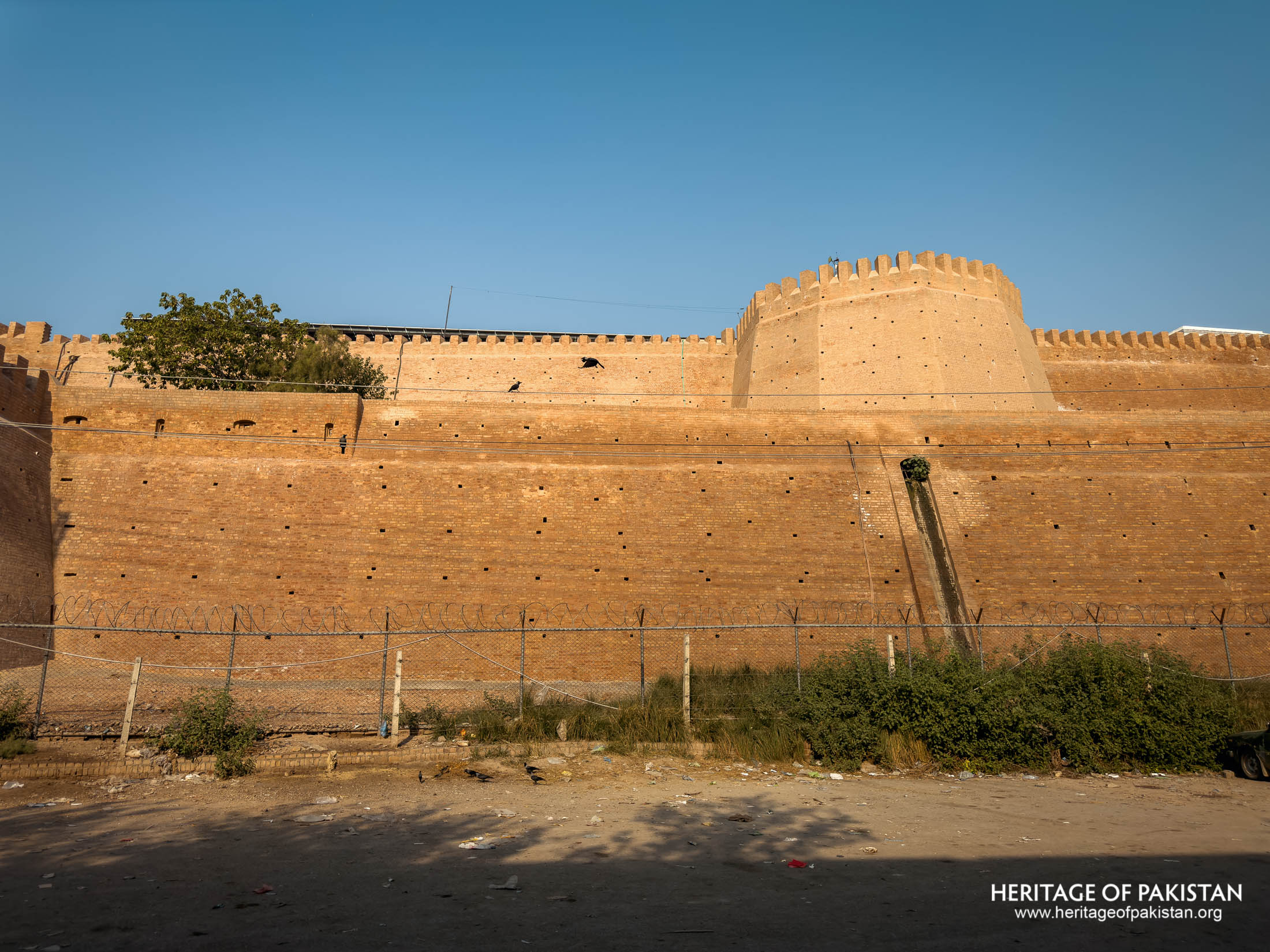
An inscription inside the fort credits Raja Bikramajit under Maharaja Ranjit Singh with rebuilding and naming it “Samargarh” in 1834.
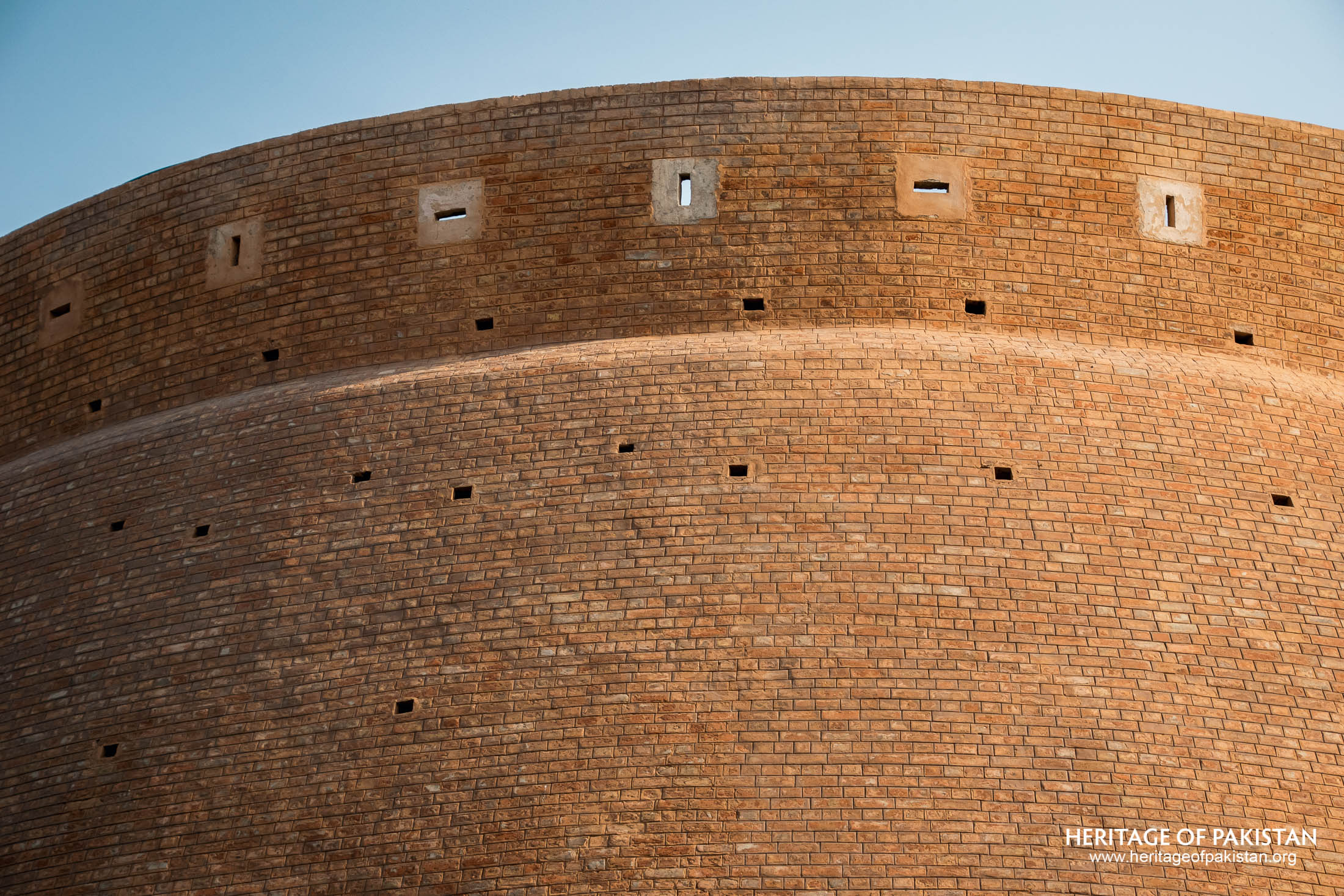
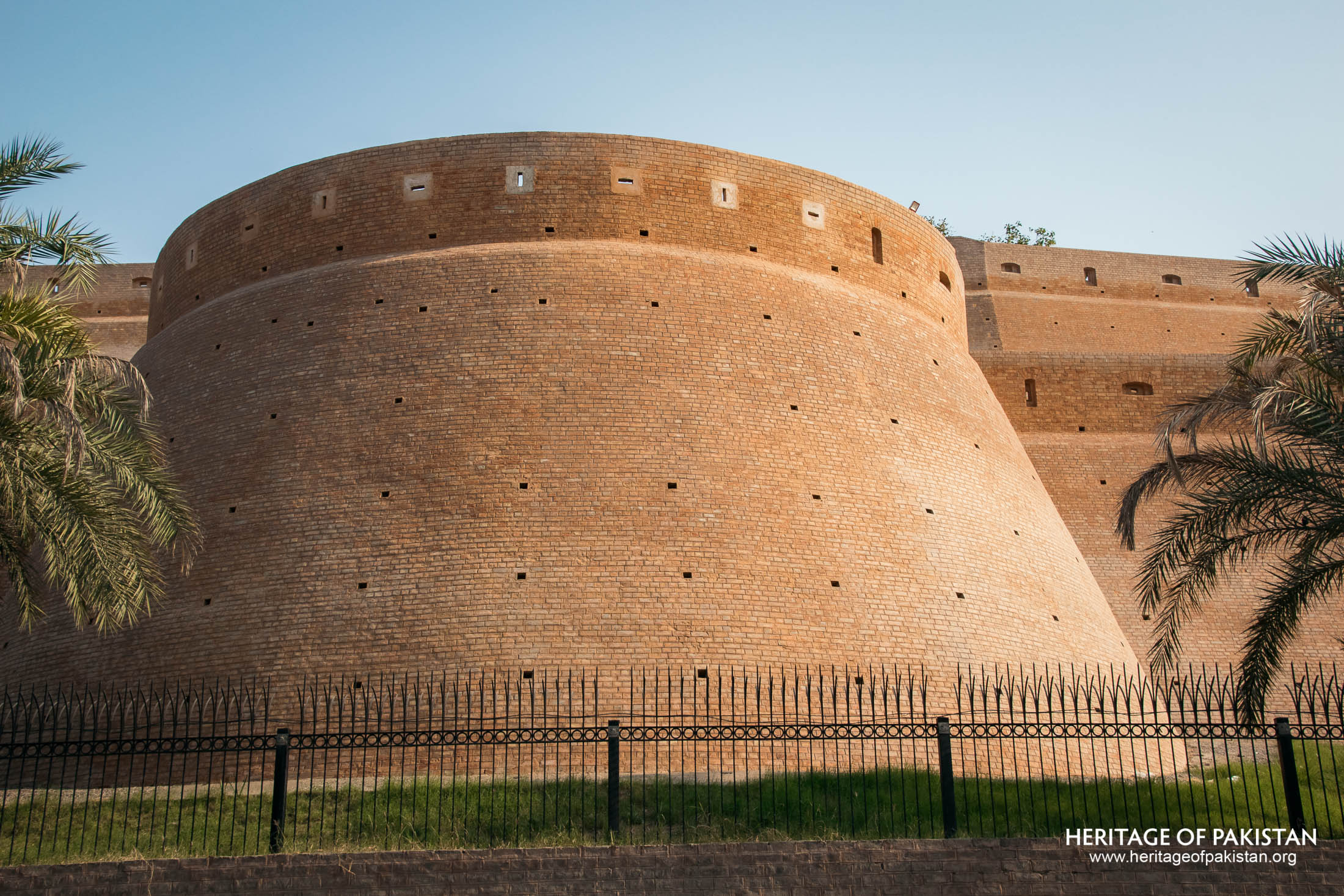
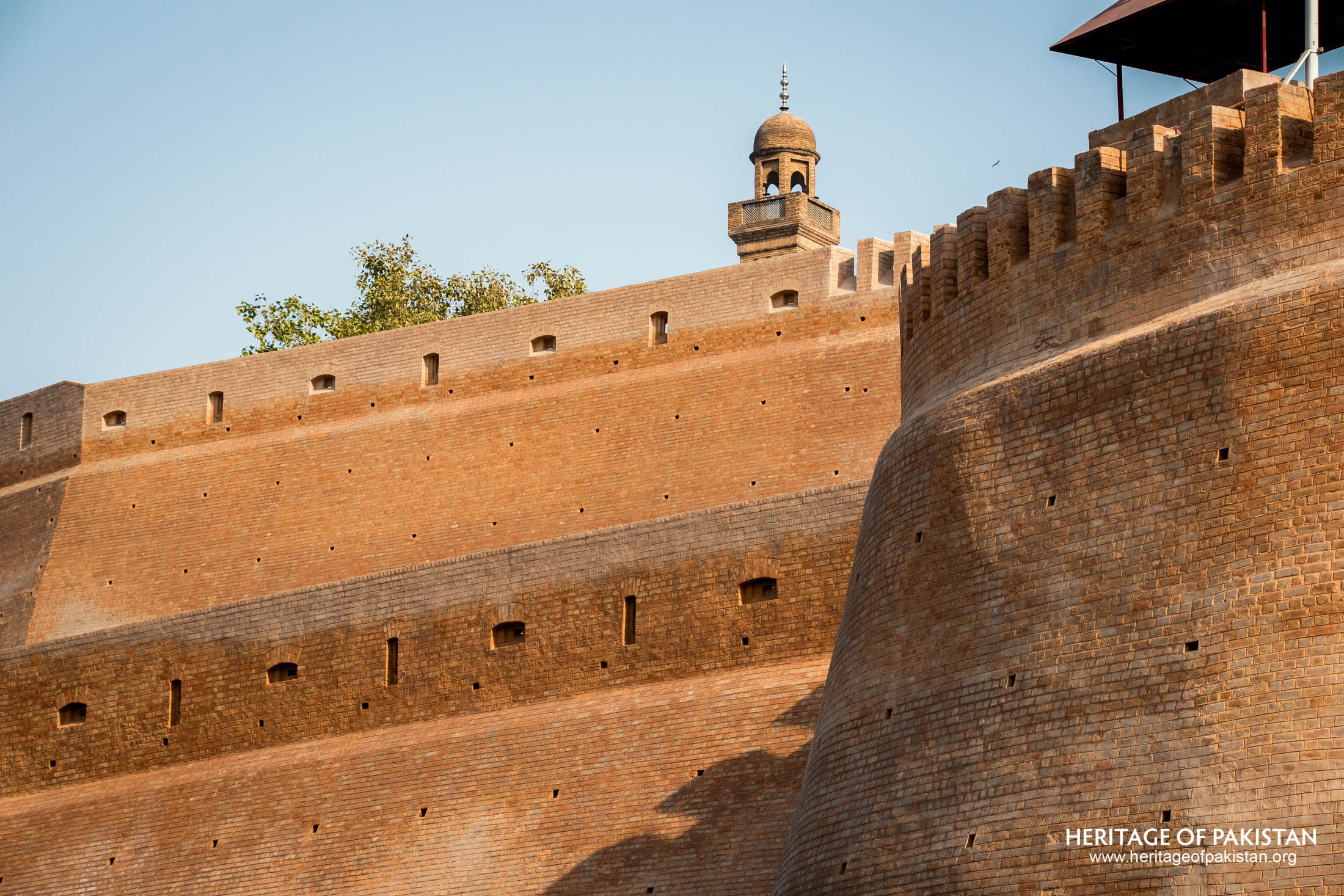
The Imperial Gazetteer describes the fort as a quadrilateral structure with high sun-dried brick walls, bastions, and artillery placements.
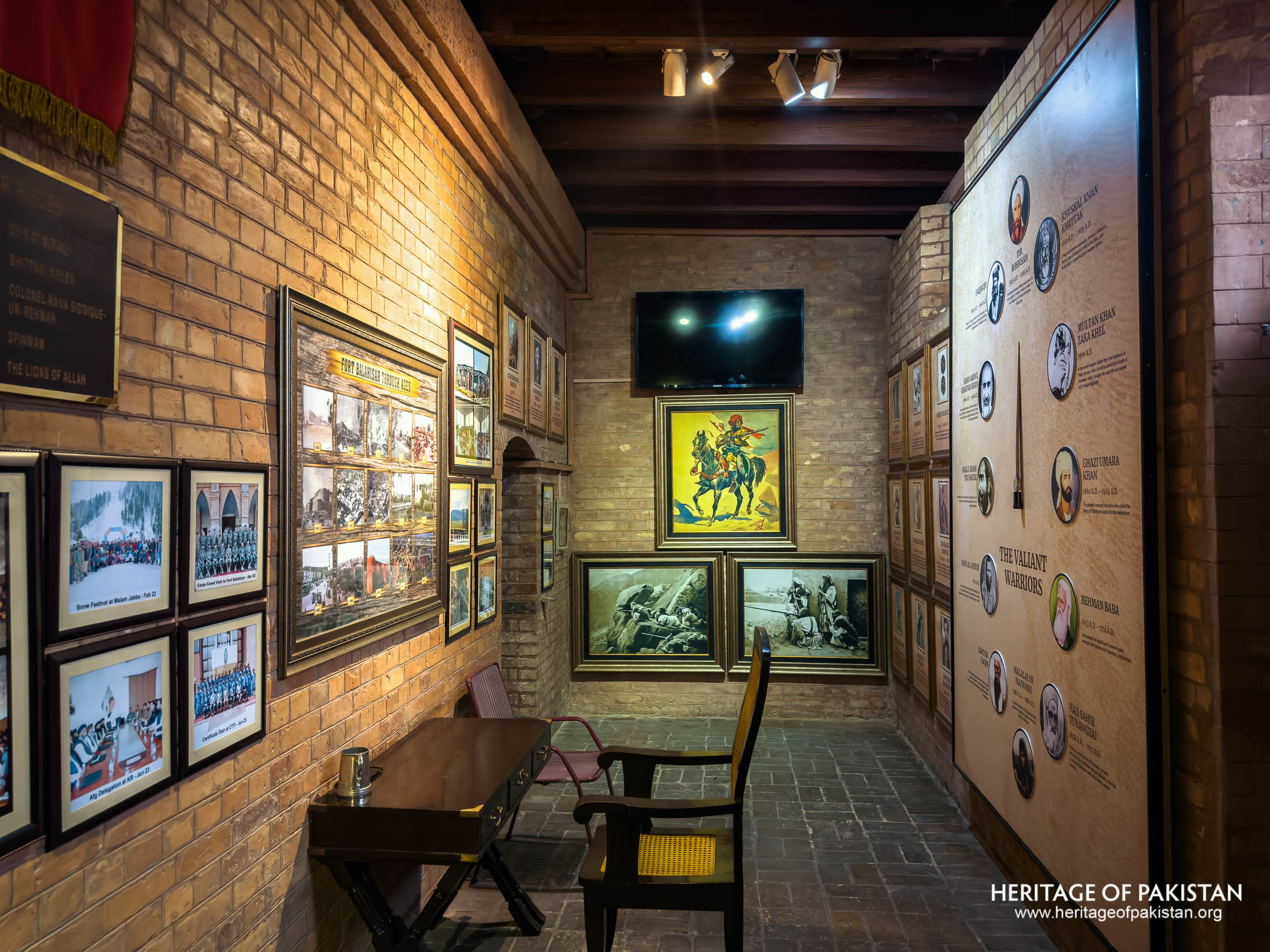
Since 1947, the fort has served as the headquarters of the Frontier Corps and also houses the Bala Hisar Museum, which showcases the Corps' history and service.
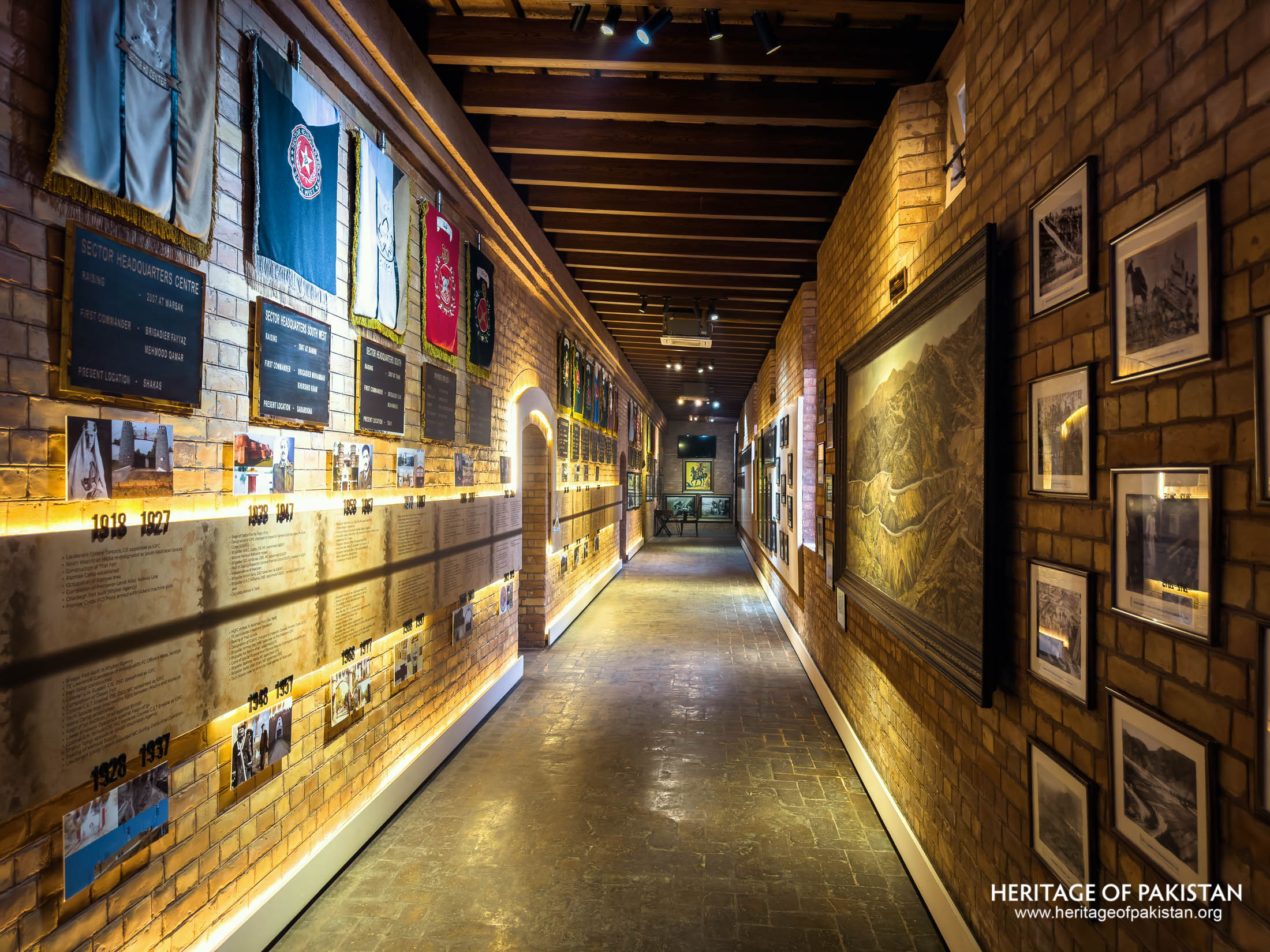
Today, Bala Hisar Fort stands as a testament to Peshawar’s layered history, shaped by empires, conflict, and military legacy.
