
Did You Know?
The museum’s entrance features a beautifully carved traditional wooden door.
34°00'28.3"N 71°34'54.9"E
The museum’s entrance features a beautifully carved traditional wooden door.
The Best Time to Visit mountain regions of Khyberpakhtunkhwa is Summers. Preferably from April to September. Winters are Extremely Cold and Snowfall blocks most of access. Hence Winters are not recommended.

City Museum Gor Khatri is a museum managed by Archaeology department of Khyberpakhtunkhwa at Gor Khatri complex. Gor Khatri is situated atop an ancient cultural mound and marks the highest point in the city of Peshawar. The site has been mentioned historically, including in Emperor Babur’s Baburnama, where he refers to his visit in 1526. While the Mughal-era serai was constructed later, the underlying mound represents much older habitation. Ahmad Hassan Dani notes the possibility that the sacred begging bowl of the Buddha, referred to by the 7th-century Chinese pilgrim Hiuen Tsang during his visit to Peshawar, may have once been housed at this very site.
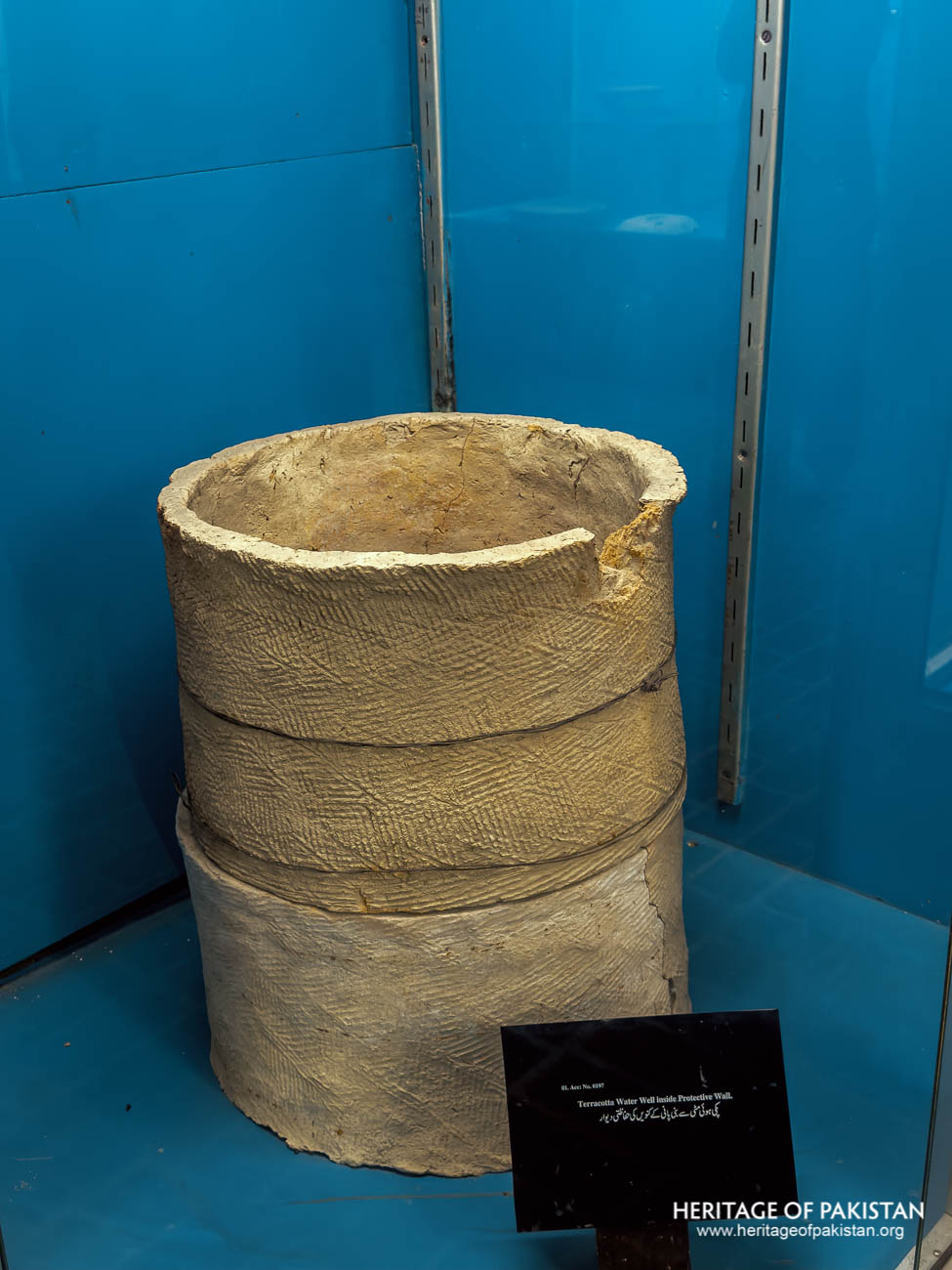
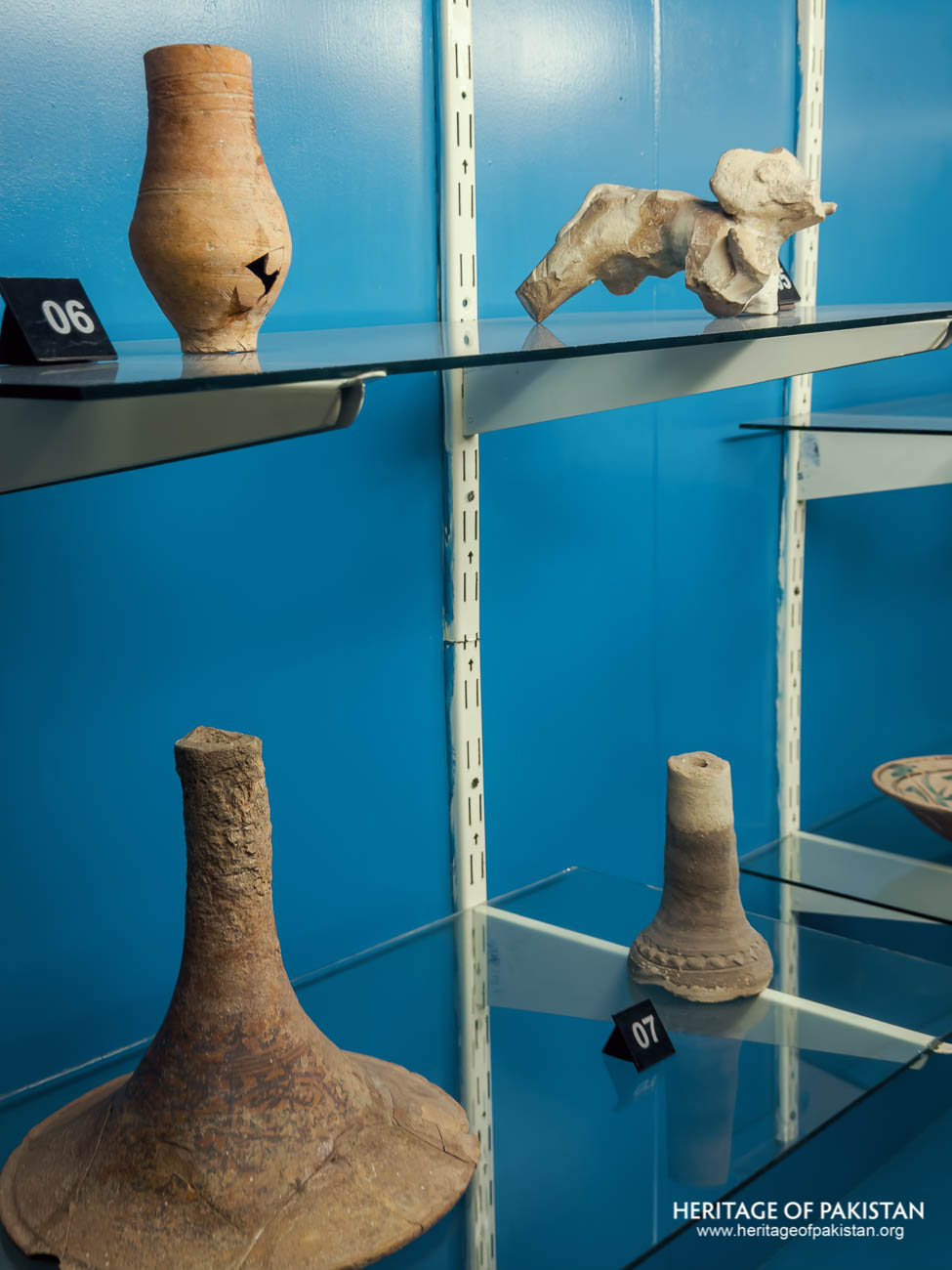
Extensive archaeological excavations have been carried out at Gor Khatri to understand the stratified cultural history of Peshawar. These excavations revealed several historical layers beneath the surface of the mound. The two lowest layers yielded artifacts associated with the Achaemenid period. Above these, cultural material dating to the Mauryan era, particularly from the reign of Emperor Ashoka and his successors, was uncovered. A range of coins from different eras was found during the excavation, including those dating back to the Indo-Greek period during the reign of Demetrius (circa 200 BCE). Terracotta female figurines, commonly referred to as “Baroque Ladies,” from the Scytho-Parthian period were also recovered. The site also yielded evidence of the Hindu Shahi period. Numerous coins belonging to this layer were found, and according to I.H. Nadeem, this supports the interpretation that Peshawar held significant importance during the rule of the Hindu Shahi kings.
During the Sikh period, the mosque built by Jahan Ara was demolished and replaced by a temple dedicated to the saint Gorakhnath. Ahmad Hassan Dani confirms this transformation of religious architecture in the area. At some point in its more recent history, the Gor Khatri complex also functioned as the office of the local Tehsildar, further adding to its administrative relevance in different eras.
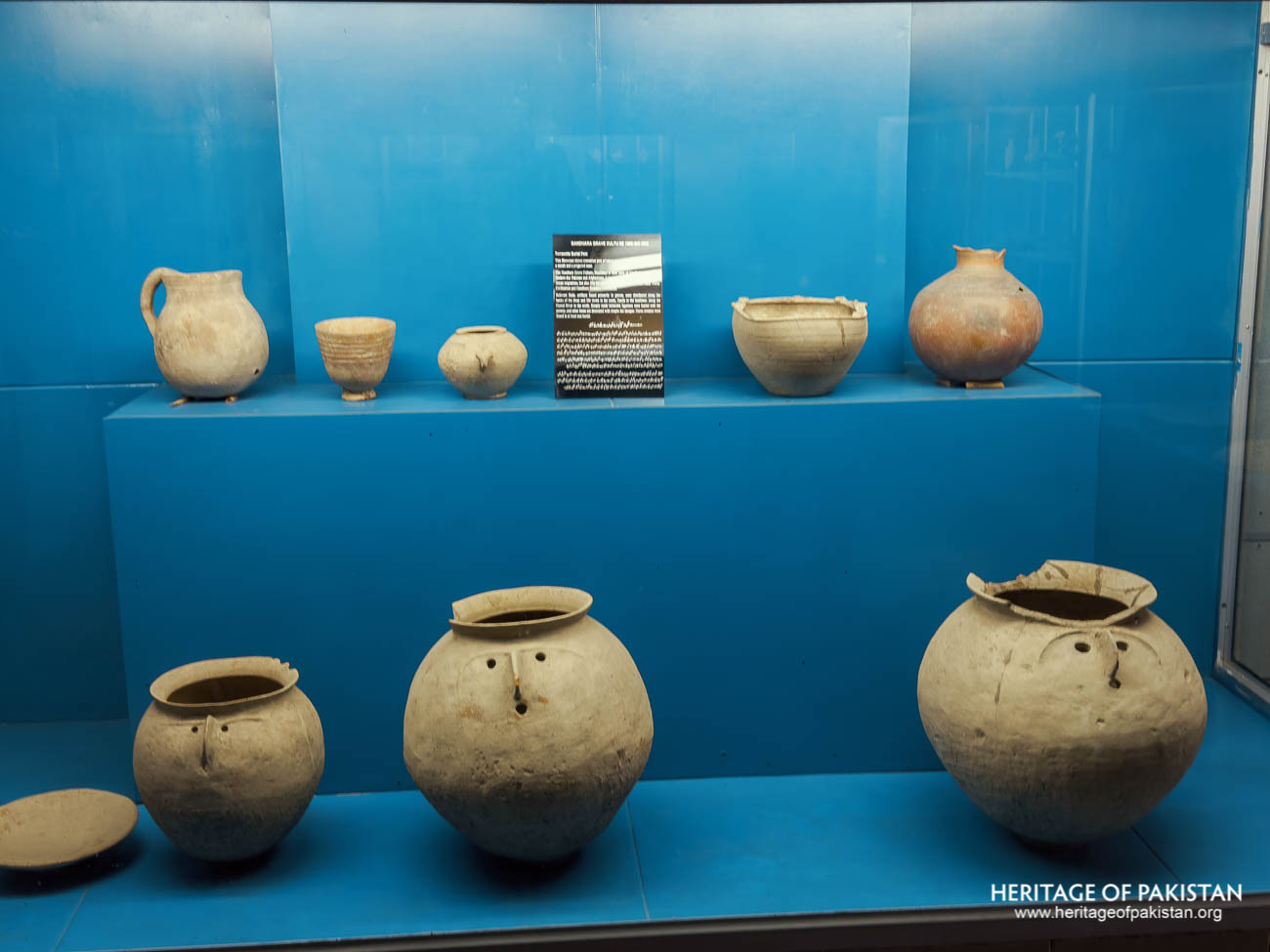
To preserve and display the artifacts recovered from these excavations, the City Museum at Gor Khatri was established in 2006 by the Directorate of Archaeology and Museums, Government of Khyber Pakhtunkhwa. The museum is located in the southeastern section of the serai complex. Although modest in size, the museum houses a meaningful and relevant collection of objects excavated from the site. These include coins, terracotta figurines, pottery, and other cultural material representing the various historical phases of Peshawar. The museum stands as a central element within the Gor Khatri complex, serving both as a repository of the city’s layered past and as a public institution dedicated to archaeological heritage.
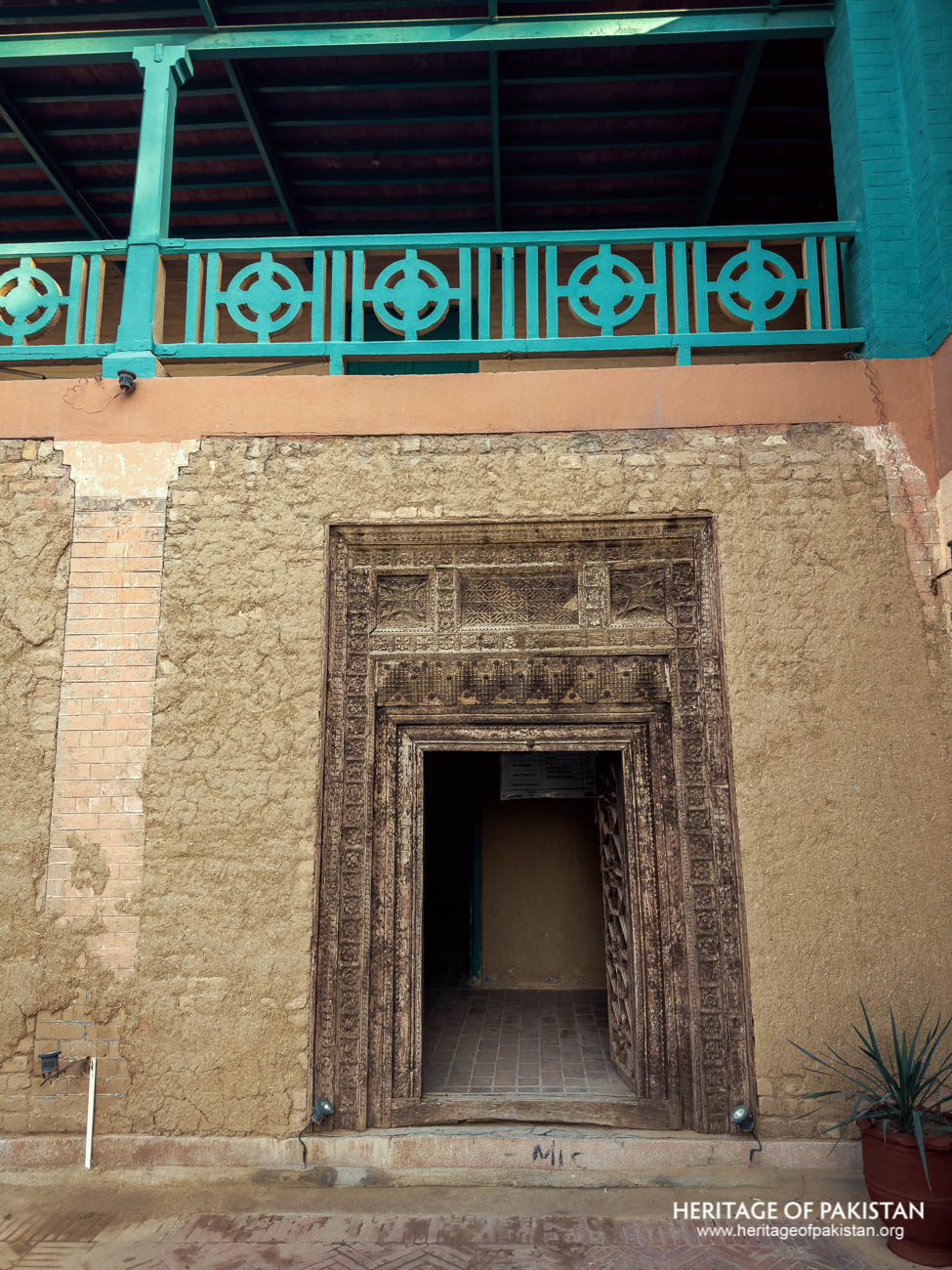
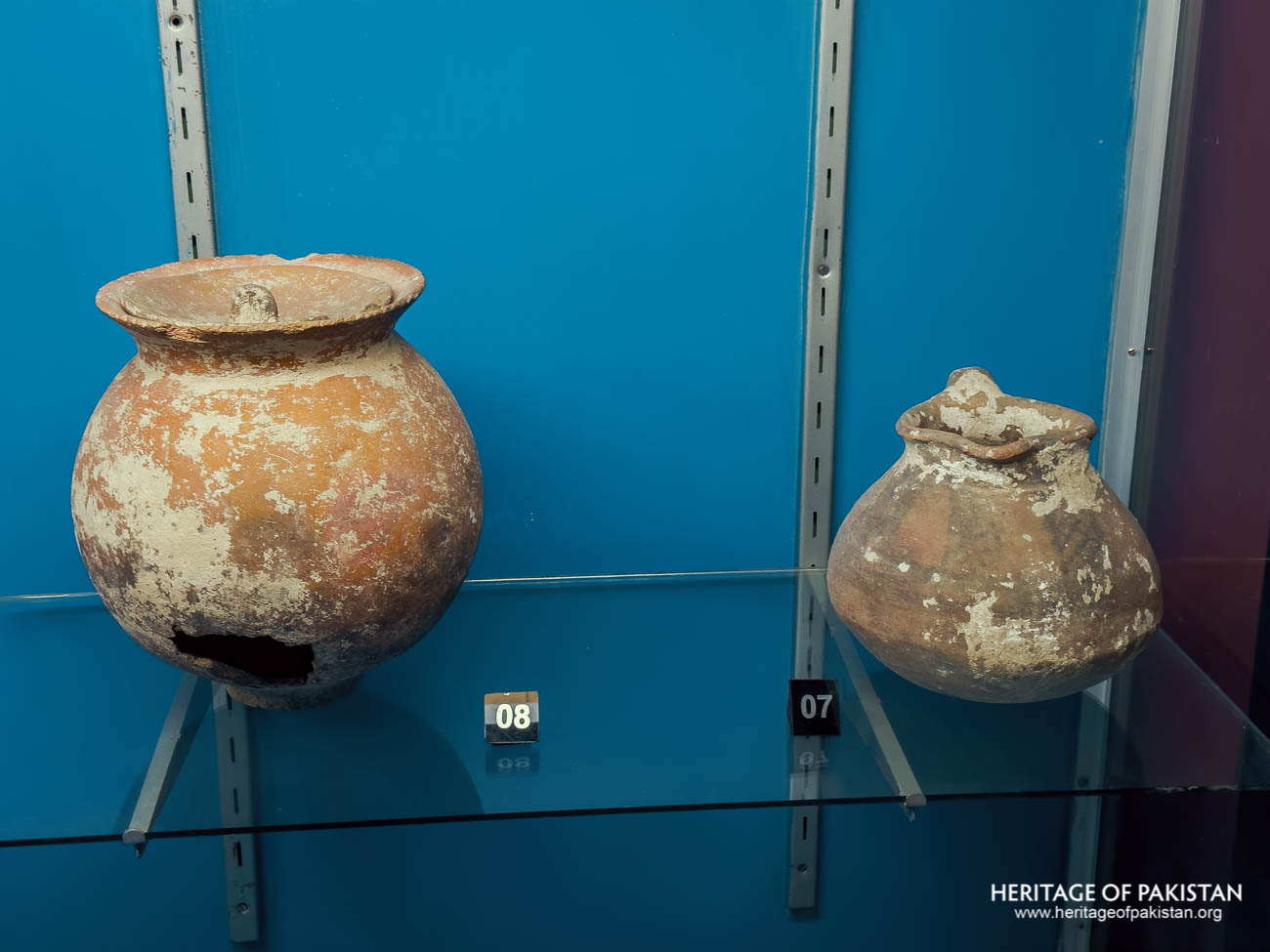
The City Museum at Gor Khatri has been established in the southeastern section of the Gor Khatri complex. It serves as the primary space for exhibiting artifacts excavated from the archaeological site within the same premises. A beautifully carved wooden door forms the main entrance to the museum, reflecting traditional craftsmanship and adding a distinct aesthetic character to the structure.
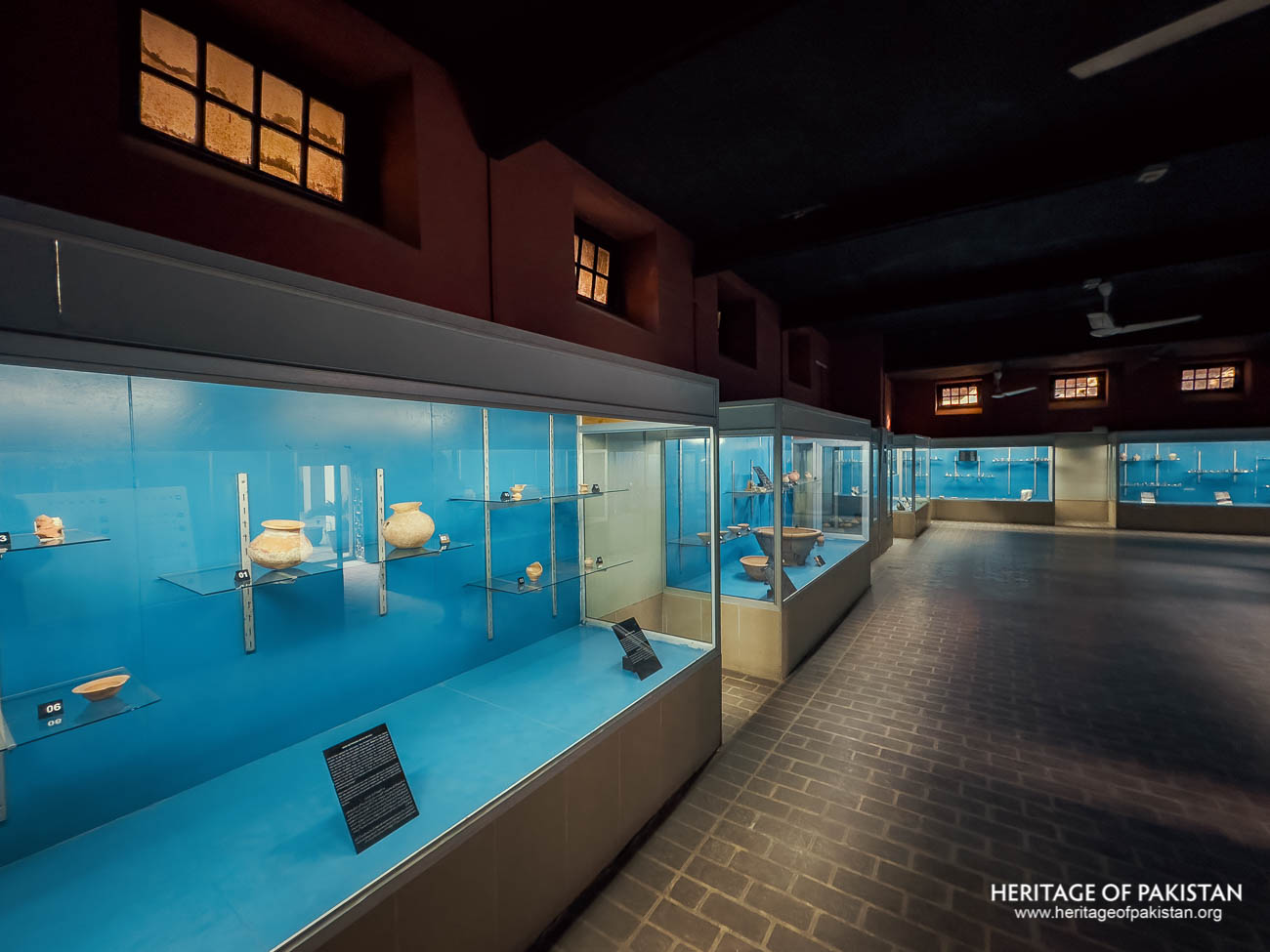
Though modest in scale, the museum consists of two main halls. Each hall features a brick floor and wall ventilators that allow natural light and airflow into the space. Along the interior walls, glass display cases have been arranged to exhibit the collection in an organized and accessible manner. The museum primarily houses artifacts uncovered during excavations at Gor Khatri. These include terracotta pottery, architectural bricks, historical coins from multiple periods, and terracotta figurines of both human and animal forms. Also present are vases and other small objects, offering a representative glimpse into the material culture of ancient Peshawar across different historical eras. Despite its limited size, the museum presents a focused and informative display that contributes to the understanding of the city's layered archaeological heritage.
All Photographs by Syed Noor Hussain and Sania Azhar.
All Rights Reserved. Photos may be used for Non-Commercial, Educational, Artistic, Research, Non-Profit & Academic purposes.
Commercial uses require licensing agreement.

Syed Noor Hussain
July 23, 2025 at 4:07 amBest