
Did You Know?
The Clocktower structure was funded by banker Lala Balmukand Dooja, as commemorated on a plaque at its base
34°00'35.3"N 71°34'32.8"E
The Clocktower structure was funded by banker Lala Balmukand Dooja, as commemorated on a plaque at its base
The Best Time to Visit mountain regions of Khyberpakhtunkhwa is Summers. Preferably from April to September. Winters are Extremely Cold and Snowfall blocks most of access. Hence Winters are not recommended.

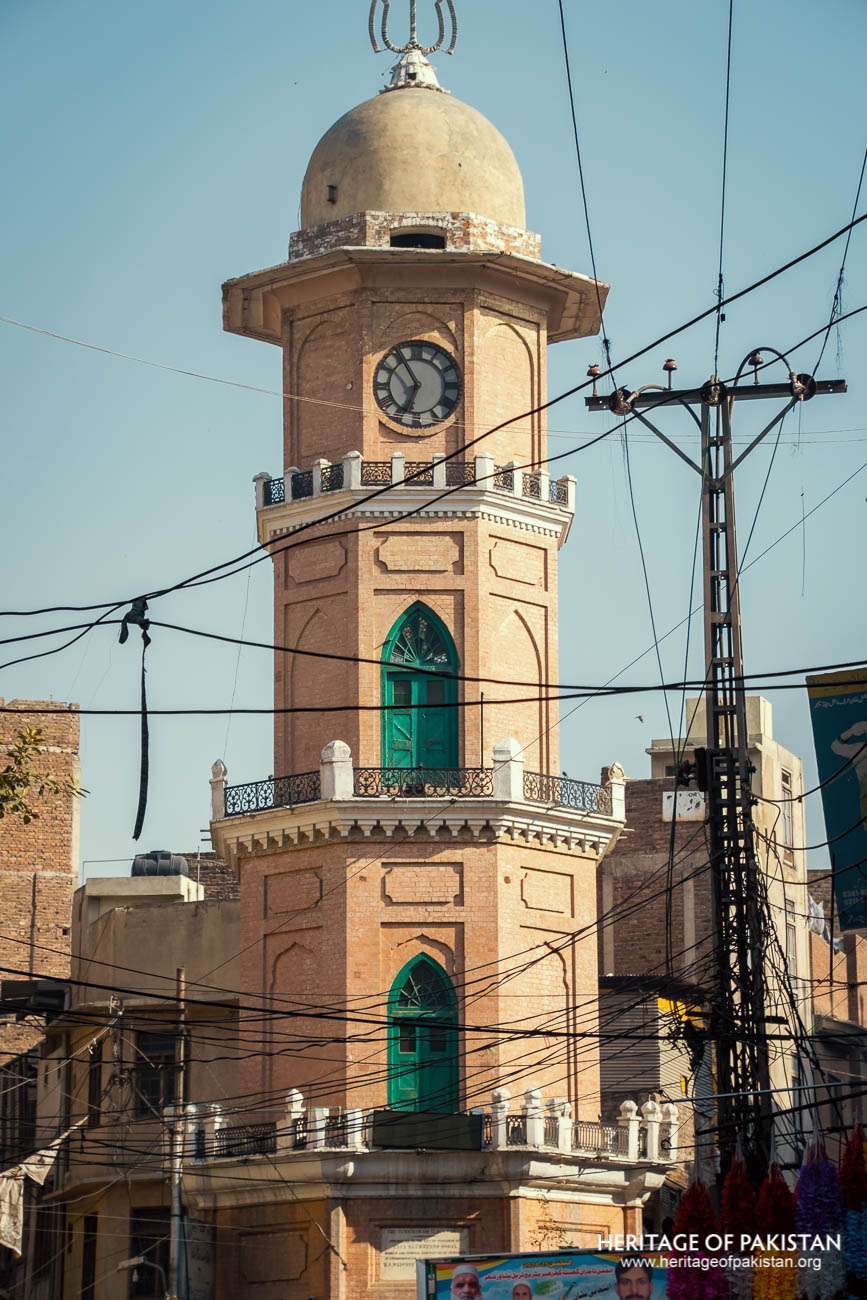
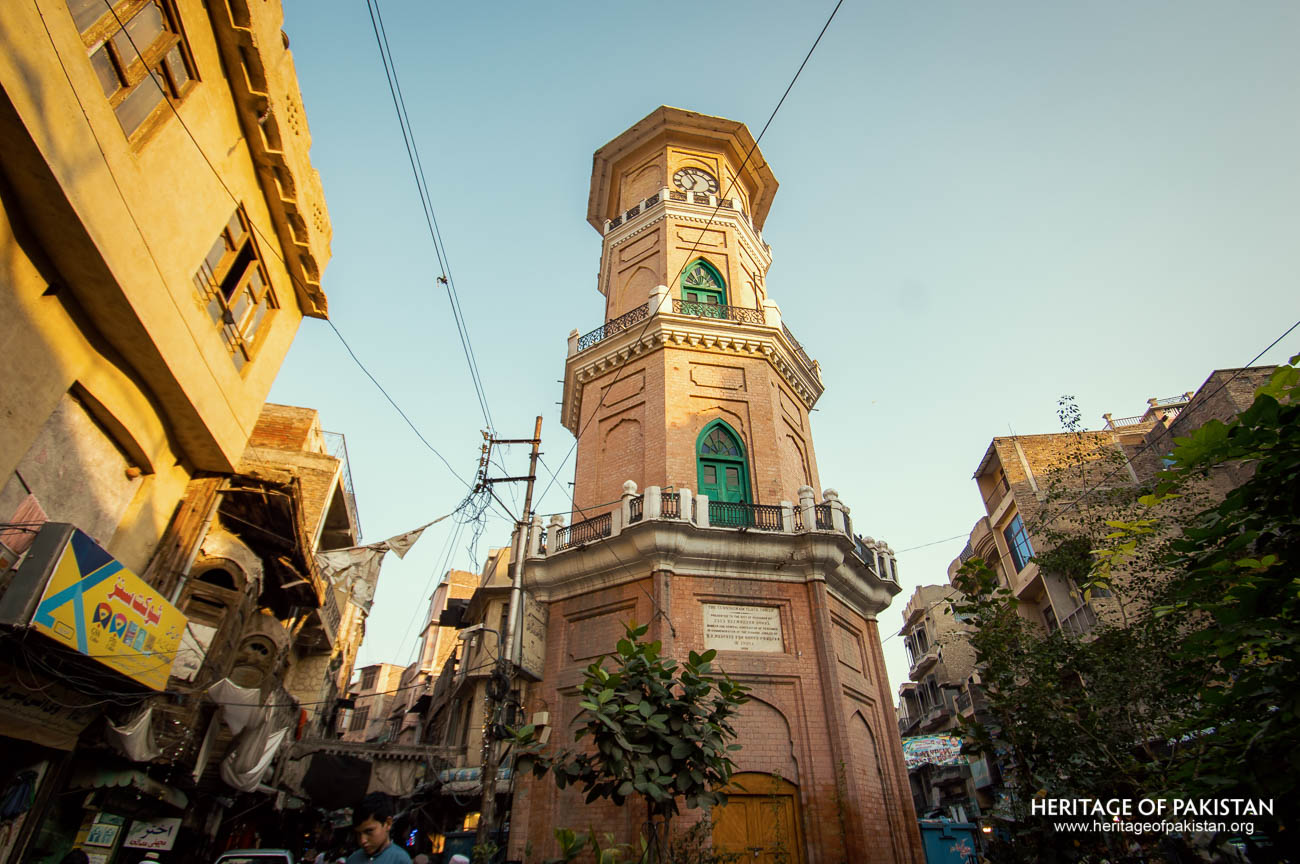
The Cunningham Clock Tower, also known locally as Ghanta Ghar, is a colonial-era clock tower situated in the heart of the old city of Peshawar. It is located at a key intersection in the Bazar Kalan area of the Walled City, with connecting roads leading west to Chowk Yadgar and the Mahabat Khan Mosque, and eastward to Sethi Muhalla and the Gor Khatri complex. These landmarks collectively form part of the heritage trail of Old Peshawar.
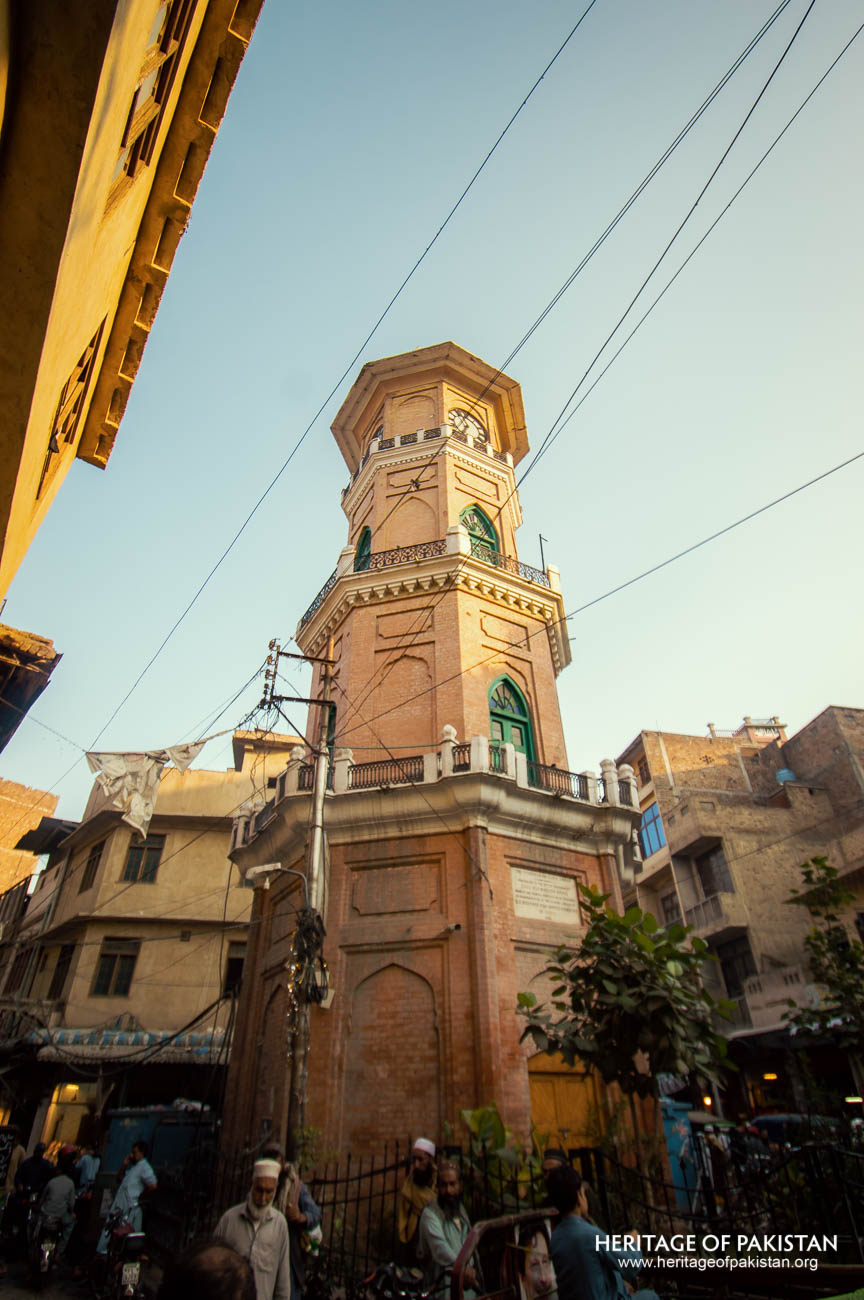
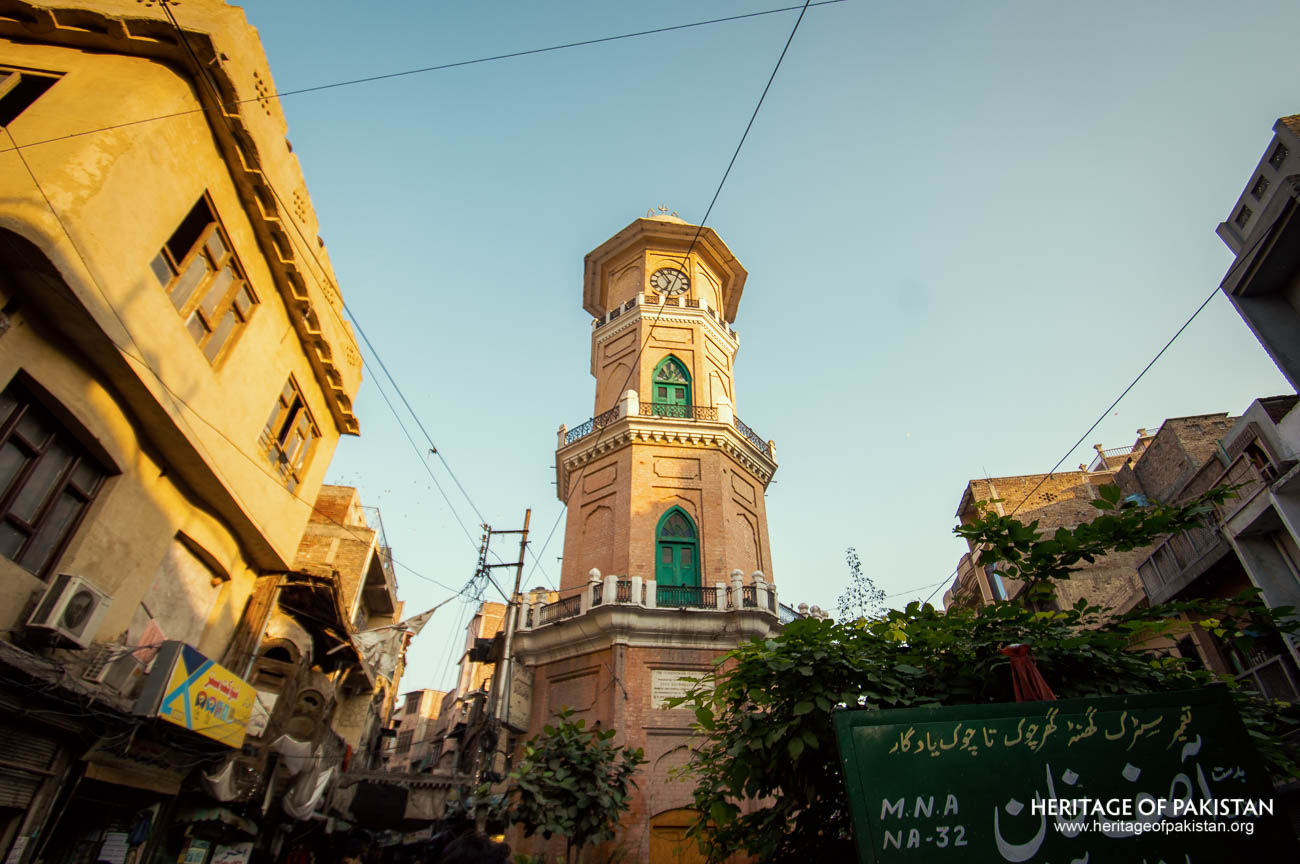
The clock tower was constructed in 1900 to commemorate the Diamond Jubilee of Queen Empress Victoria of India. A plaque installed at the base of the tower reads: “The Cunningham Clock Tower: Presented to the City of Peshawar by Lala Balmukand Dooja, Banker and Commercial Contractor of Peshawar in Commemoration of the Diamond Jubilee of Majesty The Queen Empress of India, 1900.” This inscription confirms that the tower was funded by the Balmukand family, prominent local philanthropists and contractors.
The structure was designed by James Strachan, who served as the municipal engineer in Peshawar at the time. Though originally constructed to honor Queen Victoria, the tower was eventually named after Sir George Cunningham, a British civil servant who held administrative posts in the region. Positioned at a prominent urban chowk, the clock tower not only functioned as a civic monument but also became a recognizable landmark in the city's colonial landscape.
Today, the Cunningham Clock Tower continues to serve as a central point in the old city’s street grid and remains one of Peshawar’s most prominent colonial-era structures. Its historical placement, commemorative origin, and architectural authorship by Strachan place it firmly within the narrative of British urban development in Peshawar.
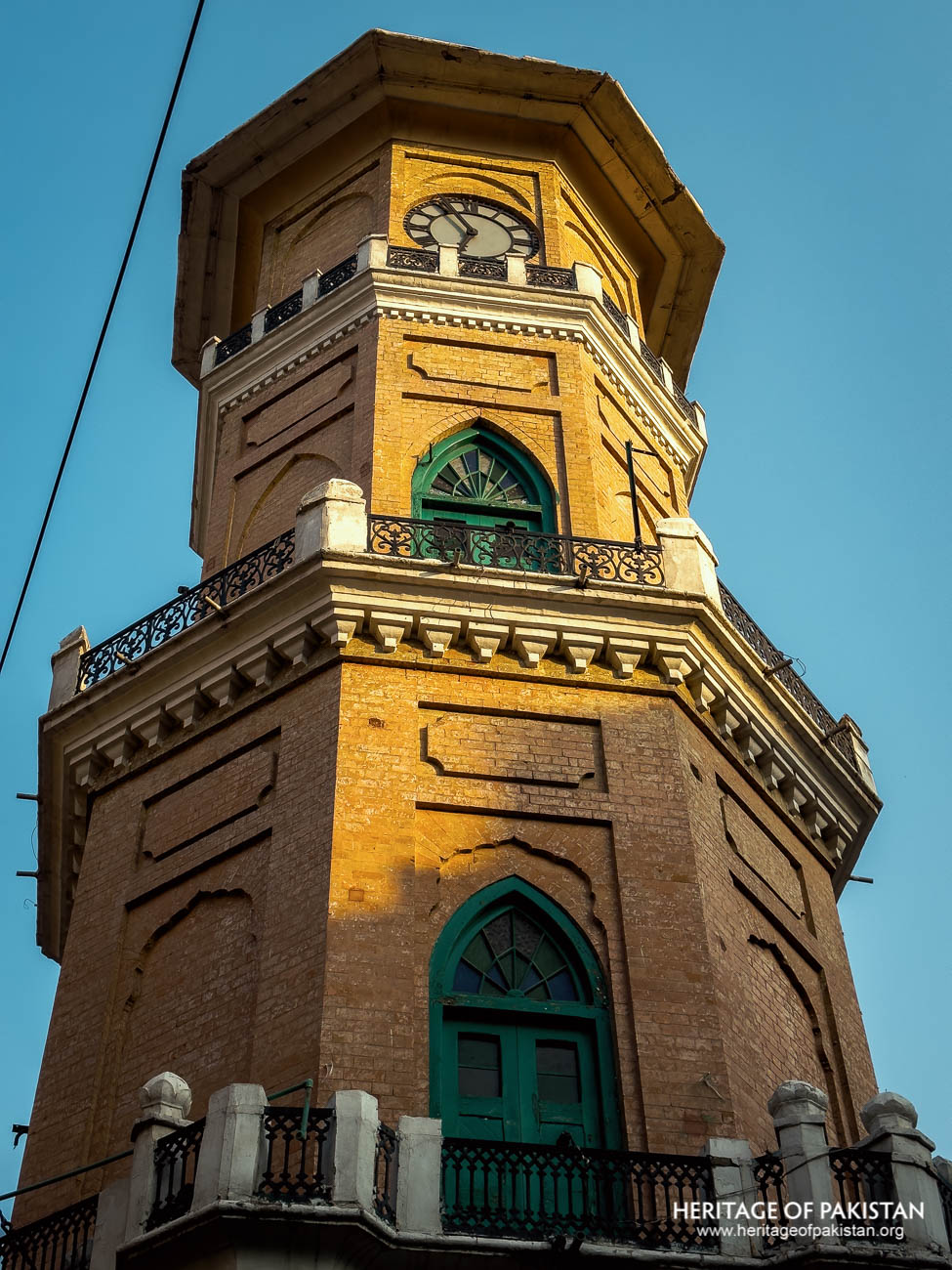
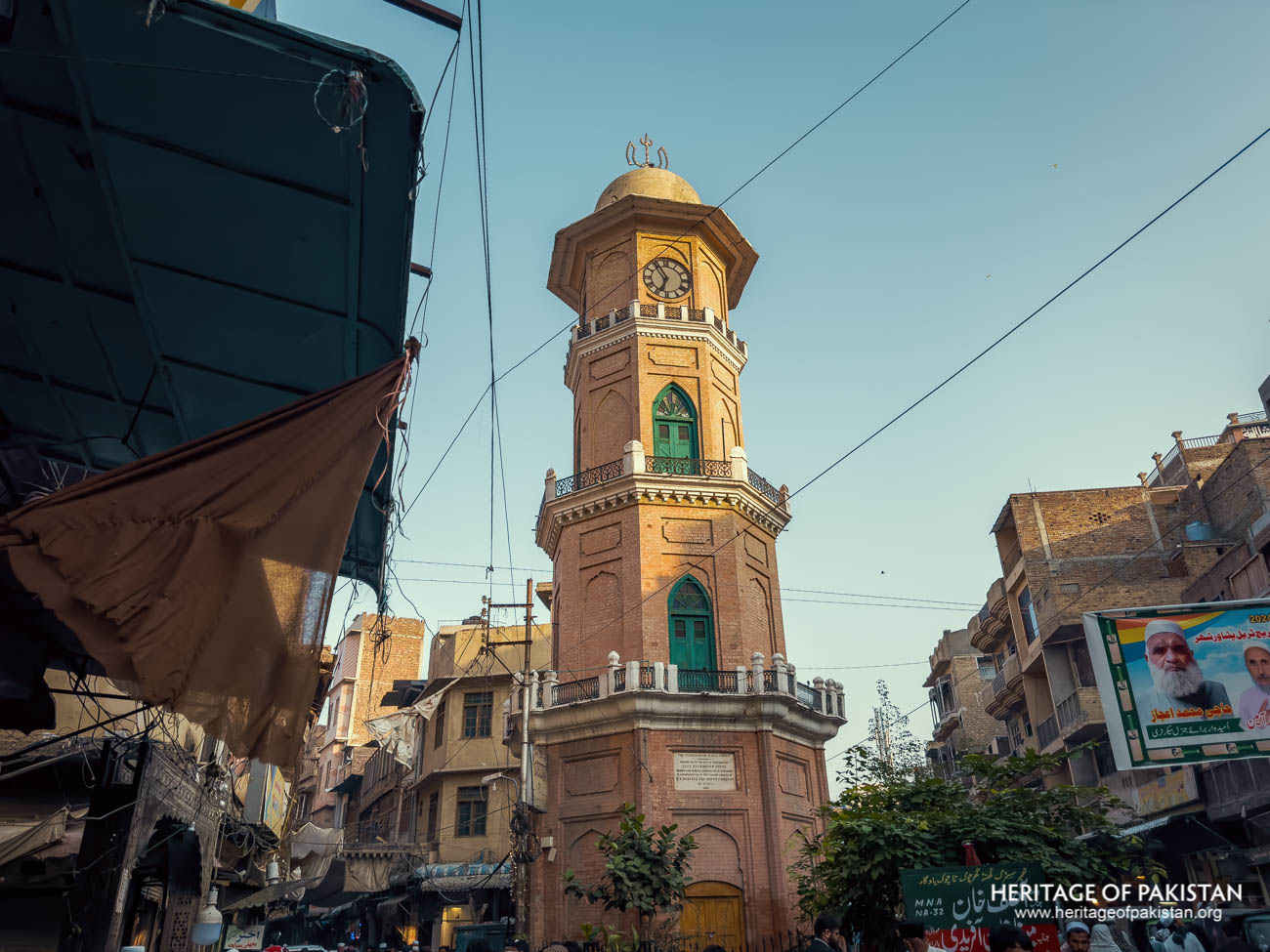
The Cunningham Clock Tower in Peshawar is a notable example of Indo-Saracenic architecture, a style that blends elements of Mughal and European architectural traditions. The structure exhibits a formal octagonal layout and rises in four distinct levels, each decreasing in size as they ascend. The overall design reflects the stylistic approach common to late 19th and early 20th century civic monuments constructed during British colonial rule in the subcontinent.
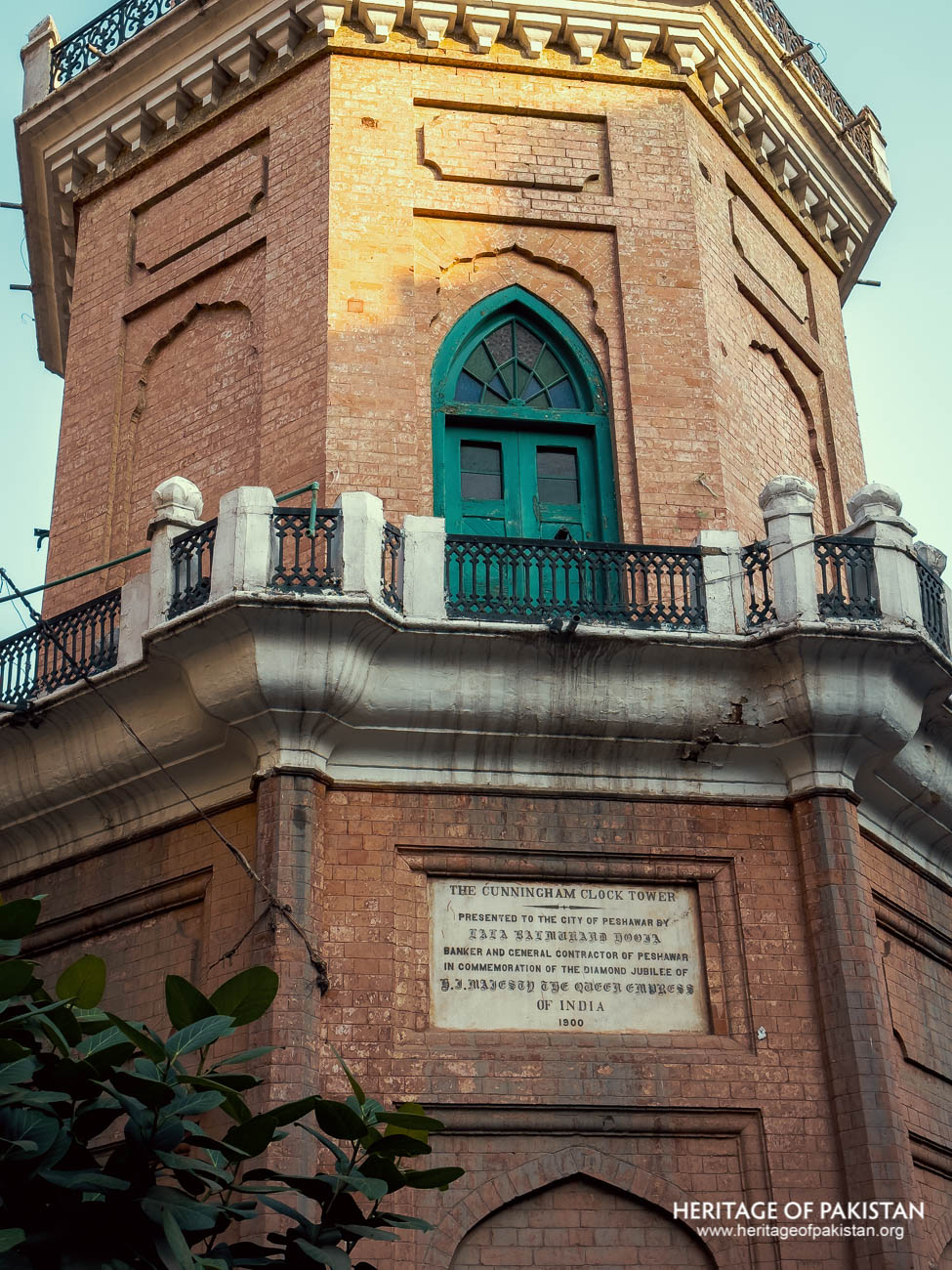
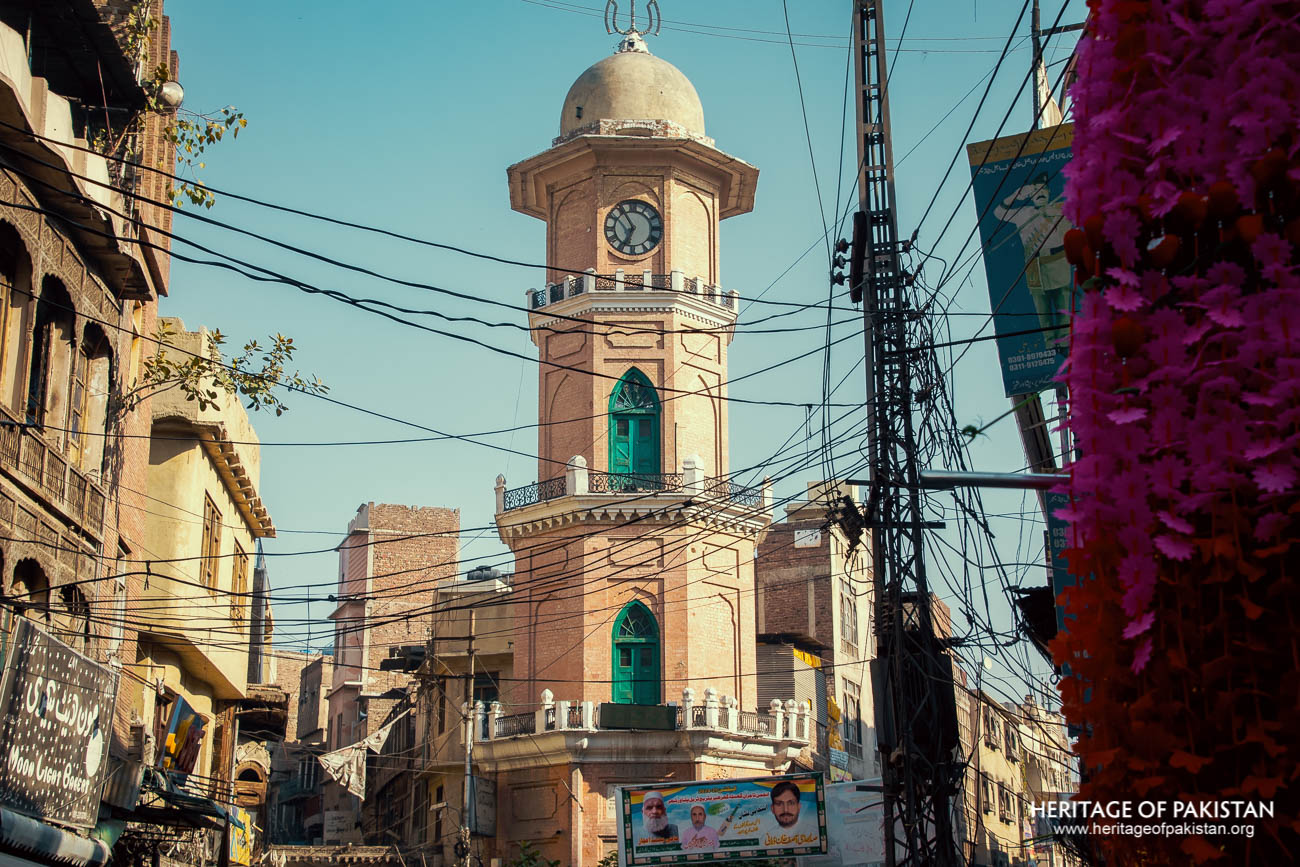
Constructed in brick, the clock tower’s base is the broadest of the four tiers and houses a commemorative plaque at its front. Each successive level is separated by a balcony, featuring a projecting cornice on its lower edge and a decorative balustrade with small pillars and grillwork above. Aligned vertically with the central clock face, arched doorways are positioned on each level of the corresponding face, reinforcing the tower’s axial symmetry and visual hierarchy.
The clock itself is installed at the fourth and uppermost level, marking the pinnacle of the tower’s structural sequence. At the top of the building, the tower is capped with a domed chhatri, a small domed pavilion that is characteristic of Mughal architecture. The surfaces of the octagonal faces are decorated with alternating arched and rectangular recesses—motifs that frequently appear in Mughal-era gateways and walls, and which add depth and articulation to the façade.
These features, including the use of recessed arches, balconies with cornices, and a domed chhatri, collectively situate the tower within the Indo-Saracenic idiom, making it a hybrid structure that reflects both colonial and indigenous aesthetic values.
All Photographs by Syed Noor Hussain and Sania Azhar.
All Rights Reserved. Photos may be used for Non-Commercial, Educational, Artistic, Research, Non-Profit & Academic purposes.
Commercial uses require licensing agreement.

Syed Noor Hussain
July 23, 2025 at 4:08 amBest