
Textarea
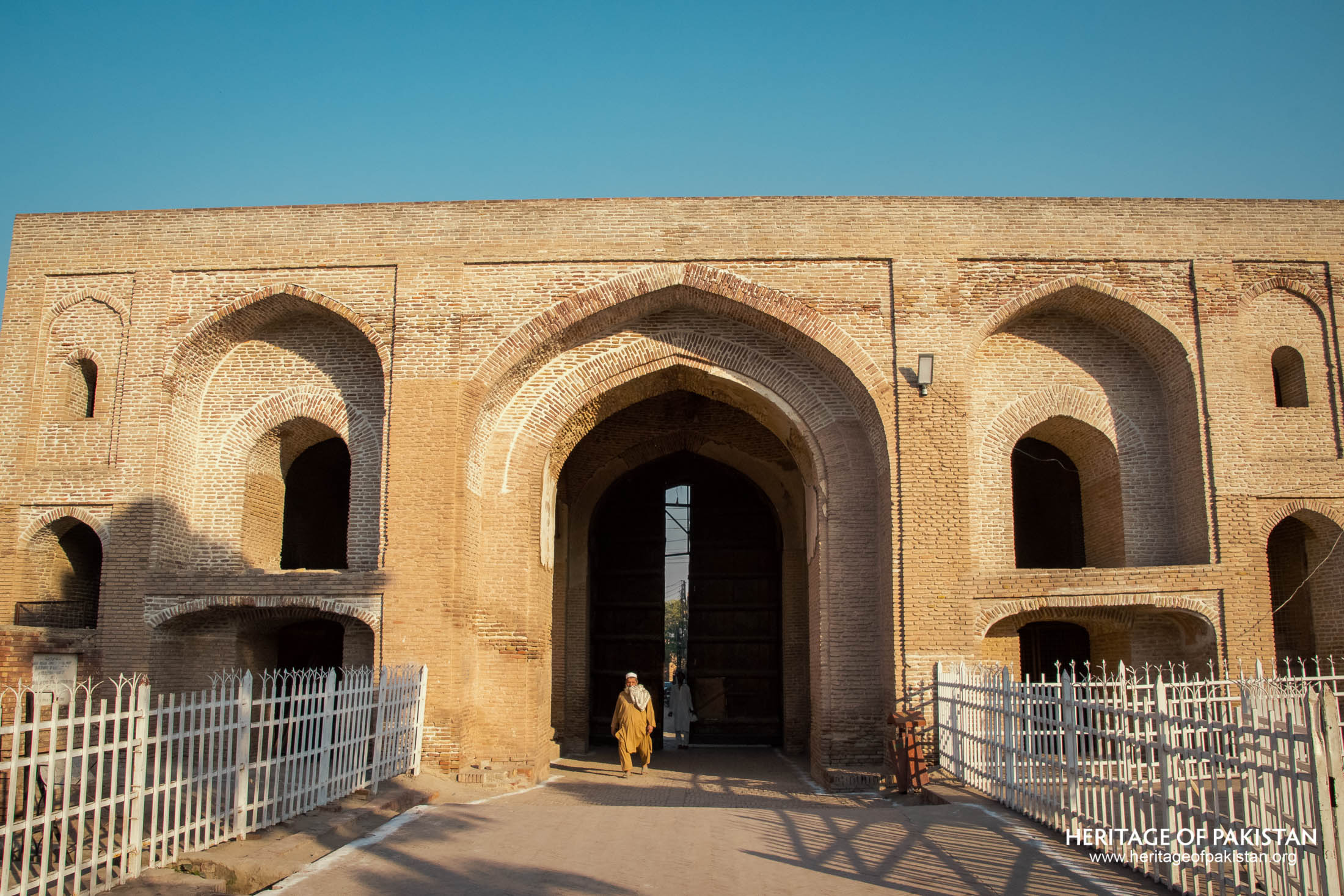
Gor Khatri is a historic archaeological complex located in the old city of Peshawar, built atop an ancient mound considered one of the highest points in the city
The site is believed by some to have housed Buddha’s sacred begging bowl, making it a center of Buddhist pilgrimage before becoming a Hindu ritual site
Emperor Babur mentioned Gor Khatri in the Baburnama, noting the temple and the presence of hair offerings related to Hindu Shraddha rituals
It was further described by Mughal emperors Akbar and Jahangir as a site associated with jogis and Hindu spiritual traditions
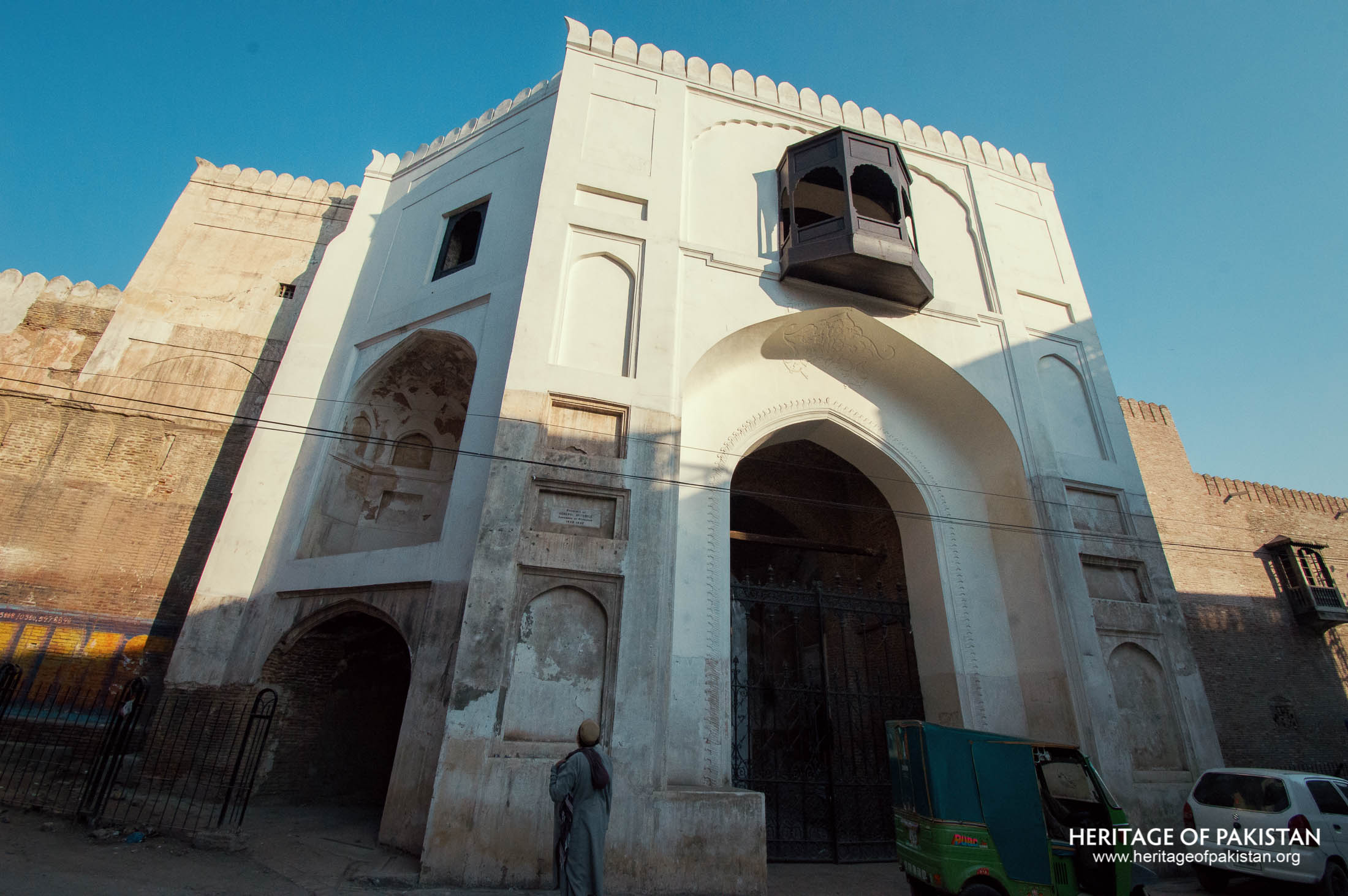
In 1641, Jahan Ara Begum, daughter of Shah Jahan, transformed the site into a Mughal serai named Jahanabad, featuring a Char Bagh garden, rooms for travelers, a mosque, and a hammam
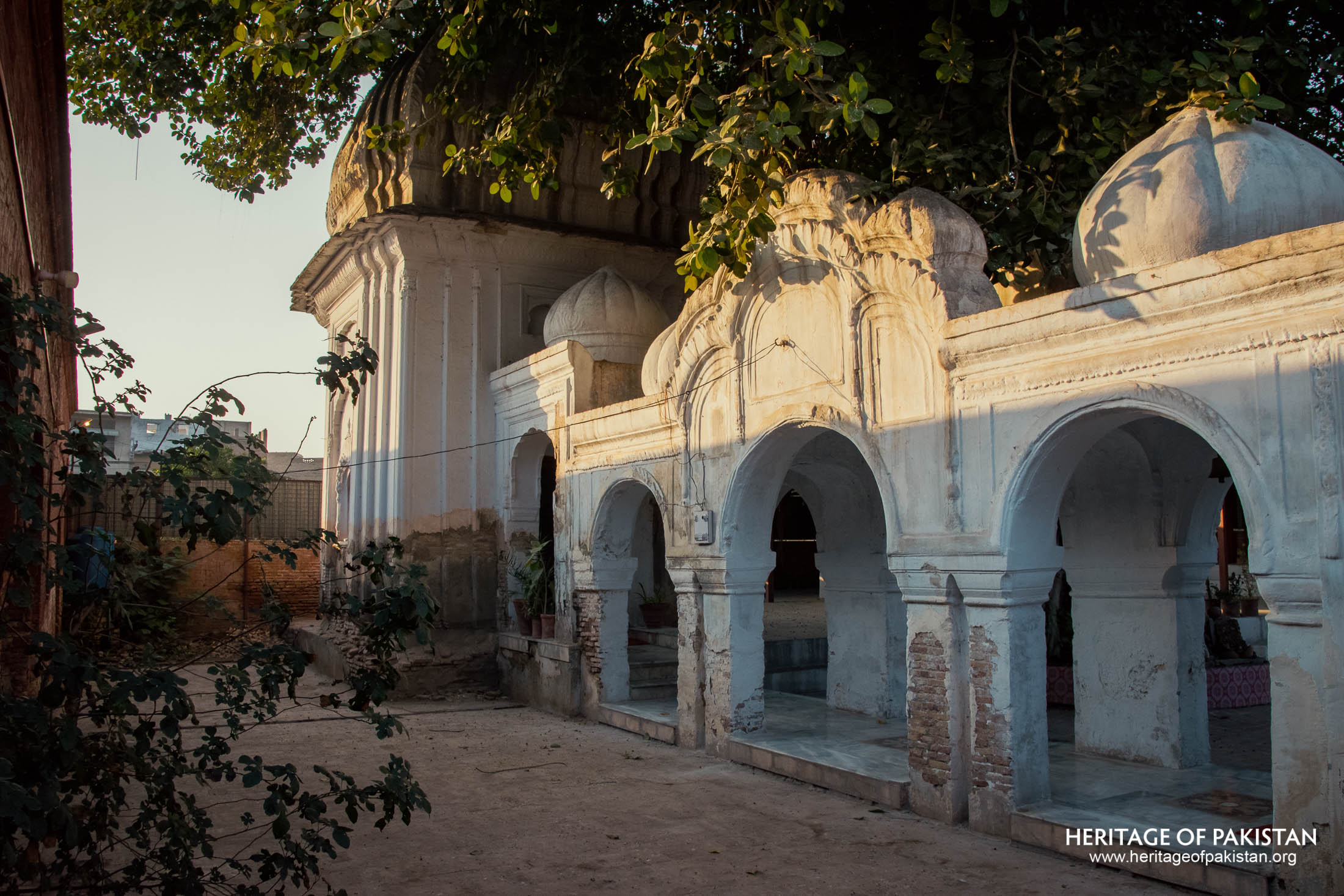
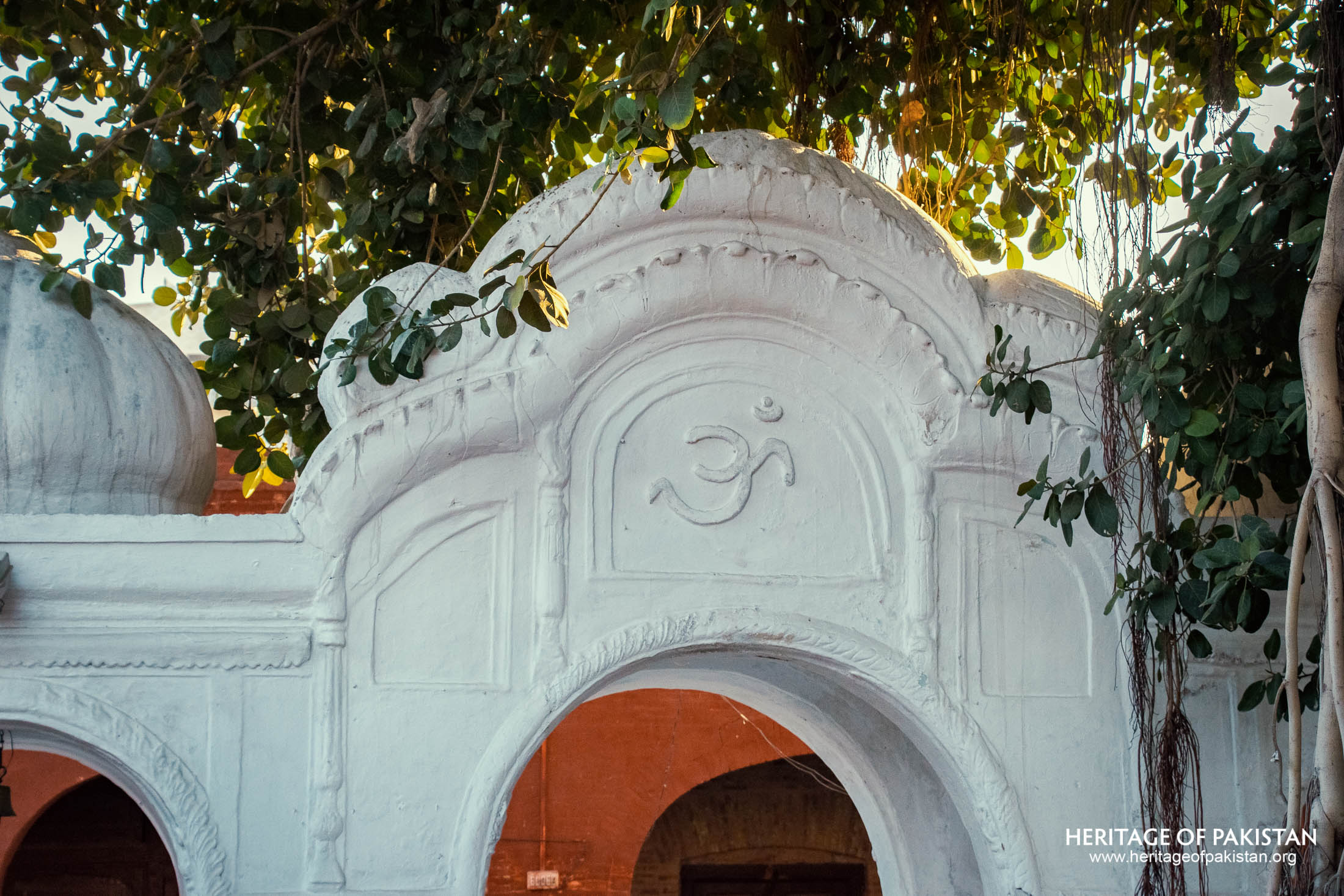
During Sikh rule, the mosque was demolished and replaced by a temple dedicated to Gorakhnath, and the complex served as the residence and headquarters of Sikh Governor Paolo Avitabile
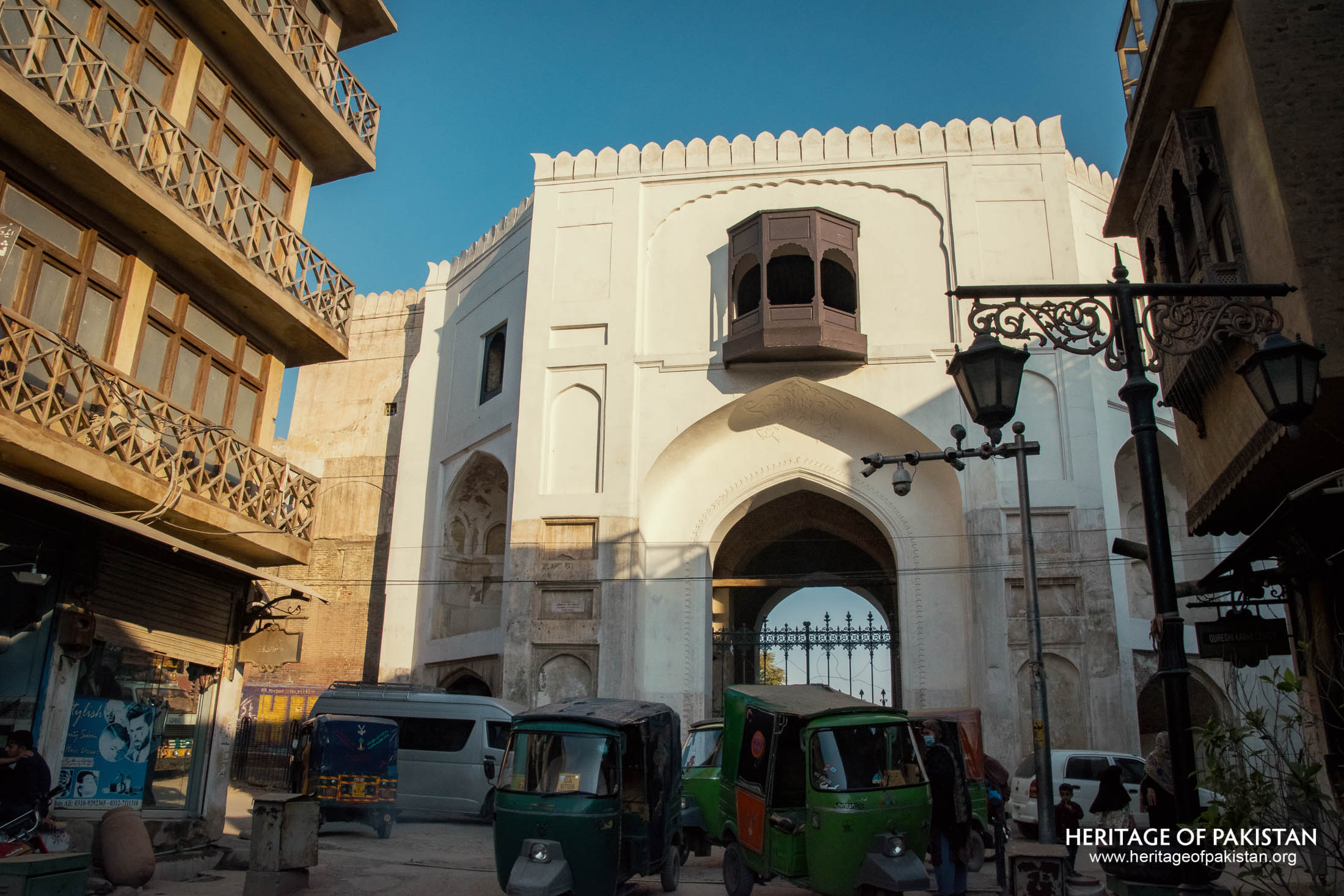
Avitabile added a pavilion over the western gate to hear public petitions, and parts of the serai were damaged during this period
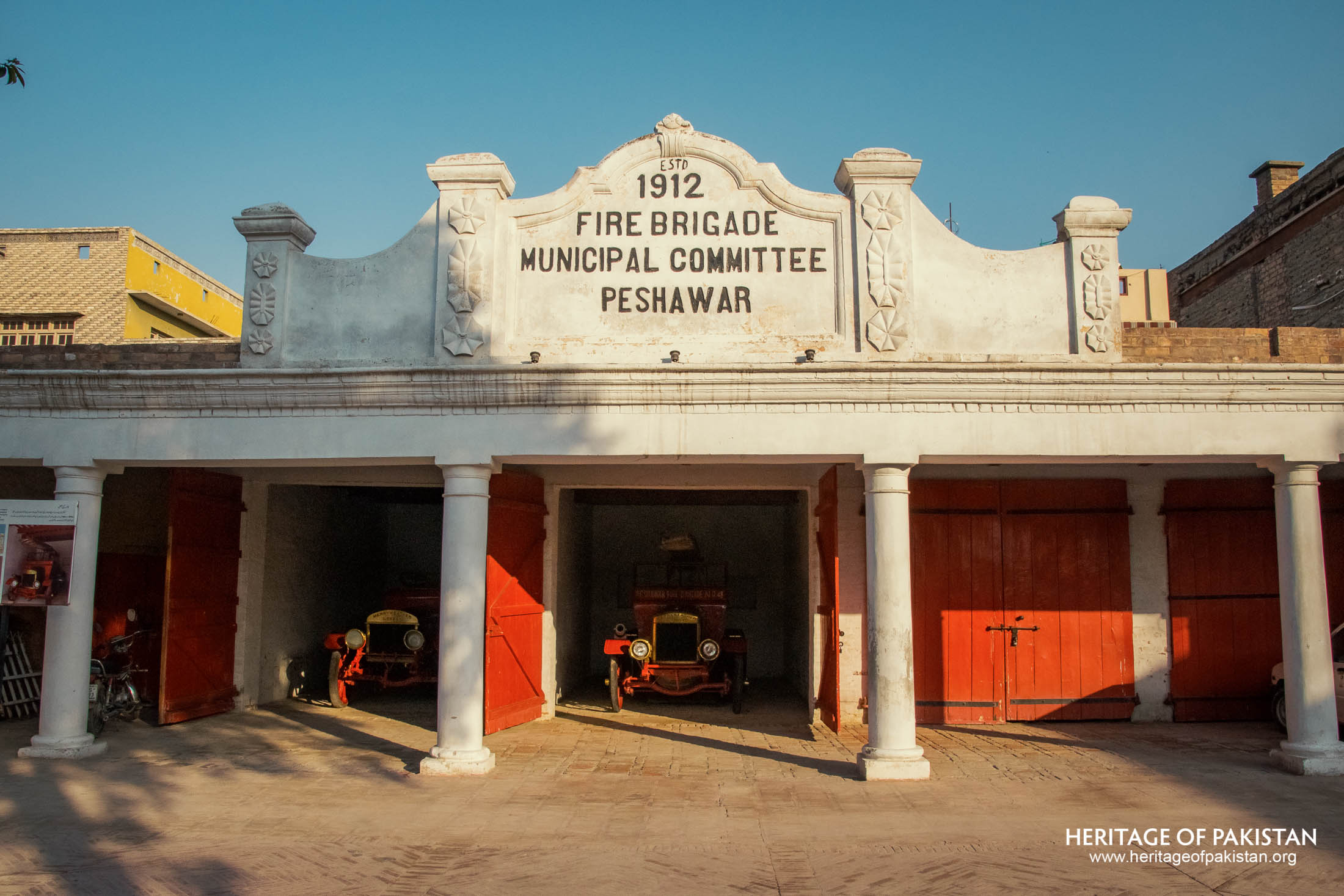
In British colonial times, Gor Khatri was converted into the City Police and Fire Brigade headquarters, where two fire engines from 1919 and 1921 are still preserved
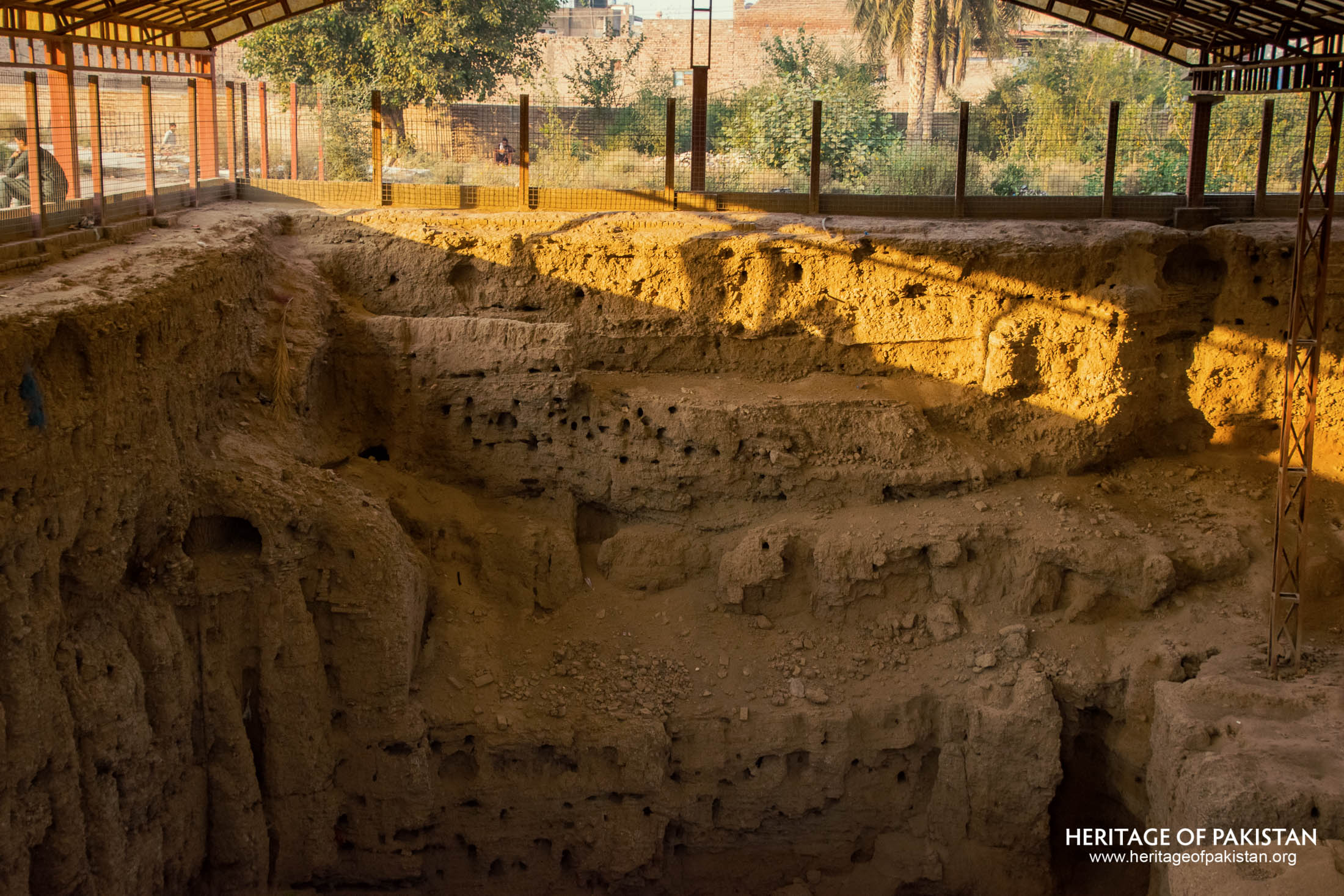
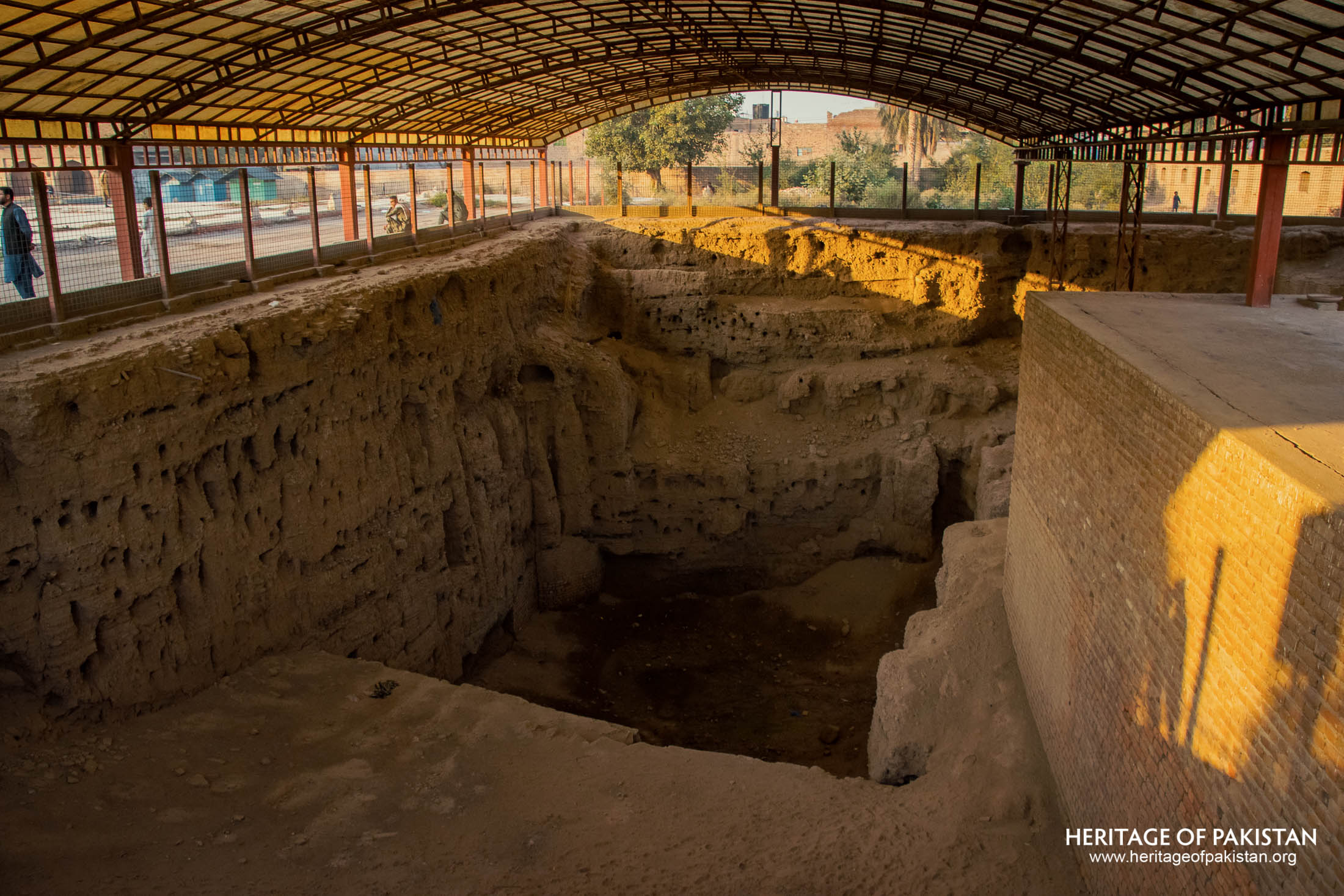
Excavations led by Professors F.A. Durrani and Ishan Ali revealed cultural layers dating from the Achaemenid and Mauryan periods to the Indo-Greek and Hindu Shahi eras
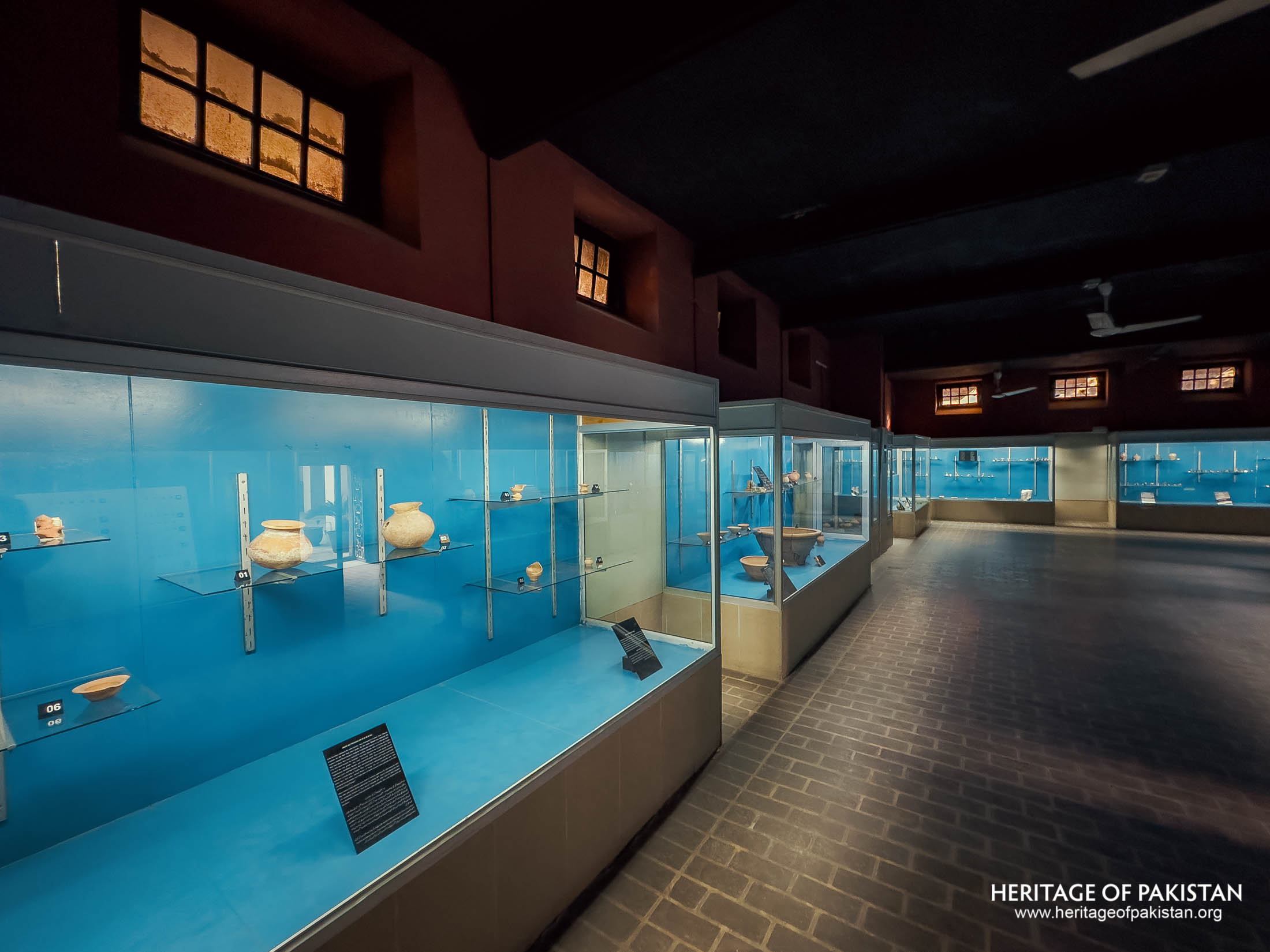
Today, the complex includes the City Museum, restored Mughal gateways, the Gorakhnath temple, and a large excavation trench, reflecting the multi-religious, multi-period history of Peshawar
