
Textarea
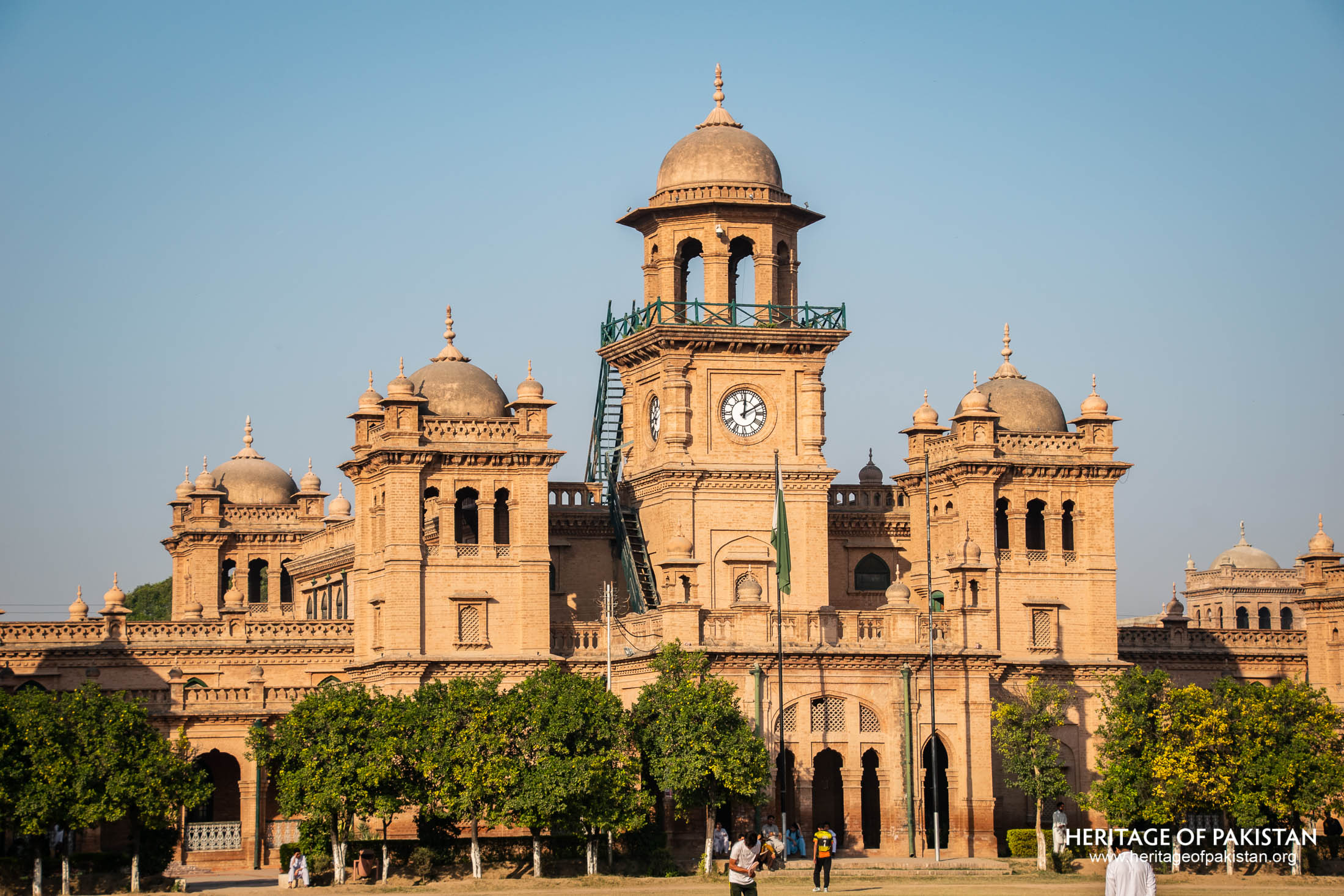
Islamia College Peshawar is one of the oldest and most prominent educational institutions in the former North-West Frontier Province, established in 1913.
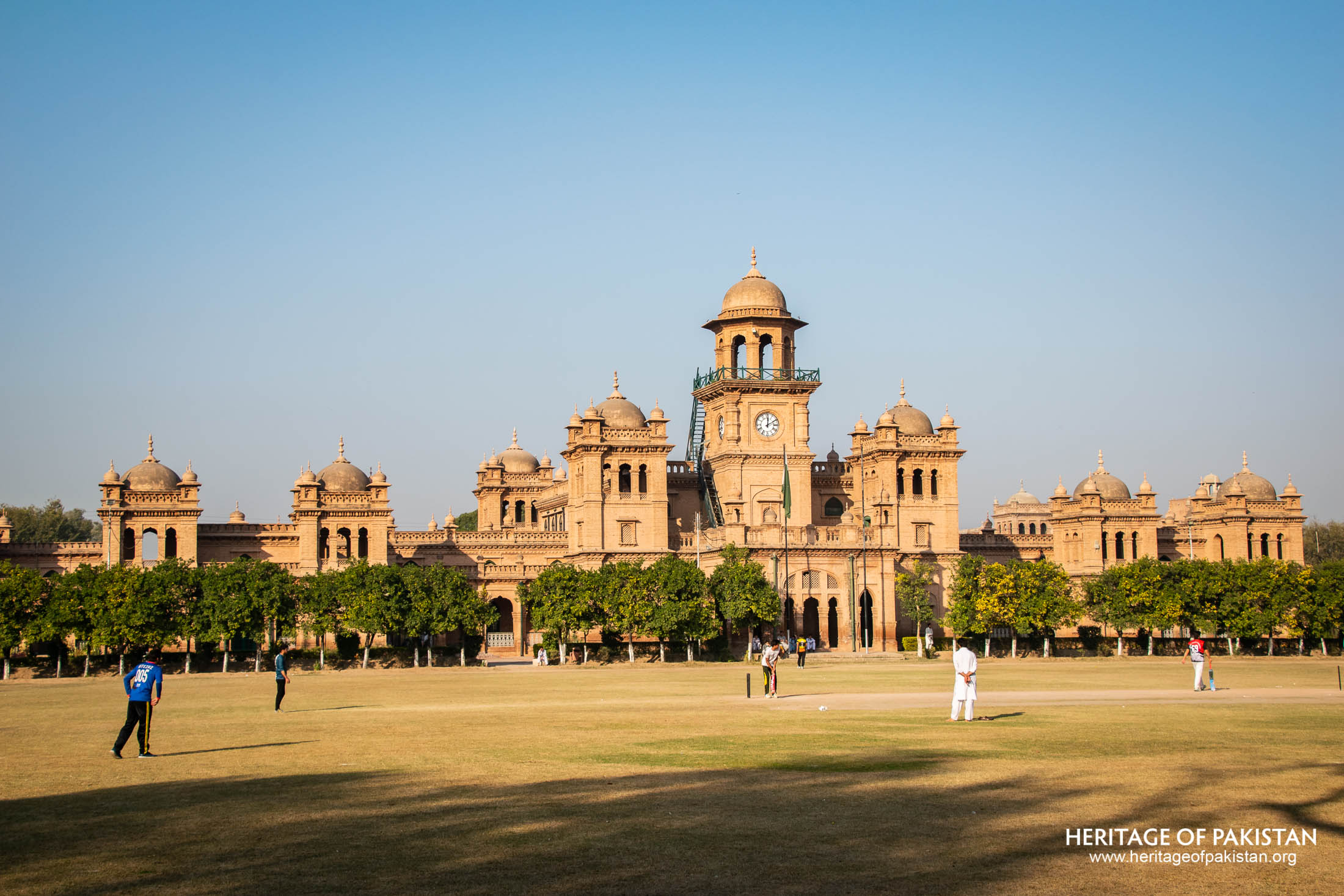
The foundation stone for the college building was laid by Sir George Roos Keppel in 1911, while the mosque's foundation was laid by Haji Sahib of Turangzai.
It was founded due to the lack of quality educational opportunities in the region, with contributions from leaders like Sir Sahibzada Abdul Qayyum Khan and generous donors including the ruler of Dir State and local businessmen.
Initially, the college started with 10 faculty members, one clerk, and one accountant, with Qayum Manzil and Hardinge as its two hostels.
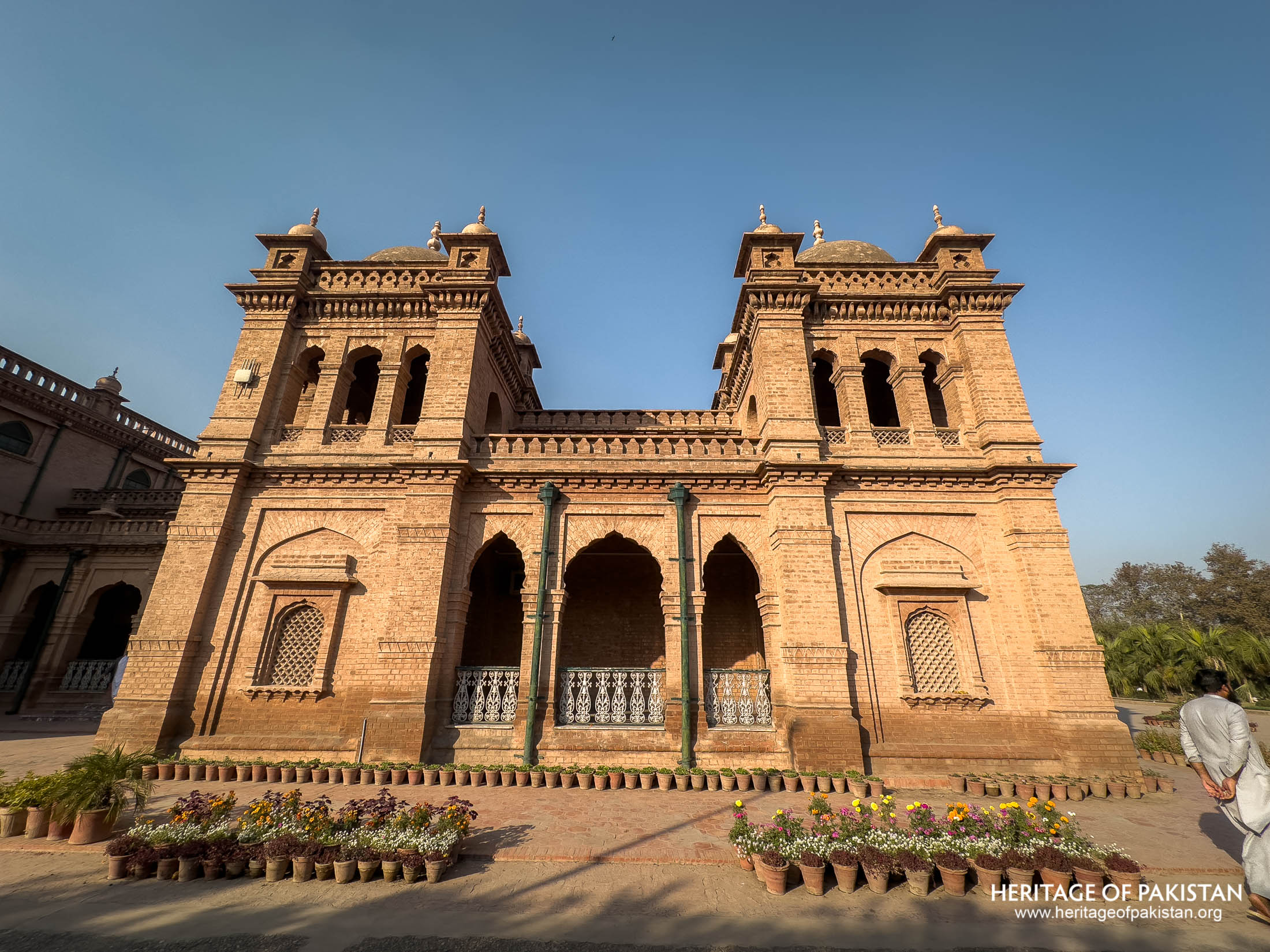
The college began functioning in October 1913, six months after the Collegiate School started in March 1913.
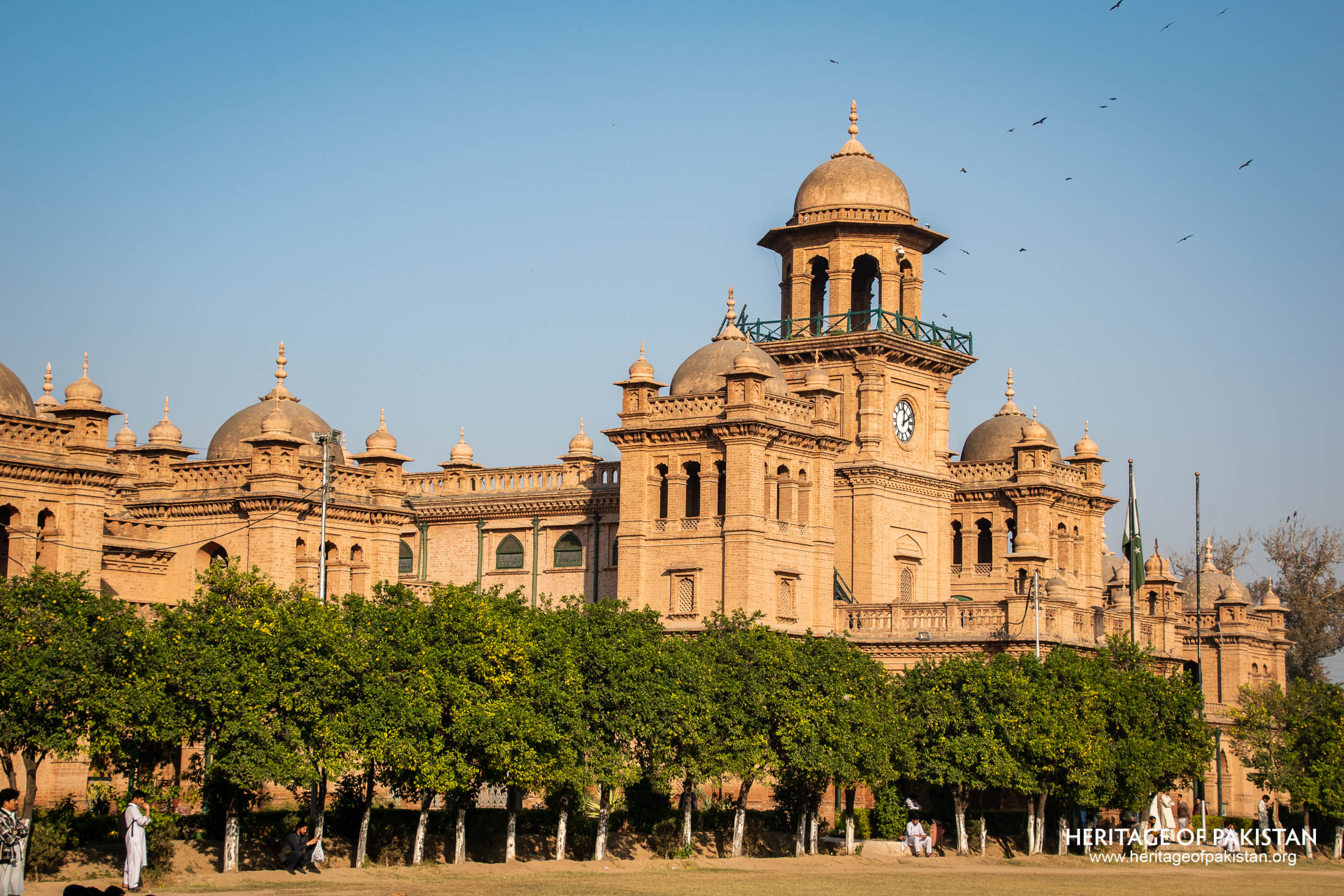
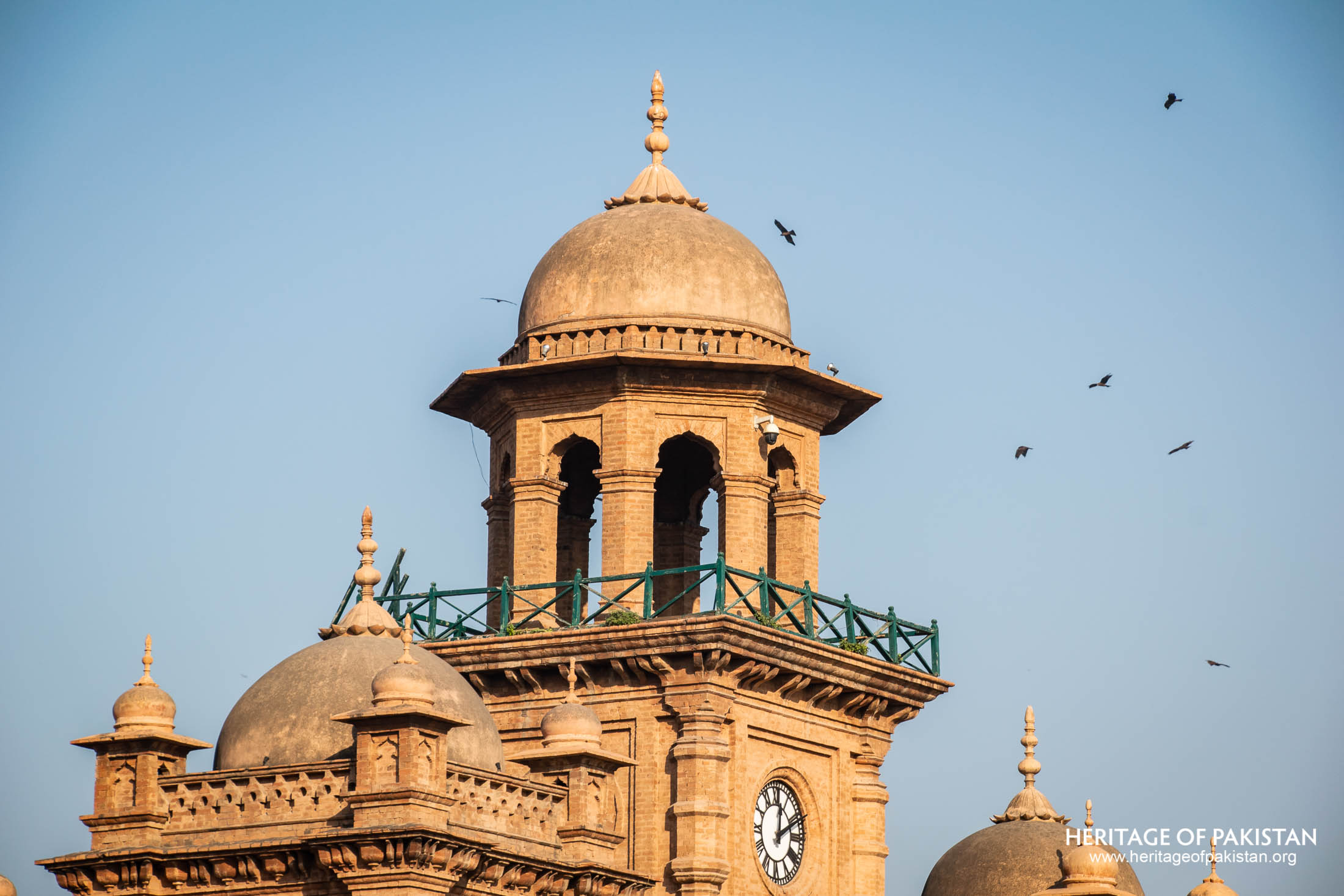
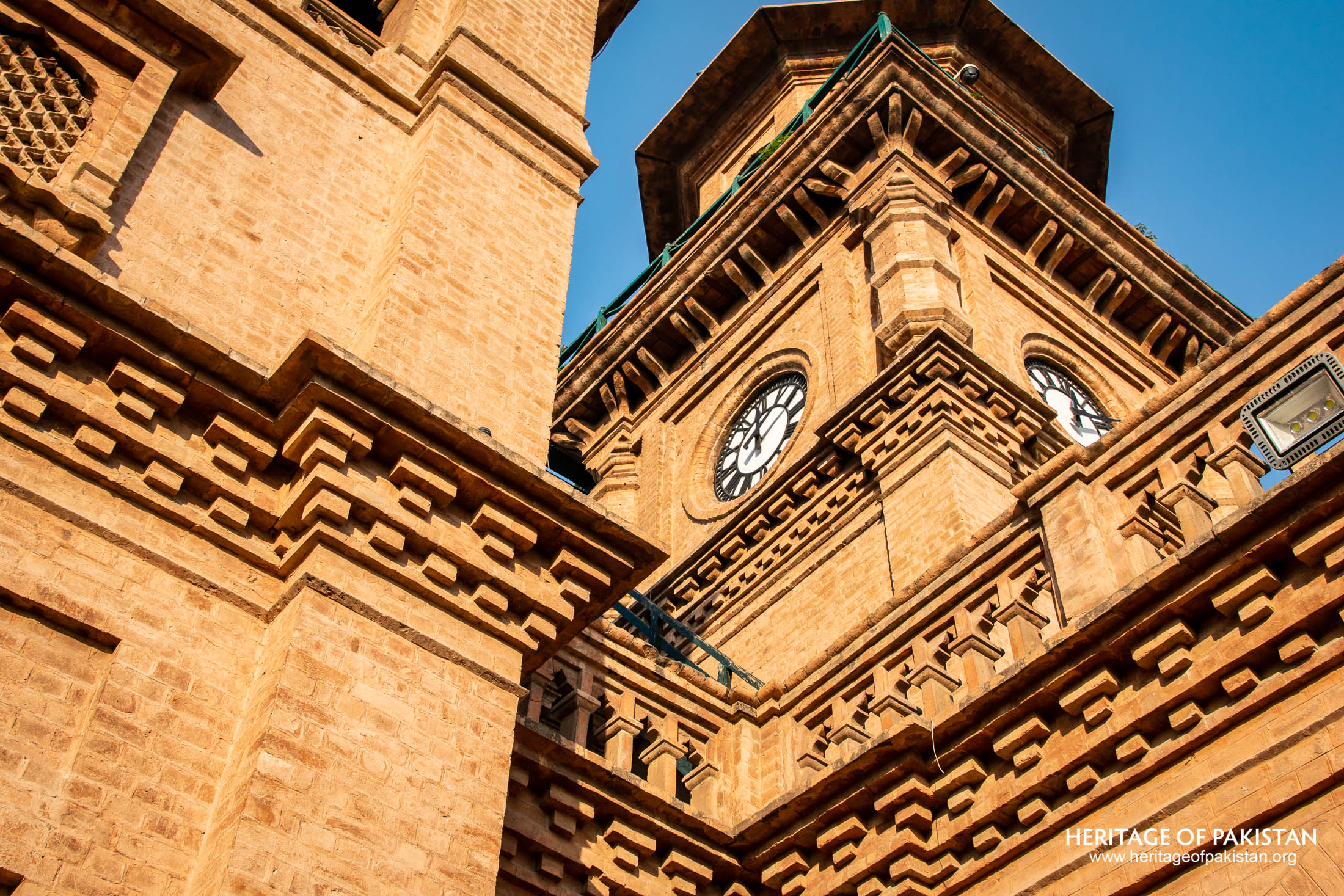
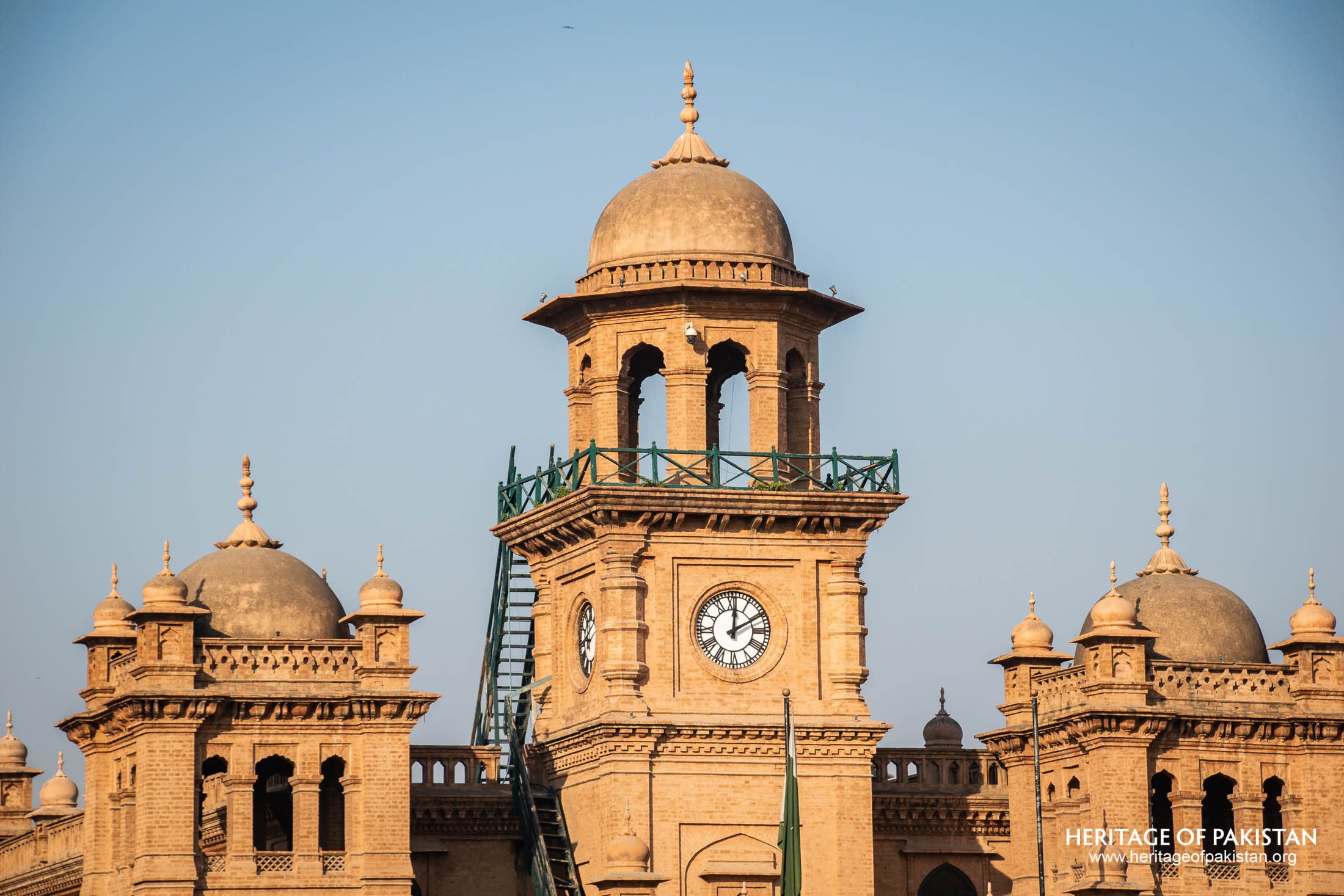
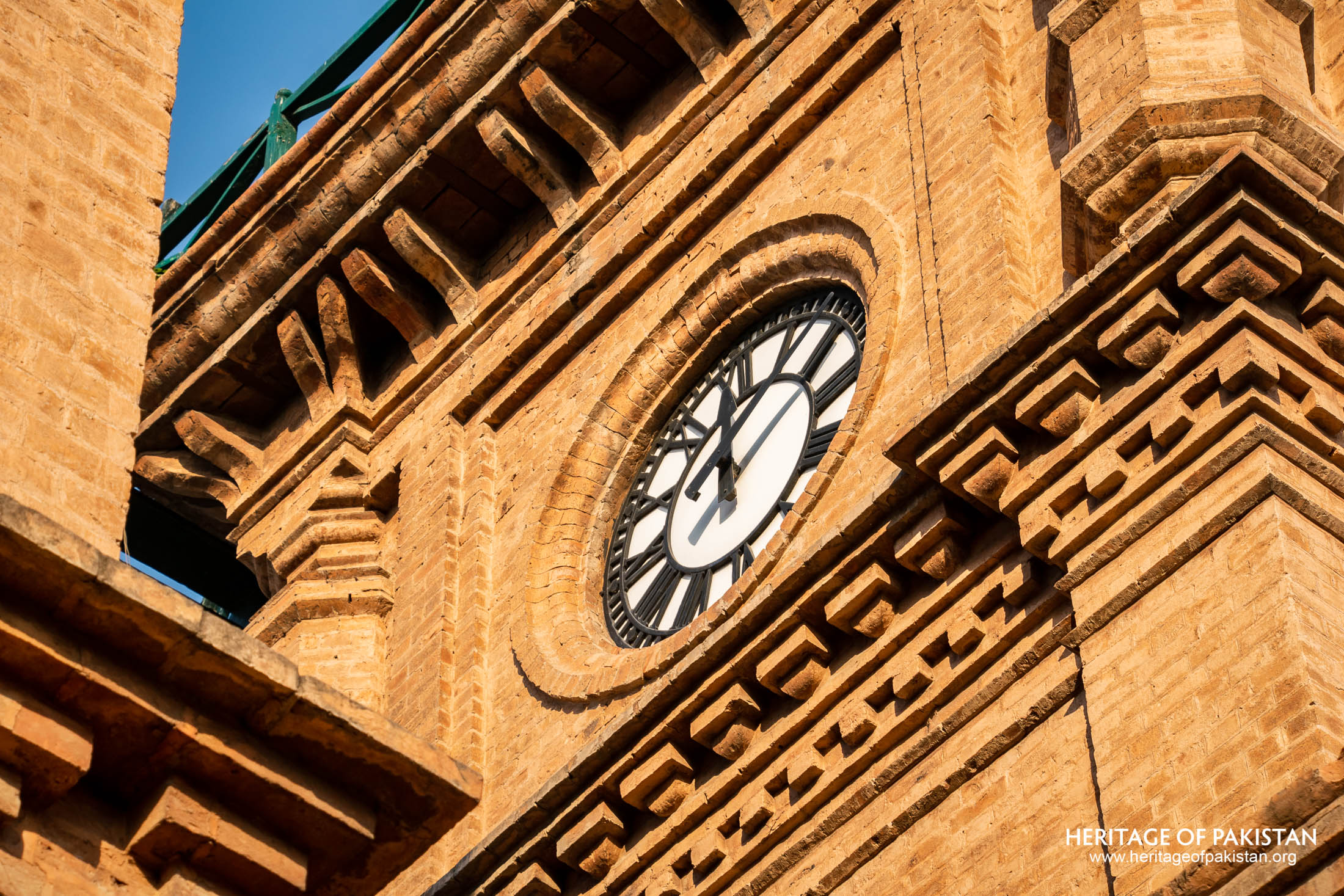
Its architecture is a notable example of Indo-Saracenic design, with a symmetrical layout, a tall central clock tower, domed chhatris, arched windows, jaalis, and Mughal-style turrets.
Quaid-e-Azam Muhammad Ali Jinnah visited the college in 1936, 1945, and 1948, praising its students for their role in the Pakistan Movement, and made the college an heir to his property in 1939.
In 1949, Chief Minister Khan Abdul Qayyum Khan initiated the plan to upgrade the college into a university, and Prime Minister Liaquat Ali Khan laid the foundation stone for Peshawar University.
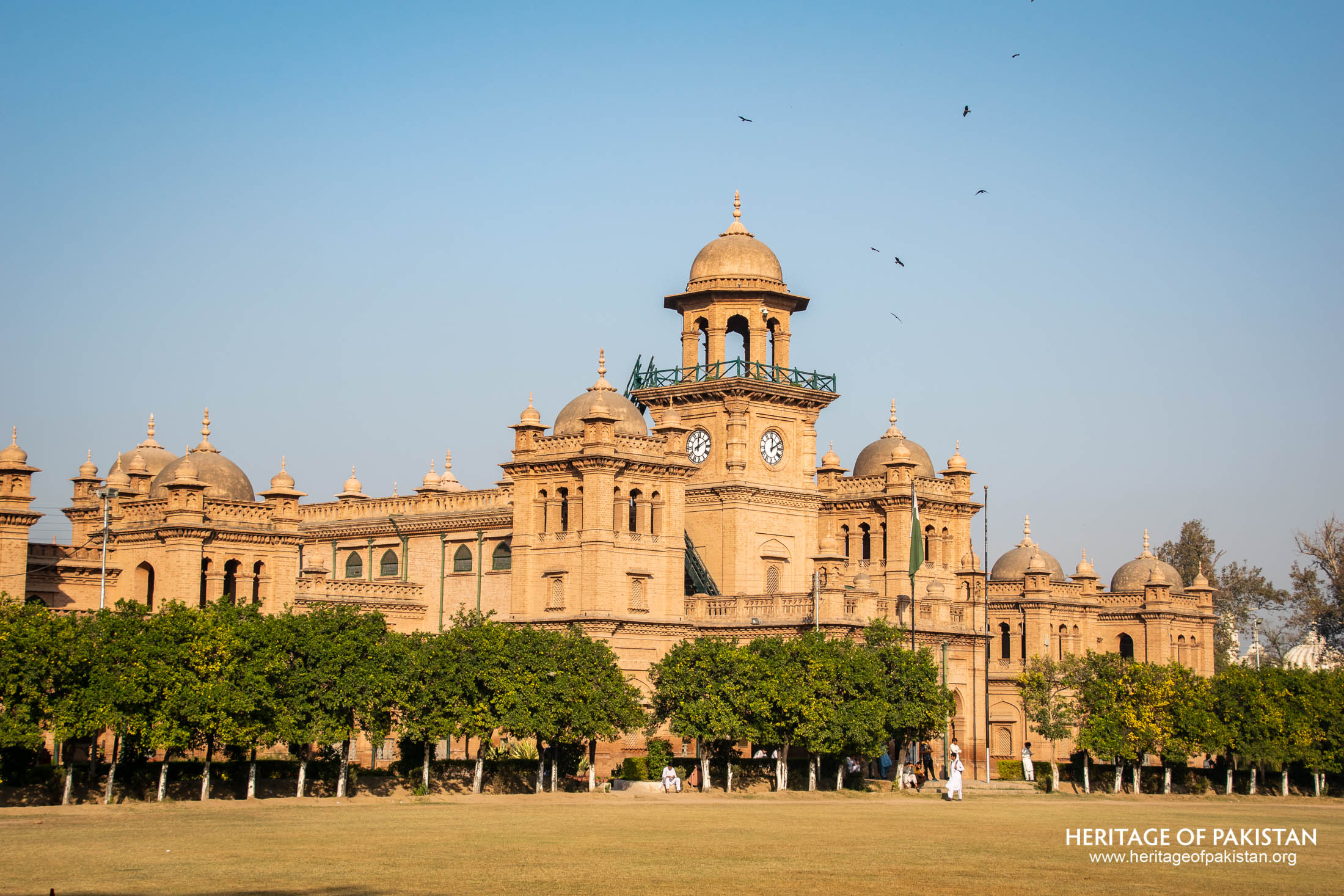
The main academic and administrative buildings lie to the south of the site, while staff residences are to the north, and a large open field in front is used for sports.
Today, Islamia College remains a symbol of academic excellence and cultural heritage, its iconic structure even featured on Pakistan’s 1000-rupee note.
