
Did You Know?
Quaid-e-Azam Muhammad Ali Jinnah made Islamia College one of the heirs to his property in 1939.
33°59'59.6"N 71°28'36.6"E
Quaid-e-Azam Muhammad Ali Jinnah made Islamia College one of the heirs to his property in 1939.
The Best Time to Visit mountain regions of Khyberpakhtunkhwa is Summers. Preferably from April to September. Winters are Extremely Cold and Snowfall blocks most of access. Hence Winters are not recommended.

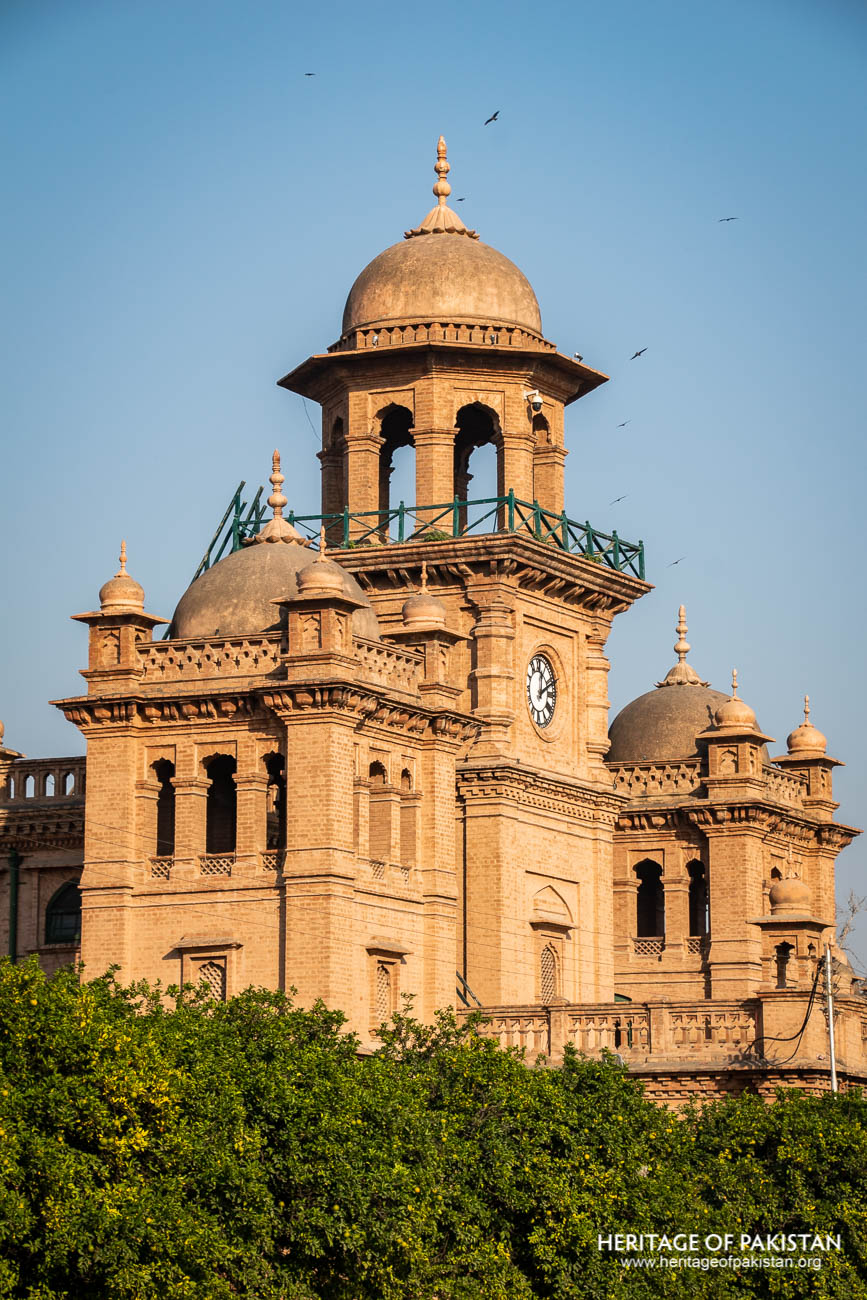
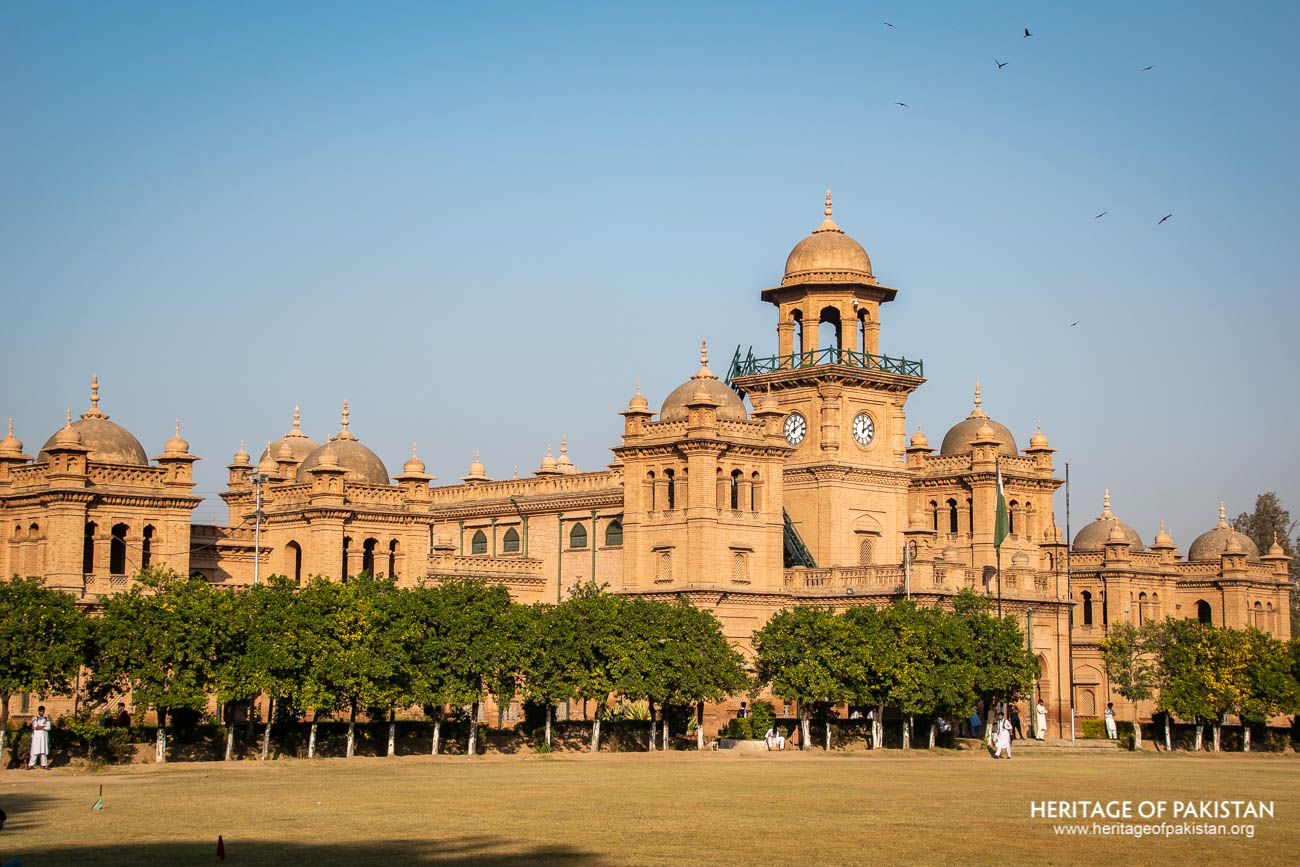
Islamia College Peshawar, also known as Dar-ul-Uloom Islamia, is one of the oldest and most esteemed educational institutions established in Peshawar, in what was then the North-Western Frontier Province. It was founded with the objective of providing quality education in a region where academic opportunities were scarce. The initiative was led by eminent leaders such as Sir Sahibzada Abdul Qayyum Khan and Sir George Roos Keppel, whose efforts laid the foundation of a legacy institution. The foundation stone of the Islamia Collegiate School and mosque was laid in 1911 by the renowned religious scholar and freedom fighter Maulana Fazal Wahid, popularly known as Haji Sahib of Turangzai. In the same year, Sir George Roos Keppel laid the foundation stone of the college building itself. The construction work began over an expanse of 916 kanals and 17 marlas, with substantial financial contributions from various benefactors. Sethi Karim Bakhsh, a prominent city businessman, contributed Rs. 50,000, while Abdul Karim Khan and Sahibzada Abdul Qayyum Khan donated Rs. 10,000 and Rs. 1,000 respectively. The ruler of the Dir State offered Rs. 125,000 along with 400 trees to support the project.
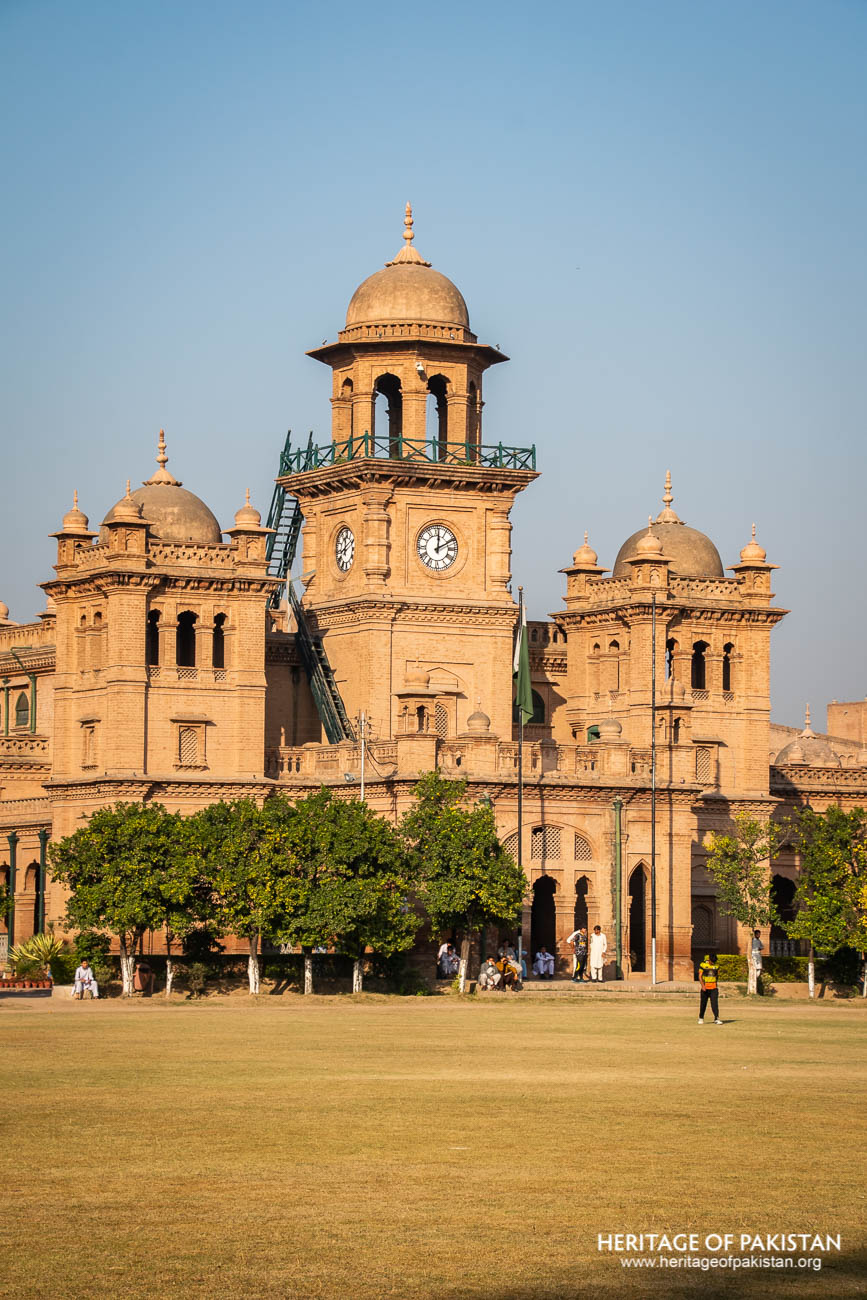
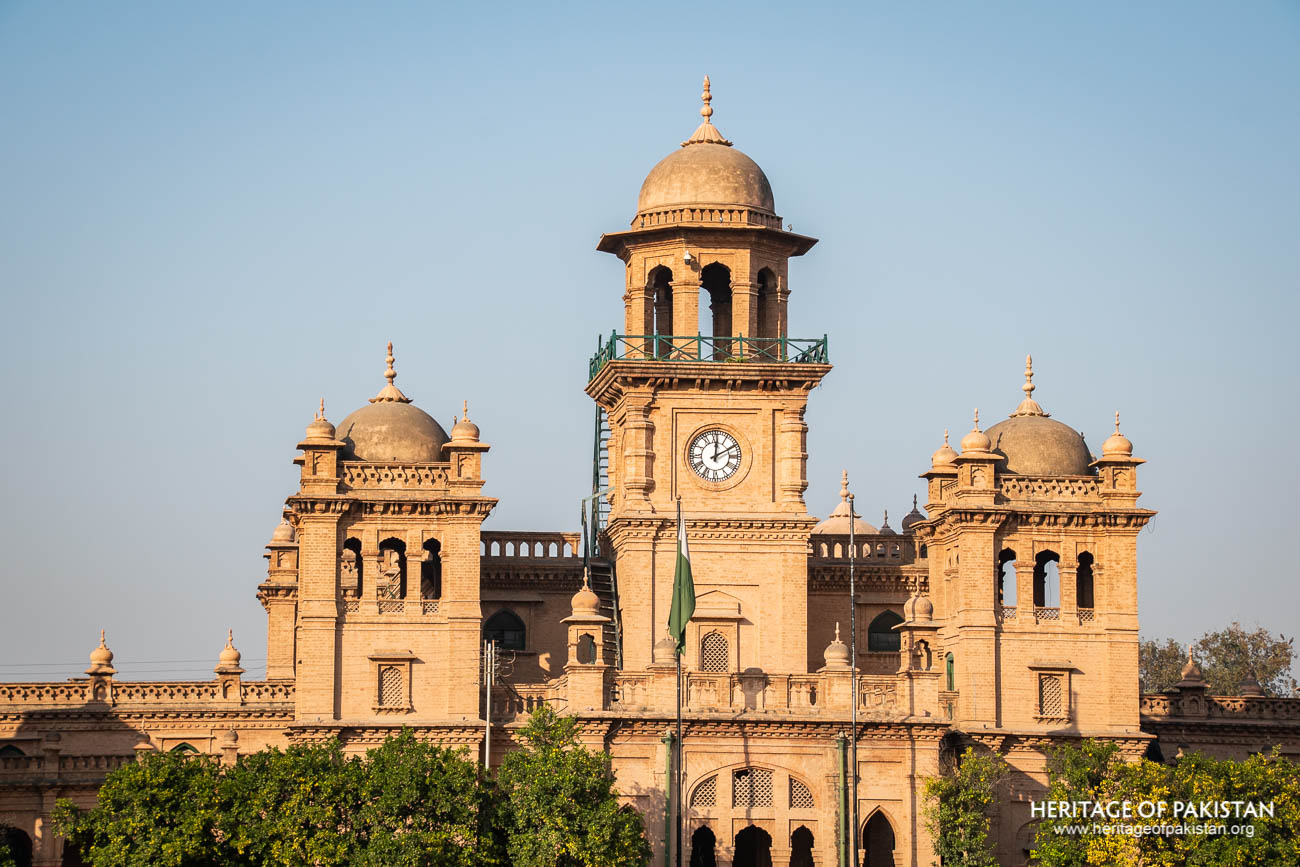
Construction made notable progress in the second half of 1912, and by October 1913, the college building was completed and officially inaugurated. The Islamia Collegiate School began functioning in March 1913, and the college commenced operations six months later, in October. At its inception, the college operated with a modest staff of ten faculty members, one clerk, one accountant, and two hostels named Qayum Manzil and Hardinge. Sahibzada Khurshid Khan, who later became Governor of NWFP, was the first student to be admitted. Mr. L. Tipping was appointed the first principal of the college, with Allama Inayatullah Mashraqi serving as vice principal. The college quickly gained prominence, and the demand for its elevation to university status began as early as the 1930s.
The aspiration to transform Islamia College into a university materialized in 1949 when Chief Minister Khan Abdul Qaiyum Khan initiated plans to upgrade it. The foundation stone for the University of Peshawar was laid in 1950 by Prime Minister Liaquat Ali Khan. Initially, the university operated from the Agriculture Department building before expanding into new buildings to accommodate the full scope of university functions. Islamia College, thus, played a crucial role in the formation of higher education infrastructure in the region.
Islamia College holds a special place in the political and cultural memory of Pakistan. Quaid-e-Azam Muhammad Ali Jinnah visited the college on three occasions—1936, 1945, and 1948. During his last visit on 12 April 1948, he addressed the students and remarked, “I am very happy to be present here today and to have the privilege of addressing the students of this great Darul Uloom, who are the future builders of Pakistan. On this occasion the thing uppermost in my mind is the help that came for the movement and achievement of Pakistan from the student community, particularly from this province. May I say that you played your part magnificently.” In 1936, Jinnah had also become a lifelong honorary member of the Khyber Union of Islamia College Peshawar. In 1939, he made the college one of the heirs to his property. The Quaid Trust subsequently paid Rs. 1,08,11,600 in different installments to the college, contributing further to its growth and sustainability.
Sahibzada Abdul Qayyum, often referred to as the “Sir Syed of the Frontier,” was instrumental in the founding of the institution in 1913, along with his committed associates. His efforts were aimed at creating a centre of excellence in education, modeled after the vision of Sir Syed Ahmed Khan. Today, the building of Islamia College is not only a symbol of educational achievement but also a national icon, featured on the Rs. 1,000 currency note of Pakistan.
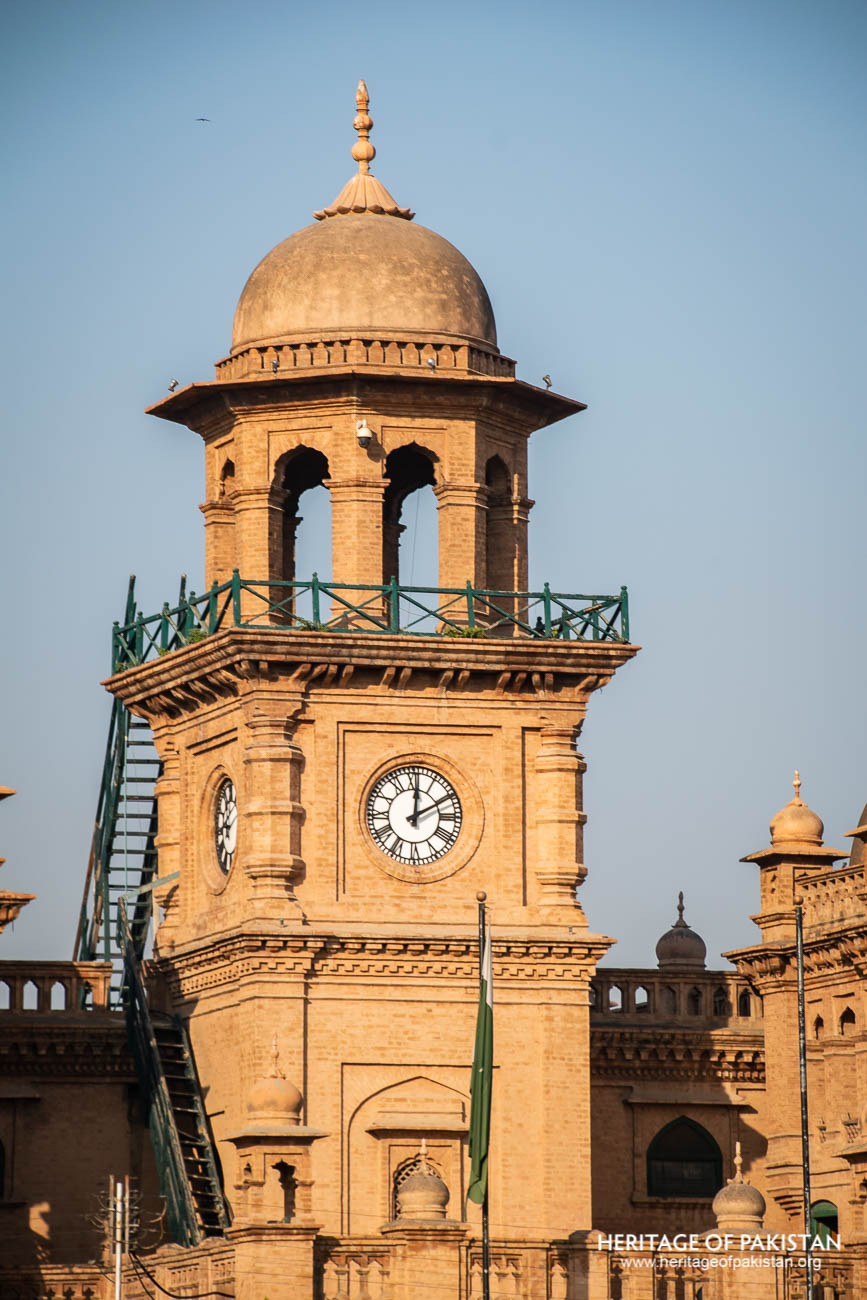
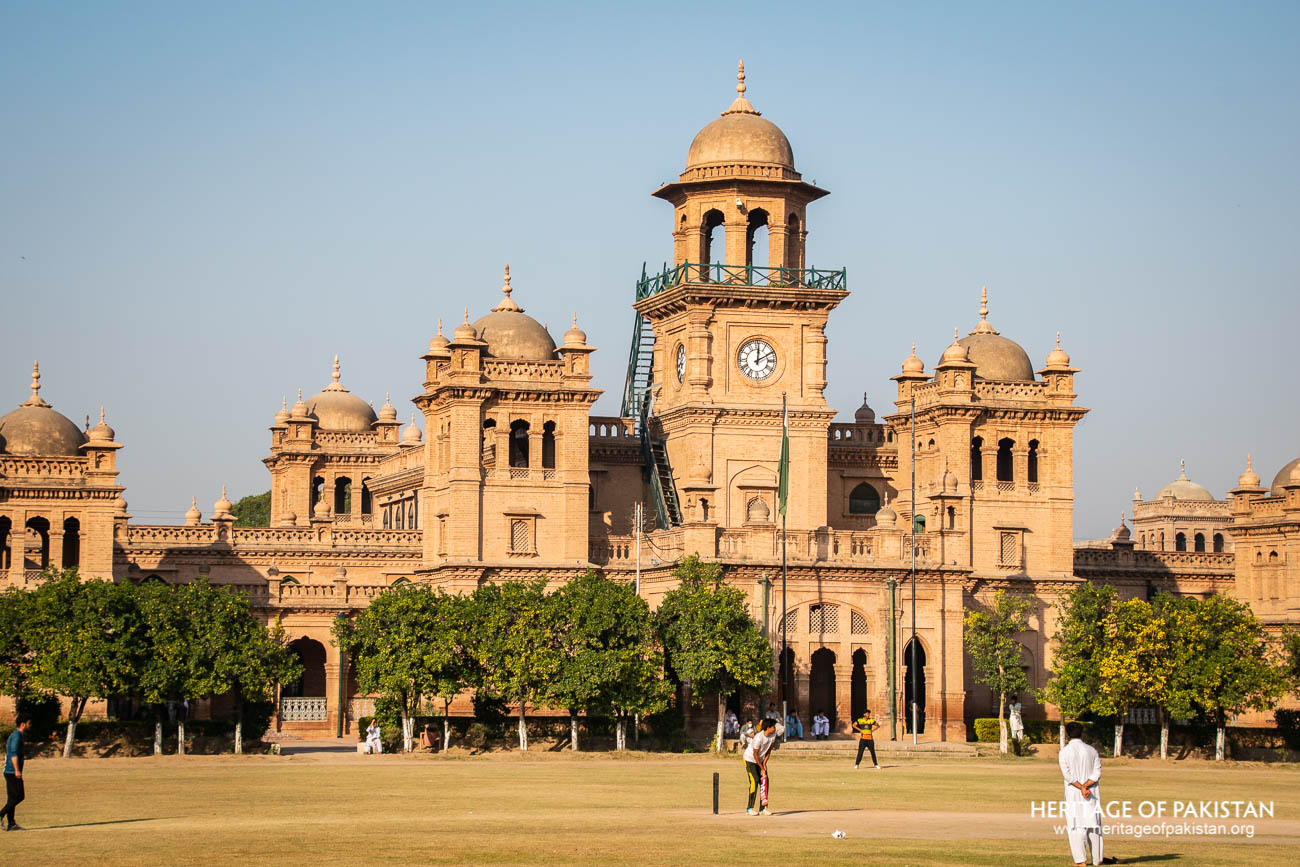
Islamia College Peshawar stands as one of the most remarkable architectural specimens in Pakistan, admired for both its historical importance and distinctive design. The college's architectural character is rooted in the Indo-Saracenic Revival style, also referred to as the Neo-Mughal style. This hybrid architectural idiom was actively promoted by the British in colonial India, particularly from the late 19th to the early 20th centuries. It was intended to convey imperial authority while incorporating regional cultural expressions. The style draws upon a combination of Mughal, Sultanate, and Rajput architectural features, harmoniously merged with elements from Victorian and Edwardian architecture. Islamia College Peshawar thus became an iconic embodiment of this synthesis, showcasing a built environment that resonated with both local traditions and colonial aspirations.
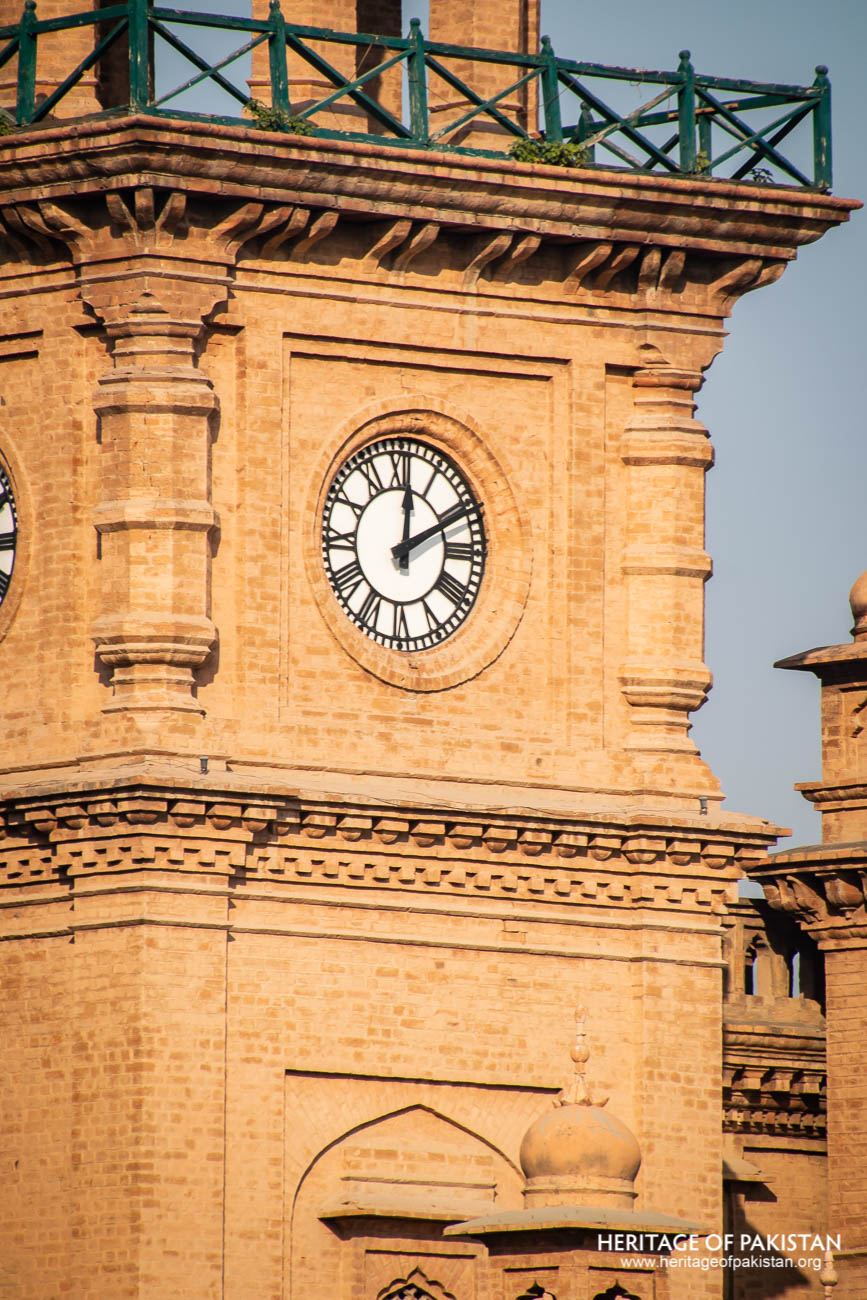
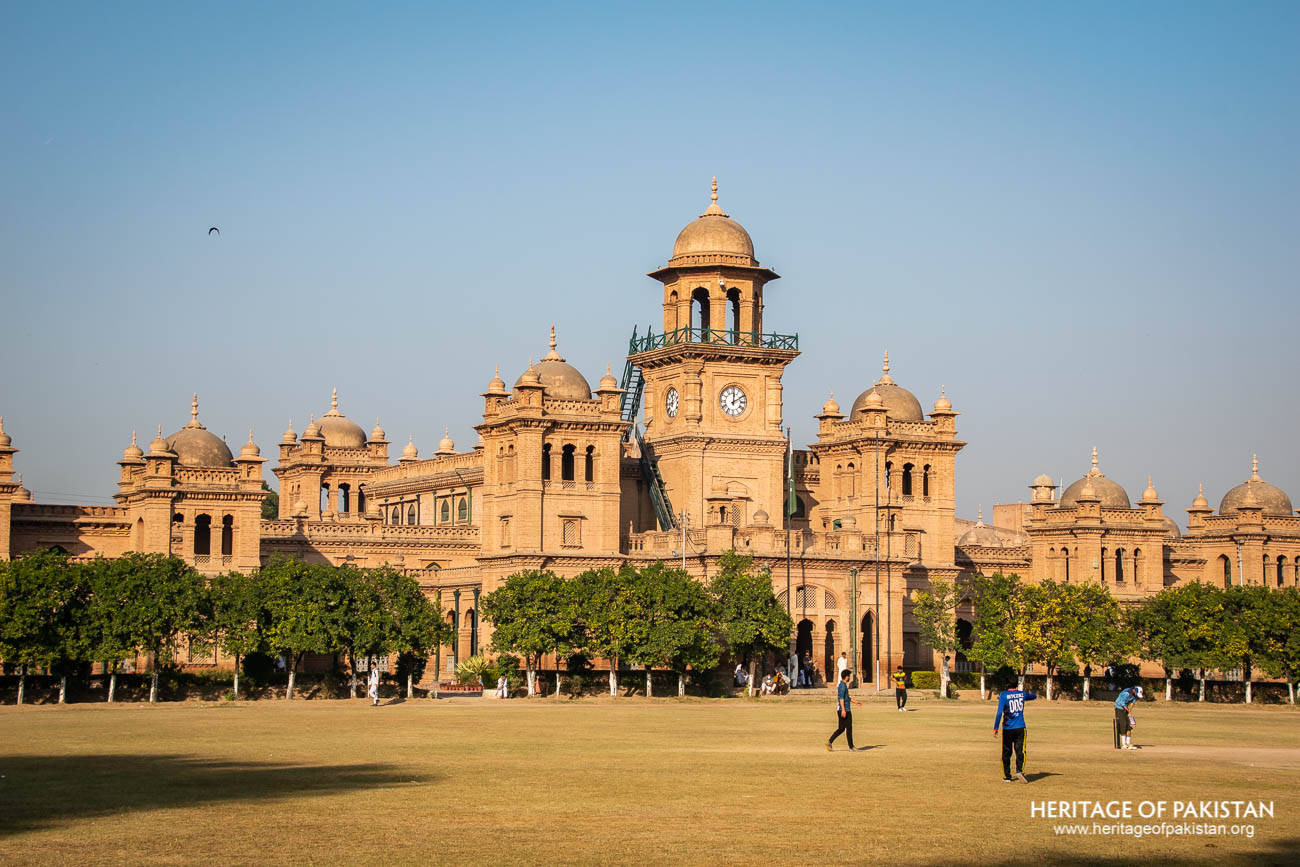
The main building of Islamia College is symmetrical in layout, with its most dominant visual element being a tall clock tower positioned centrally. At the base of this tower are four open chhatris—domed kiosks in the Mughal style—which add vertical emphasis to the composition. The building’s domes are bulbous in form and set atop drums, crowned with lotus-finial spires, recalling Mughal tomb architecture. Octagonal and square turrets emerge at the corners of the primary structure and its adjoining wings, invoking the image of Mughal minarets. These turrets are topped with small domes and are decorated with miniature columns and crenellated merlons, enhancing the skyline silhouette of the college.
Architectural detailing across the façade includes recessed blind arches, ornamental pilasters, and decorative parapets that provide visual depth and rhythm. Lattice screens, or jaalis, are employed within window openings and archways, continuing the Mughal aesthetic of filtered light and privacy. The exterior walls of the structure are constructed of brick, providing both strength and thermal insulation suitable for the region's climate. The building contains classrooms, administrative offices, and a hall named after Sir George Roos-Keppel—the Chief Commissioner of the North-West Frontier Province and the college’s founder. This hall is centrally located, maintaining the symmetrical integrity of the overall design.
To the south of the main building lie the teaching and administrative spaces, while residential quarters for faculty and staff are positioned to the north. In front of the principal structure extends a large open ground, regularly used by students for sports and other recreational activities. Adjacent to the college stands its white-plastered mosque, a graceful structure featuring three prominent domes. The mosque not only contributes to the religious life of the campus but also complements the overall architectural harmony of the college grounds.
Islamia College Peshawar, through its spatial composition and stylistic synthesis, reflects the larger narrative of Indo-Saracenic architecture—an attempt to bridge colonial and local identities through the built form. Its enduring legacy continues to inspire admiration, both for its educational contributions and its architectural excellence.
All Photographs by Syed Noor Hussain and Sania Azhar.
All Rights Reserved. Photos may be used for Non-Commercial, Educational, Artistic, Research, Non-Profit & Academic purposes.
Commercial uses require licensing agreement.

Syed Noor Hussain
July 23, 2025 at 4:07 amBest