
Textarea
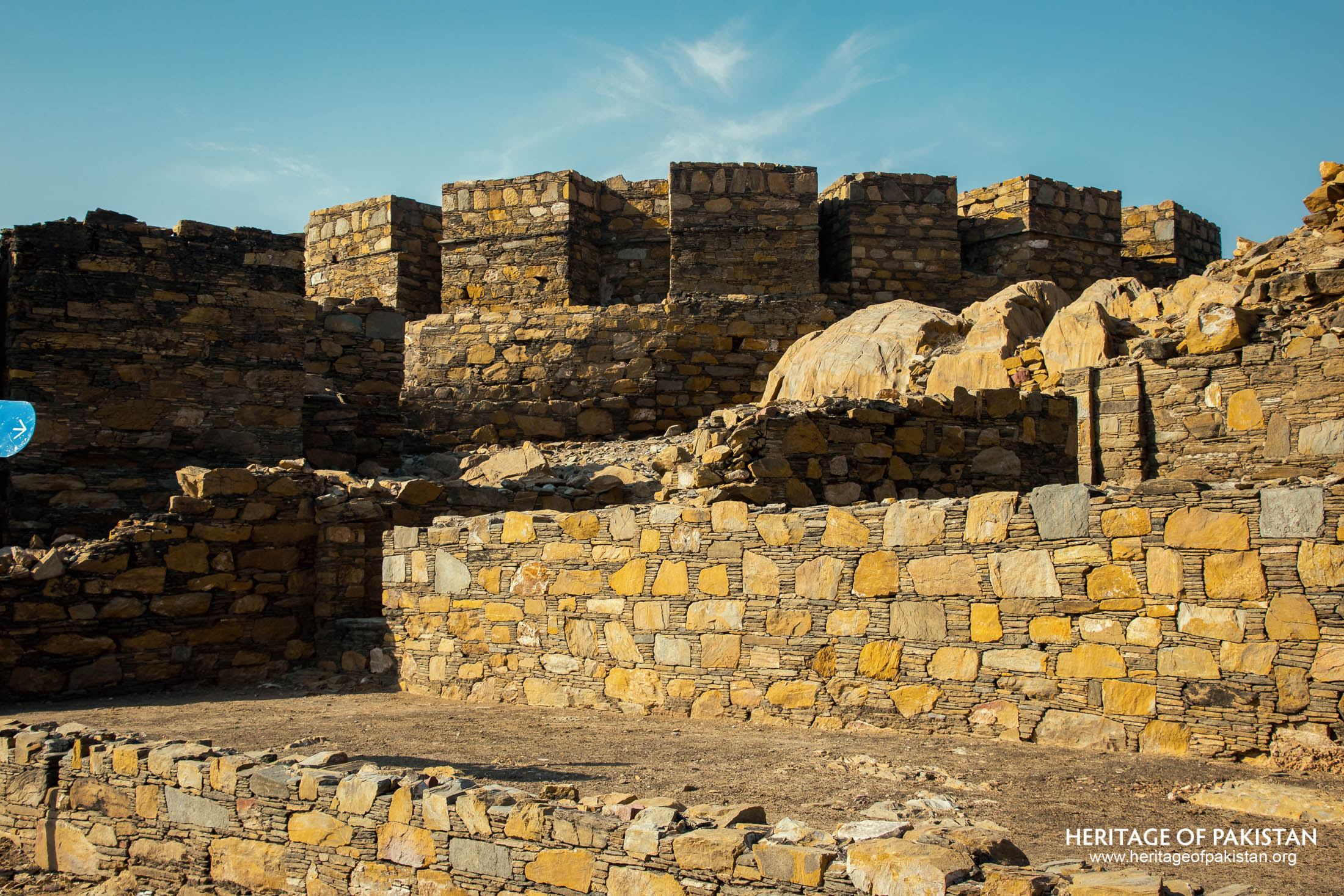
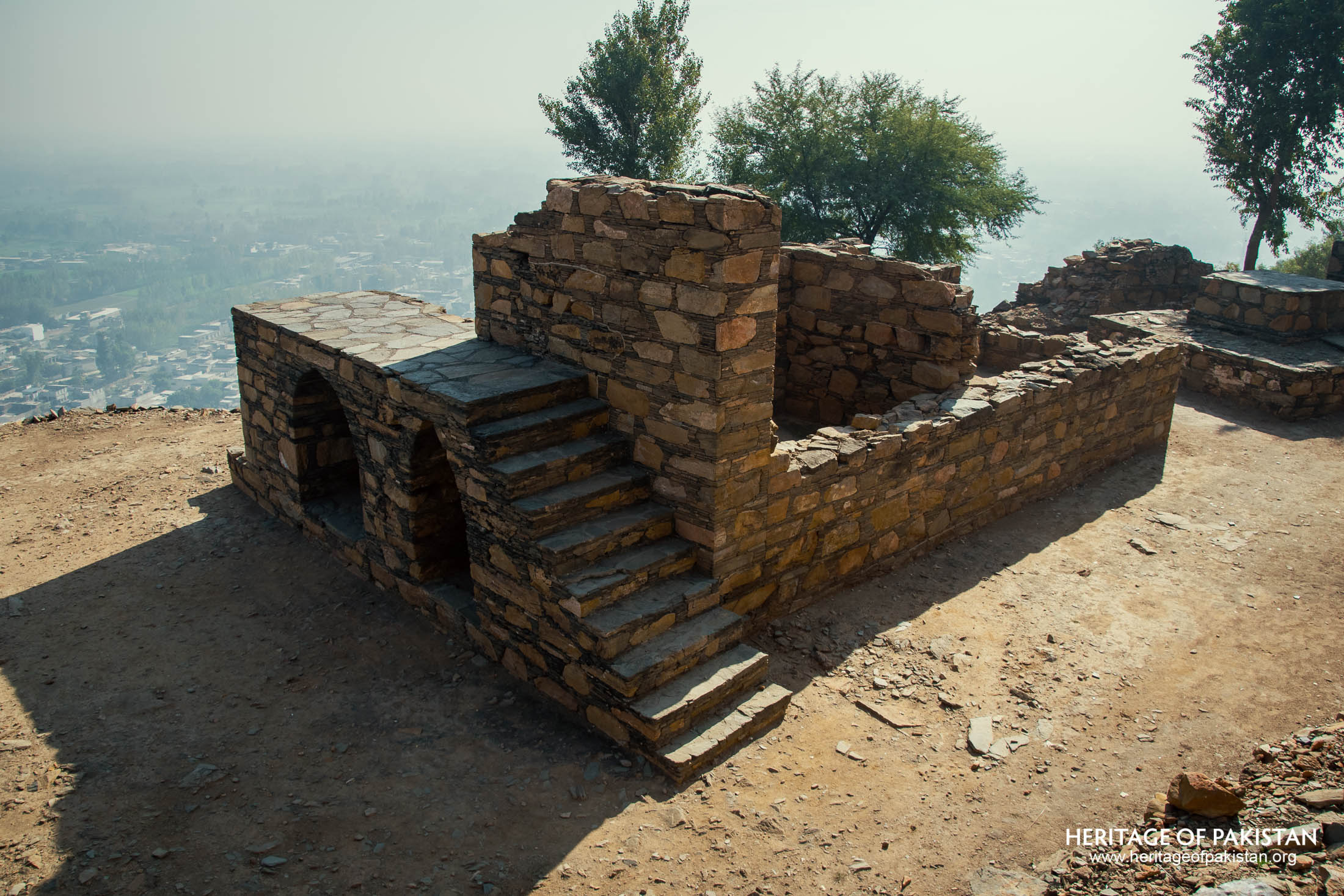
Jamal Garhi is a Buddhist archaeological site located approximately 18 kilometers from Mardan, situated on a mountain that offers a commanding view of the surroundings.
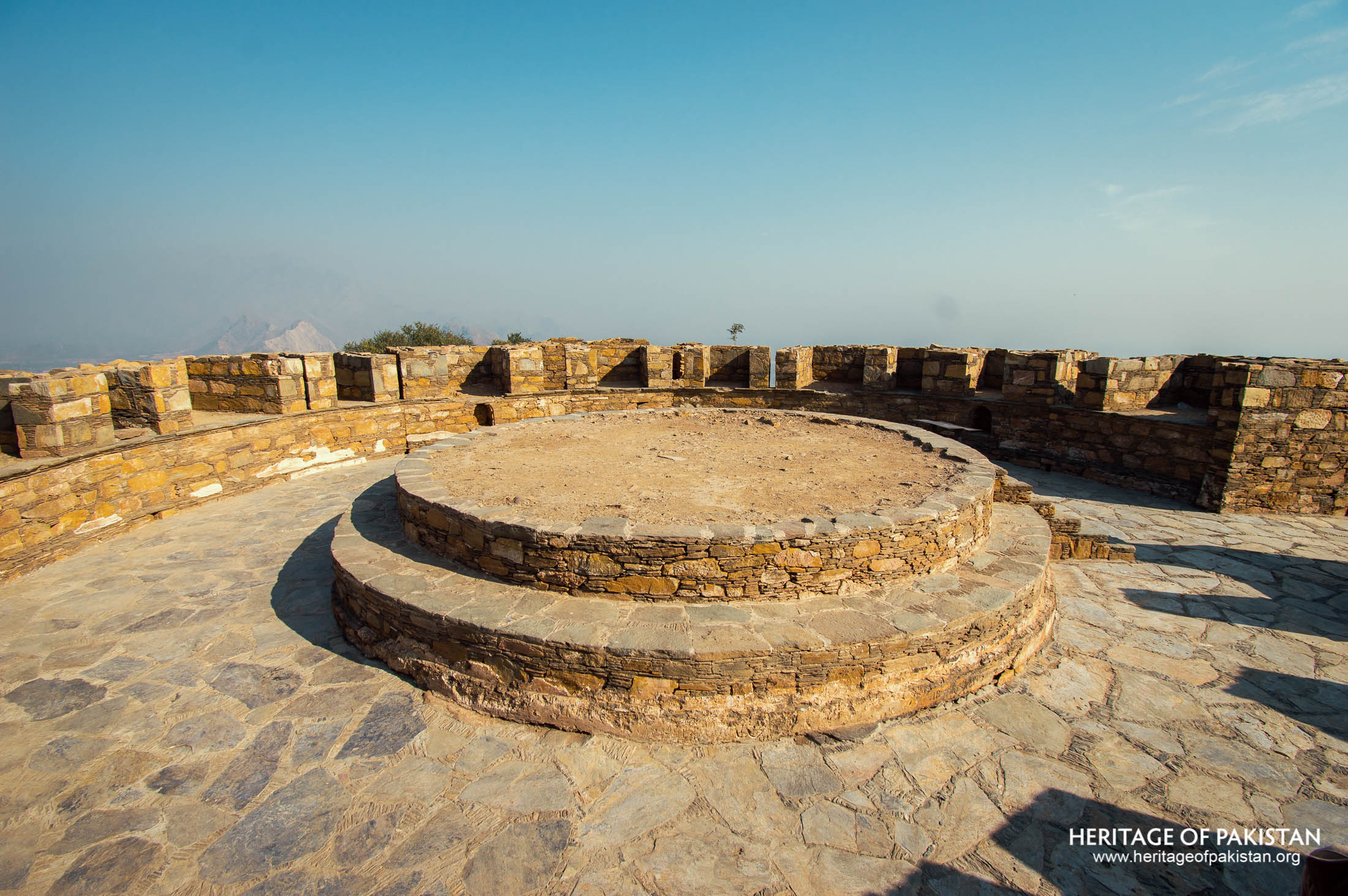
The site is divided into two main sections: the stupa area and the monastic complex.
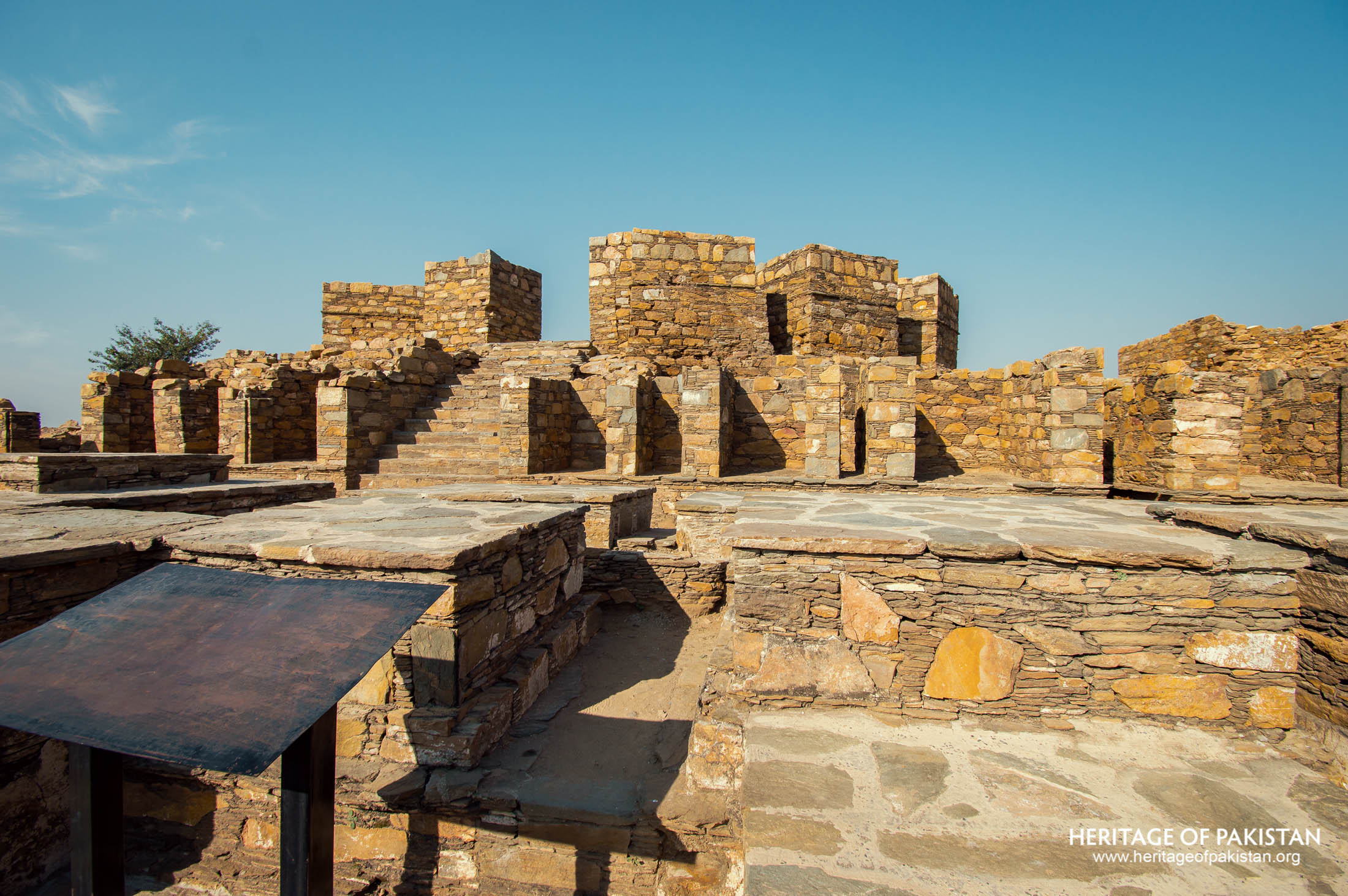
The stupa area consists of three levels, with the main stupa at the top, followed by the Upper and Lower Votive Stupa Courts.
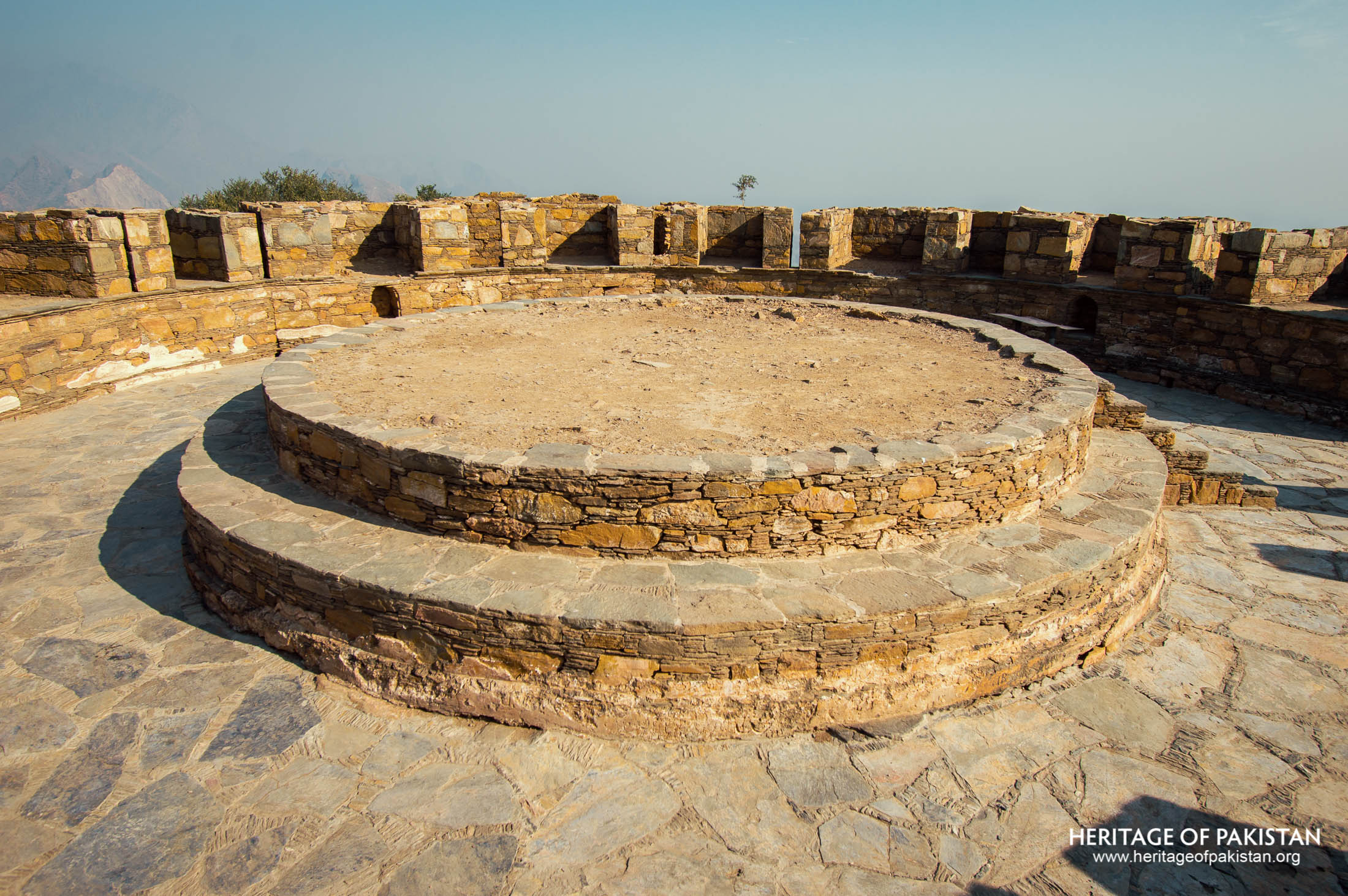
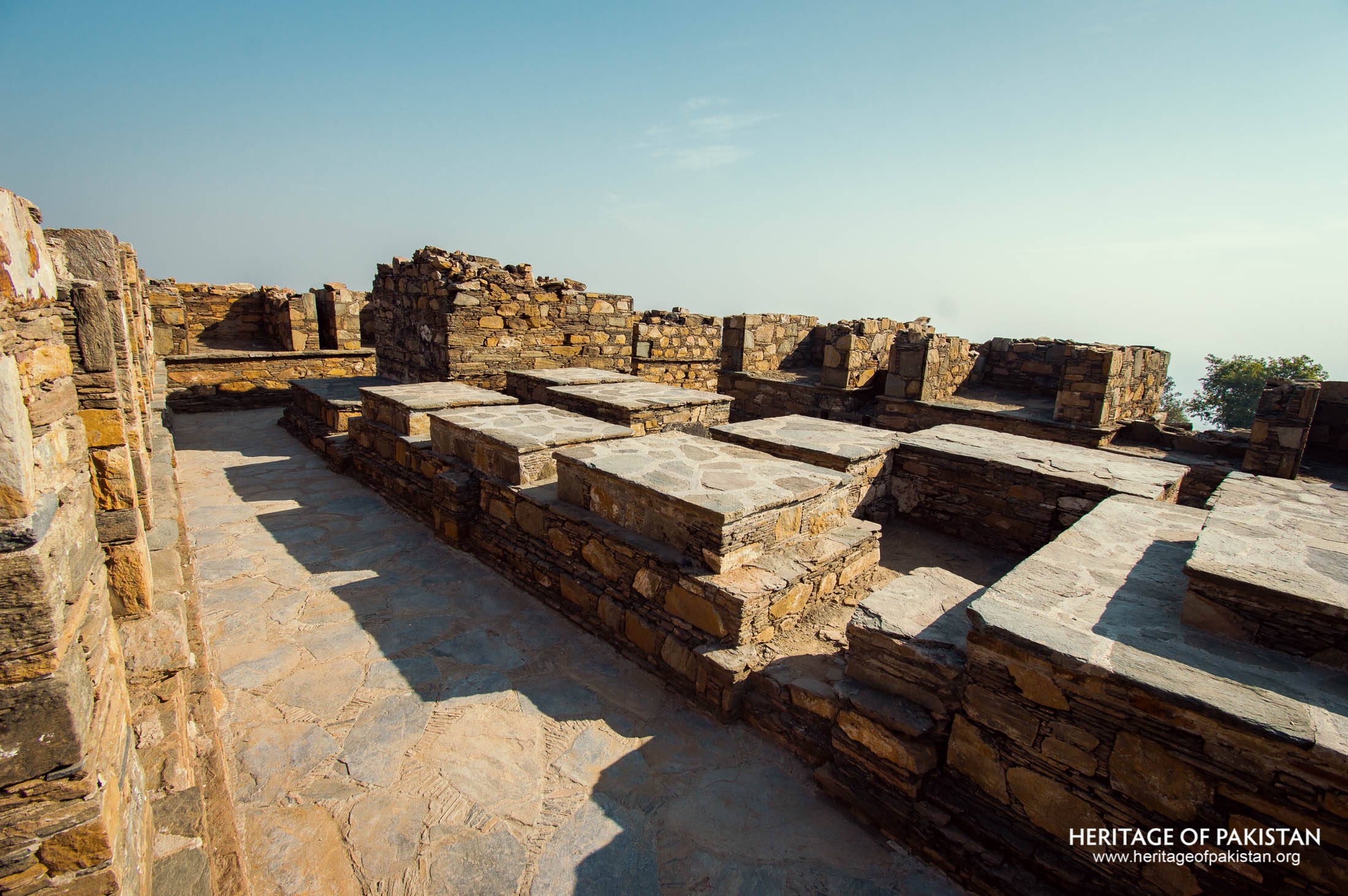
The main stupa, circular in plan and featuring a double pradakshina patha, is surrounded by fifteen chapels and once contained painted stucco sculptures.
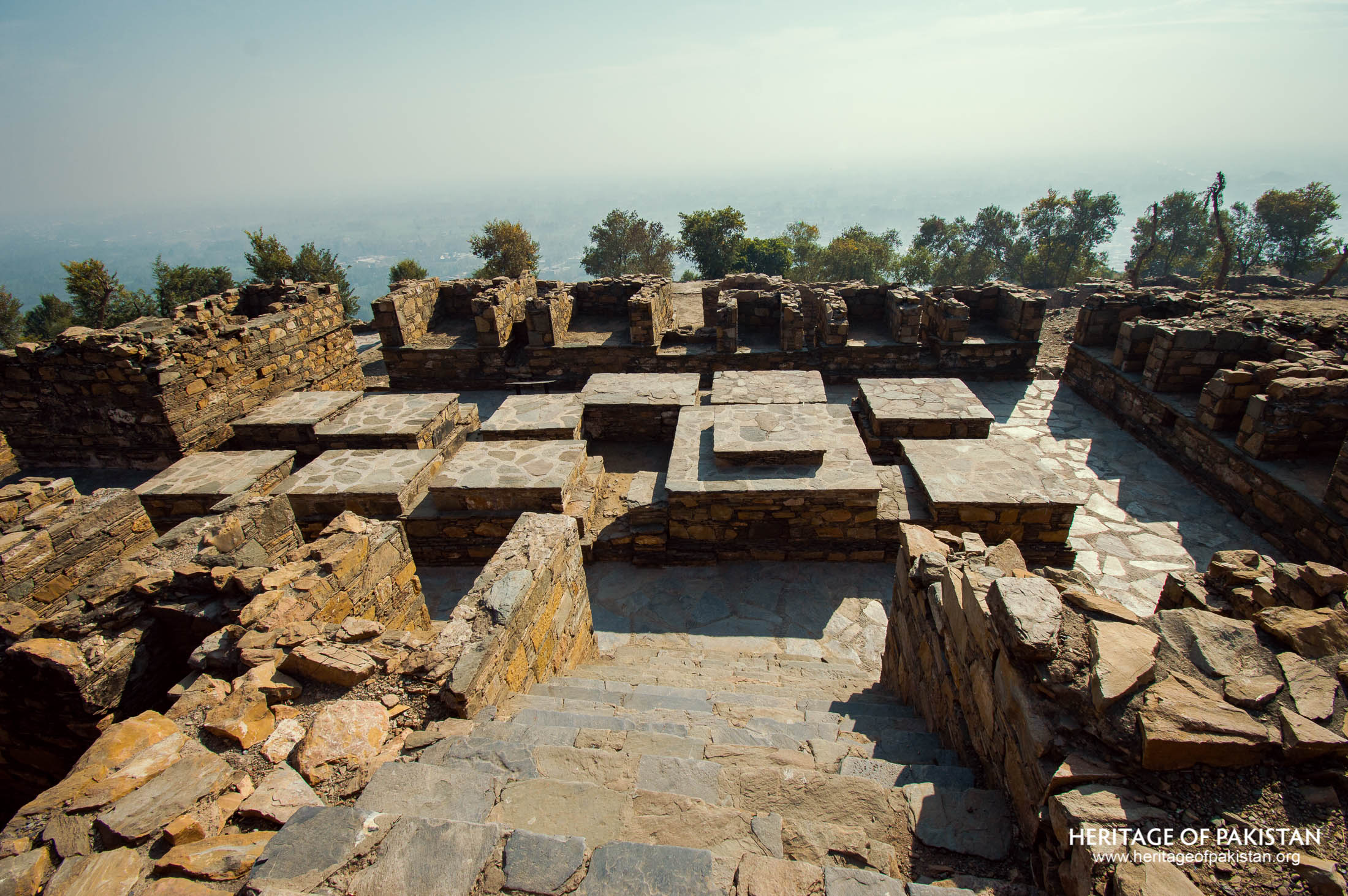
Below the main stupa, the Upper Stupa Court has thirteen votive stupas and twenty surrounding chapels, while the Lower Stupa Court contains eight votive stupas with chapels on three sides.
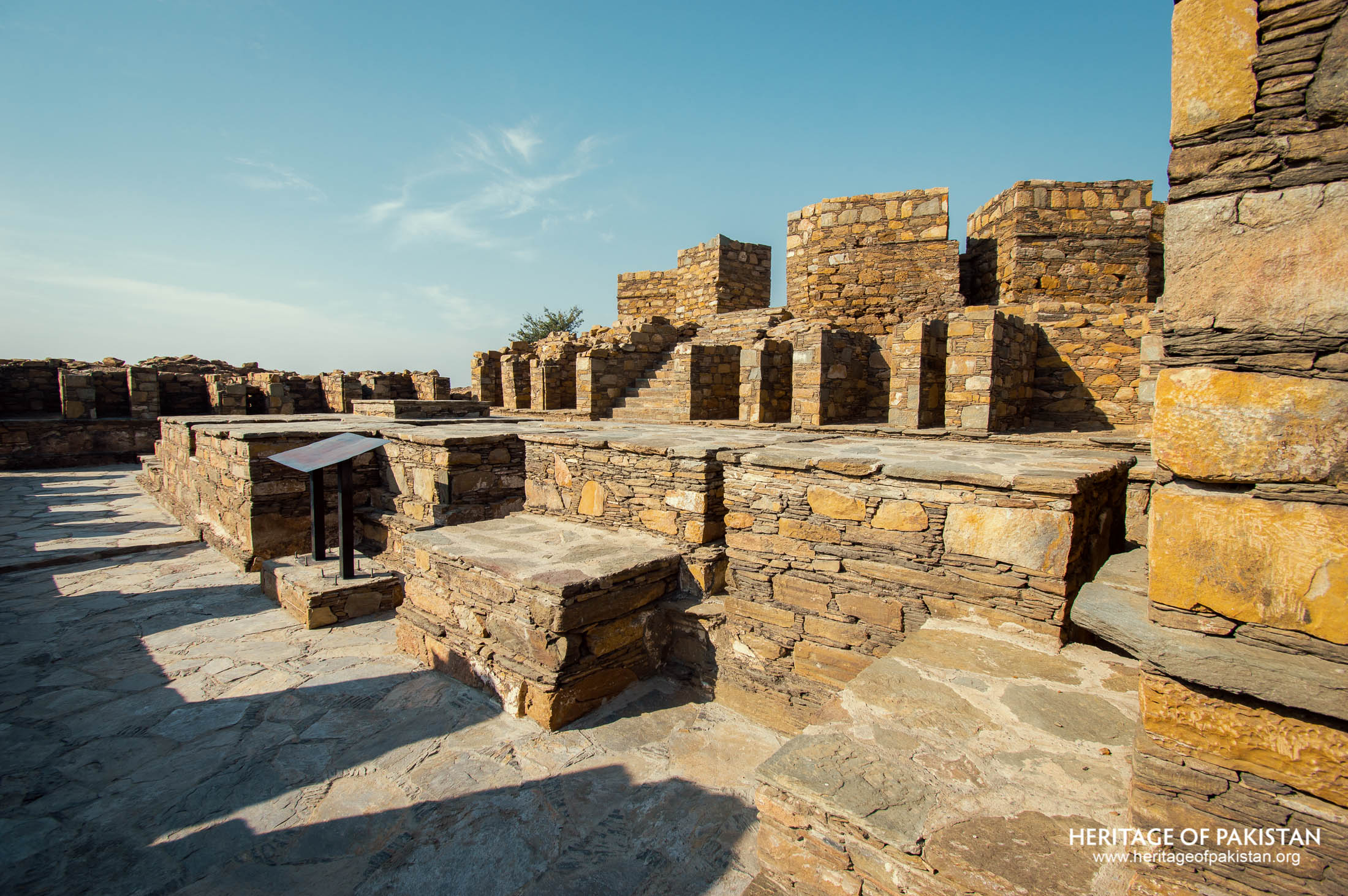
The monastic area lacks a formal plan and includes scattered quarters identified by Amina Tariq, as well as a main hall, kitchen, store, and refectory.
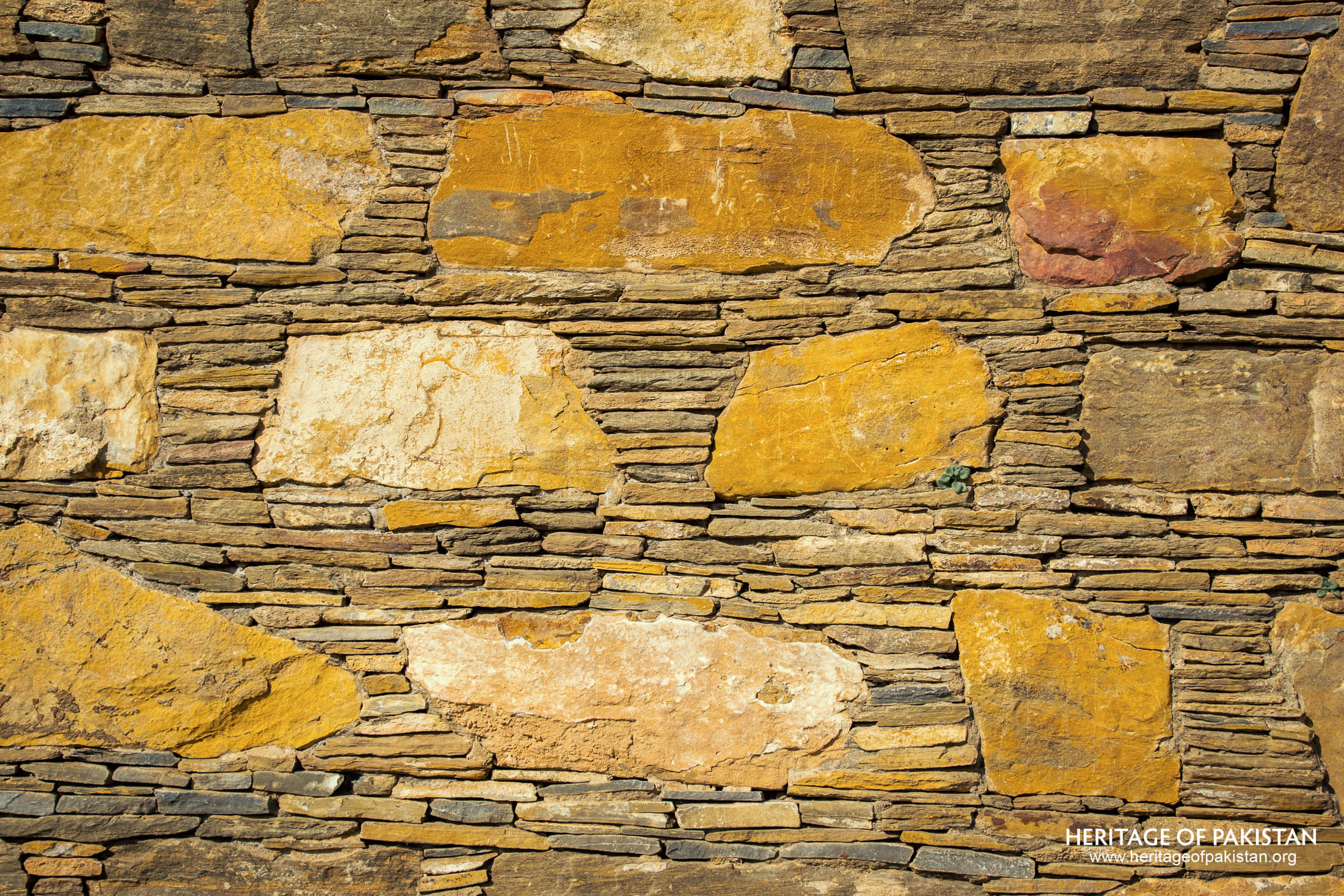
The site's construction includes diaper masonry and earlier rubble masonry, reflecting different phases of architectural development.
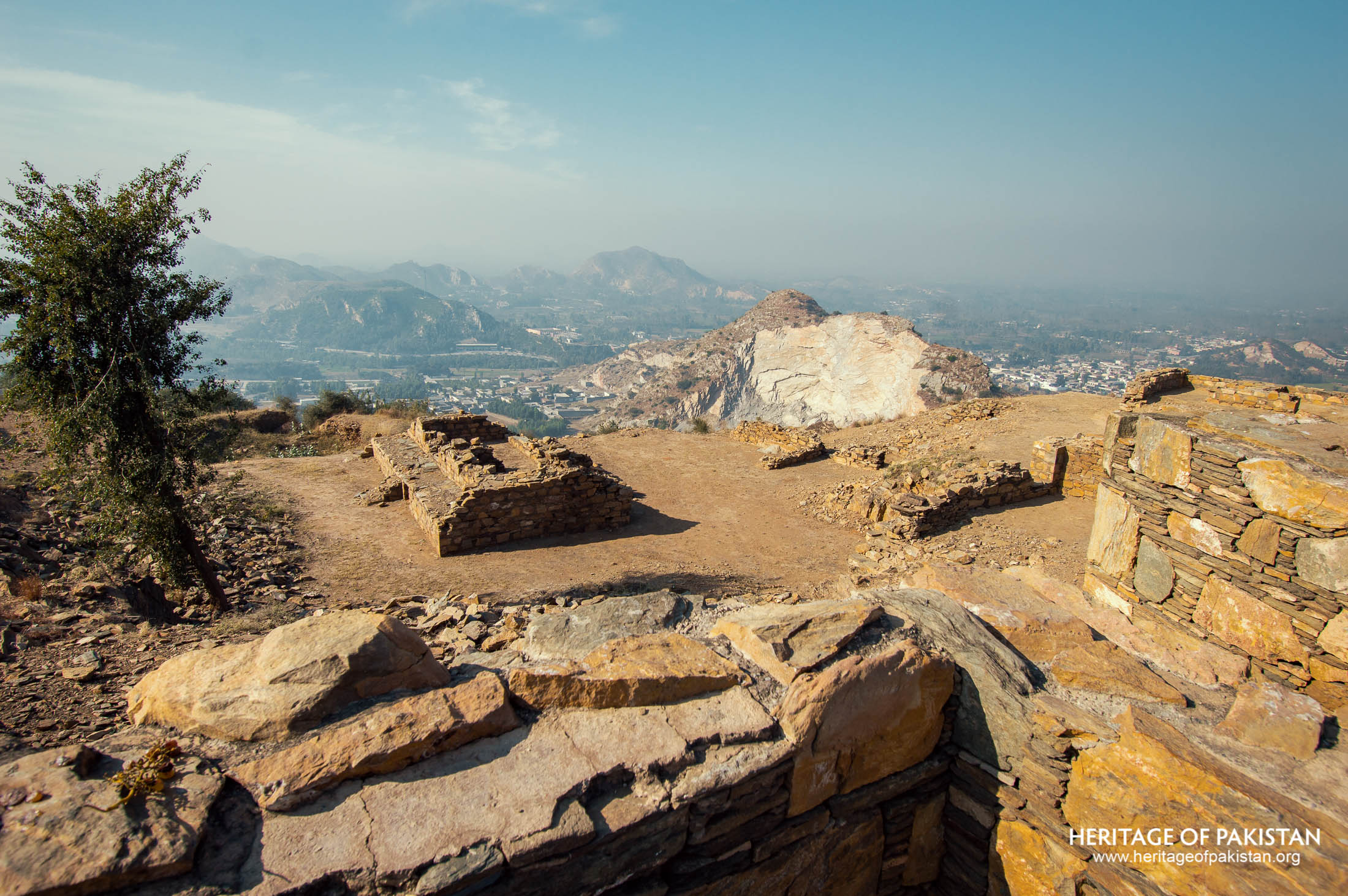
Excavations began with Alexander Cunningham in 1873, followed by A. Crompton and later Harold Hargreaves between 1920 and 1923.
Numerous schist and stucco sculptures were uncovered from the stupa courts, many of which are now housed in museums across Pakistan, India, and the United Kingdom.
Jamal Garhi remains a significant testament to Gandharan Buddhist architecture and religious life during the Kushan period.
