
Textarea
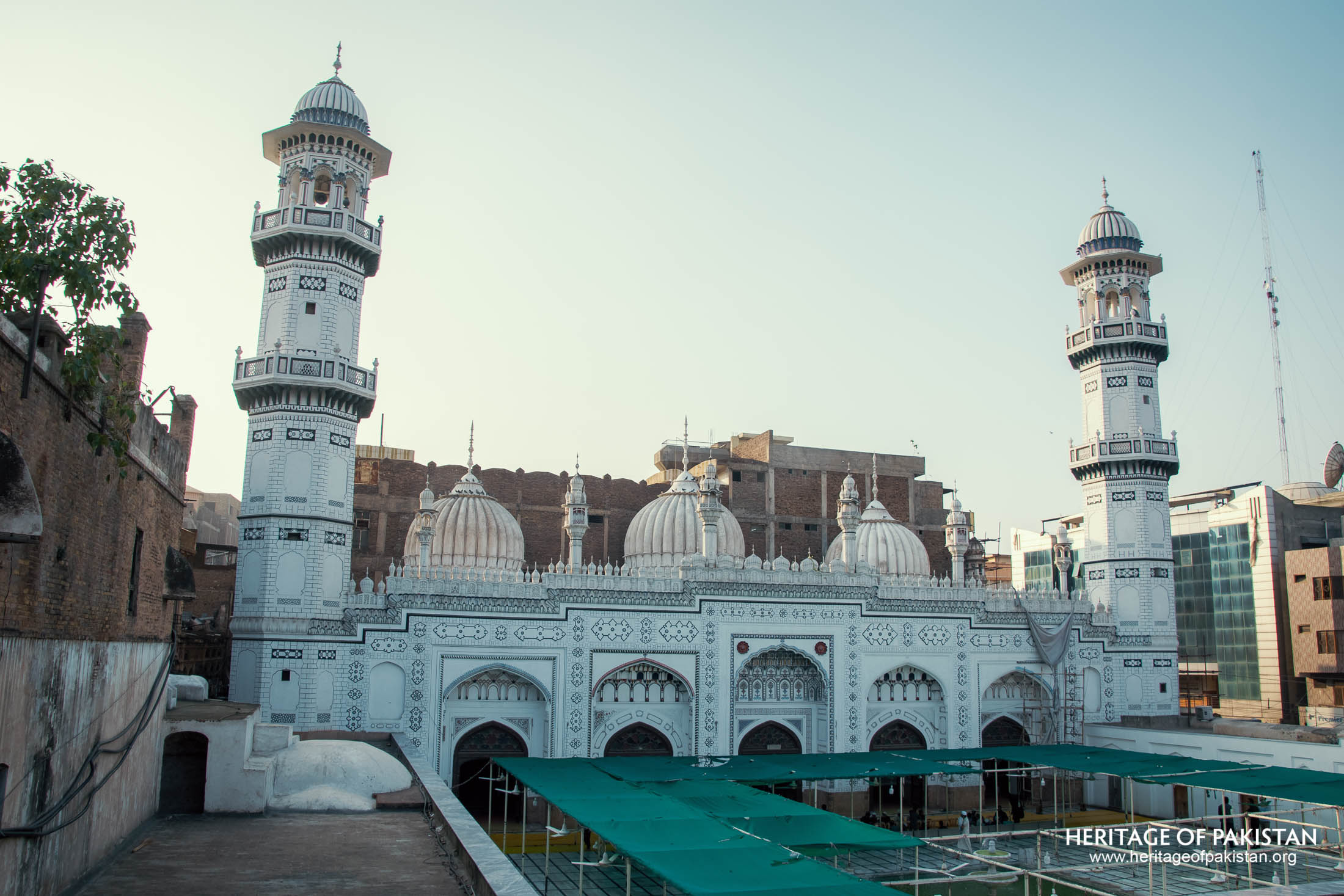
Mahabat Khan Mosque is a magnificent Mughal-era mosque located in the Old Walled City of Peshawar, near Chowk Yadgar.
The mosque was named after Mahabat Khan, who served as the governor of Peshawar during the reigns of both Emperor Shah Jahan and Aurangzeb Alamgir.
Architectural evidence and historical analysis suggest that the mosque was likely built during the later years of Shah Jahan’s rule.
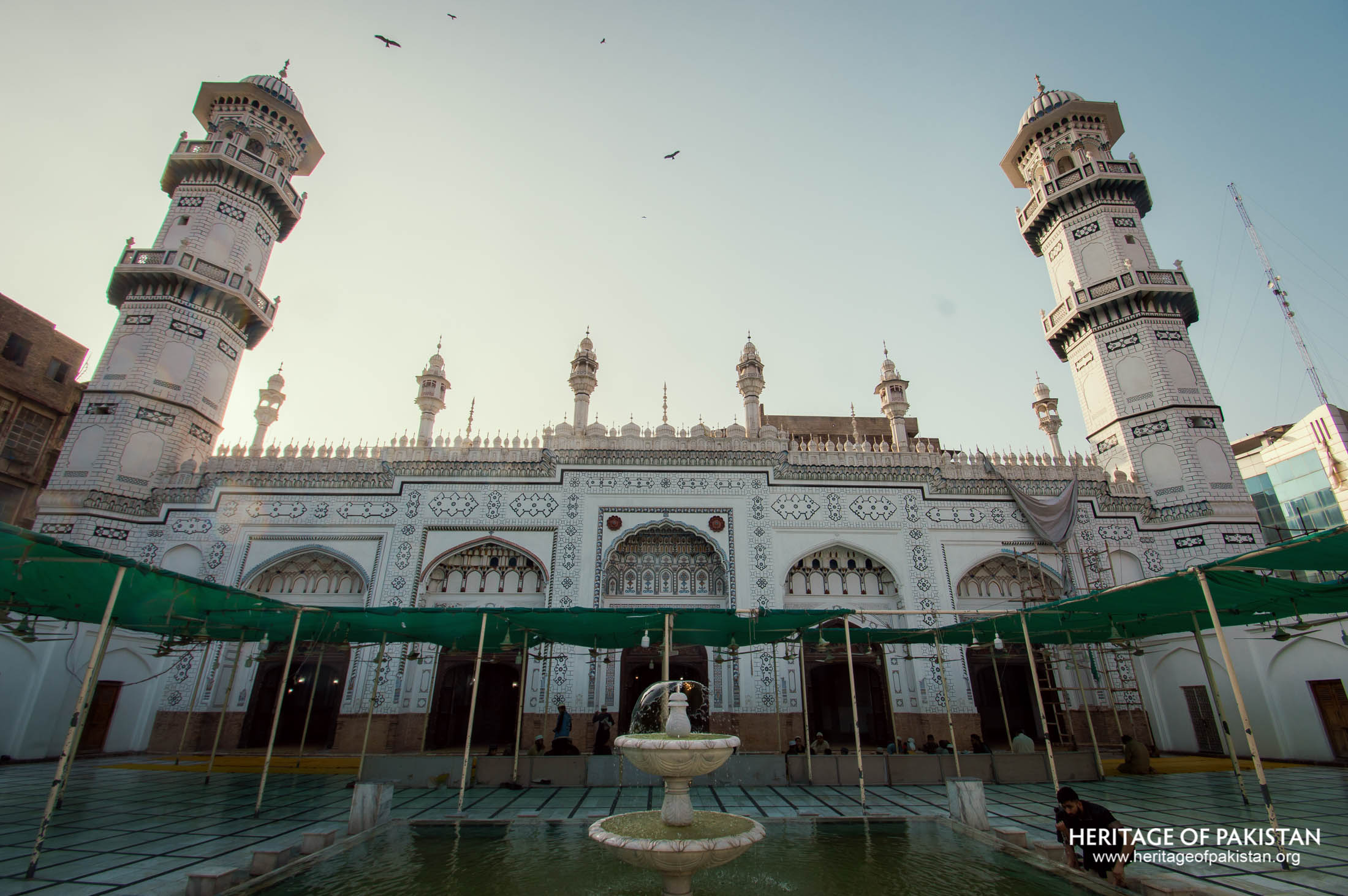
Measuring approximately 185 by 163 feet, the mosque is built on a raised terrace and is accessed through three elevated entrances on the north, south, and east.
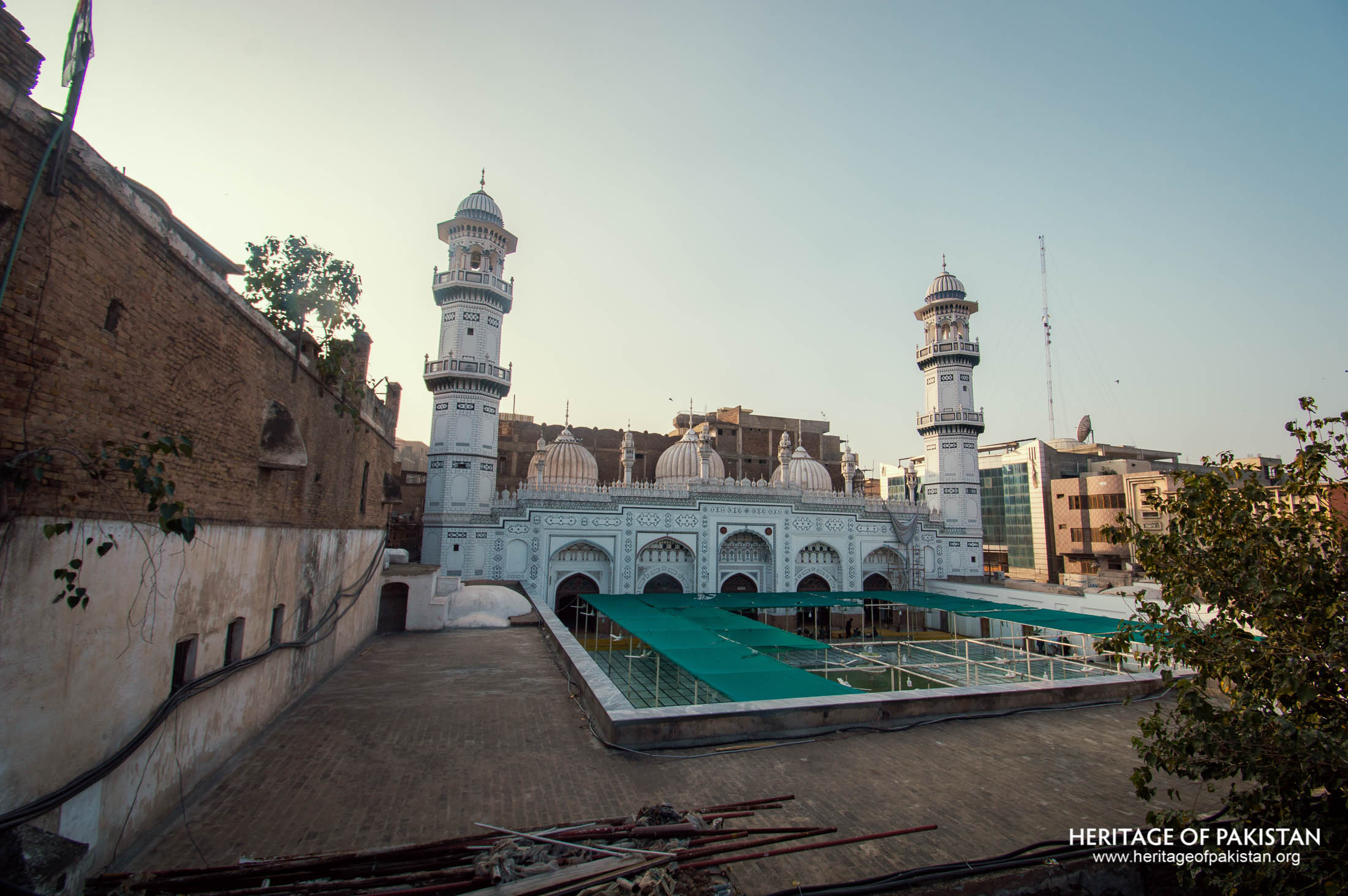
Its plan features an open central courtyard with an ablution tank in the center, and hujras or small chambers on three sides.
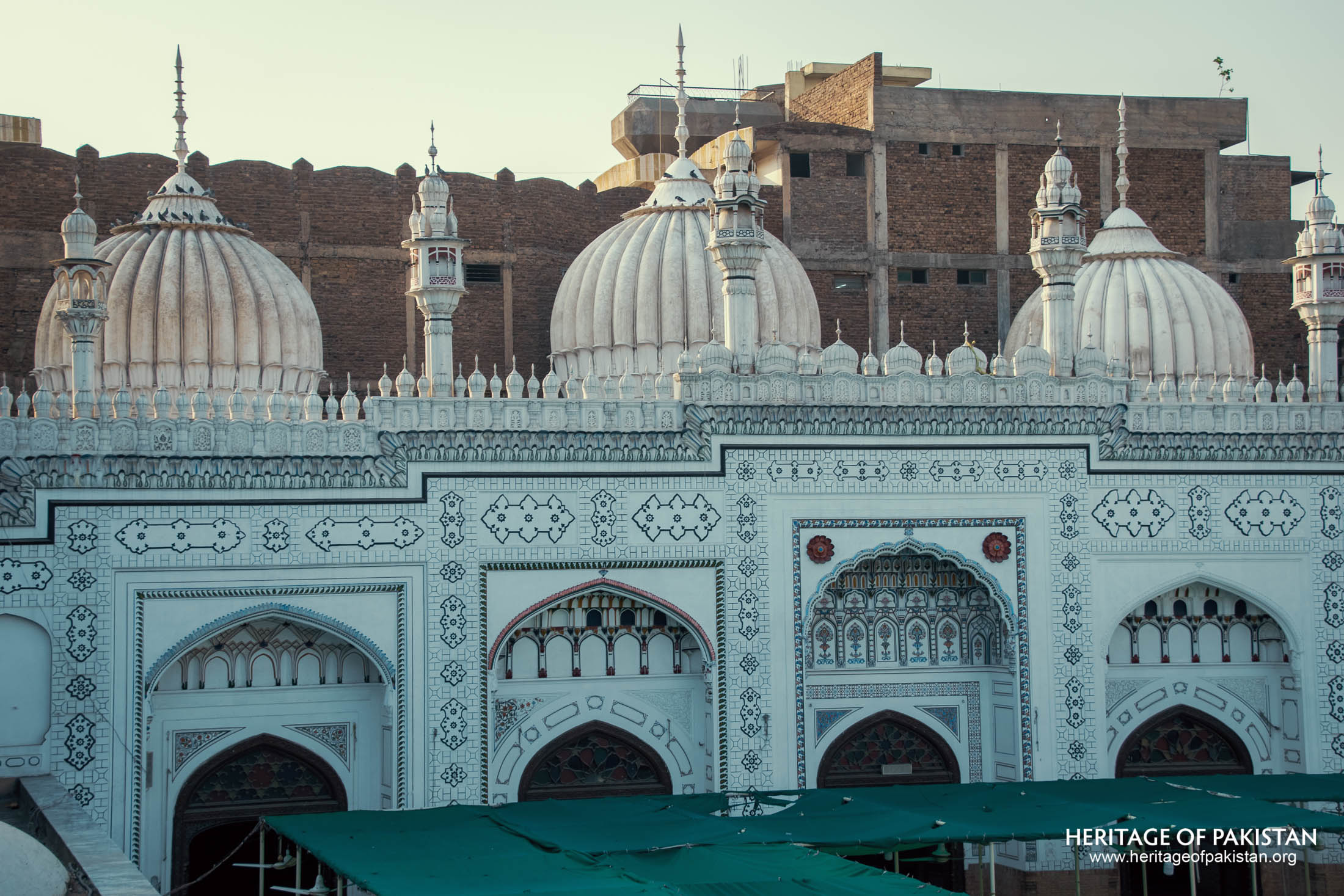
The western side is entirely occupied by a prayer hall crowned with three beautiful fluted domes and flanked by two tall minarets.
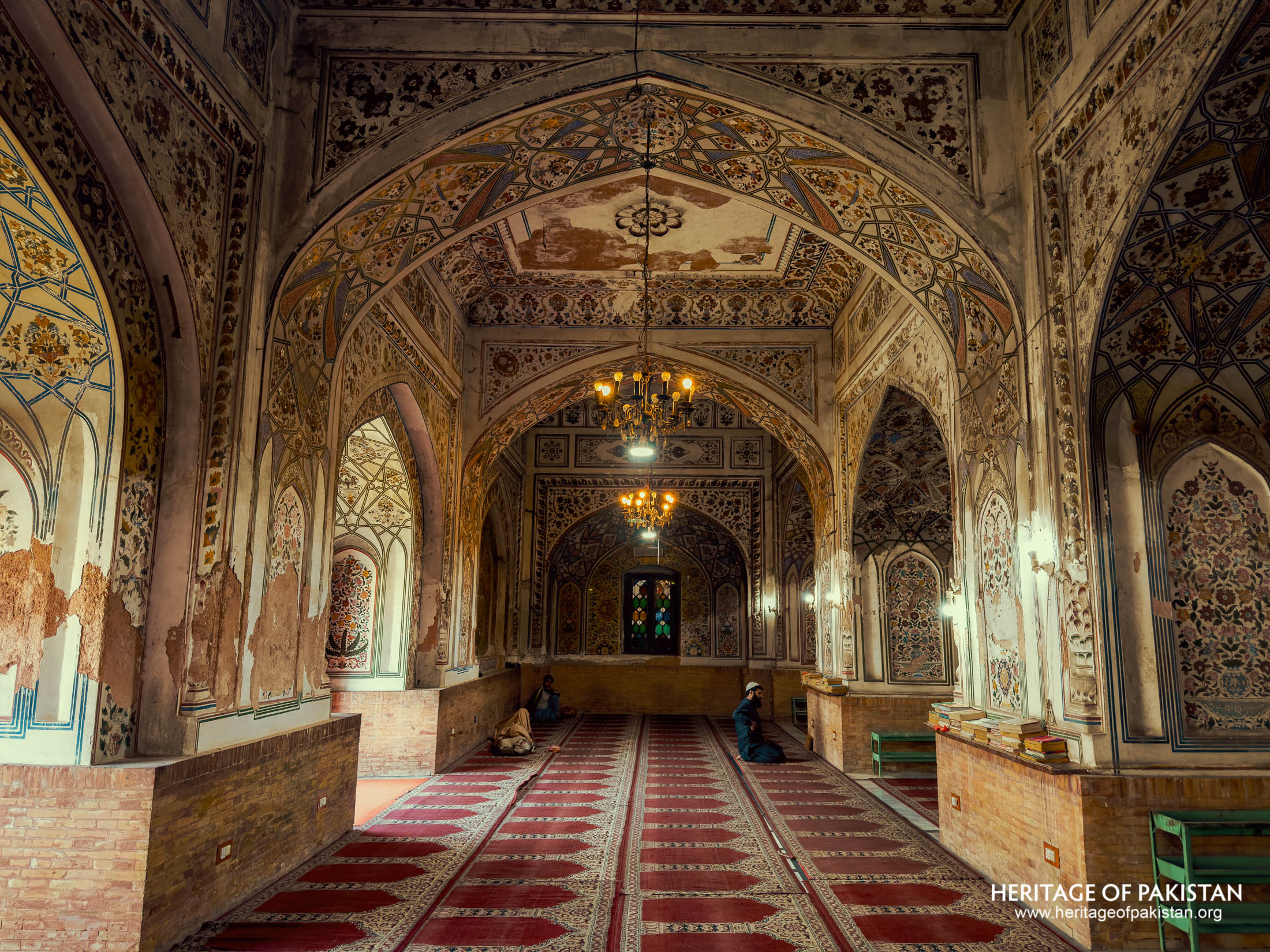
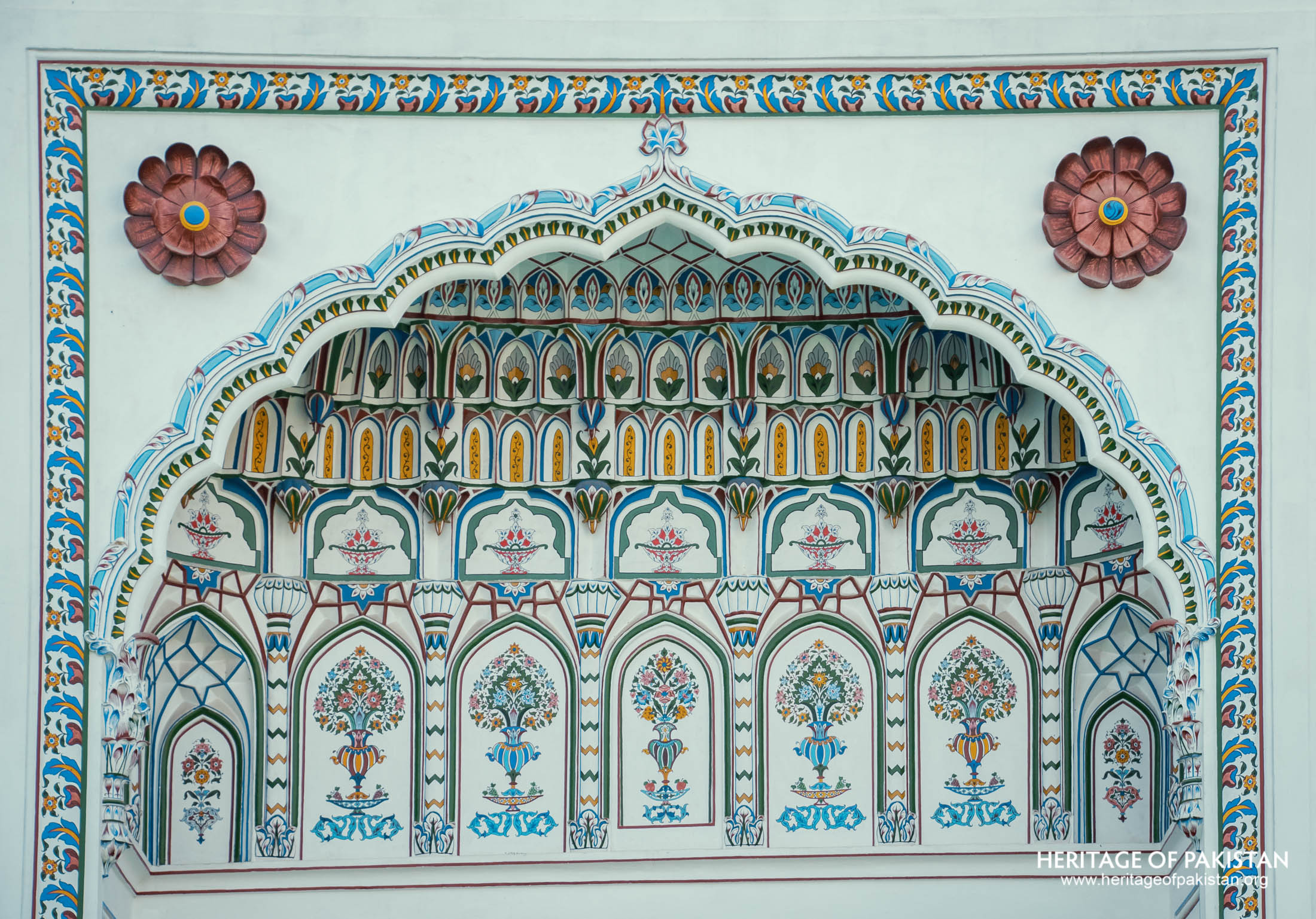
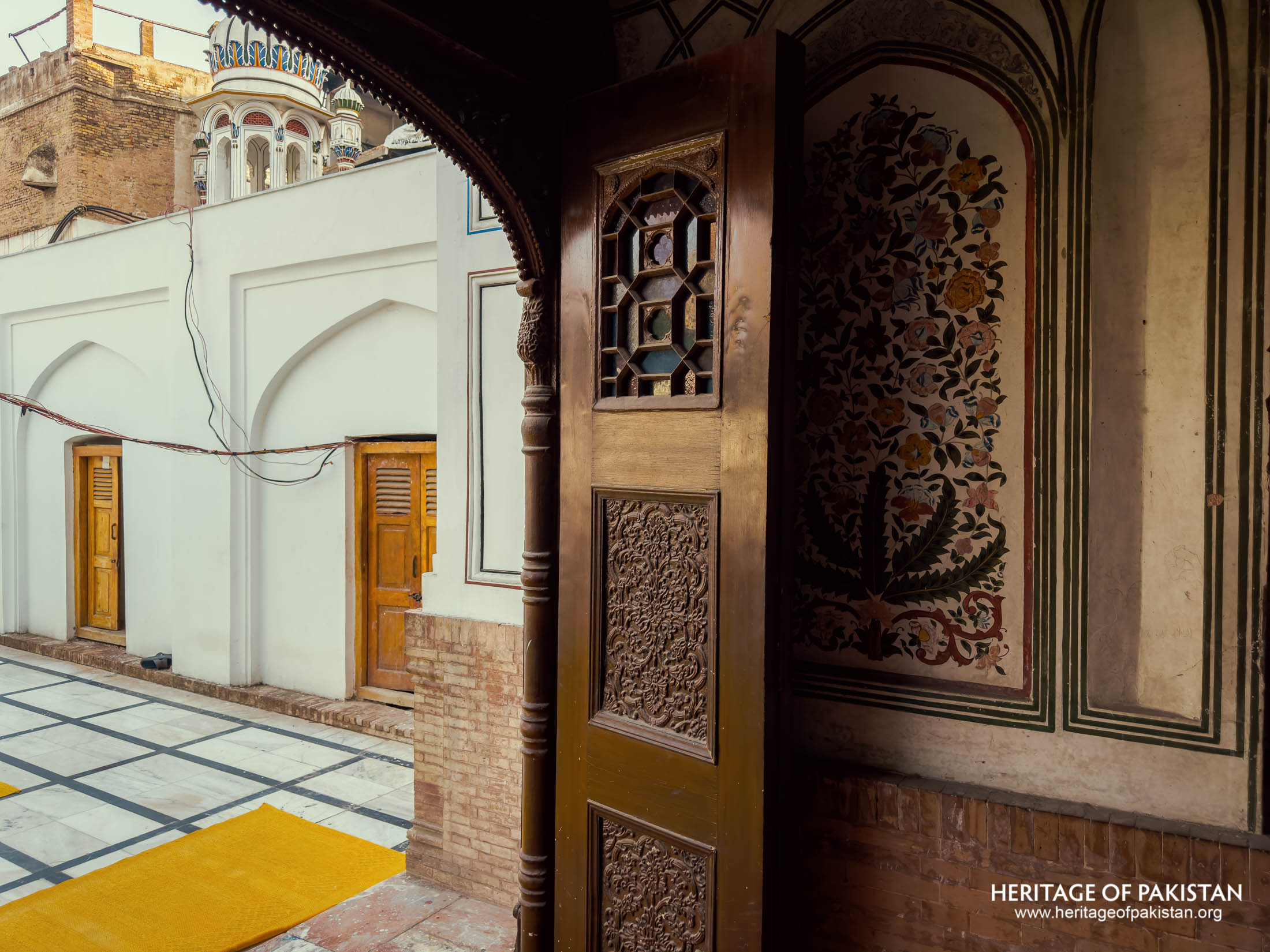
The entire interior is richly decorated with frescoes, muqarnas, stuccowork, arabesque patterns, Islamic geometry, and intricately carved doors with colored glass mosaics.
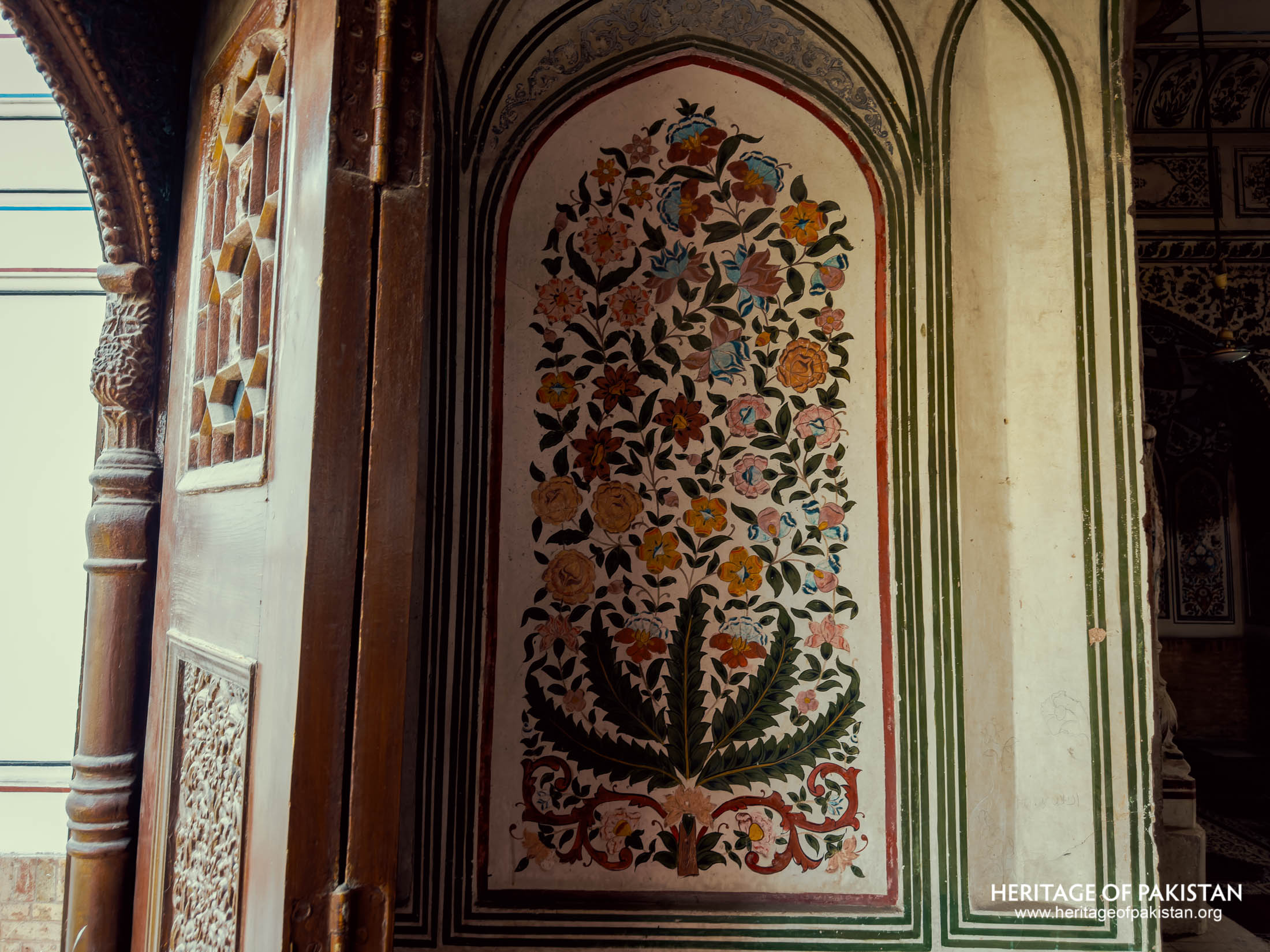
The mosque suffered damage during a fire in the British period in 1898 and has since undergone restoration, with most of the current decorative elements dating to the 20th century.
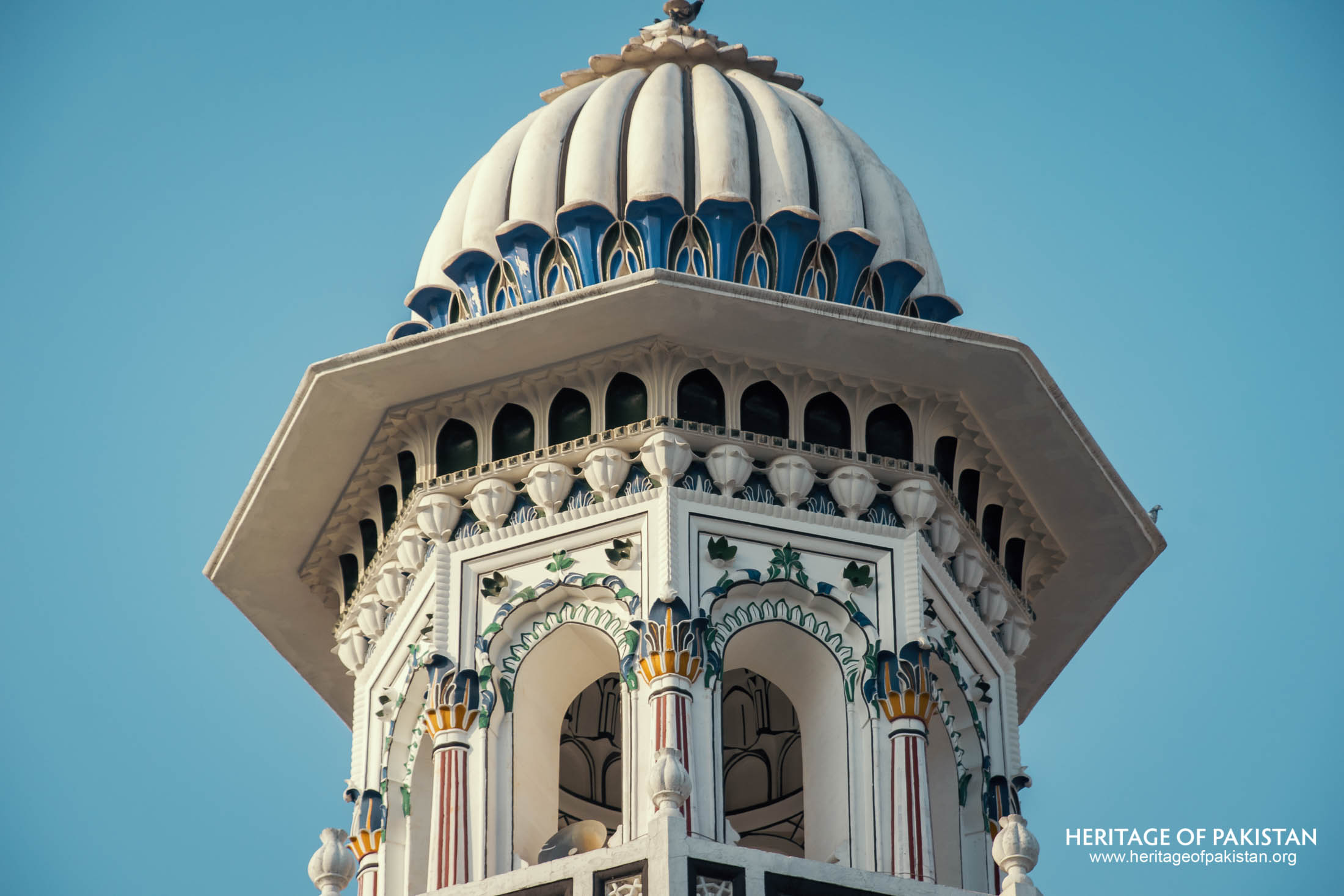
During the Sikh era, the mosque's minarets were reportedly used as gallows under the governance of Paolo Avitabile.
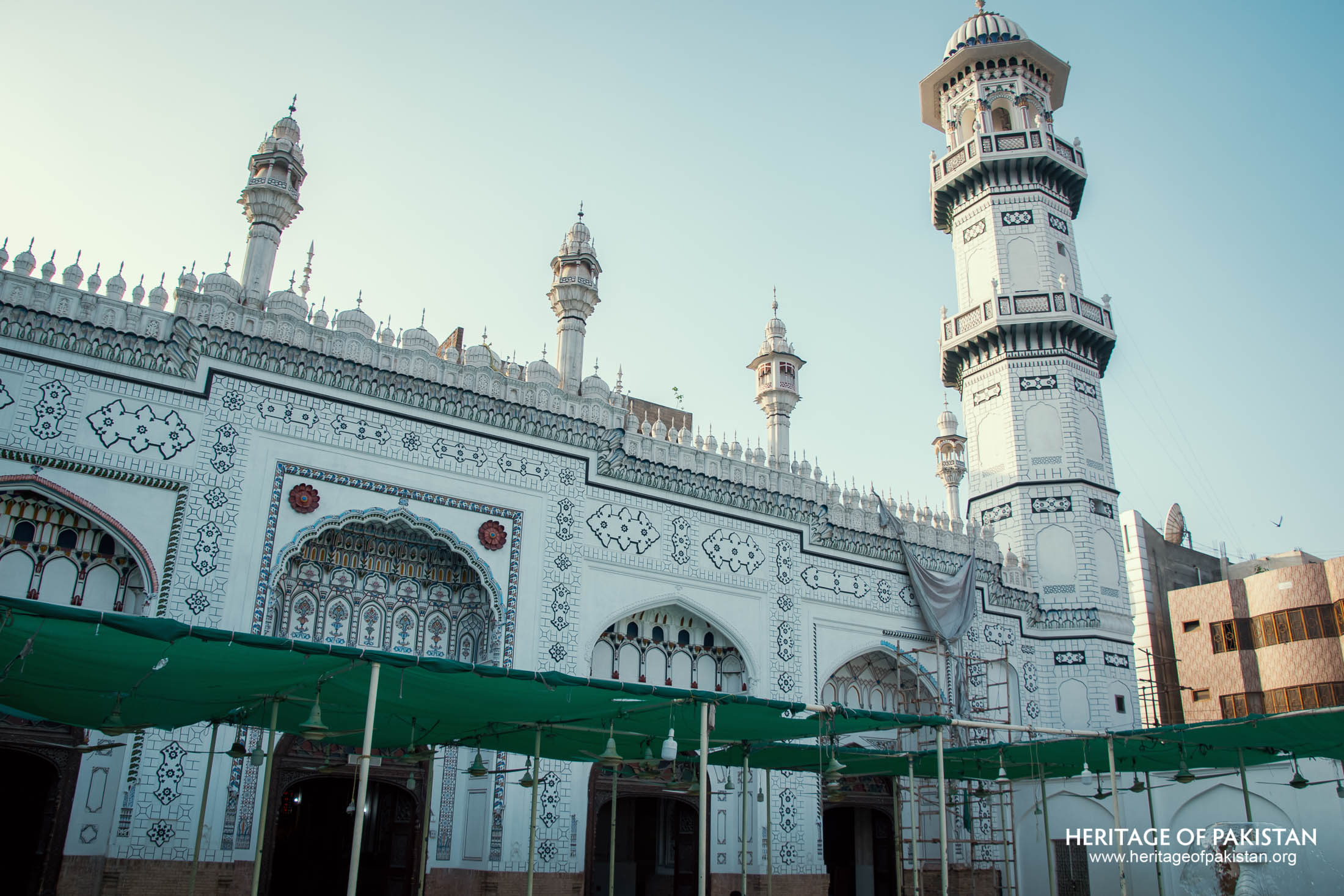
Despite being smaller than Lahore’s Badshahi Mosque, Mahabat Khan Mosque remains one of the most stunning and historically significant mosques in Pakistan.
