
Did You Know?
The Jahanabad Buddha near Malam Jabba is one of the largest carved Buddha reliefs in Pakistan
34°48'02.2"N 72°34'17.4"E
The Jahanabad Buddha near Malam Jabba is one of the largest carved Buddha reliefs in Pakistan
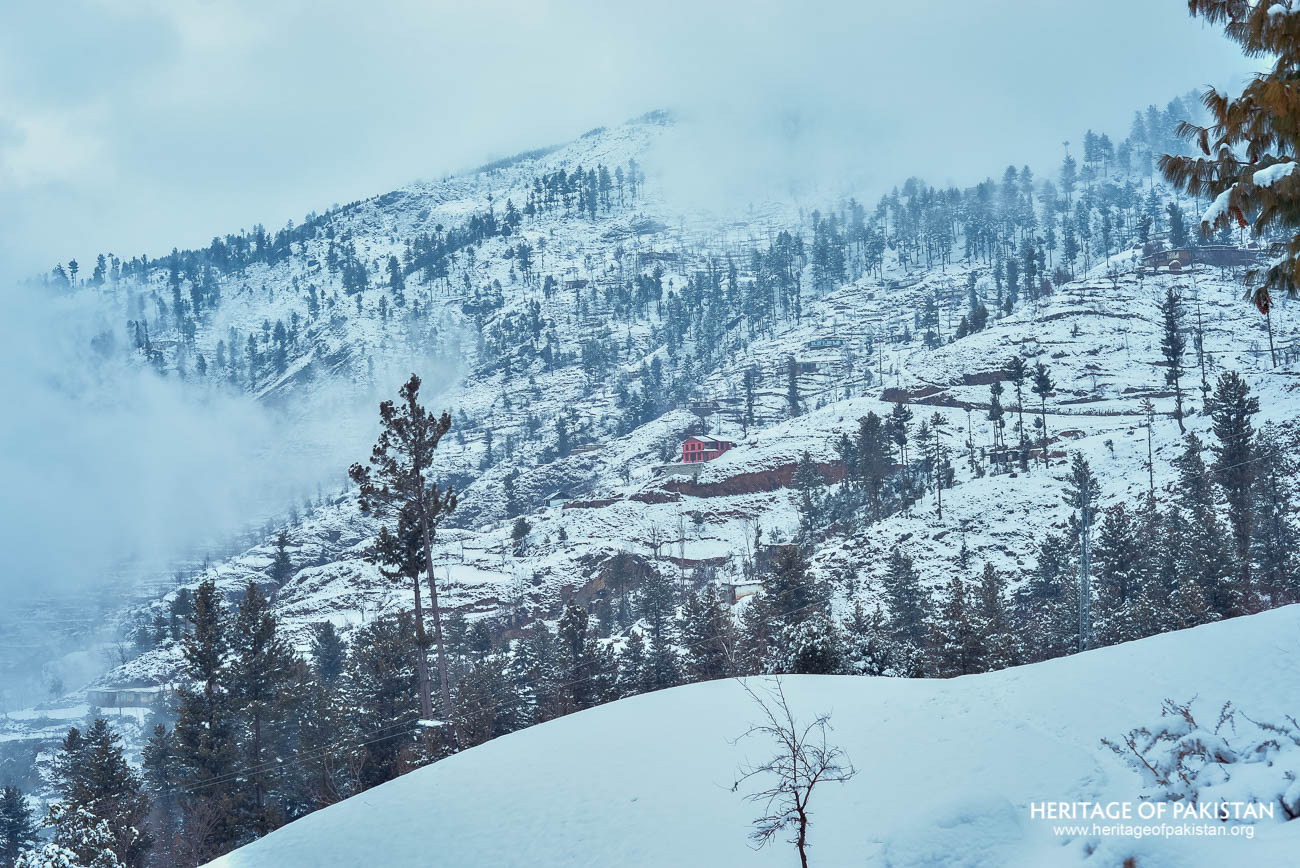
The Best Time to Visit mountain regions of Khyberpakhtunkhwa is Summers. Preferably from April to September. Winters are Extremely Cold and Snowfall blocks most of access. Hence Winters are not recommended.

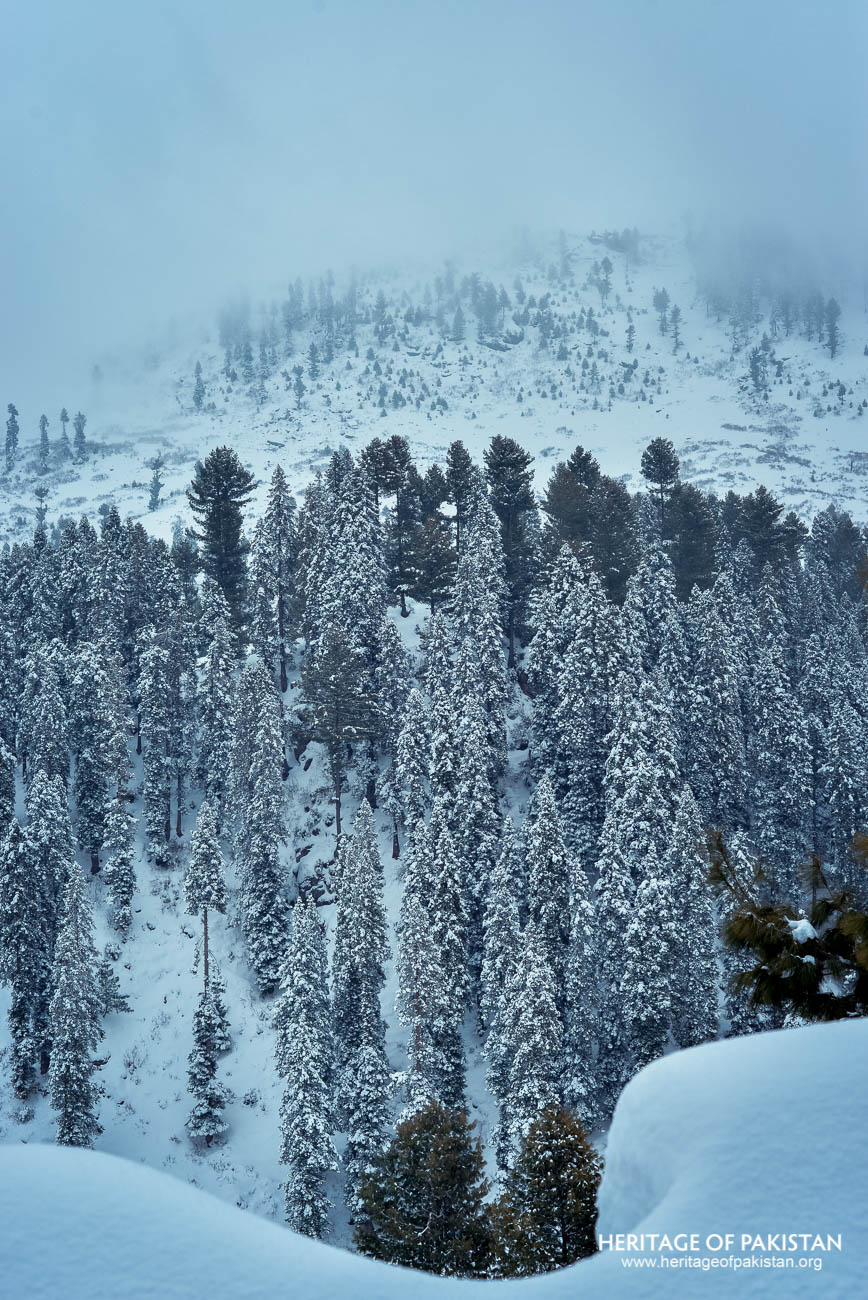
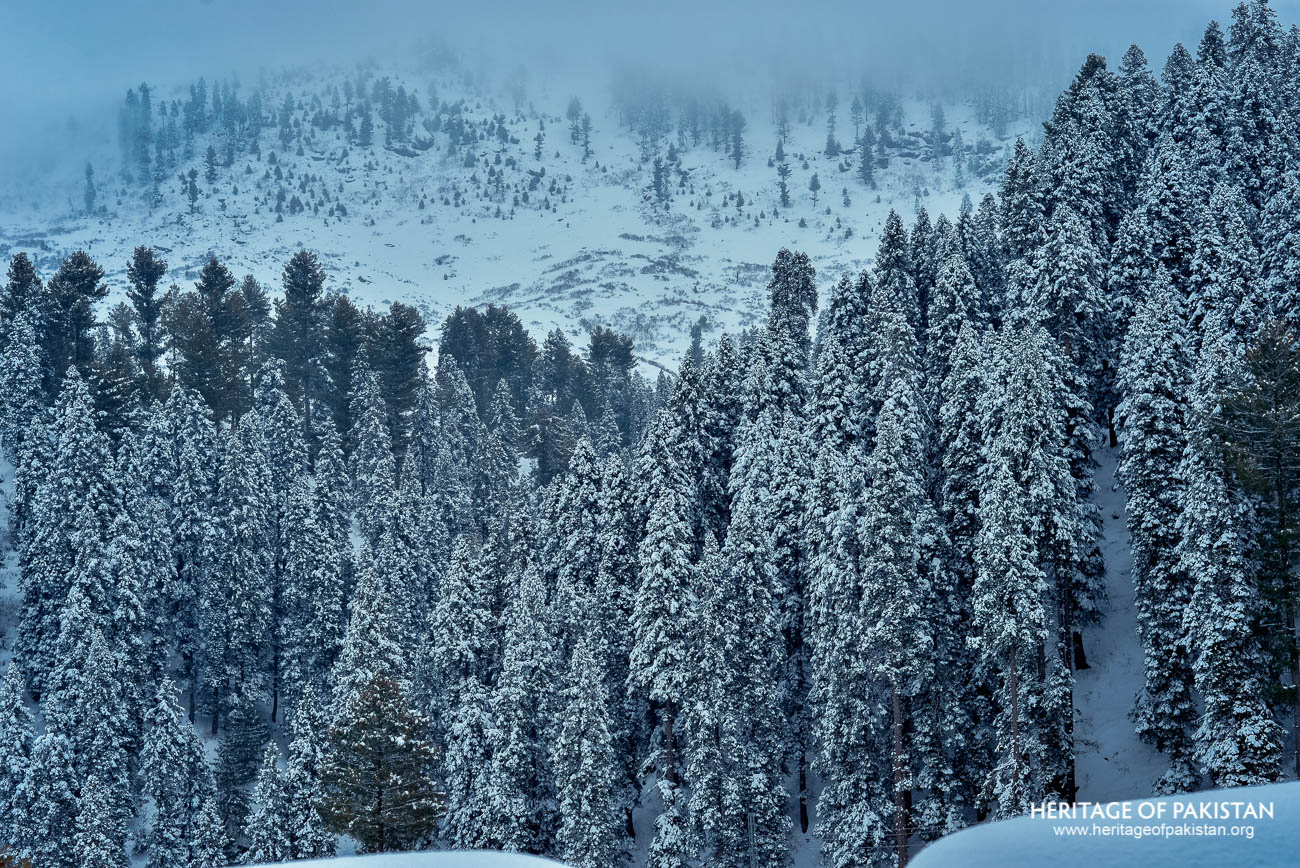
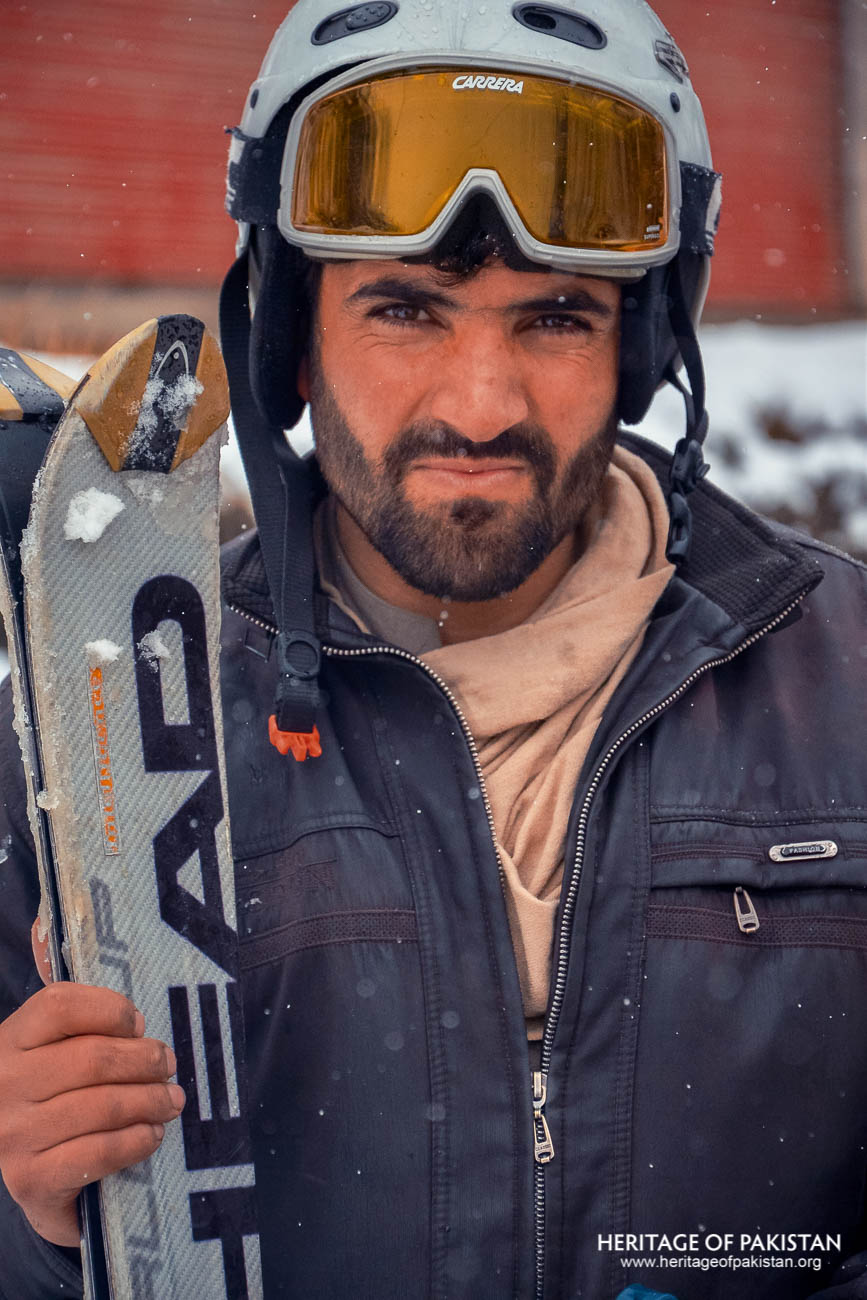
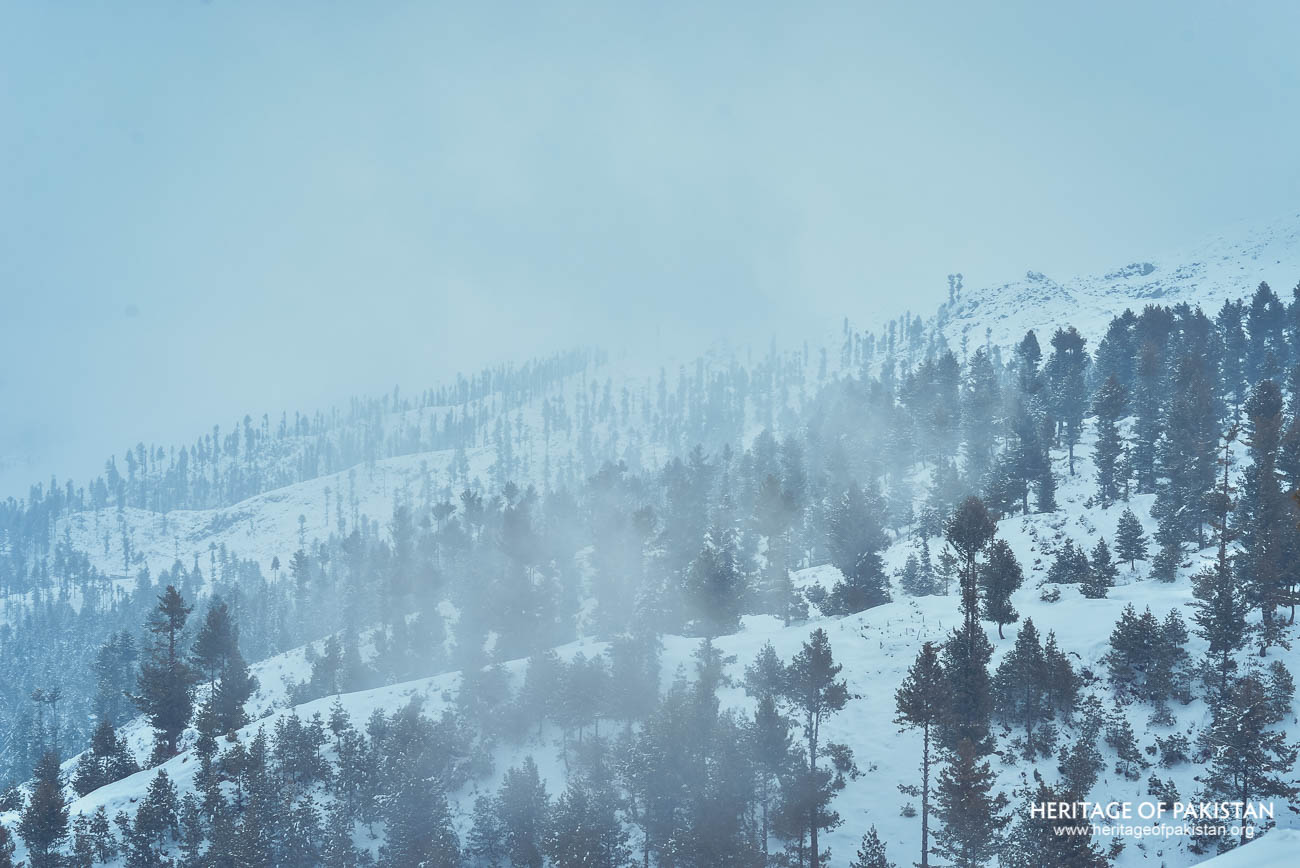
Malam Jabba is a well-known hill station situated in the Swat Valley of Khyber Pakhtunkhwa, Pakistan. Located at an elevation of 8,129 feet above sea level, it lies approximately 45 kilometers from the city of Mingora. Falling within the jurisdiction of Tehsil Charbagh in District Swat, Malam Jabba has emerged as a prominent destination for tourism, particularly during the winter season. The region is characterized by its expansive snow-covered landscape, offering a wide panorama of white in the winter months. A number of winter activities, most notably skiing, have made the site especially popular among tourists.
At Malam Jabba, a ski resort and chairlift serve the influx of visitors seeking winter recreation. Ziplining is another activity available at the site. The broader area includes the Malam Jabba National Forest, which connects directly to the resort region. Accommodation facilities are well-developed, with Pearl Continental operating a hotel in the area, alongside many other resorts and guest houses that have been established to cater to increasing tourism demand. The Swat Motorway has further facilitated easy access to the valley, enhancing connectivity for tourists arriving from various parts of the country.
Historically, Malam Jabba played a significant role as part of an ancient transit route connecting the Kohistan region with the Swat Valley. This route, which also passed through Shangla Pass, allowed the people of Kohistan to reach the markets of Swat. The pathway extended further to Gilgit-Baltistan and eventually linked to China. According to Rafiullah Khan, this ancient route through Malam Jabba was instrumental in the spread of Buddhism from Gandhara to the northern areas of Gilgit-Baltistan and beyond. Malam Jabba thus held strategic importance during the periods of ancient Uddiyana and Gandhara.
Several Buddhist archaeological discoveries in the Malam Jabba region reinforce its historical significance. These include Buddhist inscriptions, artefacts, and ruins. The notable Jahanabad Buddha relief, among the largest carved Buddha images in Pakistan, along with the Jahanabad inscriptions, can be accessed via the Manglawar–Malam Jabba road. Also located along this route is the Telegram Buddhist relief. Near the tourist resort of Malam Jabba lies the Malam Jabba Stupa, which was excavated in 1991. The excavation revealed remains of two stupas and a monastery. It is estimated that the monastery at this site was in use from the 3rd century CE to the 7th century CE.
Malam Jabba continues to be one of the major attractions in the Swat Valley and can be conveniently accessed from Mingora. The road leading to Malam Jabba branches eastward from Manglawar on the Mingora–Kalam road. In addition to Malam Jabba, visitors to Swat Valley often explore other scenic destinations such as Marghazar, Bahrain, and Kalam. Swat is also rich in Gandharan Buddhist heritage, including important sites like the Butkara Stupa, further enriching the historical and cultural appeal of the region.
All Photographs by Syed Noor Hussain and Sania Azhar.
All Rights Reserved. Photos may be used for Non-Commercial, Educational, Artistic, Research, Non-Profit & Academic purposes.
Commercial uses require licensing agreement.

Syed Noor Hussain
July 24, 2025 at 5:49 pmGood