
Textarea
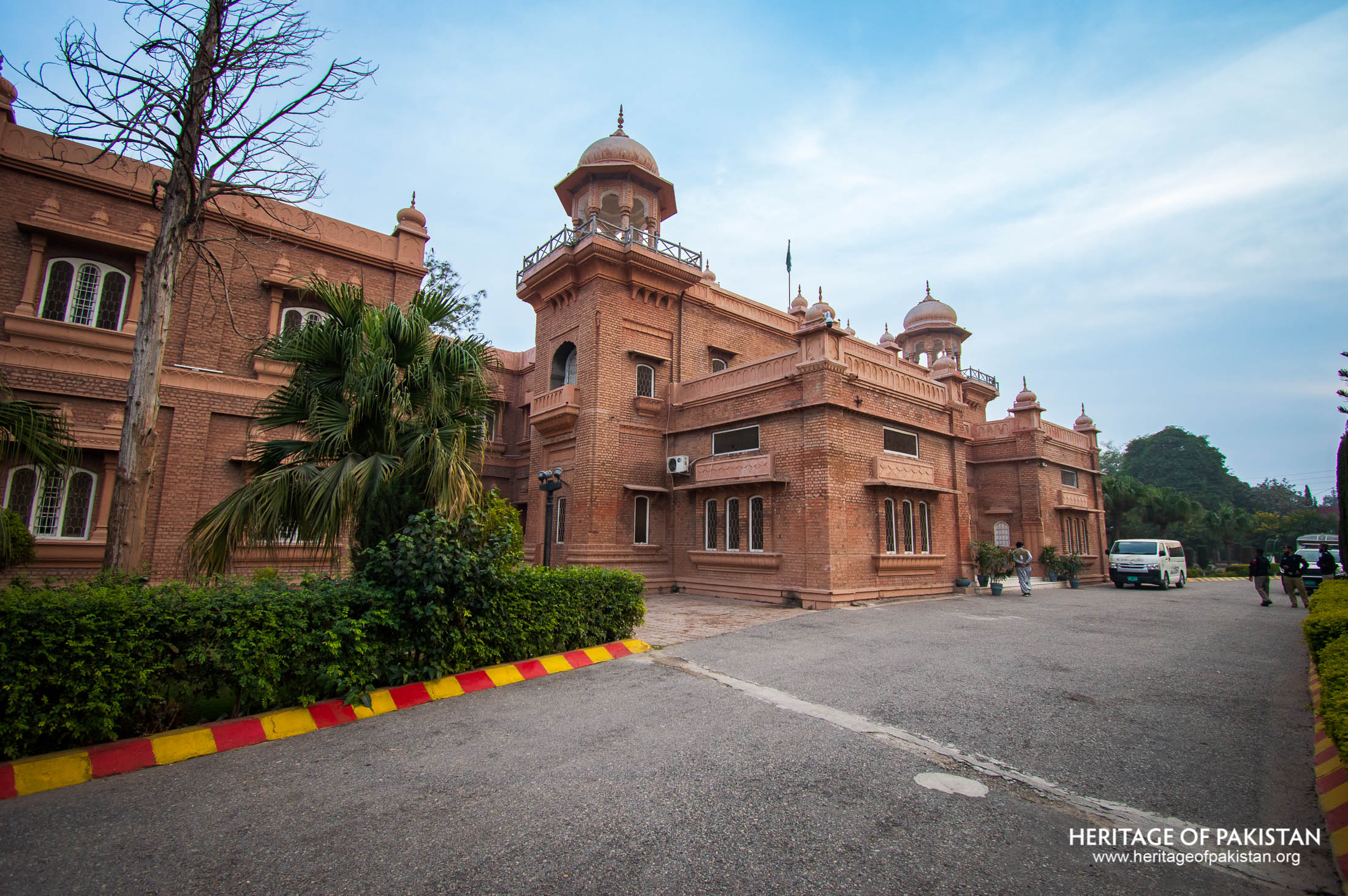
Peshawar Museum is one of the largest and most significant museums in Pakistan, located in the historic Victoria Memorial Hall.
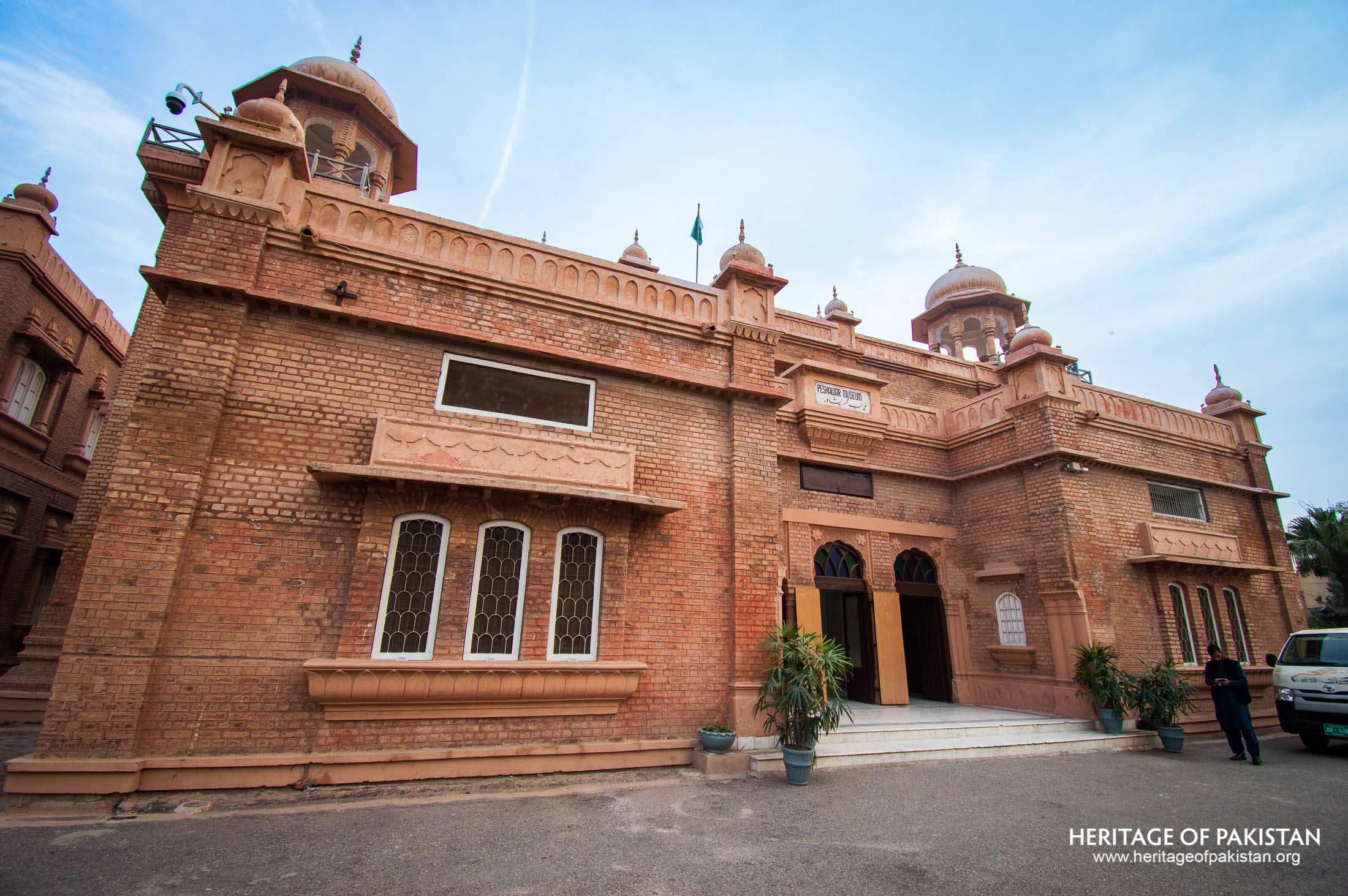
The building was constructed in 1906–07 in the Indo-Saracenic architectural style, blending Mughal and British design elements.
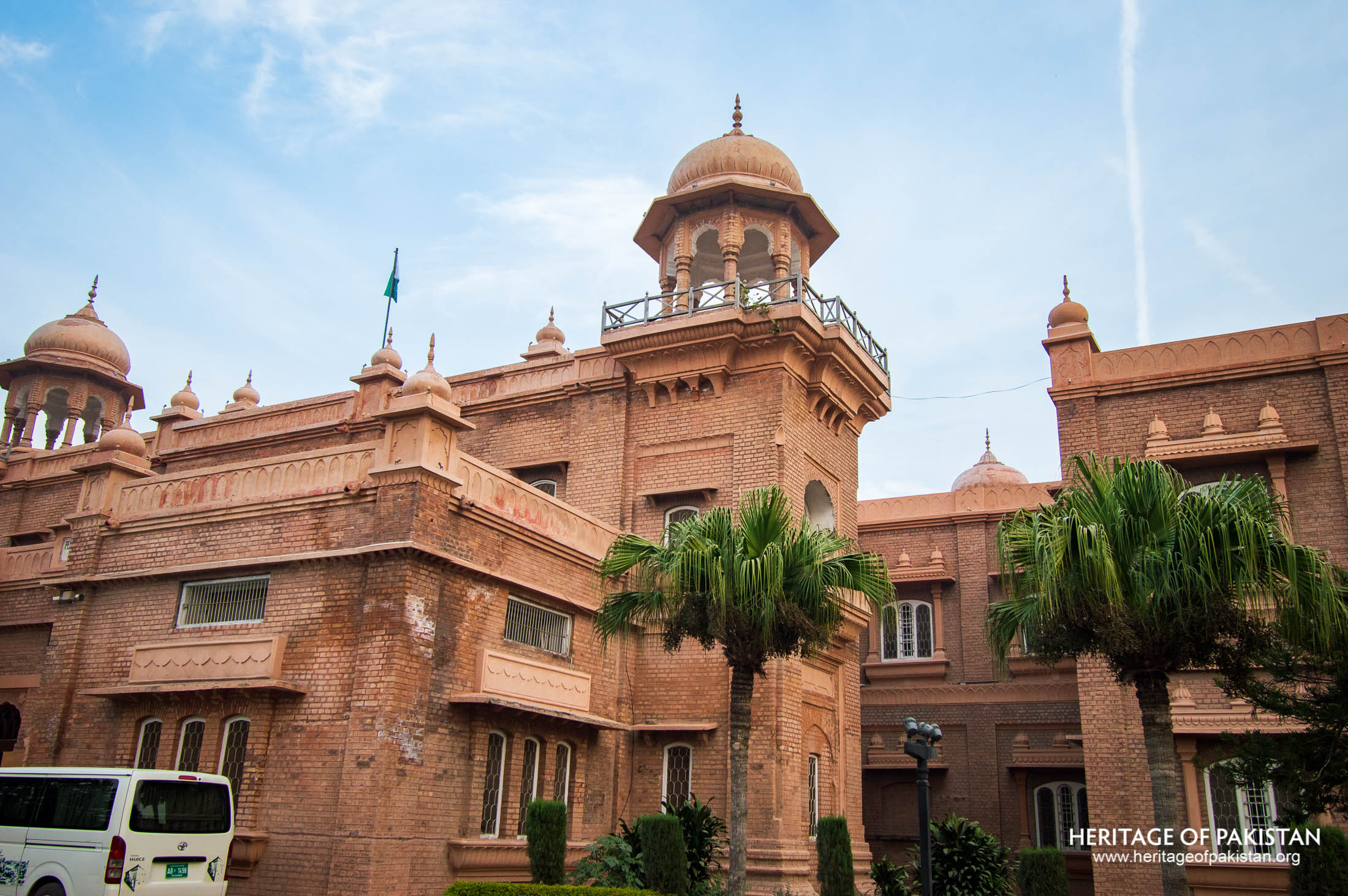
Built using red bricks, the structure is adorned with elevated chhatris, projecting jharokhas, cusped arches, and battlement-style parapets.
Initially, the building consisted of a central main hall with side aisles on two floors, topped with four cupolas and corner pinnacles.
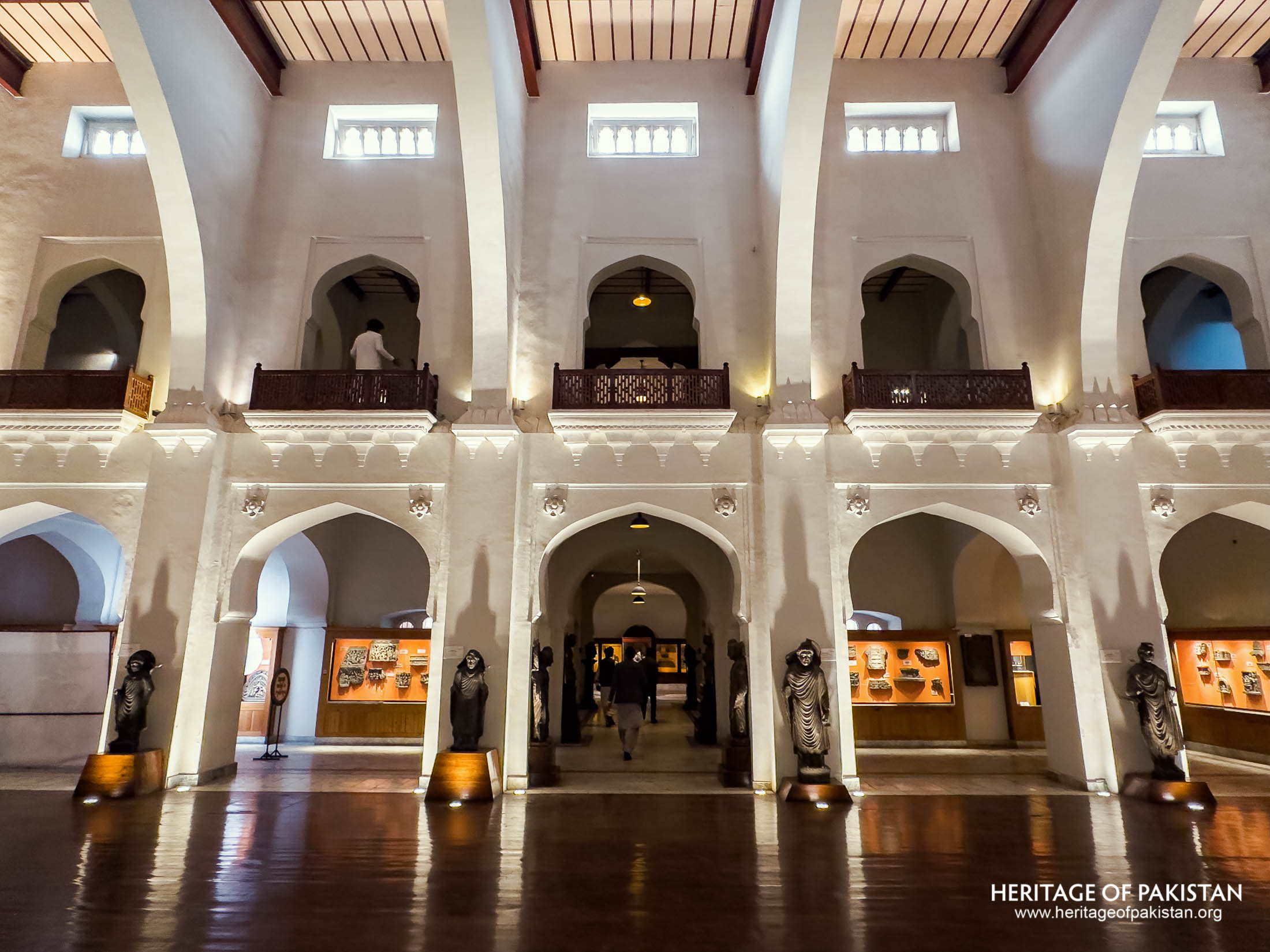
Additional halls were added to the eastern and western sides in 1969–70, and their second storeys were constructed in 1974–75.
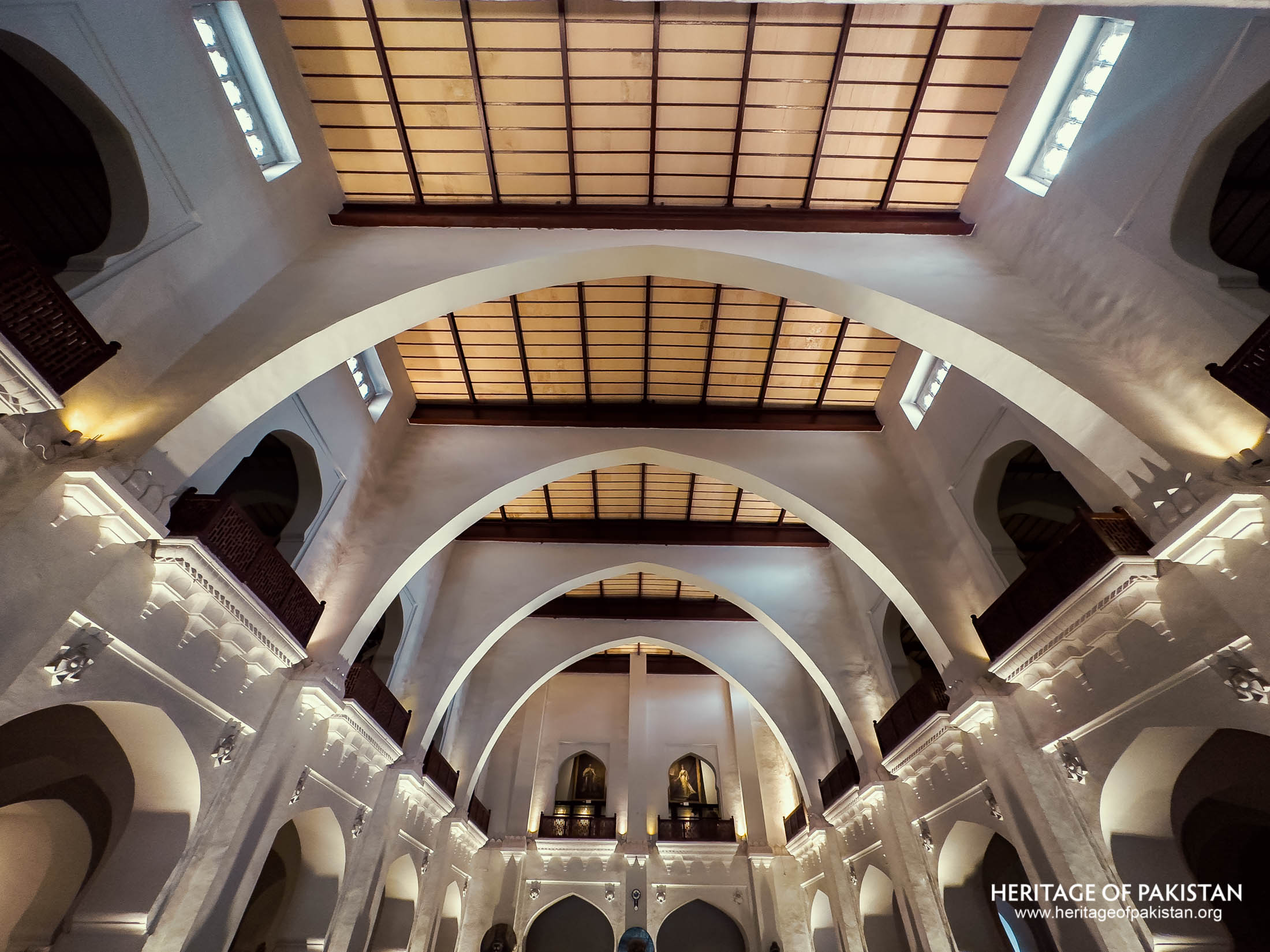
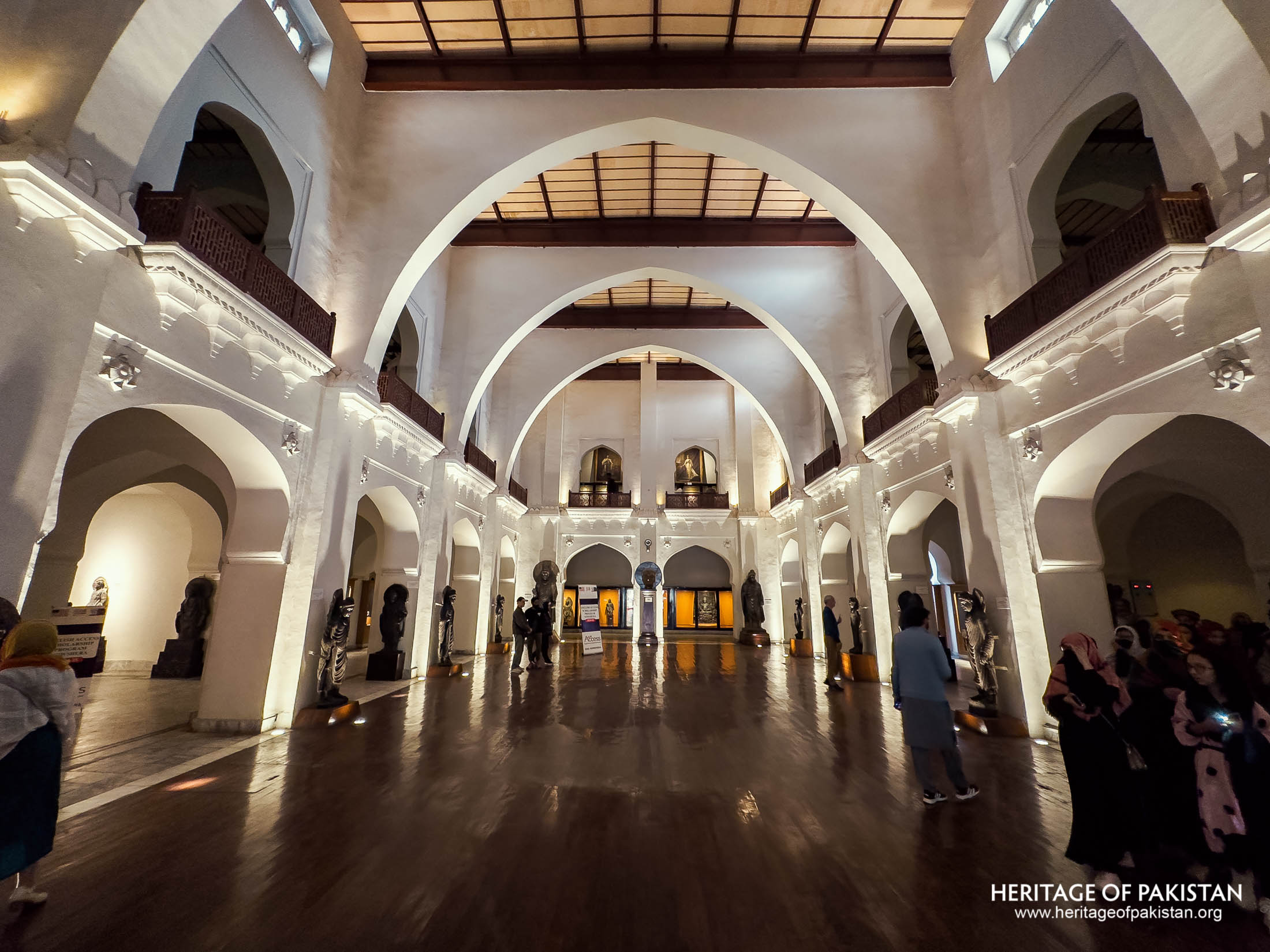
The museum’s interior features a grand double-height hall with clerestory lighting, surrounded by galleries on both floors.
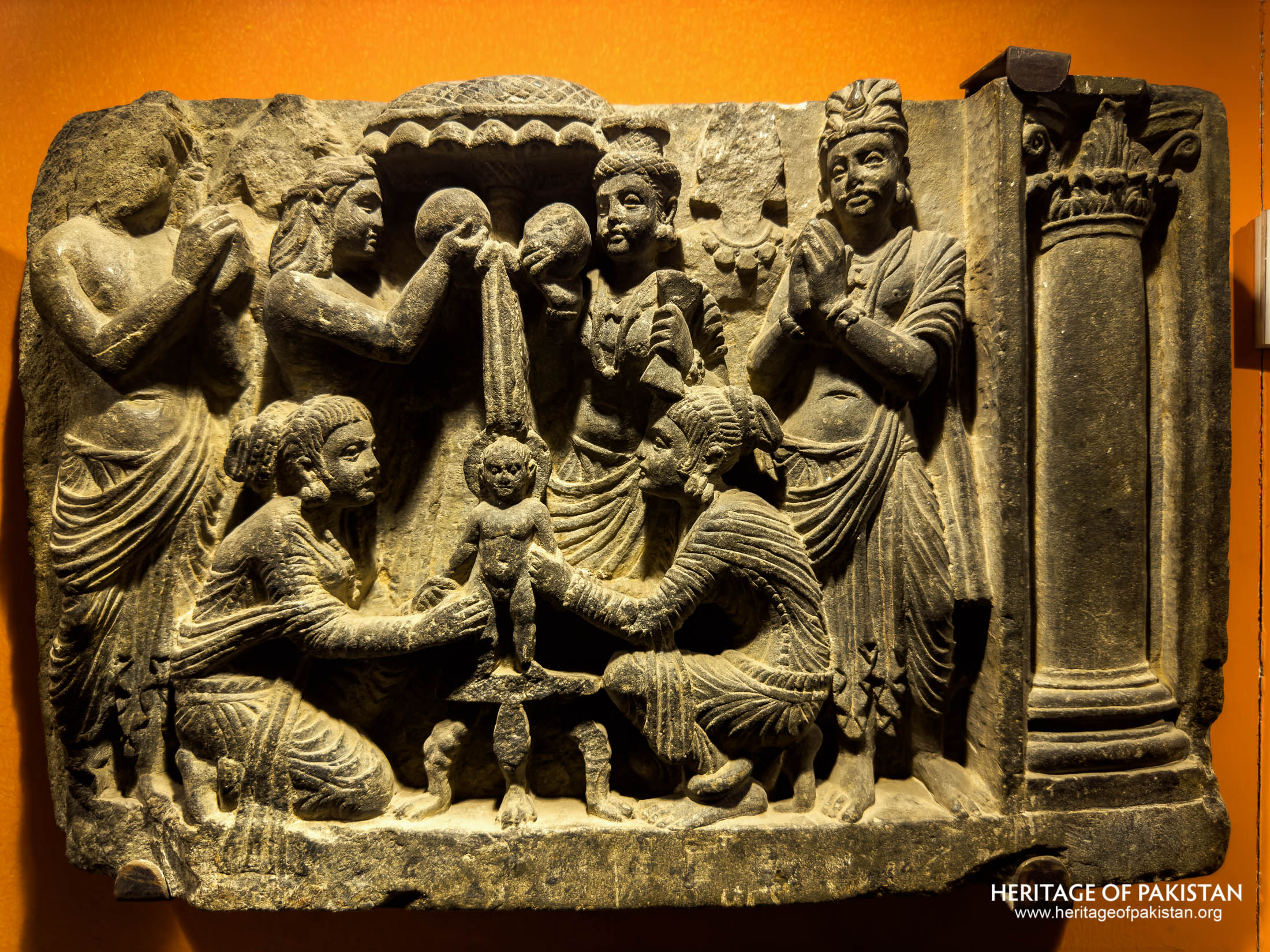
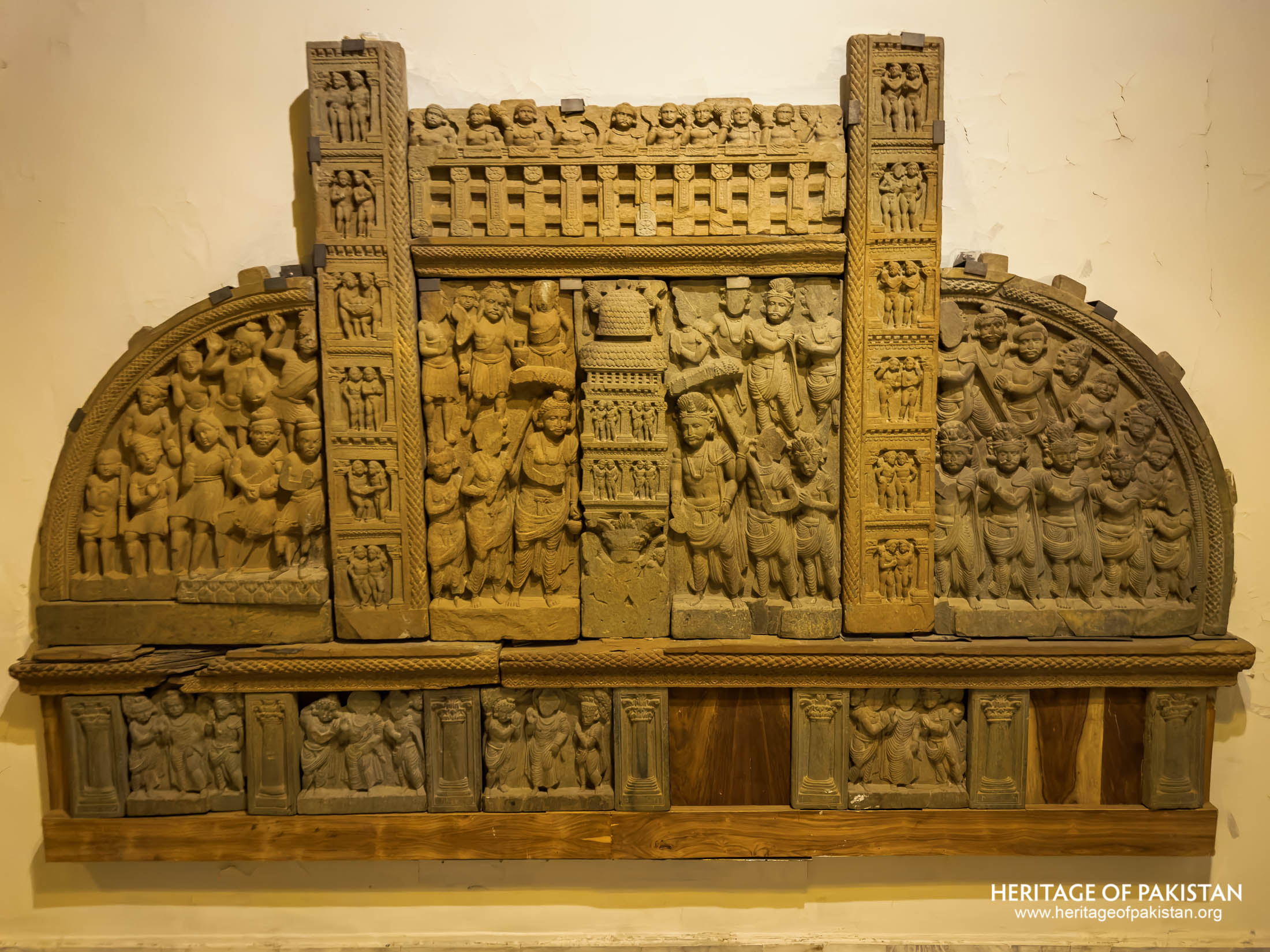
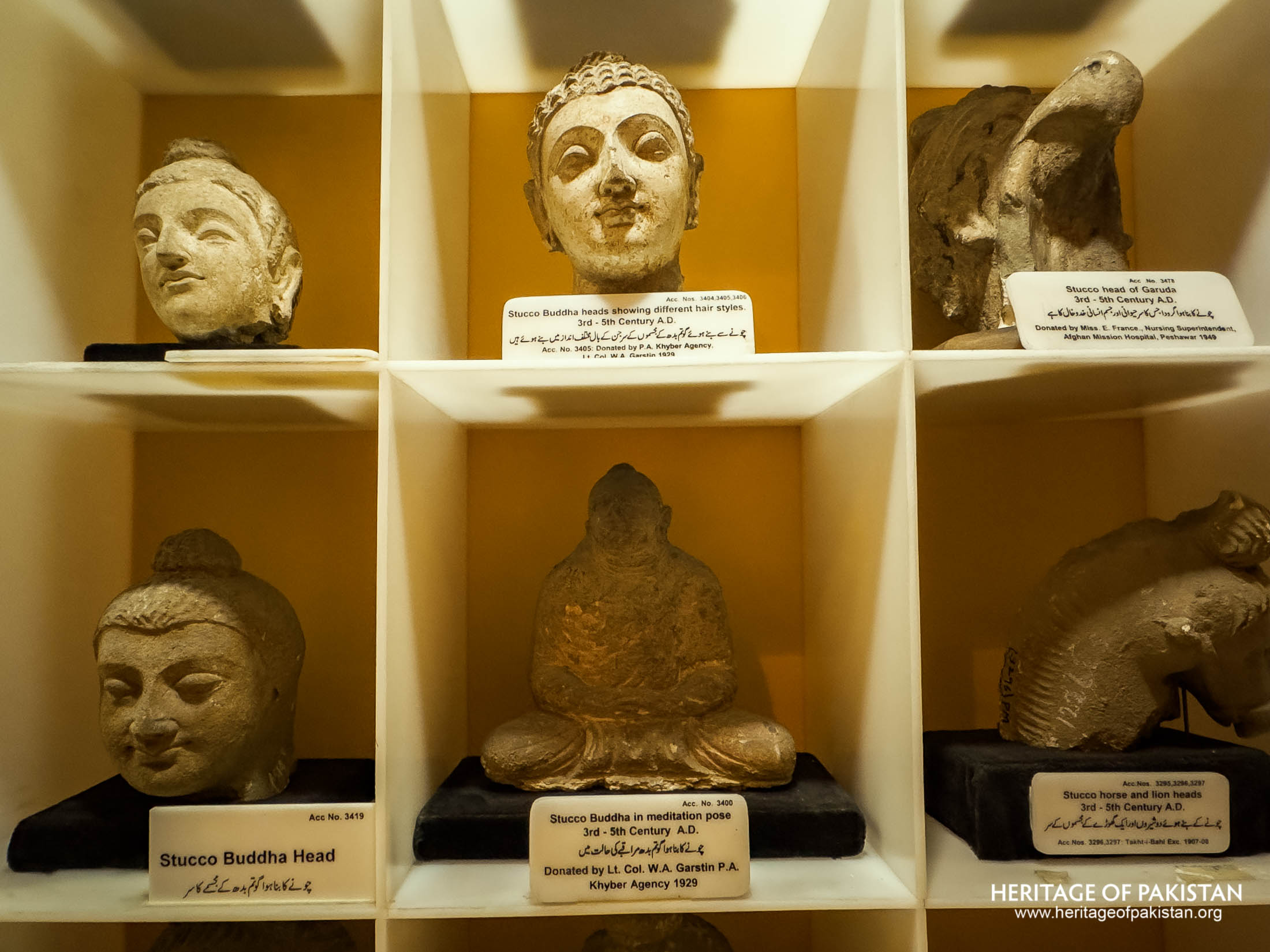
Peshawar Museum houses one of the largest collections of Gandhara sculptures, including depictions of Buddha, Bodhisattvas, and Jataka tales.
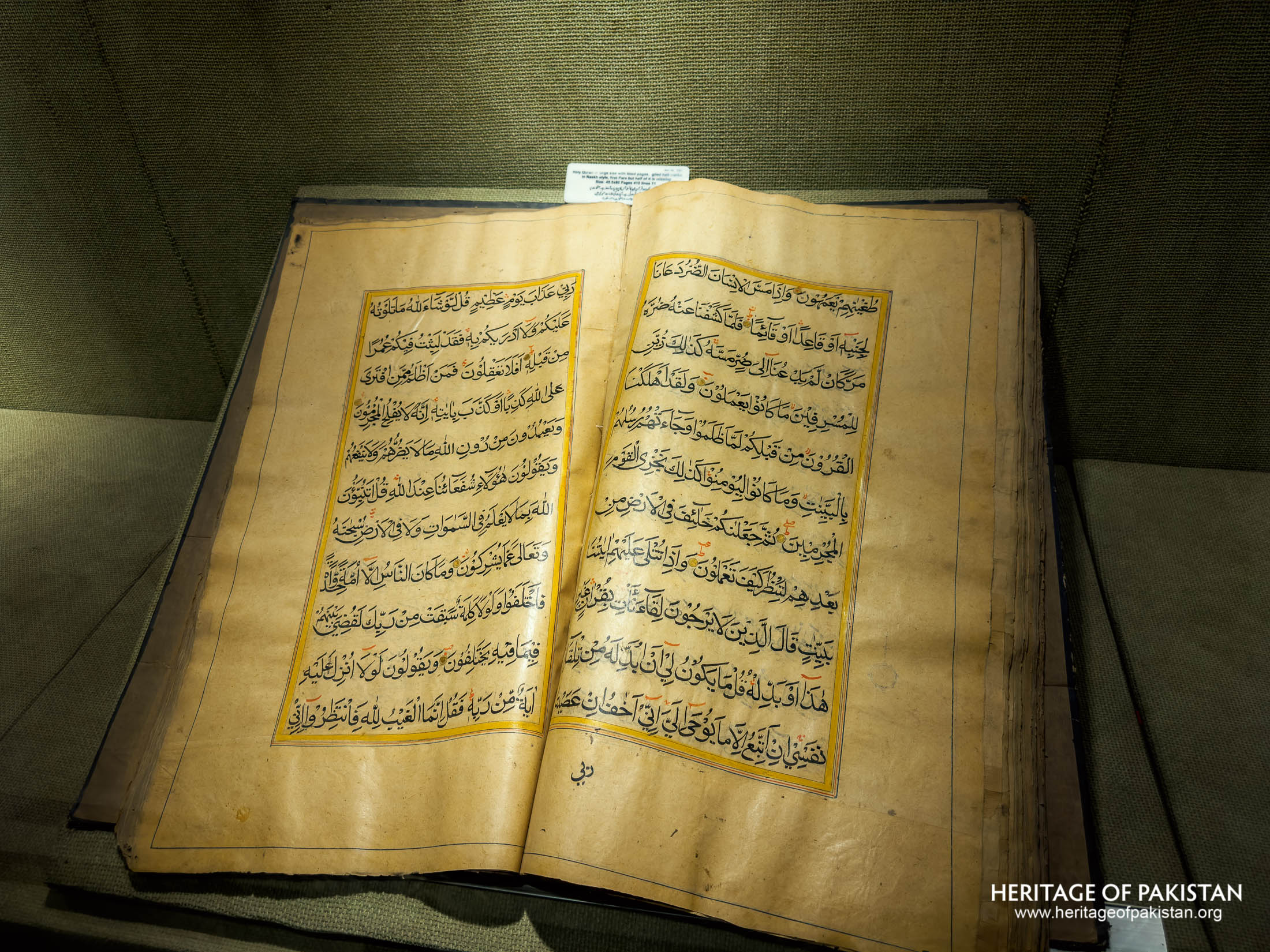
The museum also features an Islamic gallery with inscriptions, calligraphy, manuscripts, and a Quranic section, as well as an ethnological gallery showcasing tribal costumes, jewellery, weapons, and effigies.
The museum was first opened to the public in 1907 and has since been administered by various bodies, currently managed by the Directorate of Archaeology and Museums, Khyber Pakhtunkhwa.
Today, Peshawar Museum stands as a prominent symbol of the region’s rich archaeological and cultural heritage.
