
Textarea
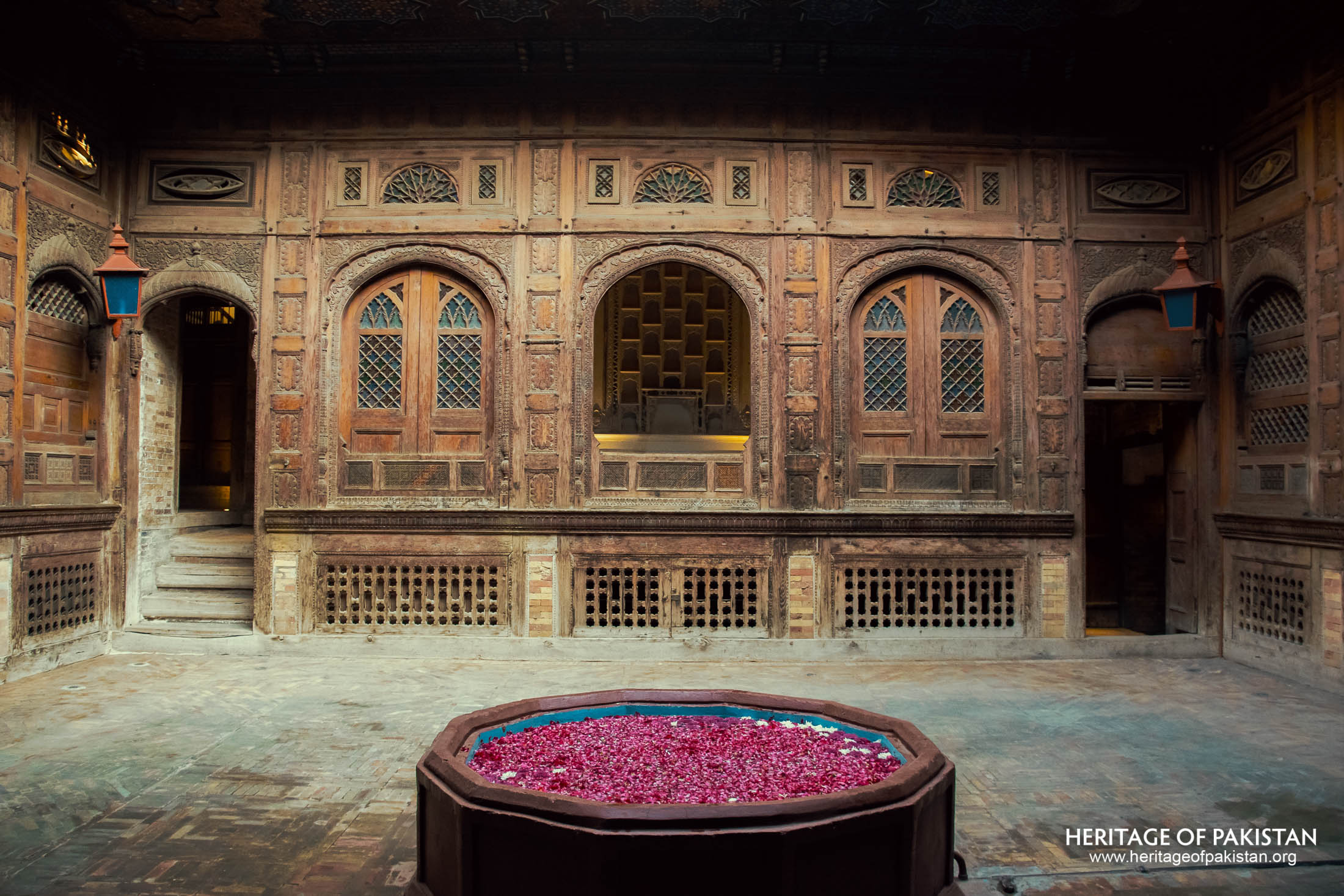
Sethi House, also known as the Karim Buksh Sethi Haveli, is a historic residence located in the Sethi Muhalla of Peshawar’s Walled City.
Built in 1898 by the affluent merchant Karim Buksh Sethi, the house exemplifies the traditional haveli architecture of the Indo-Subcontinent.
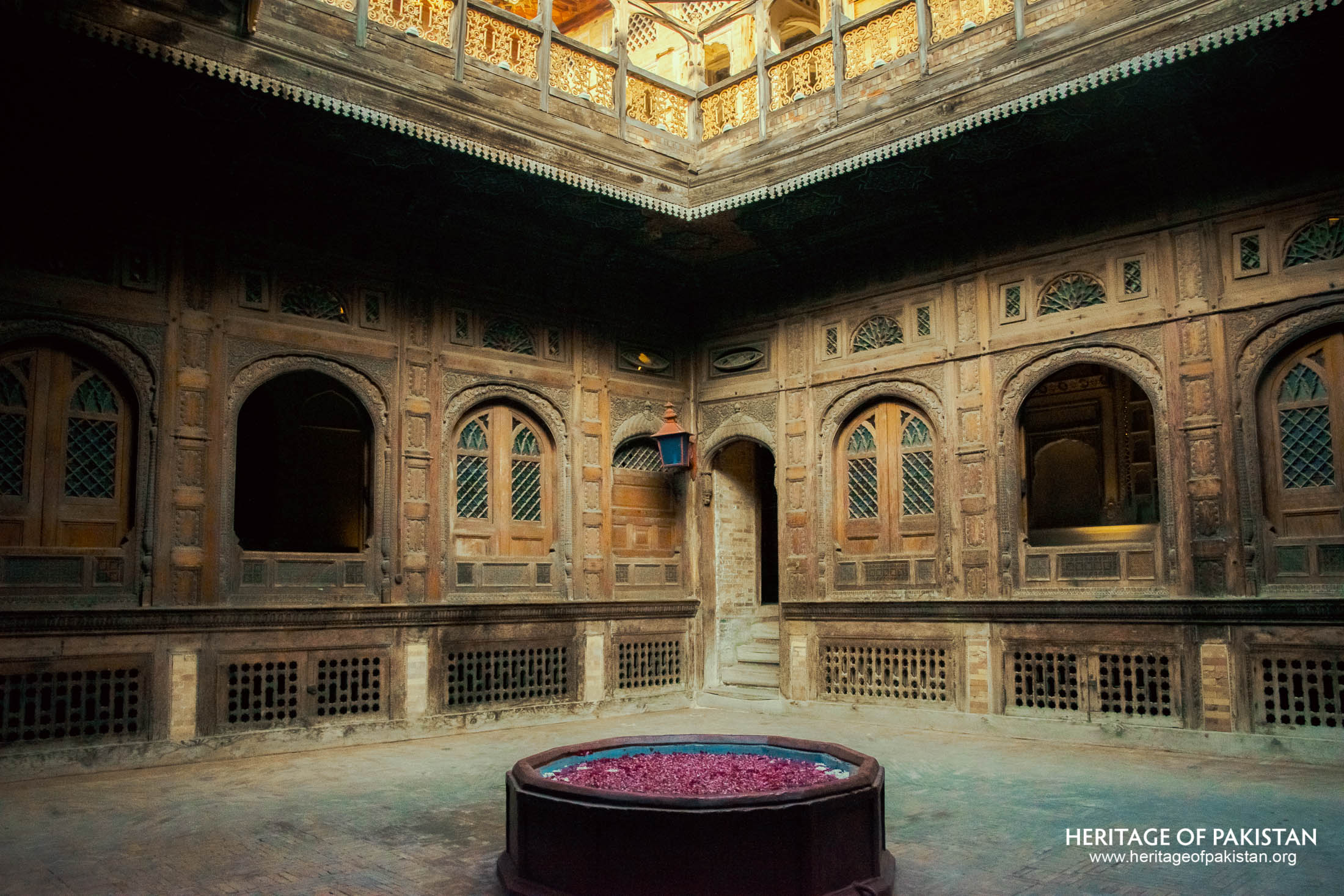
The structure is centered around a brick-paved courtyard, approximately 32 by 30 feet, with a fountain at its center and halls arranged on three sides.
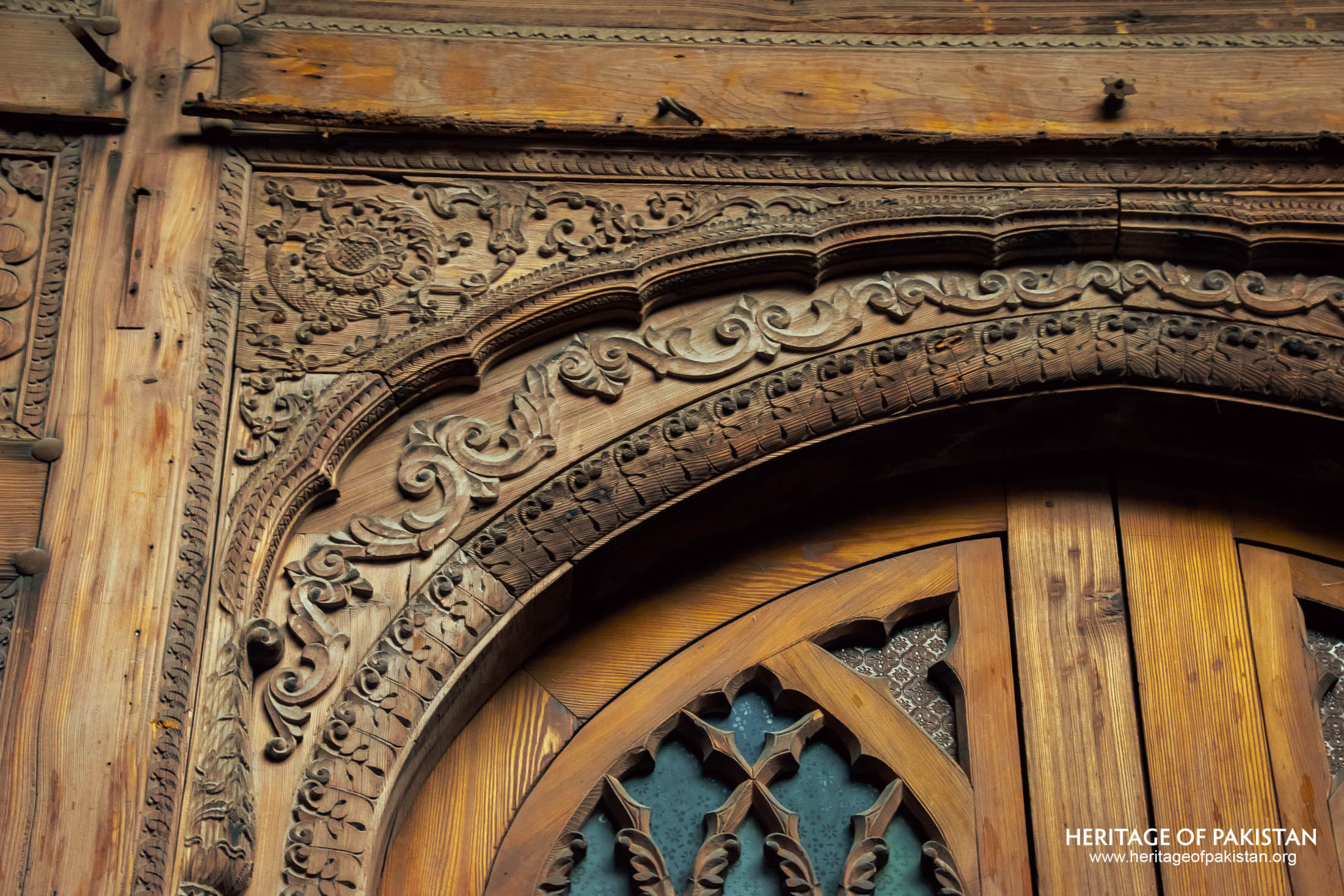
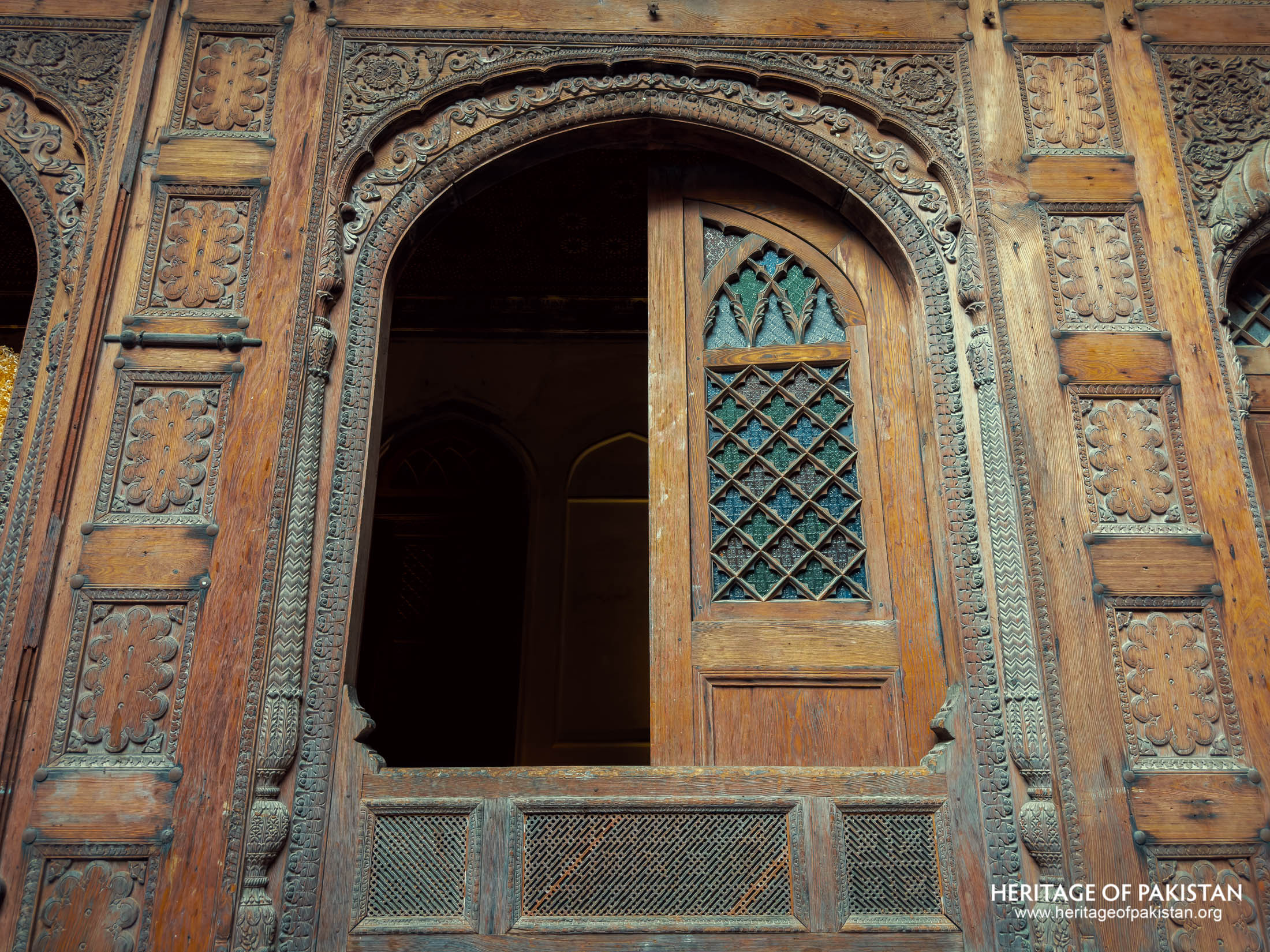
The architecture integrates influences from Bukhara, Samarkand, Kashmir, Persia, and Mughal traditions, evident in its carved woodwork, lattice screens, and decorative frescoes.
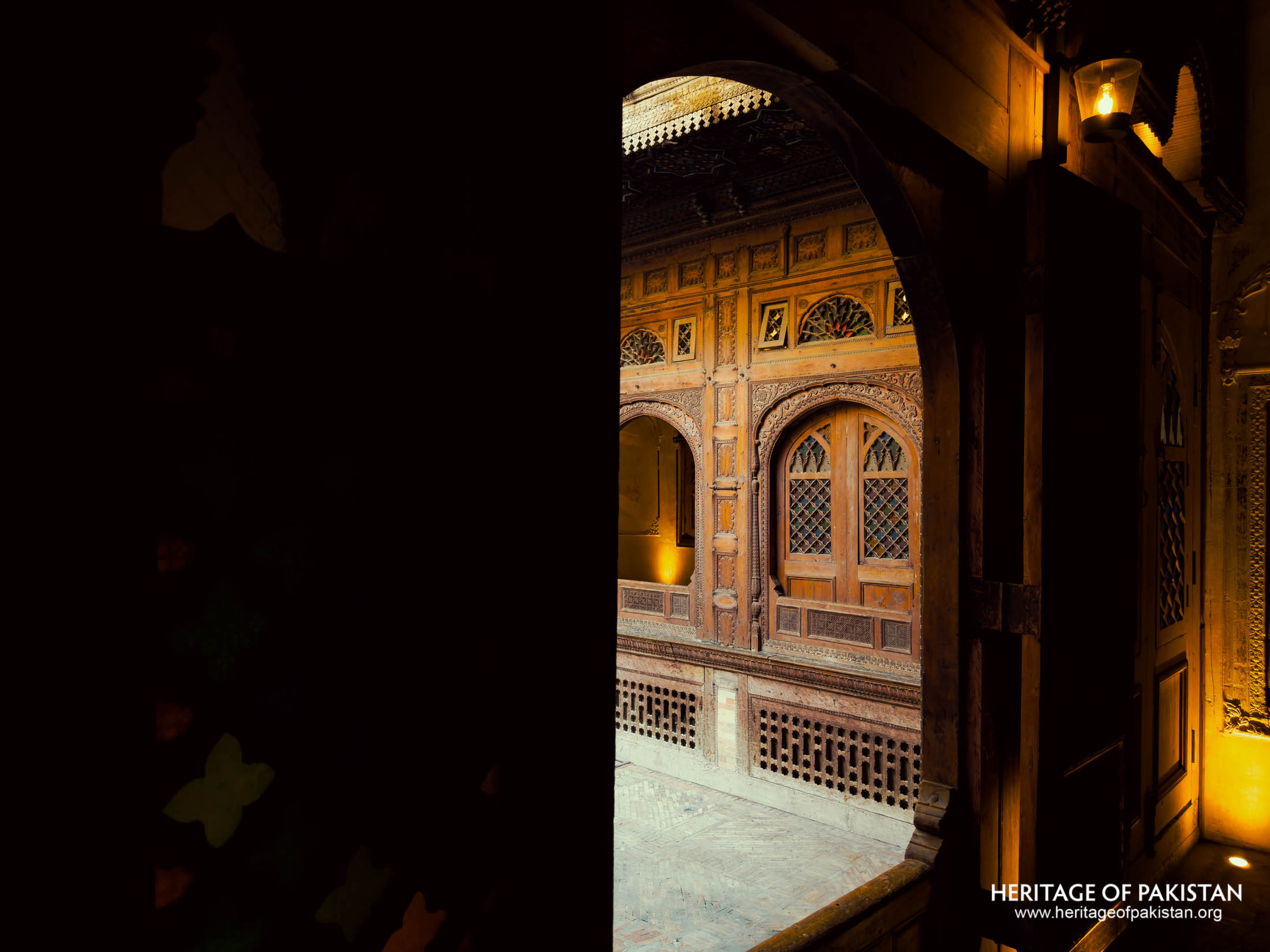
The southern section is elaborately constructed with underground takhanas, upper balakhanas, and the highly adorned Shah Nasim room featuring painted designs and cut glass.
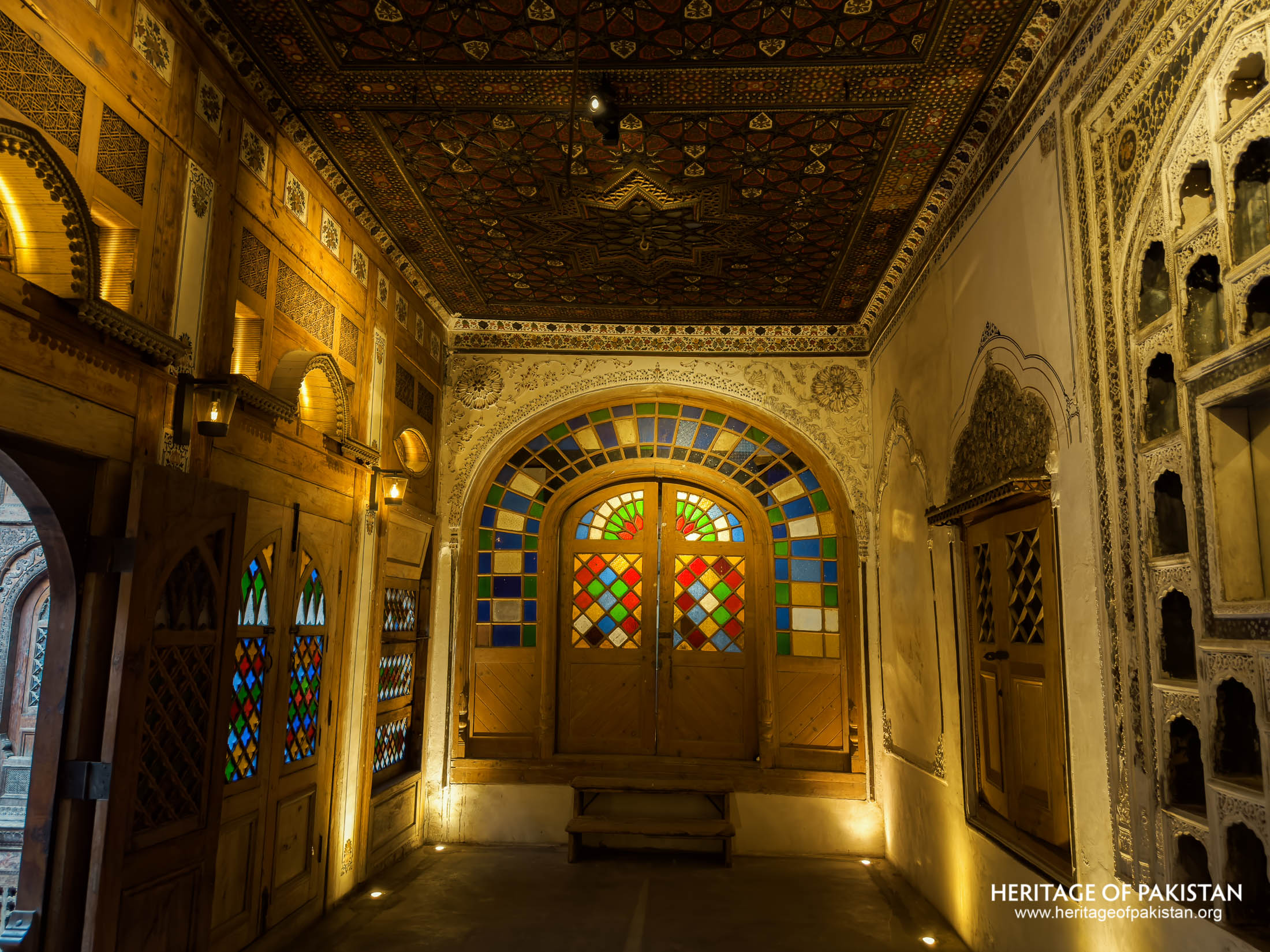
The ceilings exhibit khatam-band (parquet work), and the walls include chini-khanas used to display imported crockery from Russia and Central Asia.
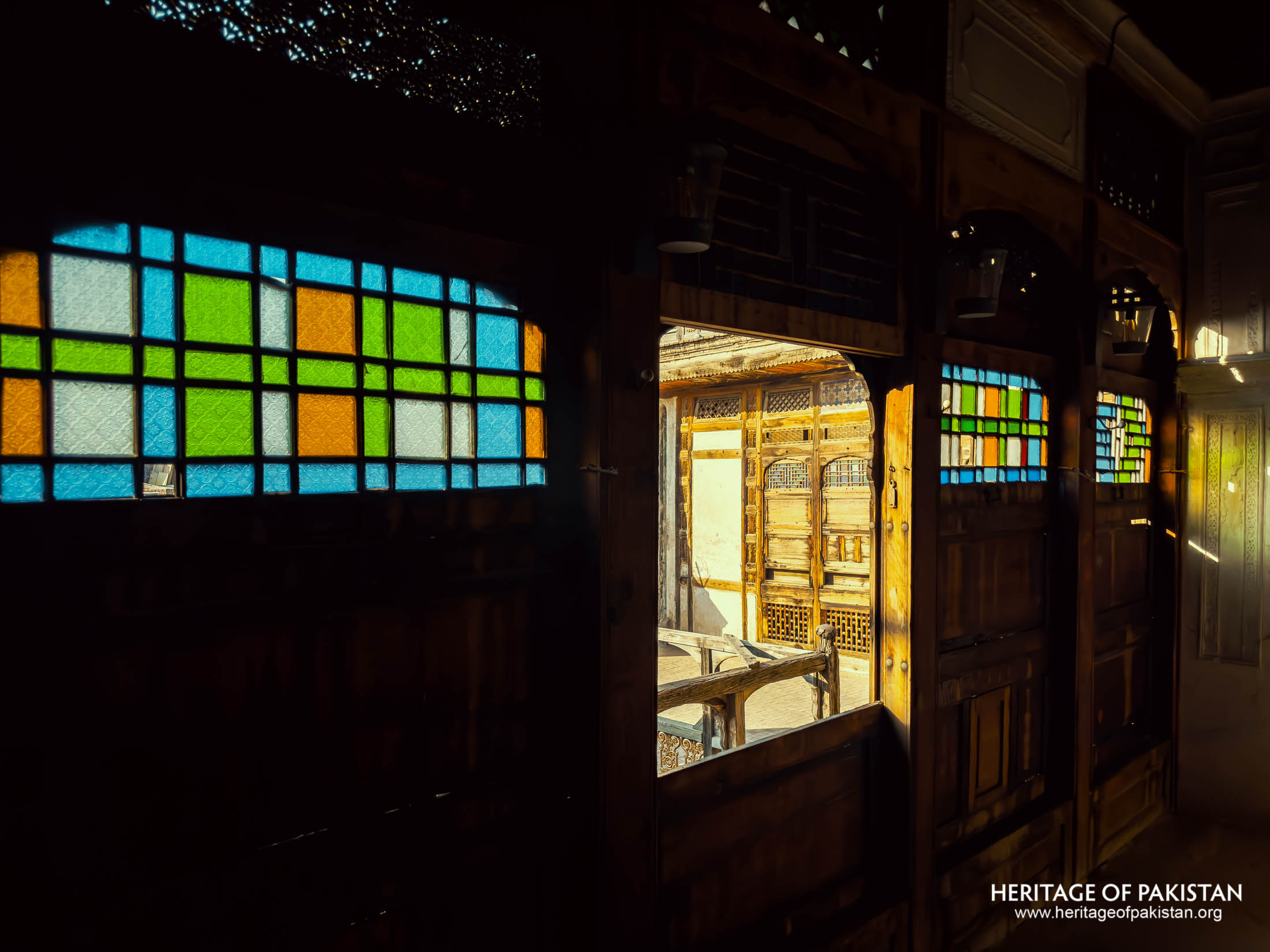
The haveli also features aina-kari (mirror mosaic), wooden bridges on the rooftops, and interconnected residential quarters to facilitate private movement.
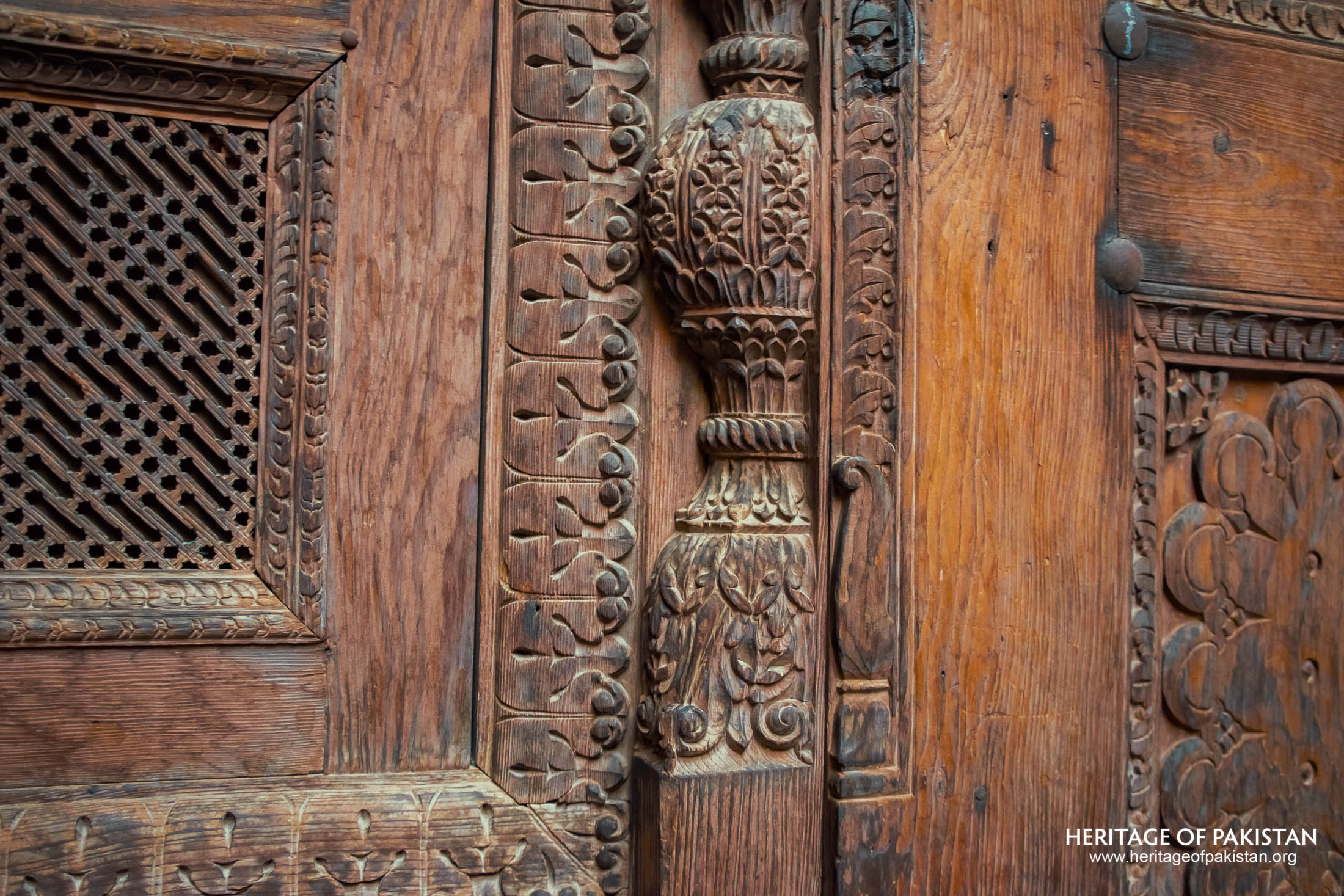
The Sethi House has one of the most remarkable woodwork found in Pakistan
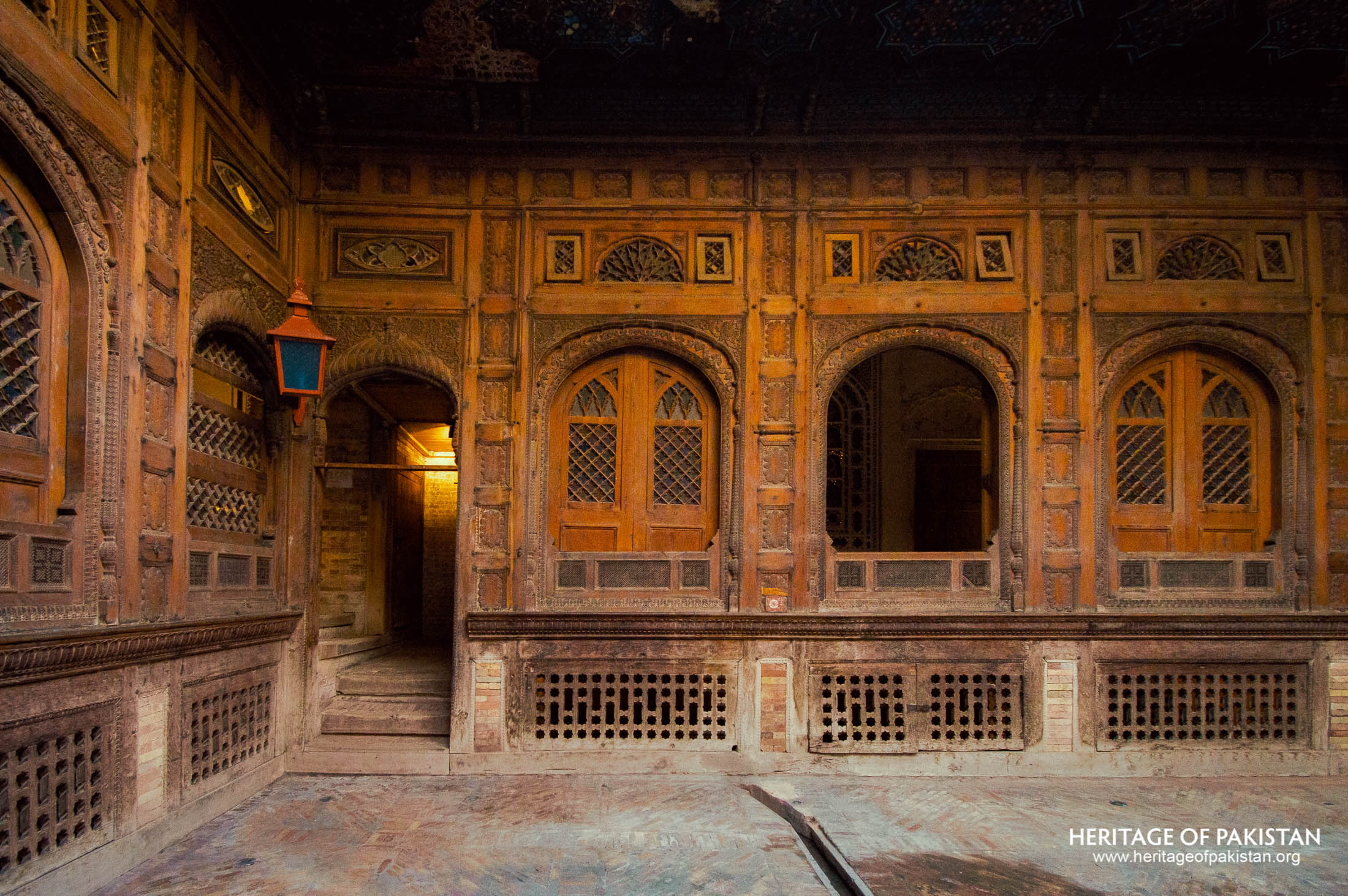
Construction materials such as small Waziri bricks, used during the Mughal era, were employed throughout the building.
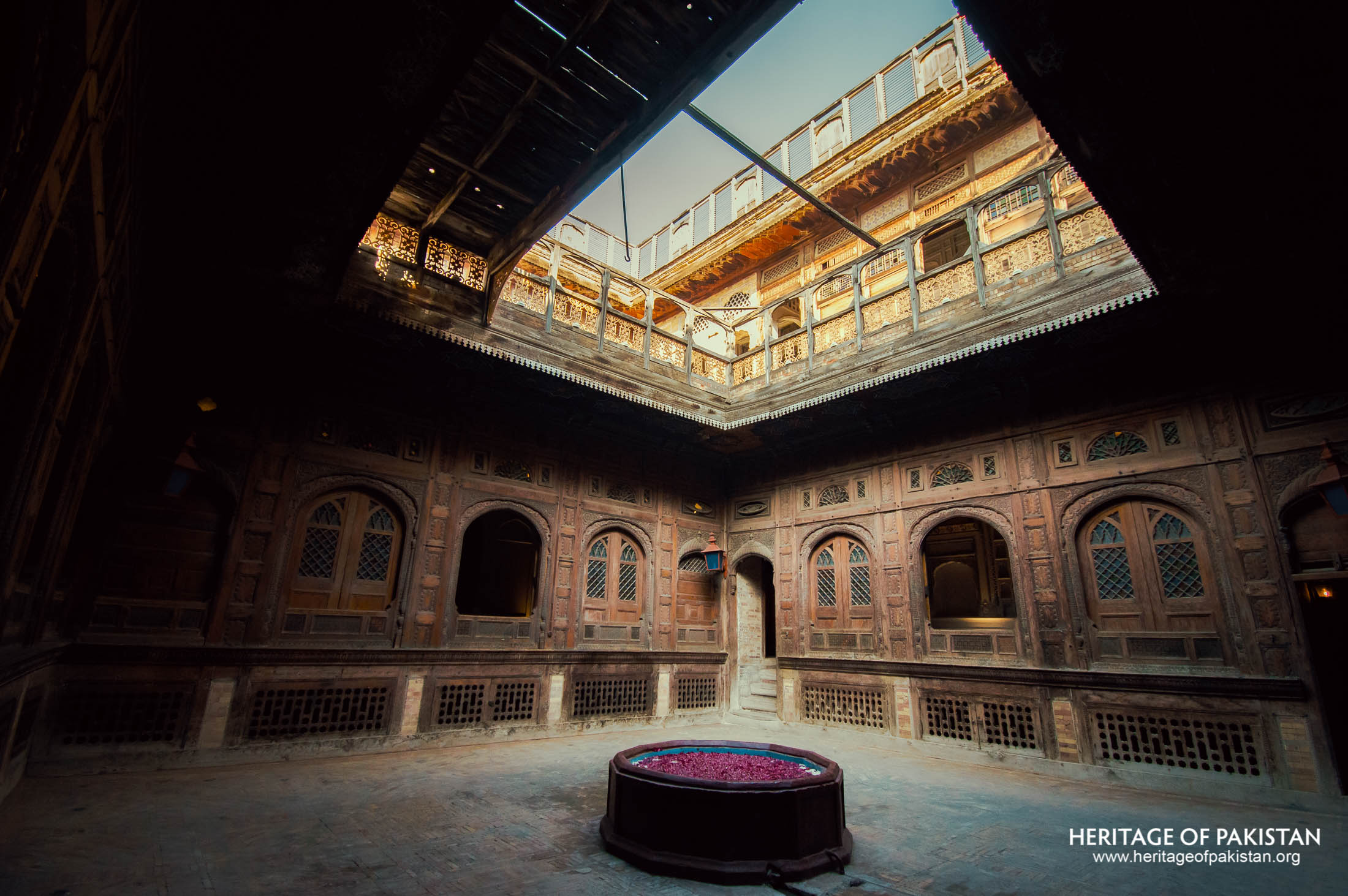
Today, Sethi House functions as a museum and heritage site, preserving the artistic and cultural legacy of Peshawar’s once-thriving merchant elite.
