
Textarea
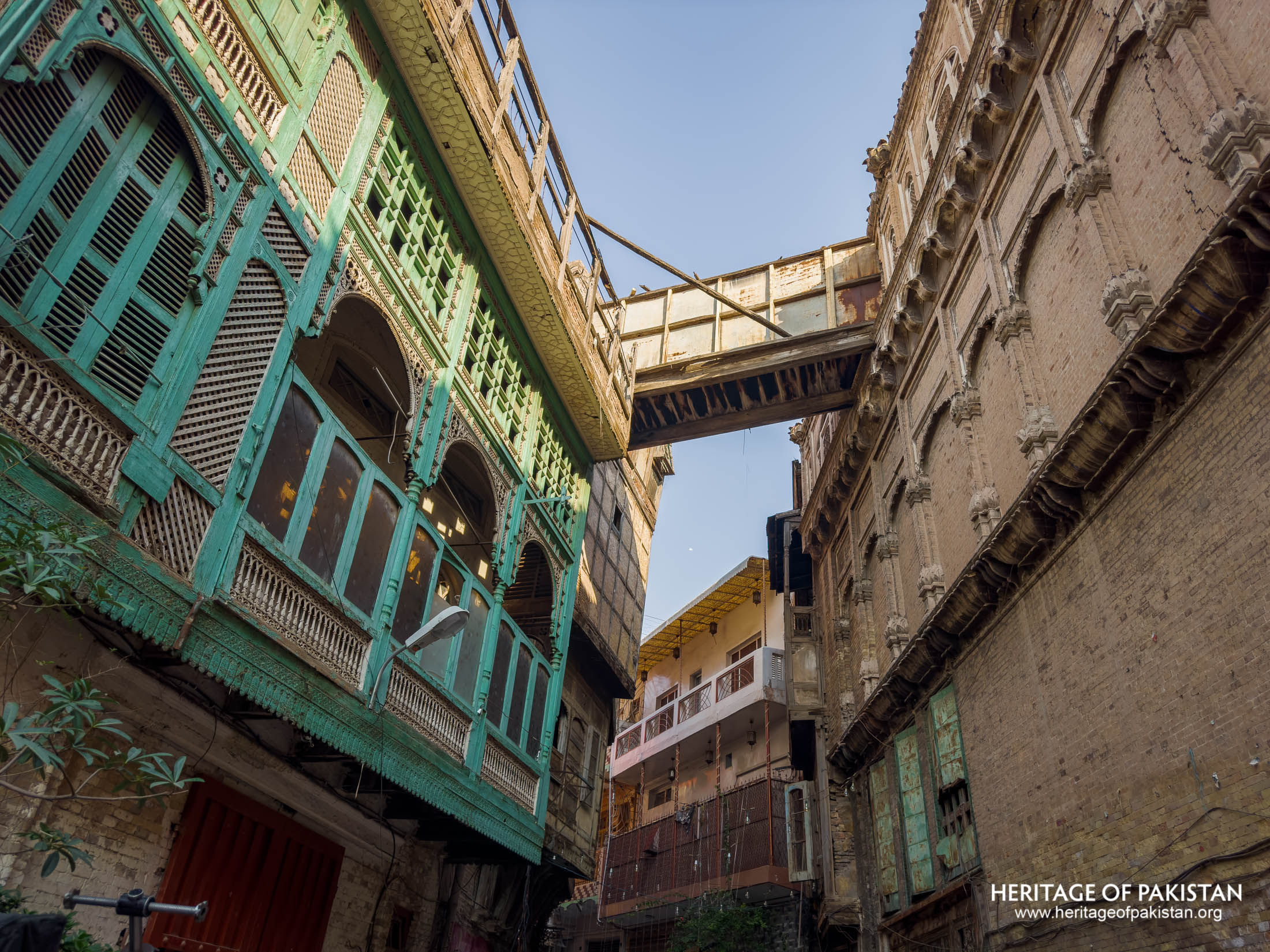
Sethi Muhalla is a historic residential neighborhood located within the Walled City of Peshawar near Bazaar-e-Kalan.
It lies between the Cunningham Clock Tower on one side and the Gor Khatri archaeological complex on the other, forming a part of Peshawar’s cultural heritage trail.
The area was home to the Sethi family, a wealthy merchant community that migrated from Chamkani six generations ago.
Using Peshawar as their base, the Sethis established trade networks that extended across India, Afghanistan, Iran, Central Asia, Russia, and China.
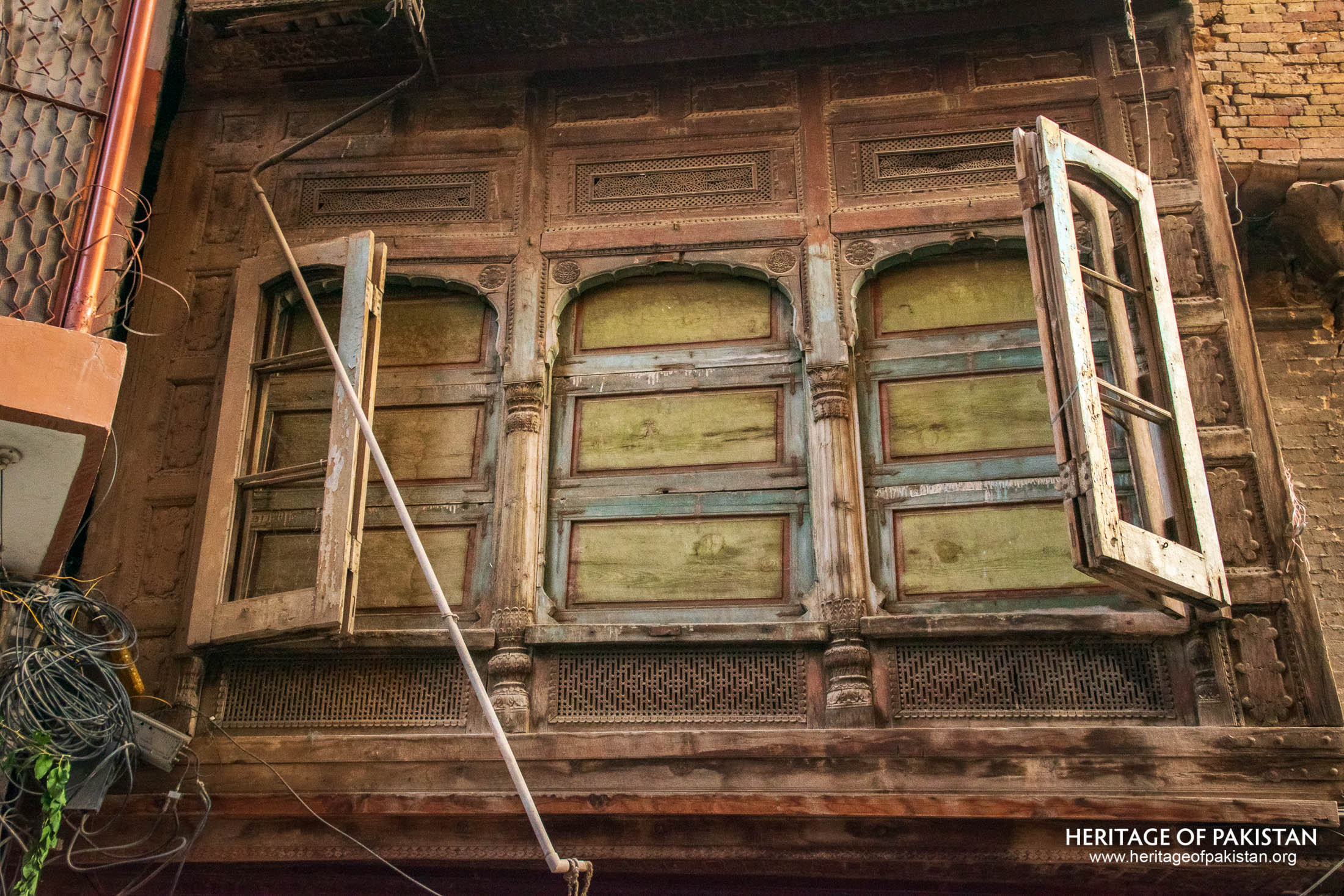
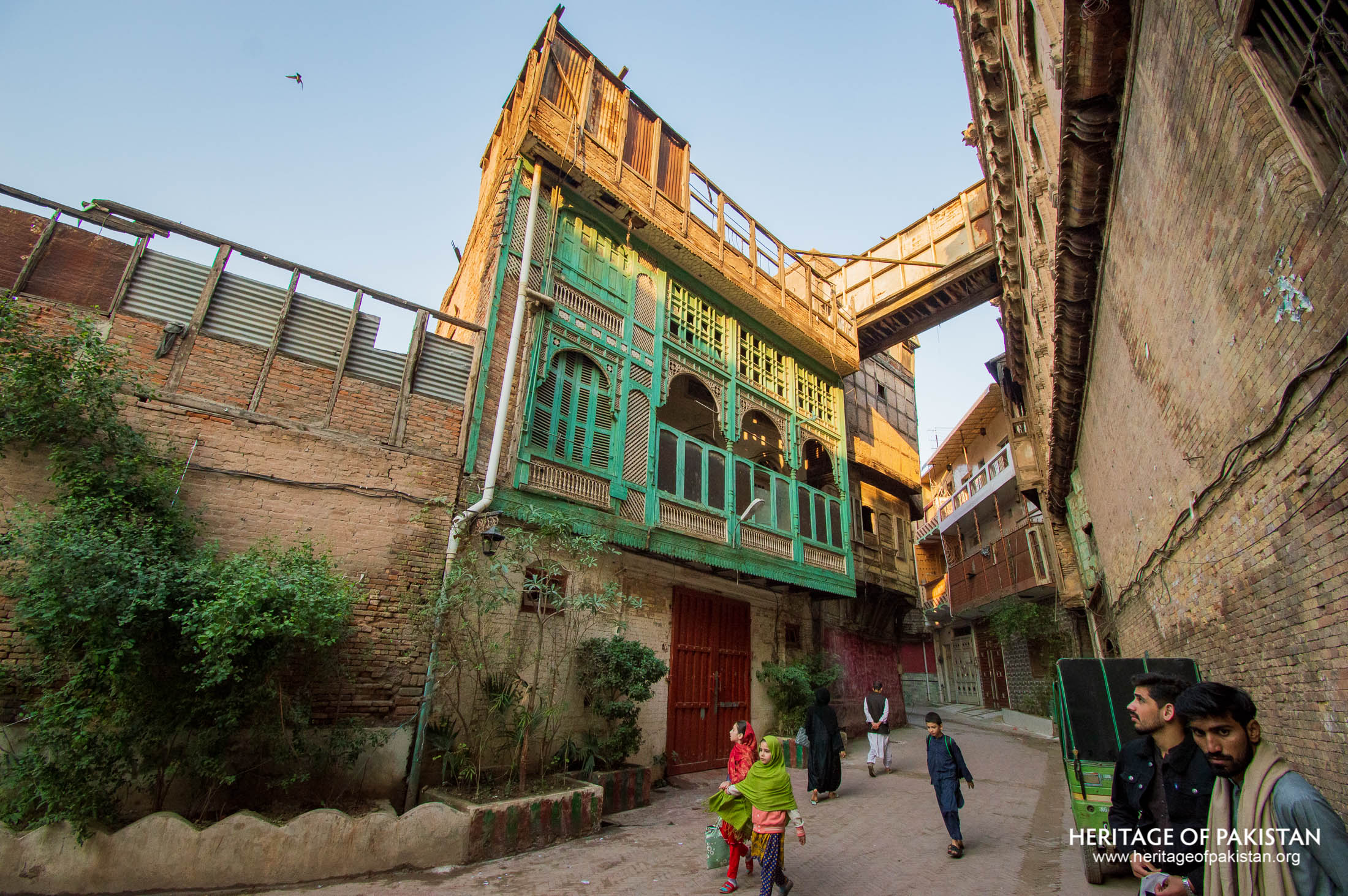
Between 1800 and 1910, the Sethis constructed twelve intricately designed havelis in the muhalla, blending Central Asian, Kashmiri, Persian, and Indo-Subcontinental architectural styles.
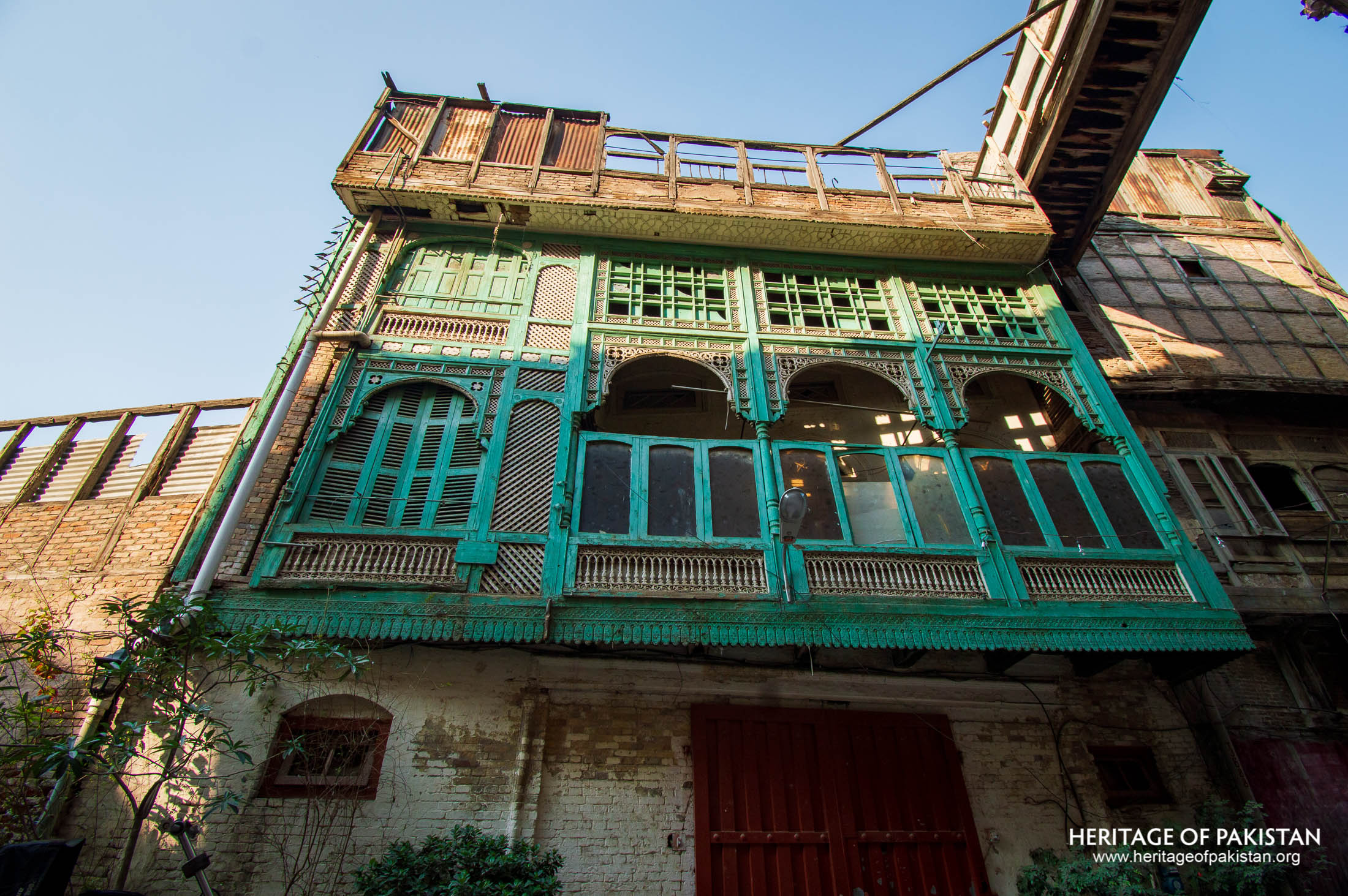
Notable havelis include those of Karim Buksh, Karam Buksh, Fateh Gul, Ahmad Gul, and Abdul Jalil Sethi, among others.
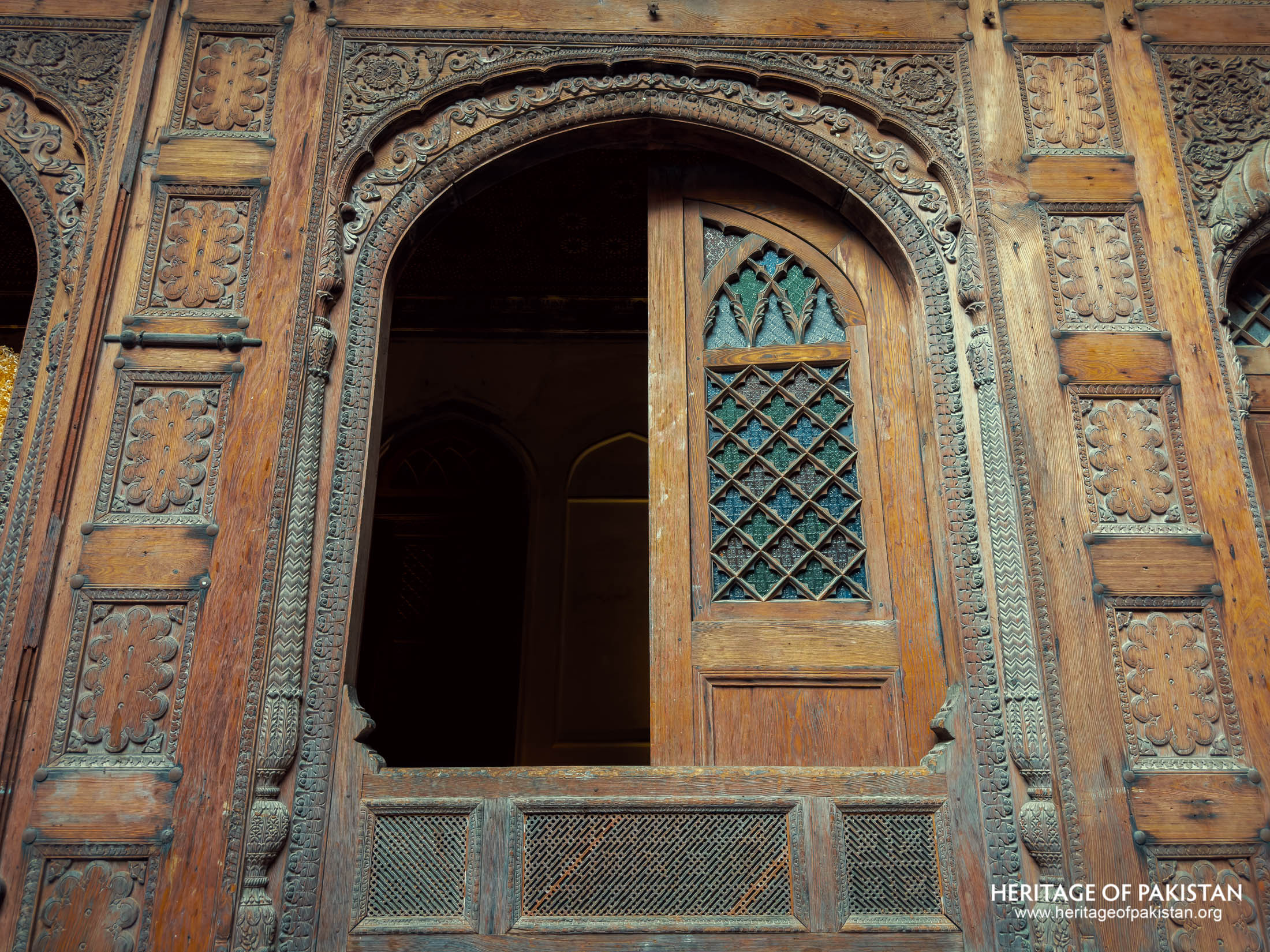
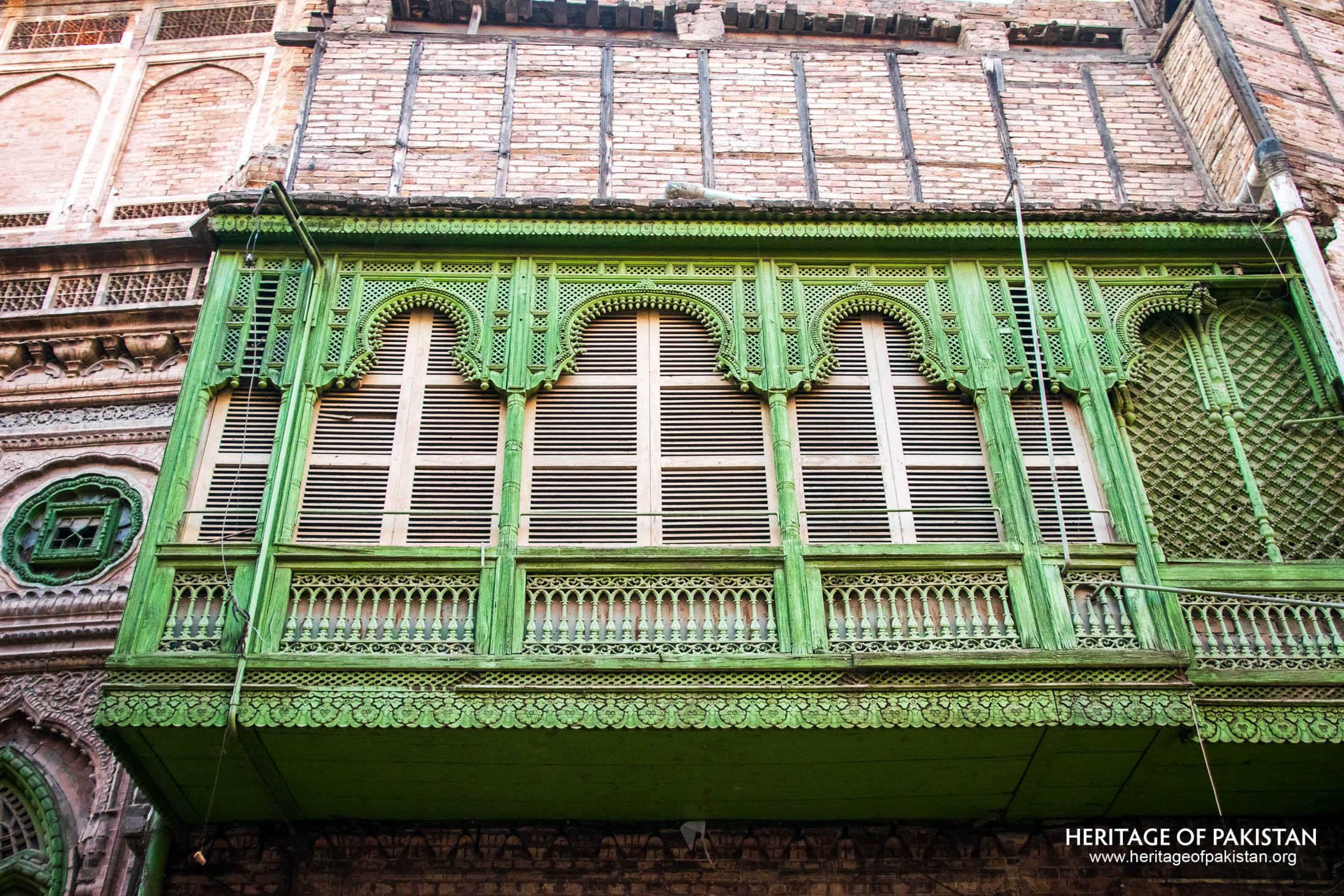
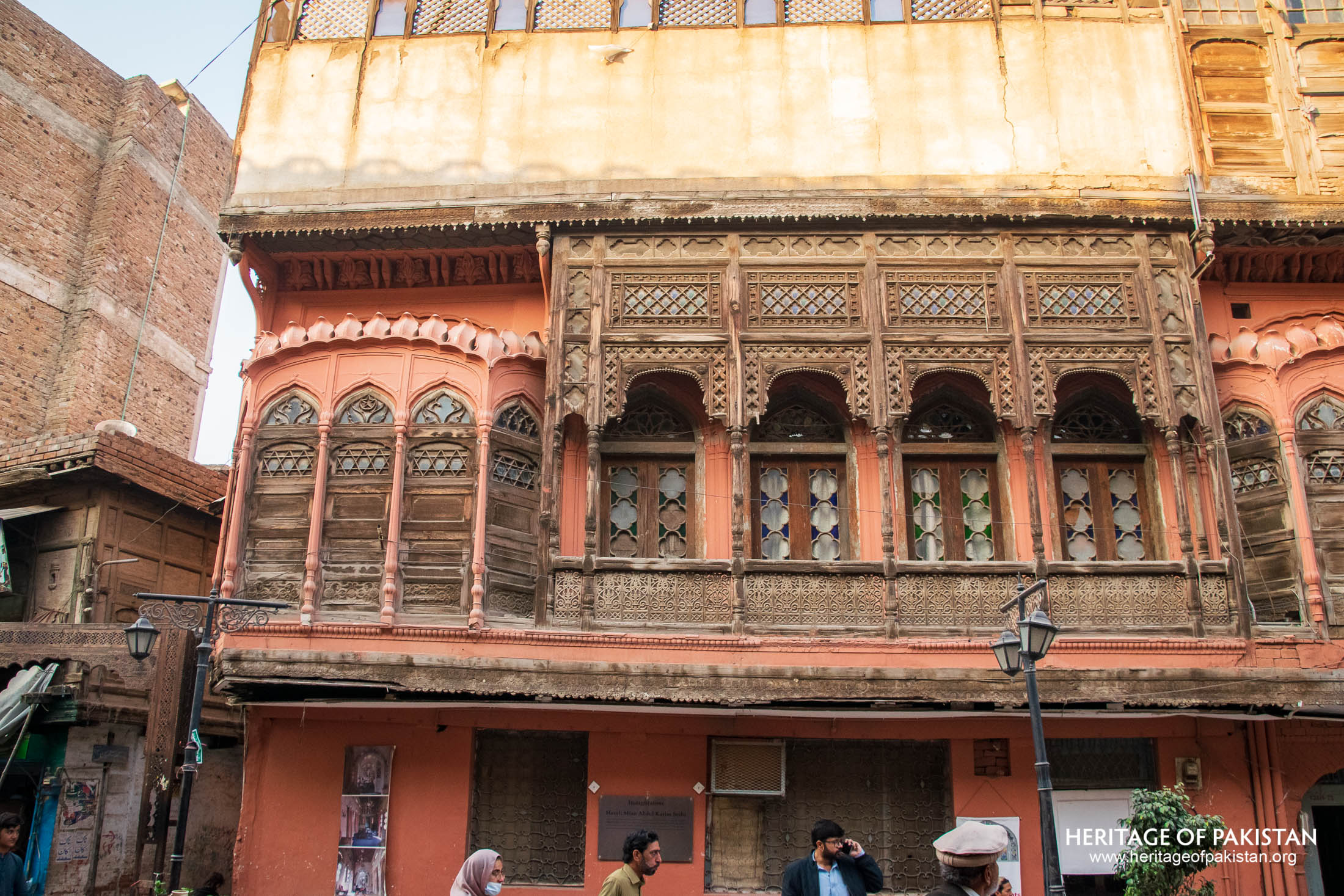
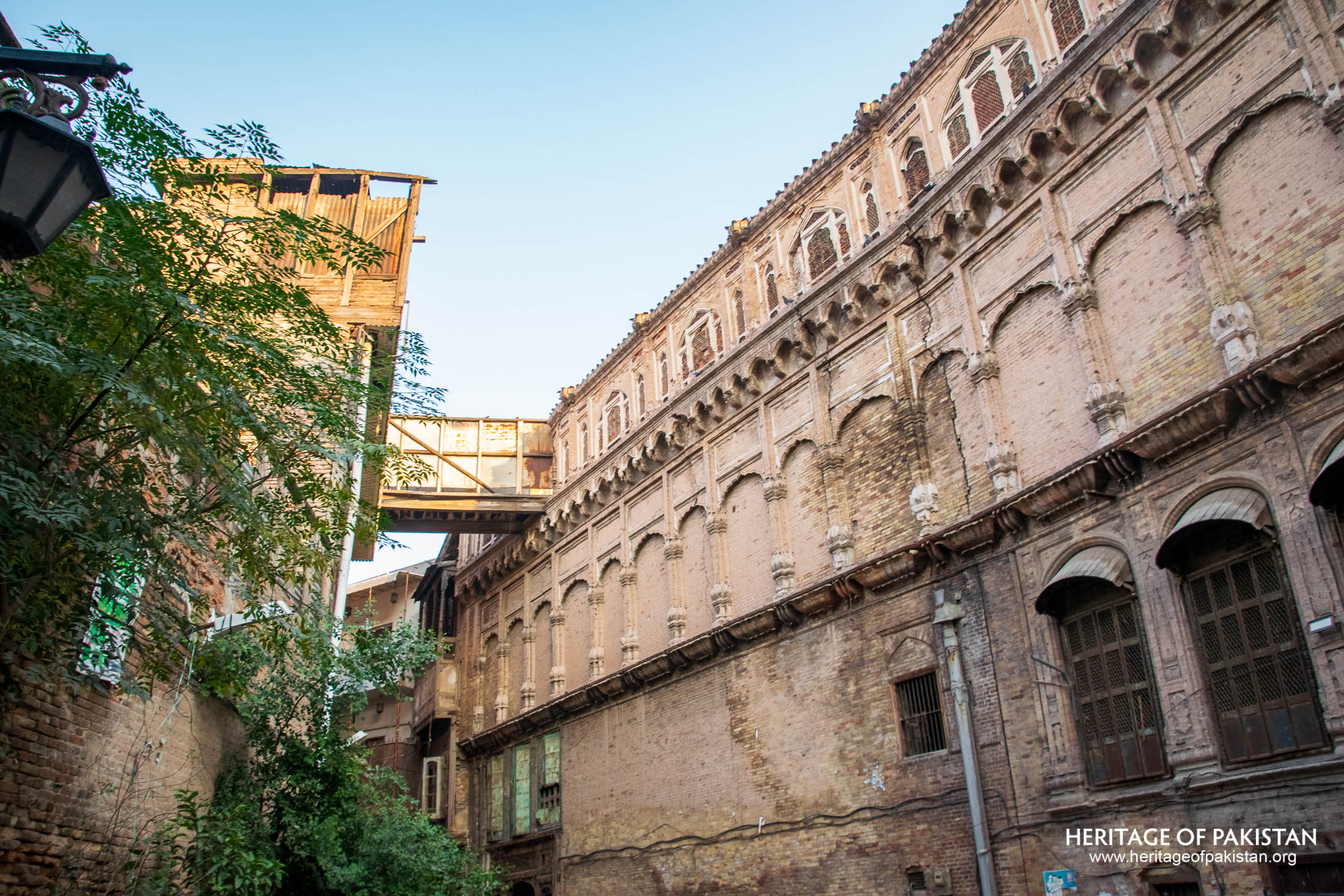
Architectural features such as wood-carved balconies, mirror mosaic work, lattice screens, and rooftop bridges define the unique character of the neighborhood.
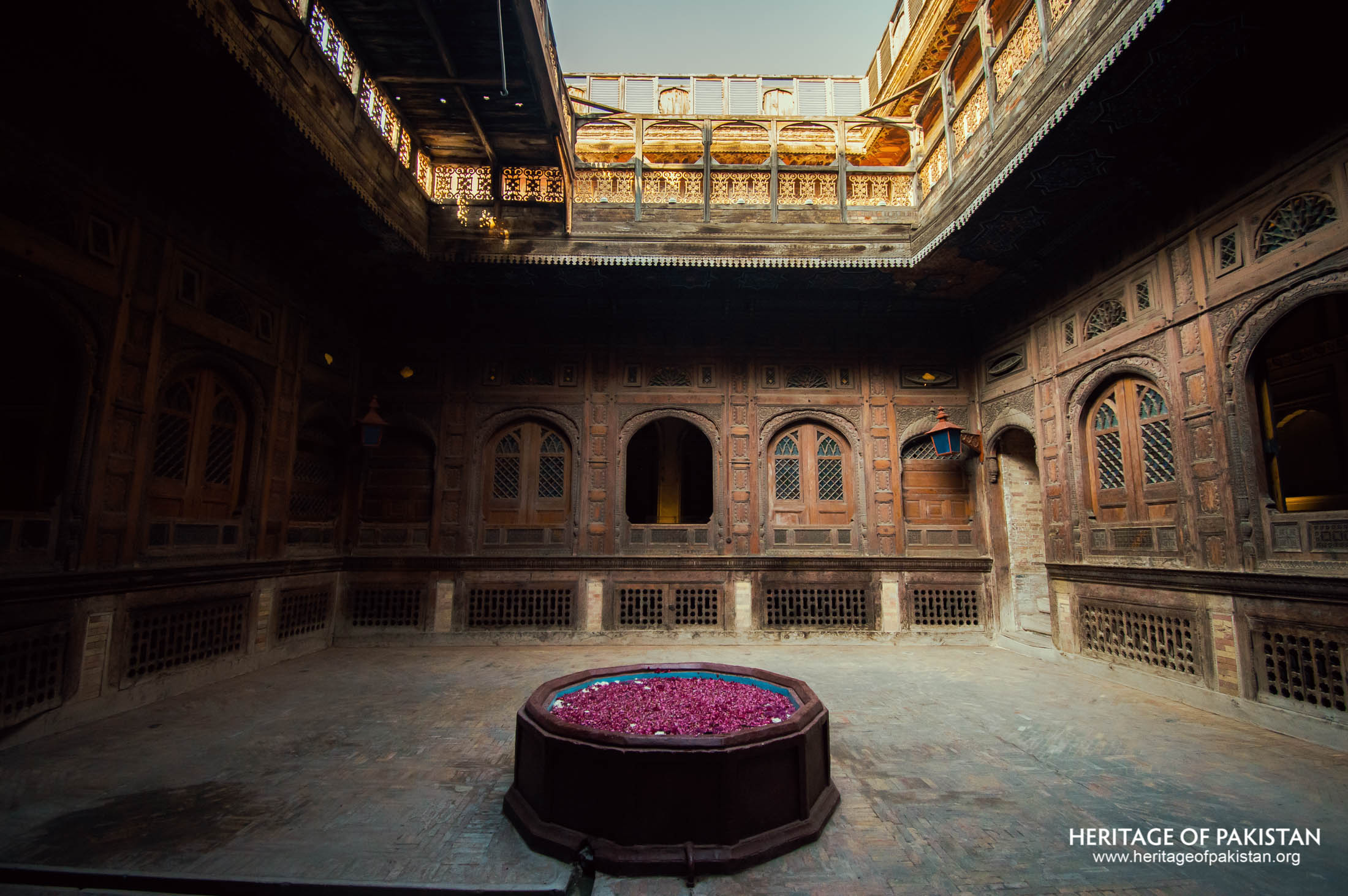
The Karim Buksh Sethi Haveli, built in 1898, is the most iconic and includes zenana, daftar-khana, and mehman-khana sections.
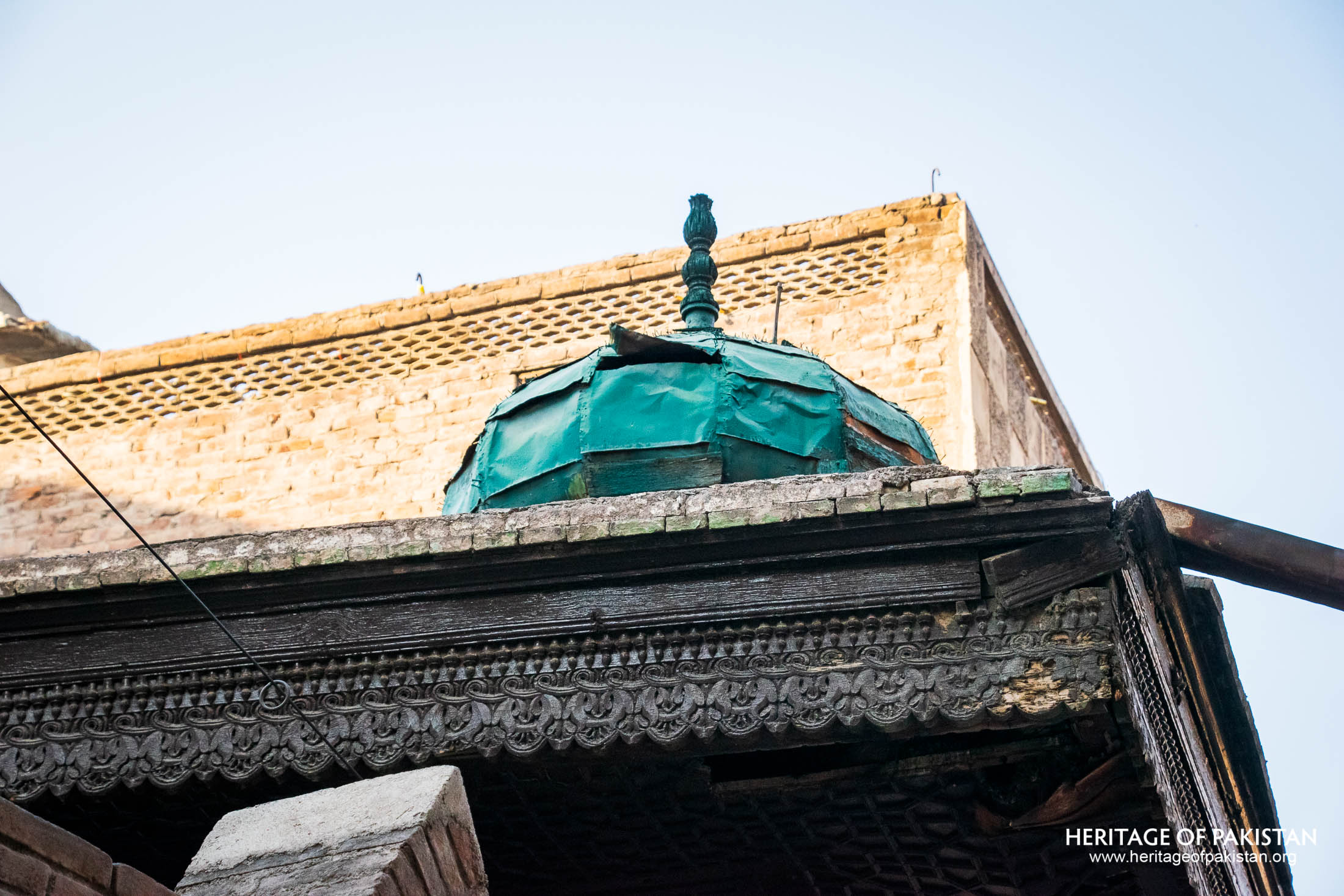
The mosque in the muhalla was also built by Karim Buksh, and a covered street known as Chatti Gali connects two of the havelis.
Today, Sethi Muhalla stands as a preserved heritage site managed by the Directorate of Archaeology and Museums, reflecting the commercial legacy and cultural sophistication of Peshawar’s historic merchant class.
