
Textarea
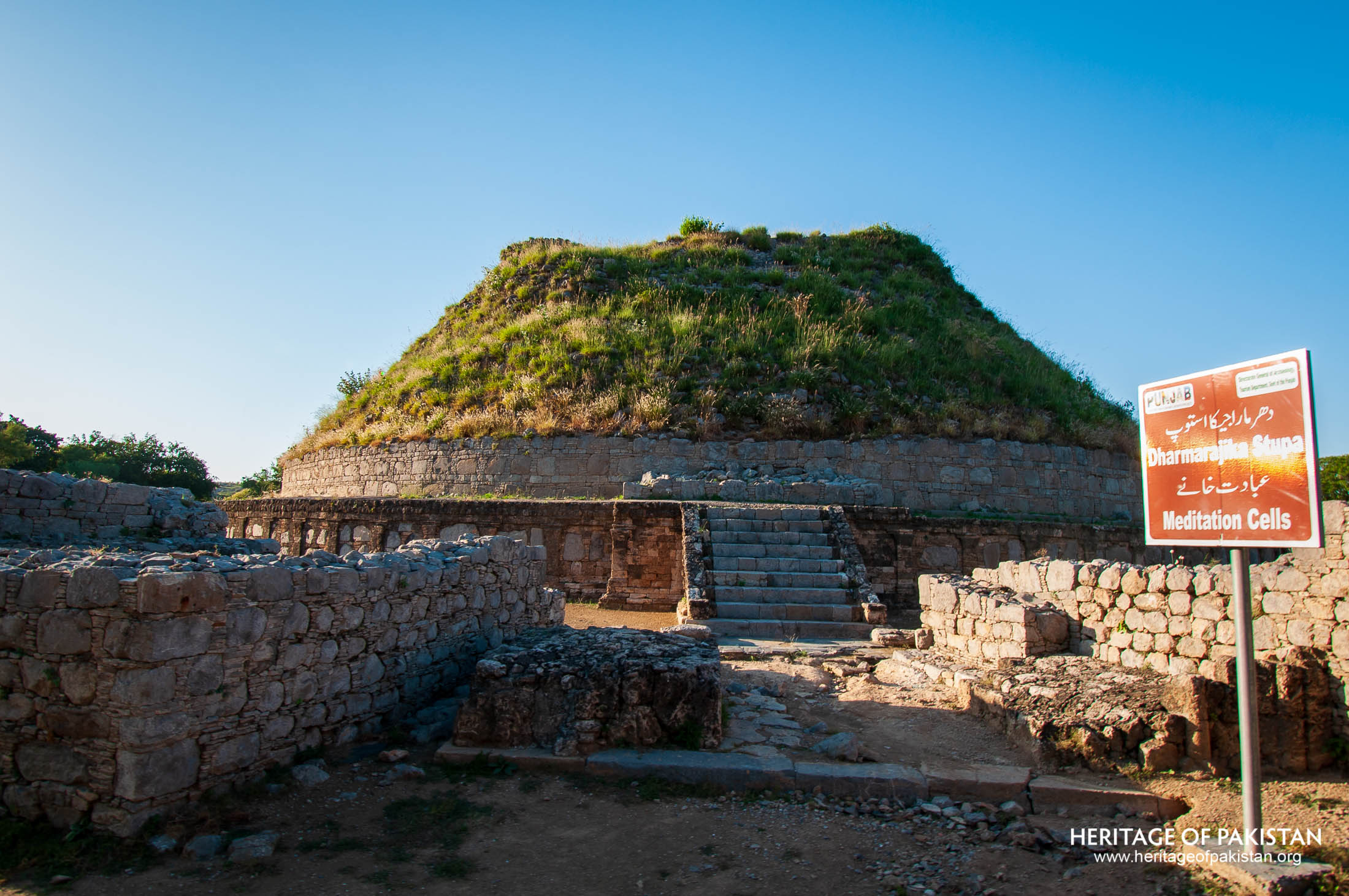
Taxila, situated approximately 37 kilometers northwest of Rawalpindi is one of the most significant archaeological and historical sites in South Asia
Located within the larger cultural region of Gandhara, Taxila has long been recognized for its rich architectural, religious, and intellectual heritage
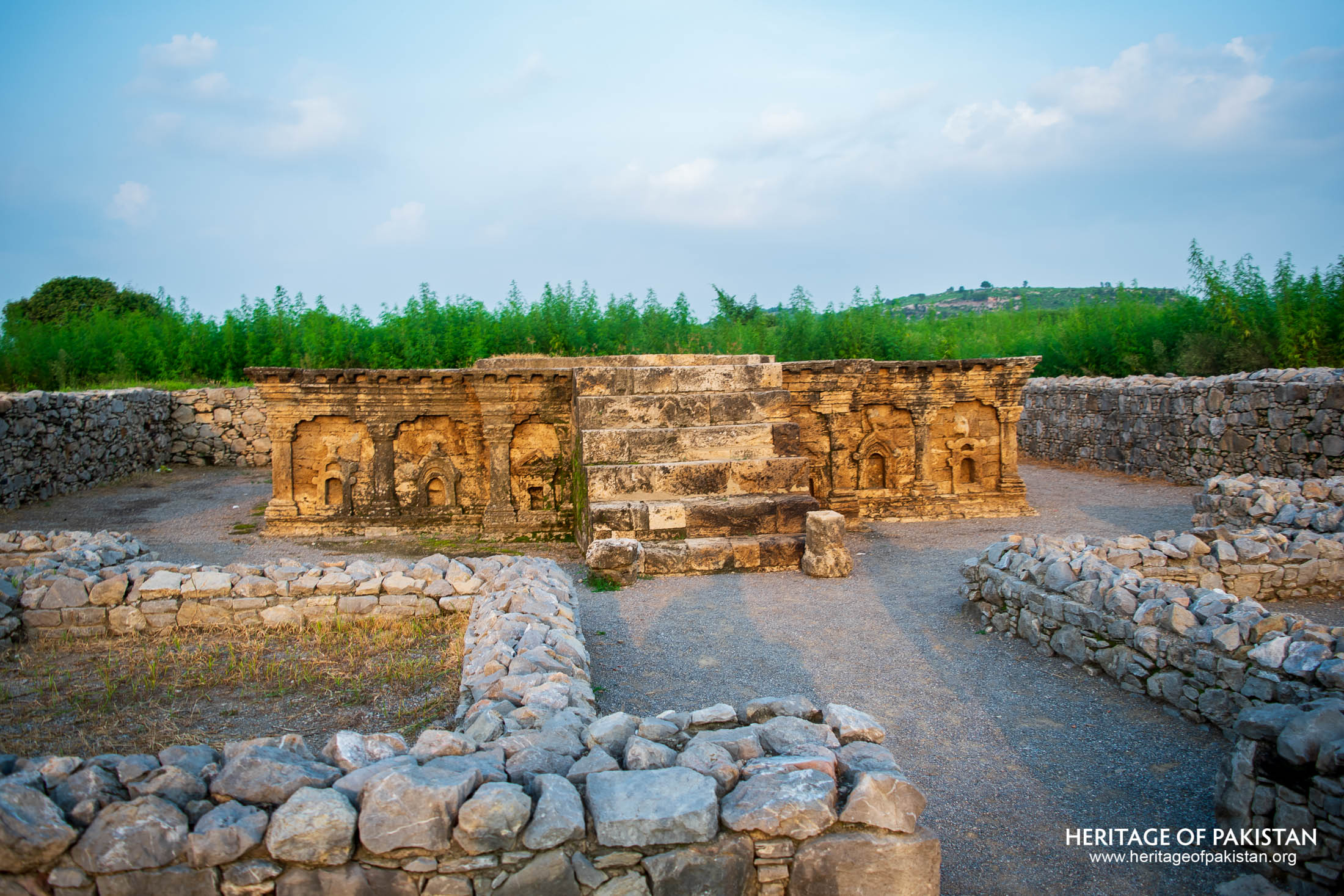
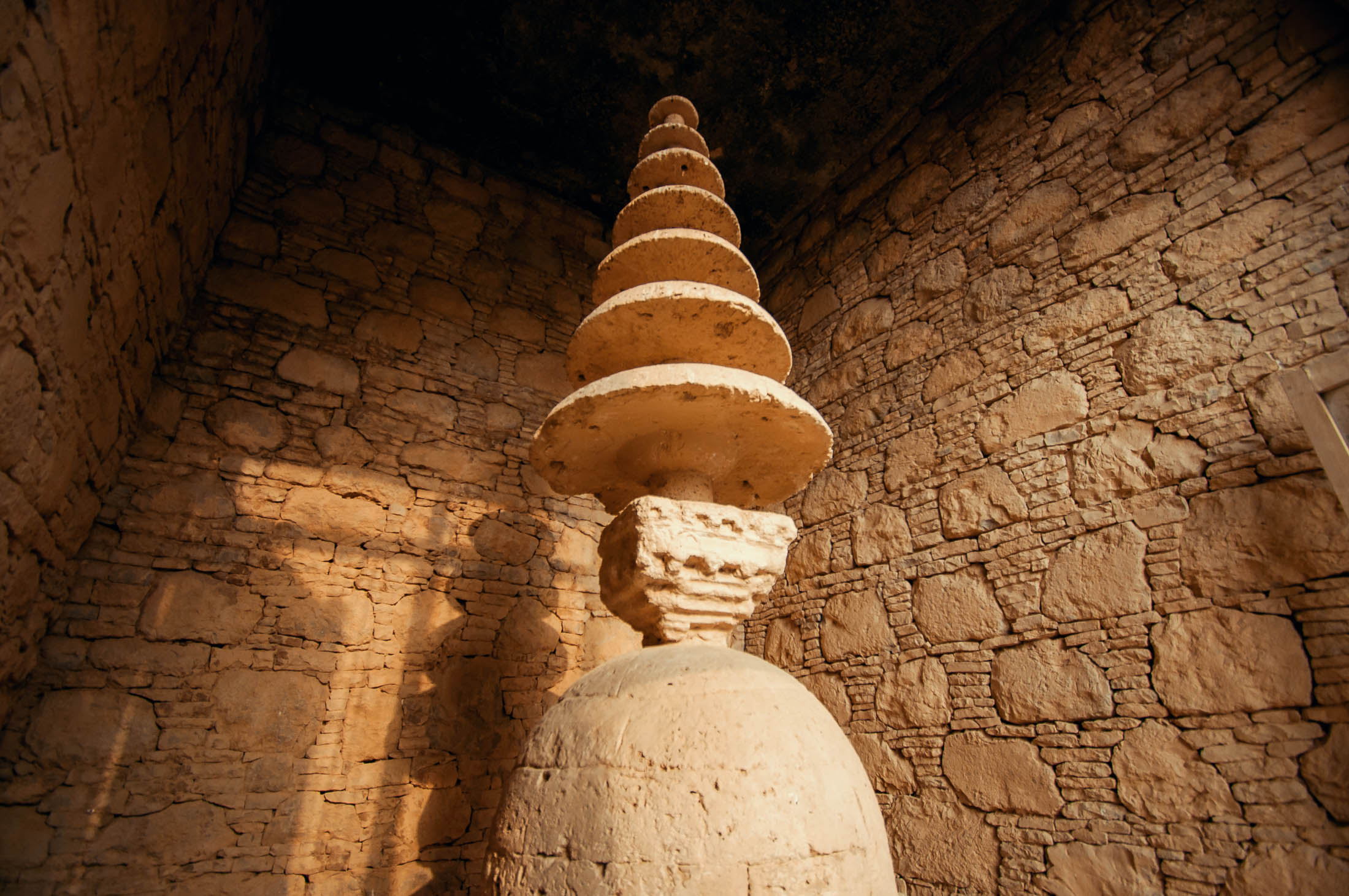
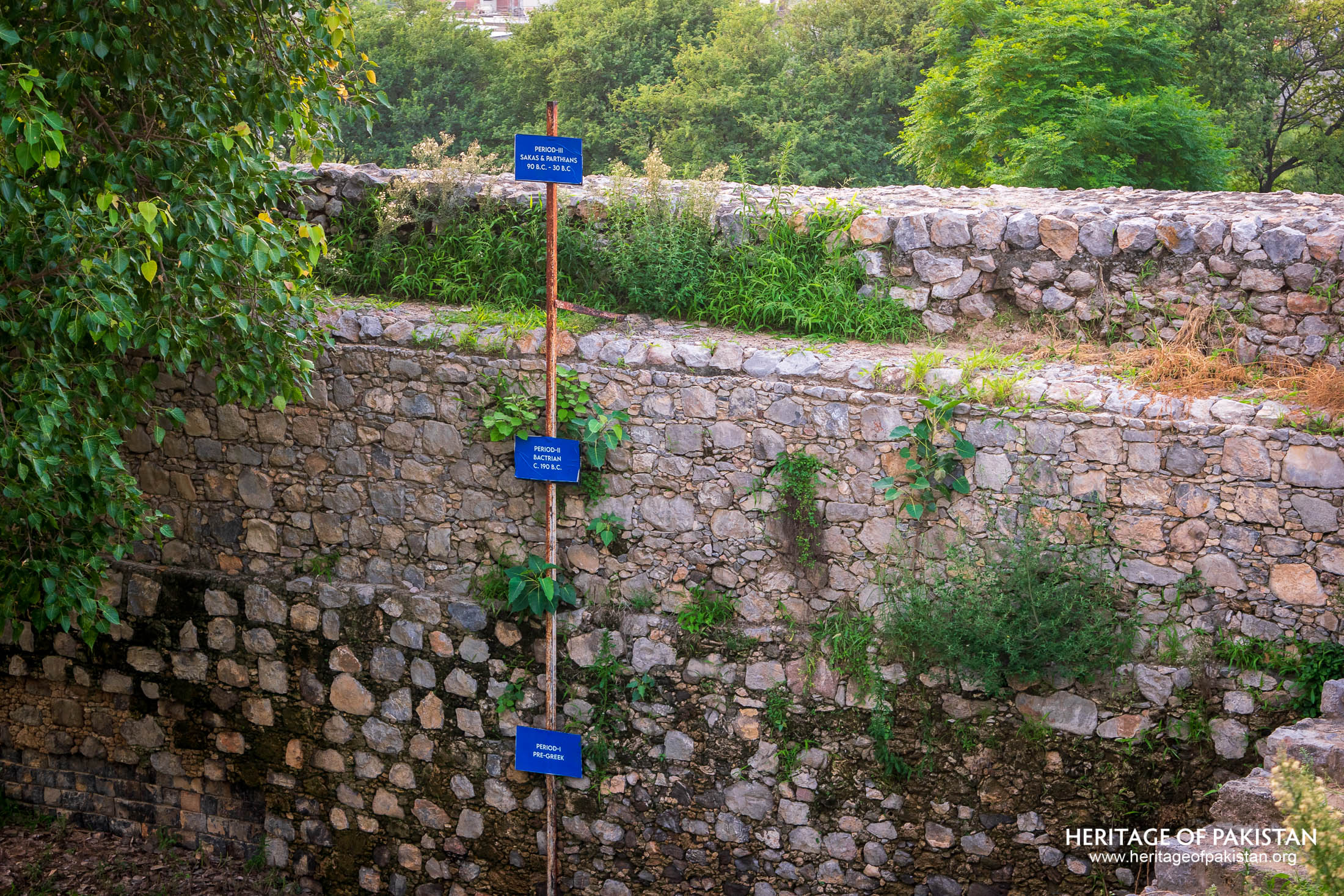
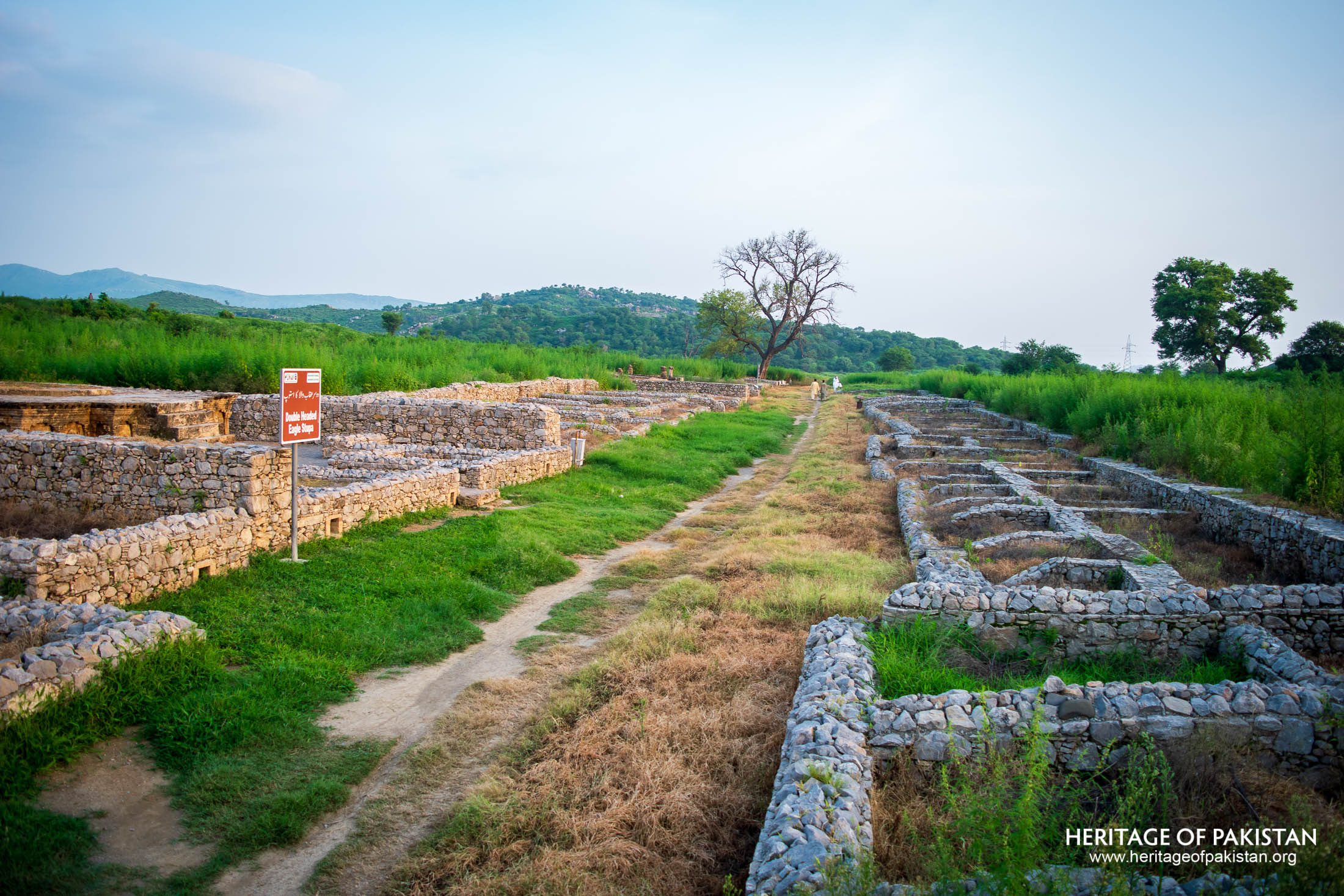
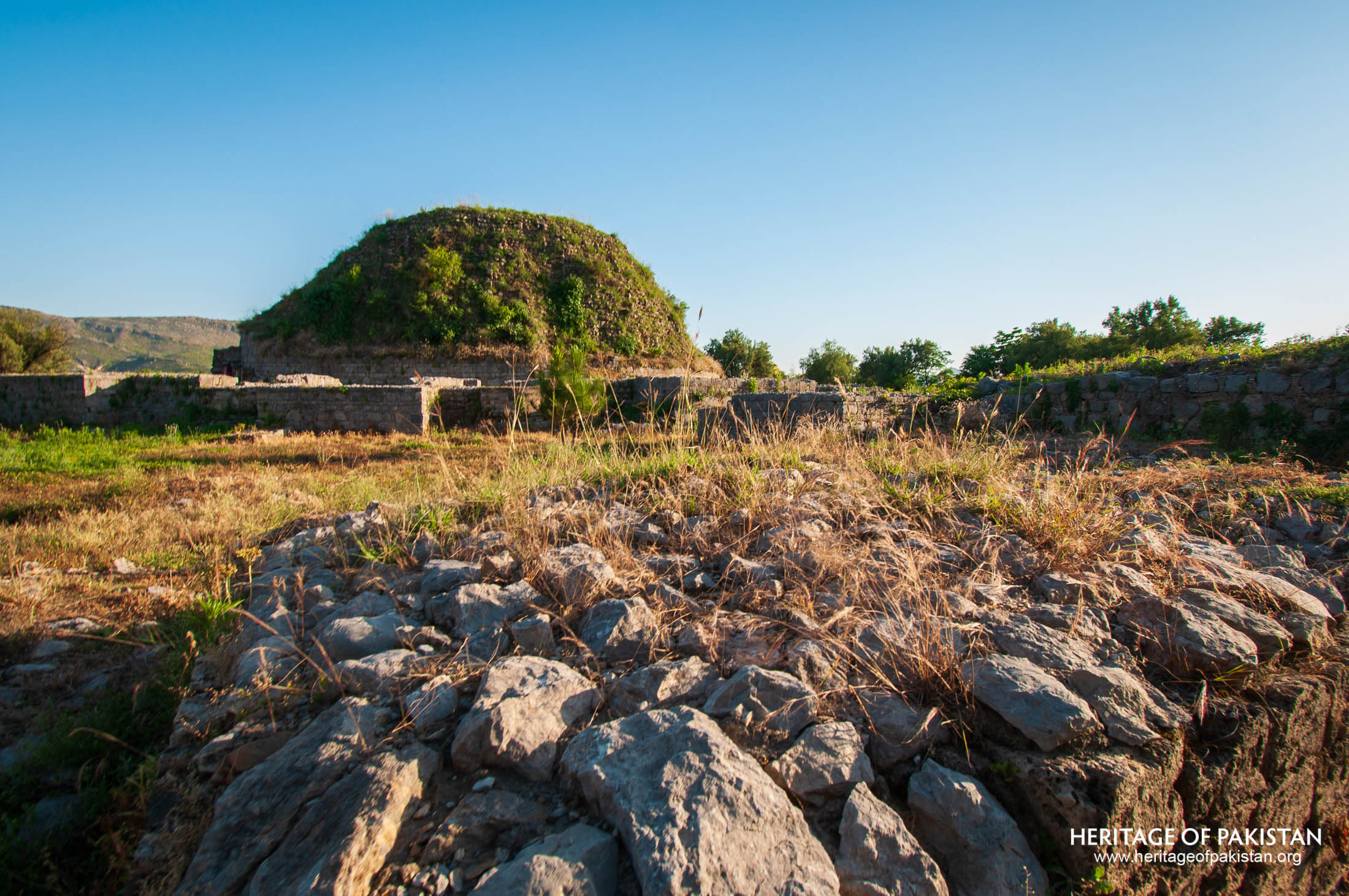
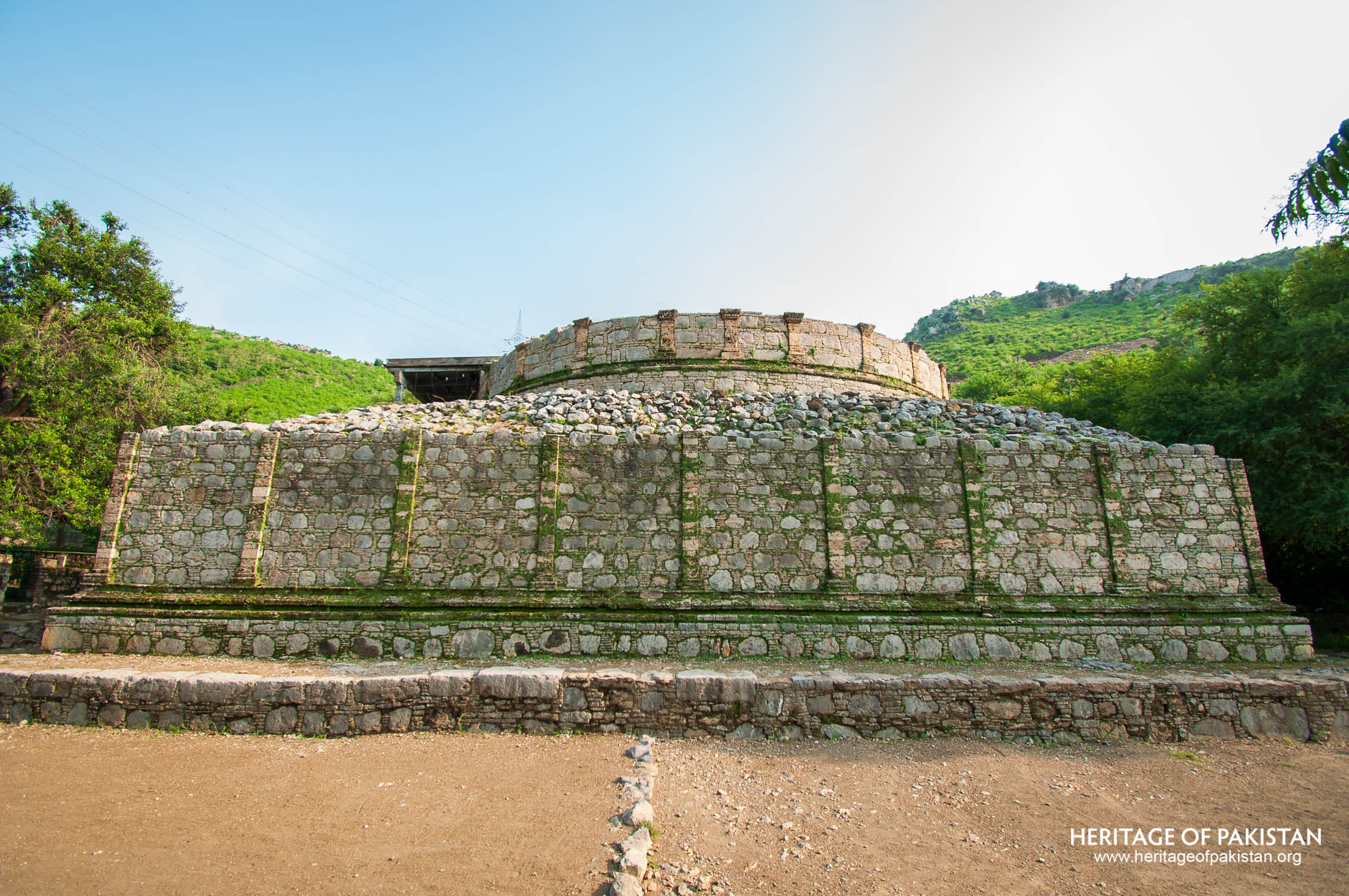
Various excavations in the Taxila valley have uncovered three distinct city sites as well as numerous stupas and monasteries
The name of the area was historically rendered as Takkasila in Sanskrit (Takshasila), likely meaning “The City of Cut Stone.
In 326 BC, Alexander the Great conquered the region, incorporating Gandhara and Taxila into his empire after annexing the Kingdom of Ambhi.
Greek rule was subsequently replaced by the Mauryan Empire under Chandragupta, who overthrew the Greeks in 321 BC
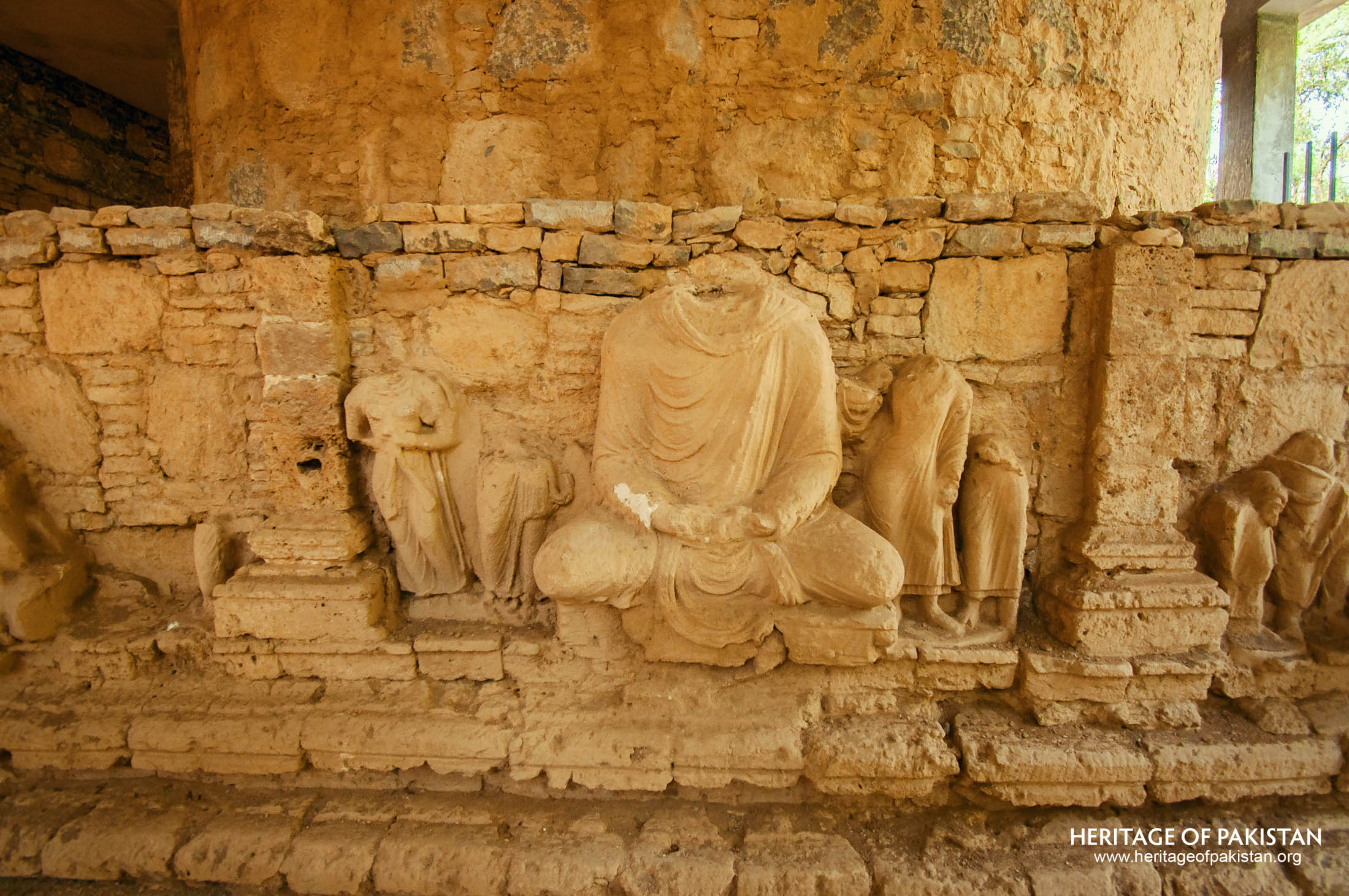
Ashoka's , grandson of Chandragupta, actively spread Buddhism in the Taxila region
Following Ashoka’s death, Taxila was invaded by the Bactrian Greeks in 190 BC.
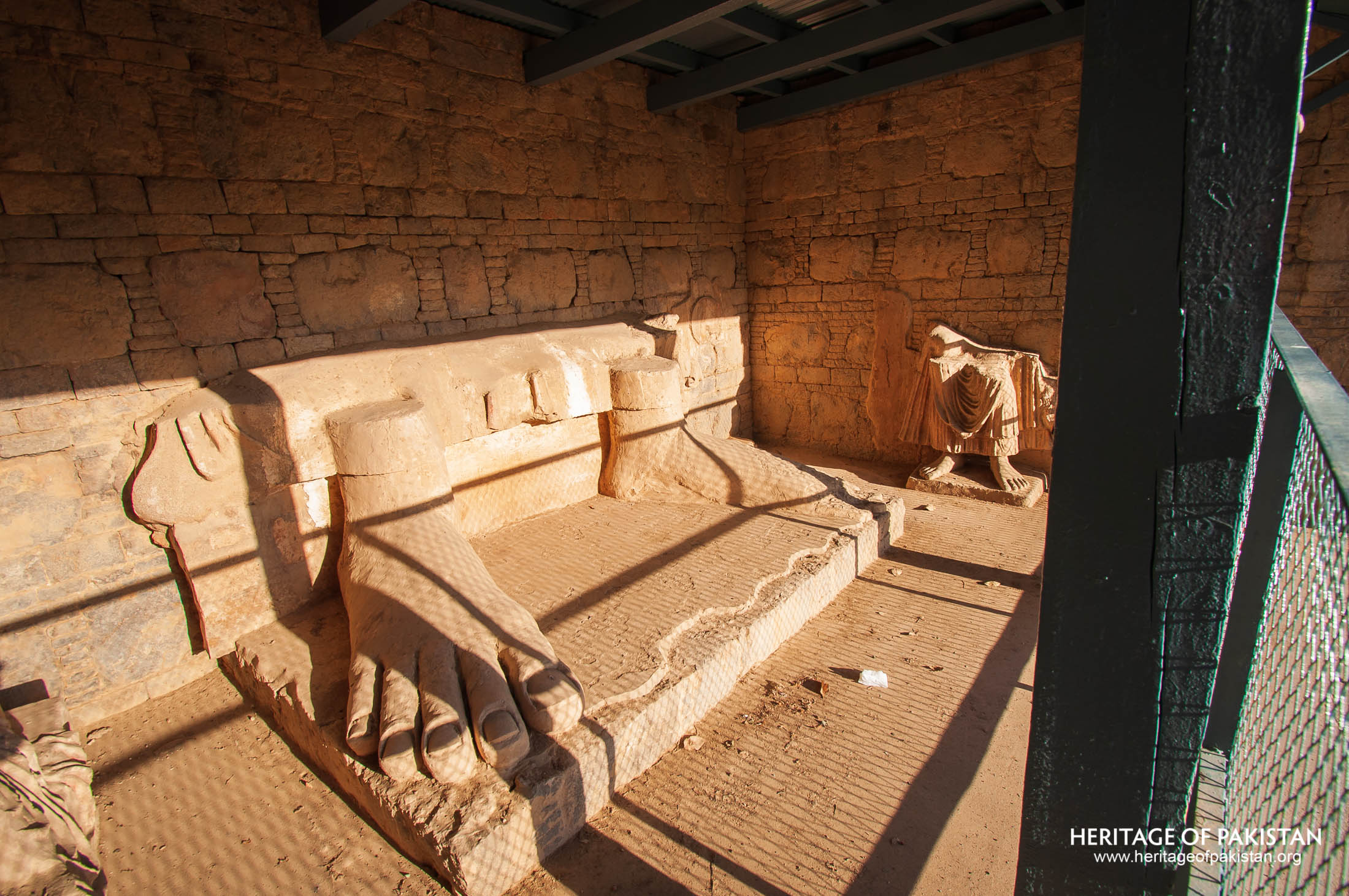
The Kushans conquered Taxila in 64 AD. One of their most notable rulers, Kanishka, converted to Buddhism much like Ashoka and continued the effort to promote the religion
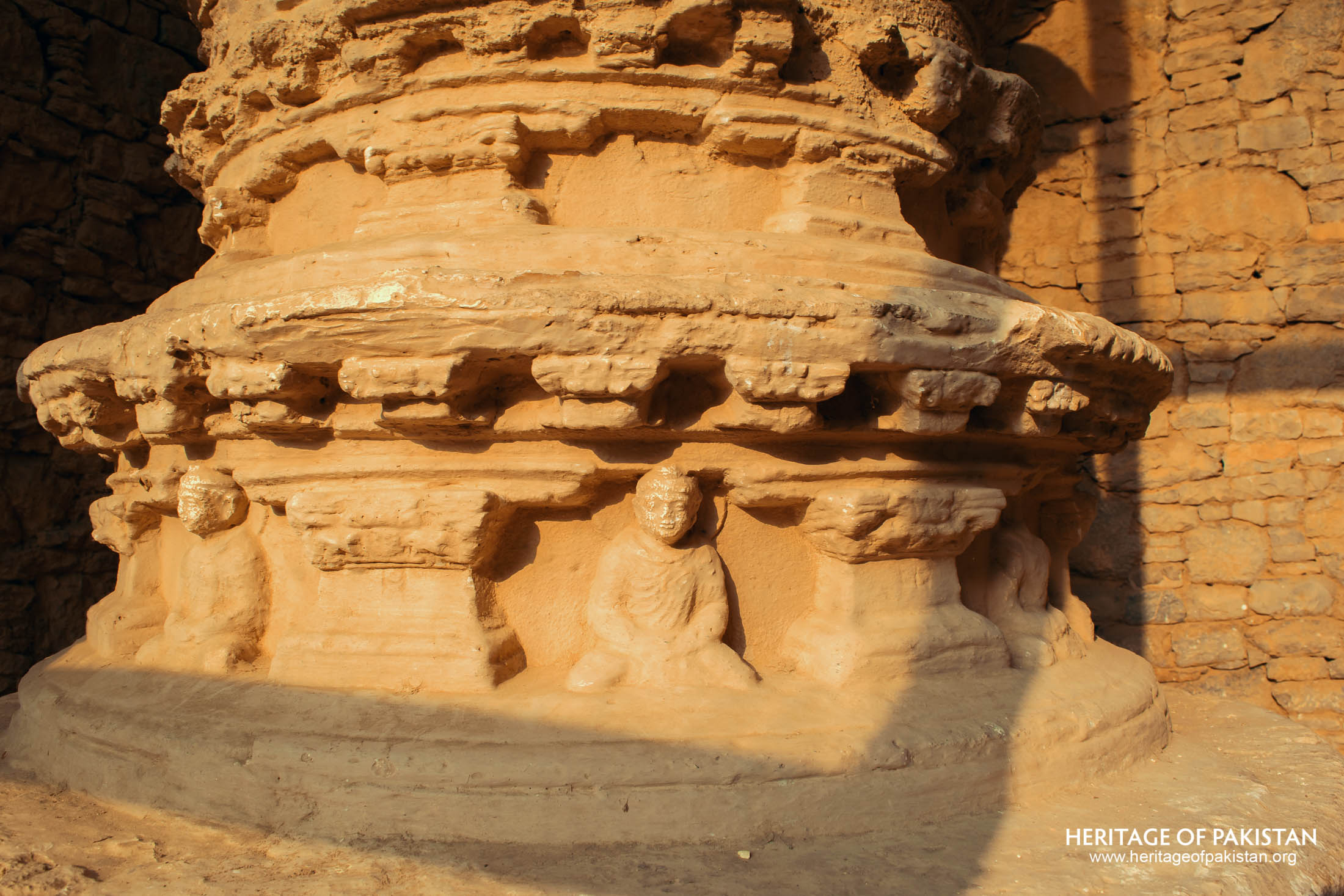
The importance of this site has been acknowledged globally, and it has been inscribed on the UNESCO World Heritage List
