
Textarea
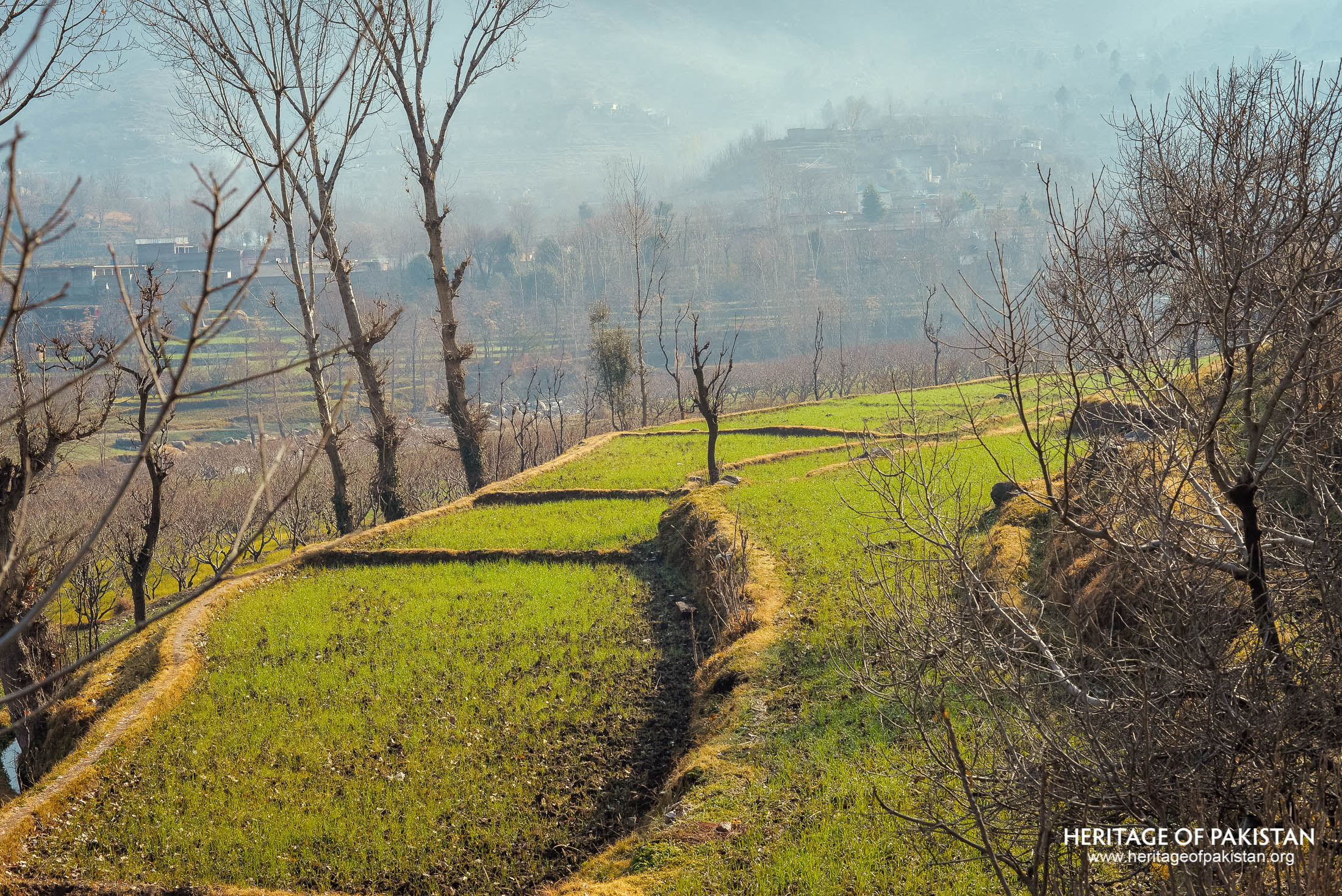
Swat Valley is a scenic and historically rich region located in Khyber Pakhtunkhwa, Pakistan, situated at an altitude of 3,046 feet and approximately 230 kilometers from Islamabad.
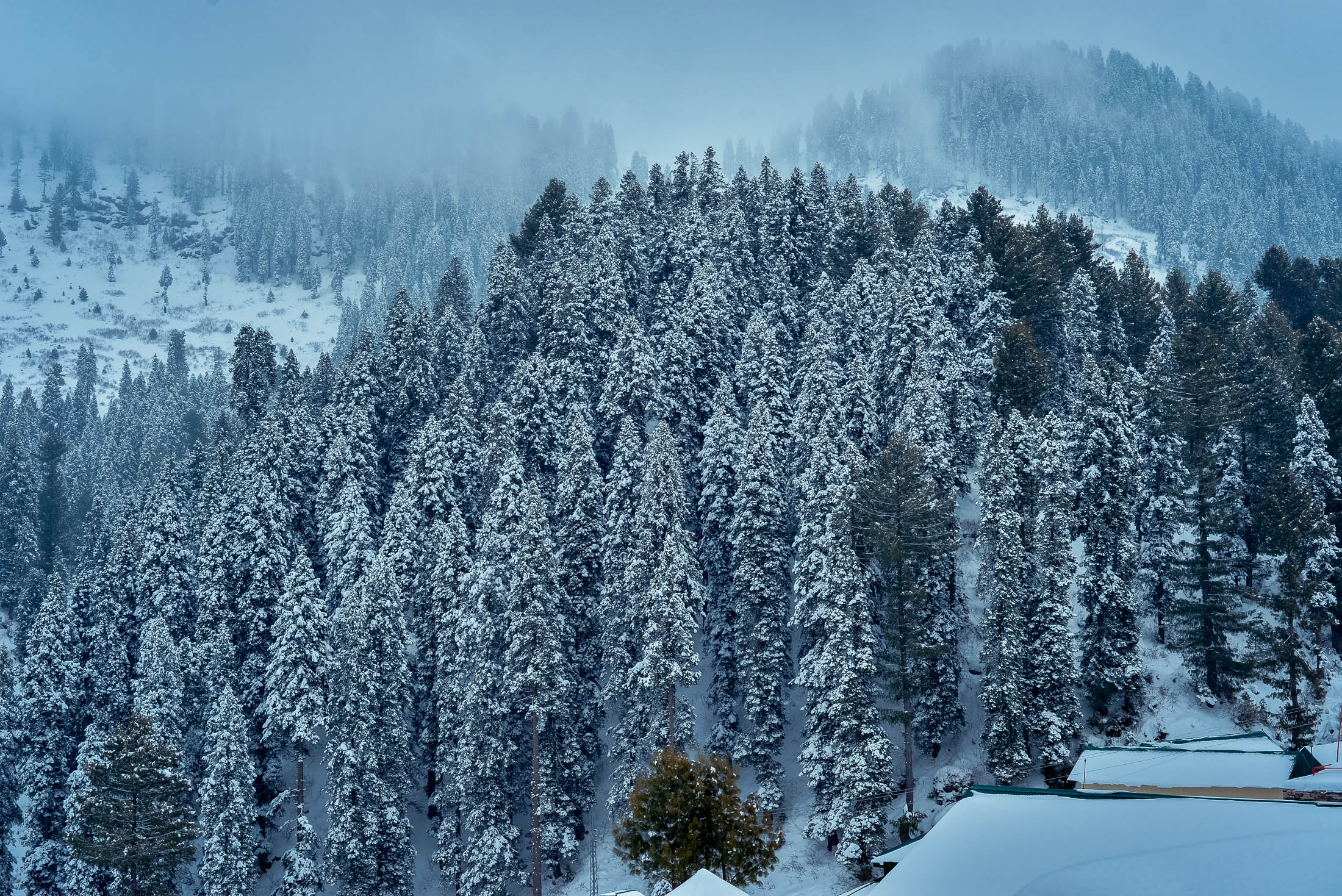
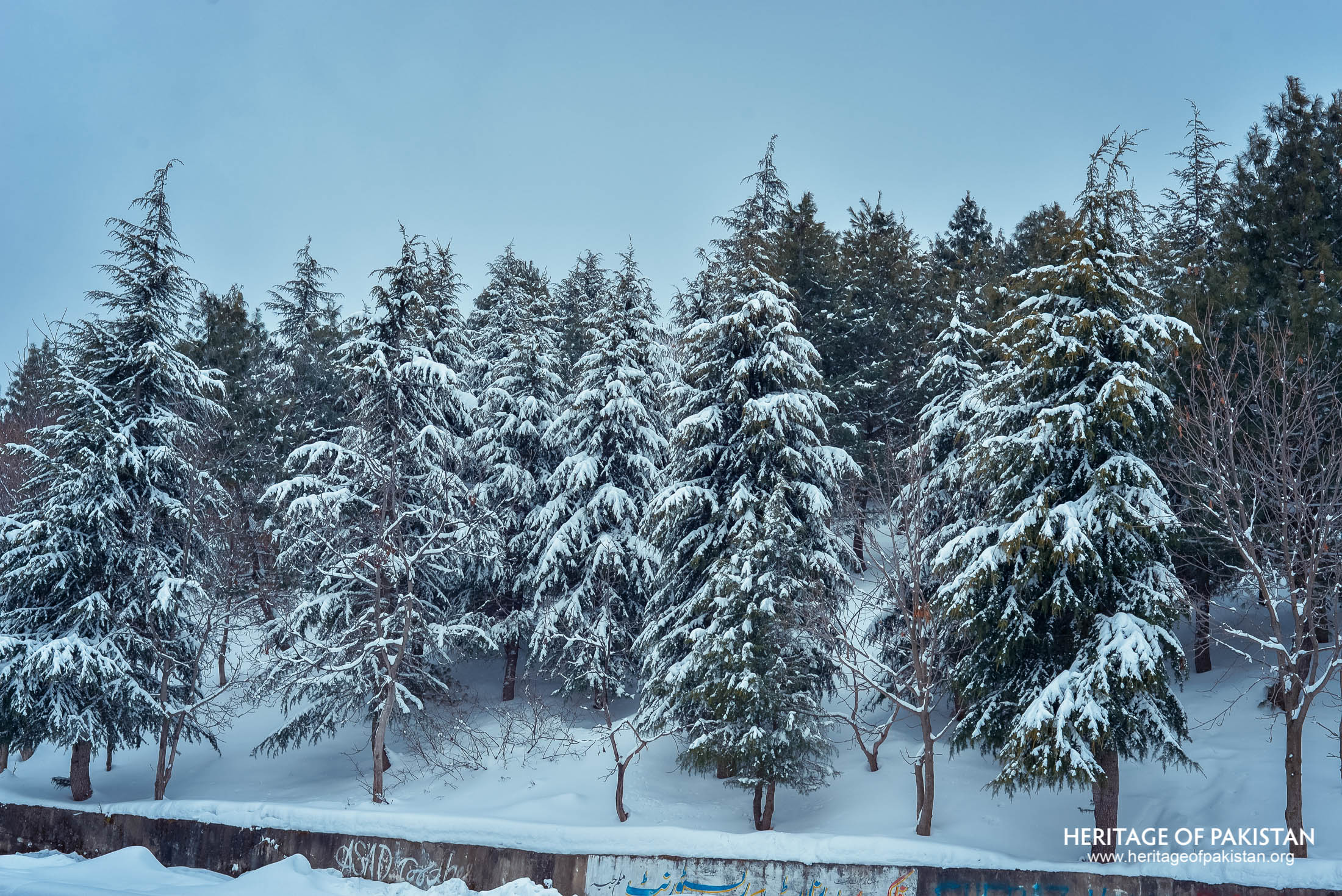
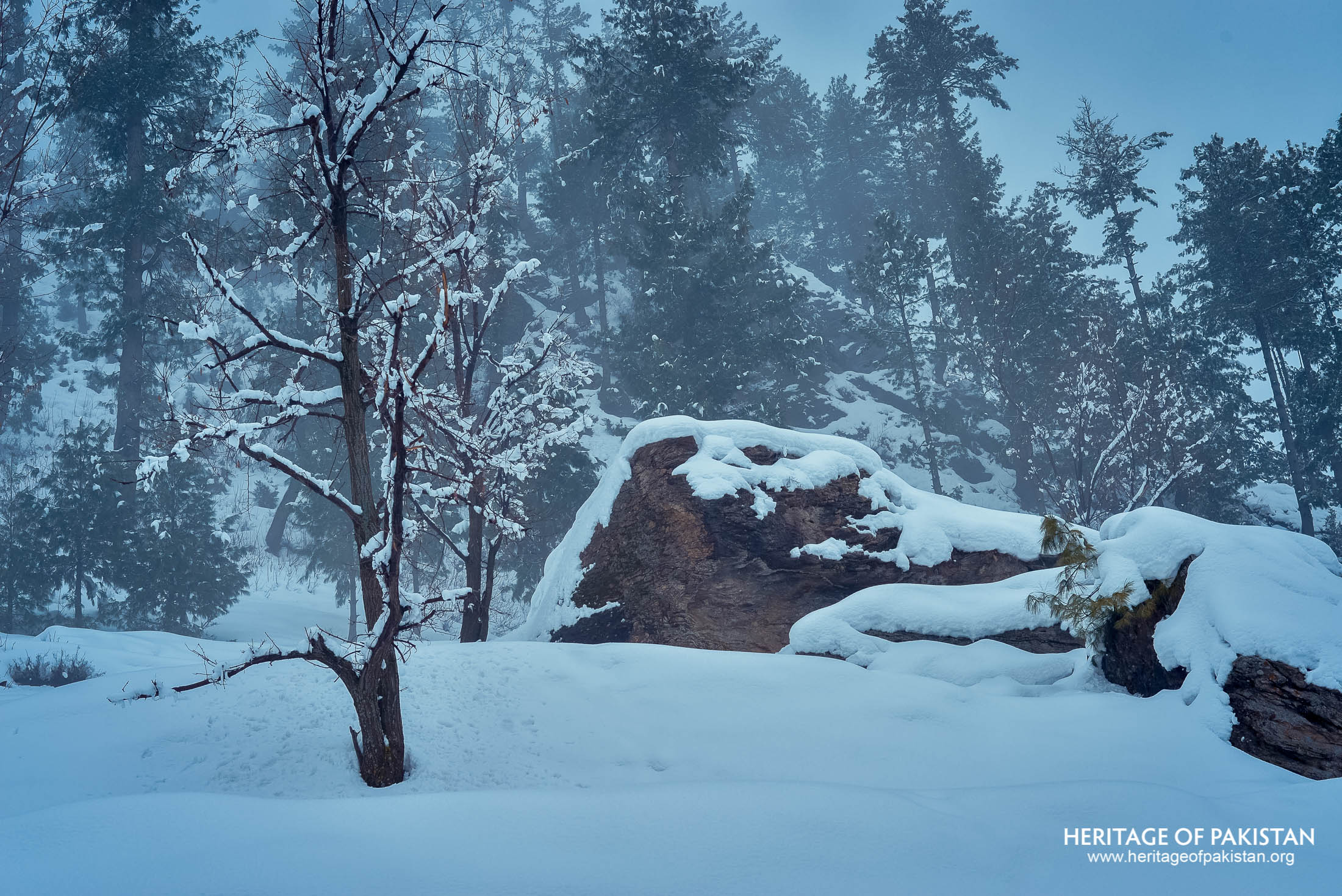
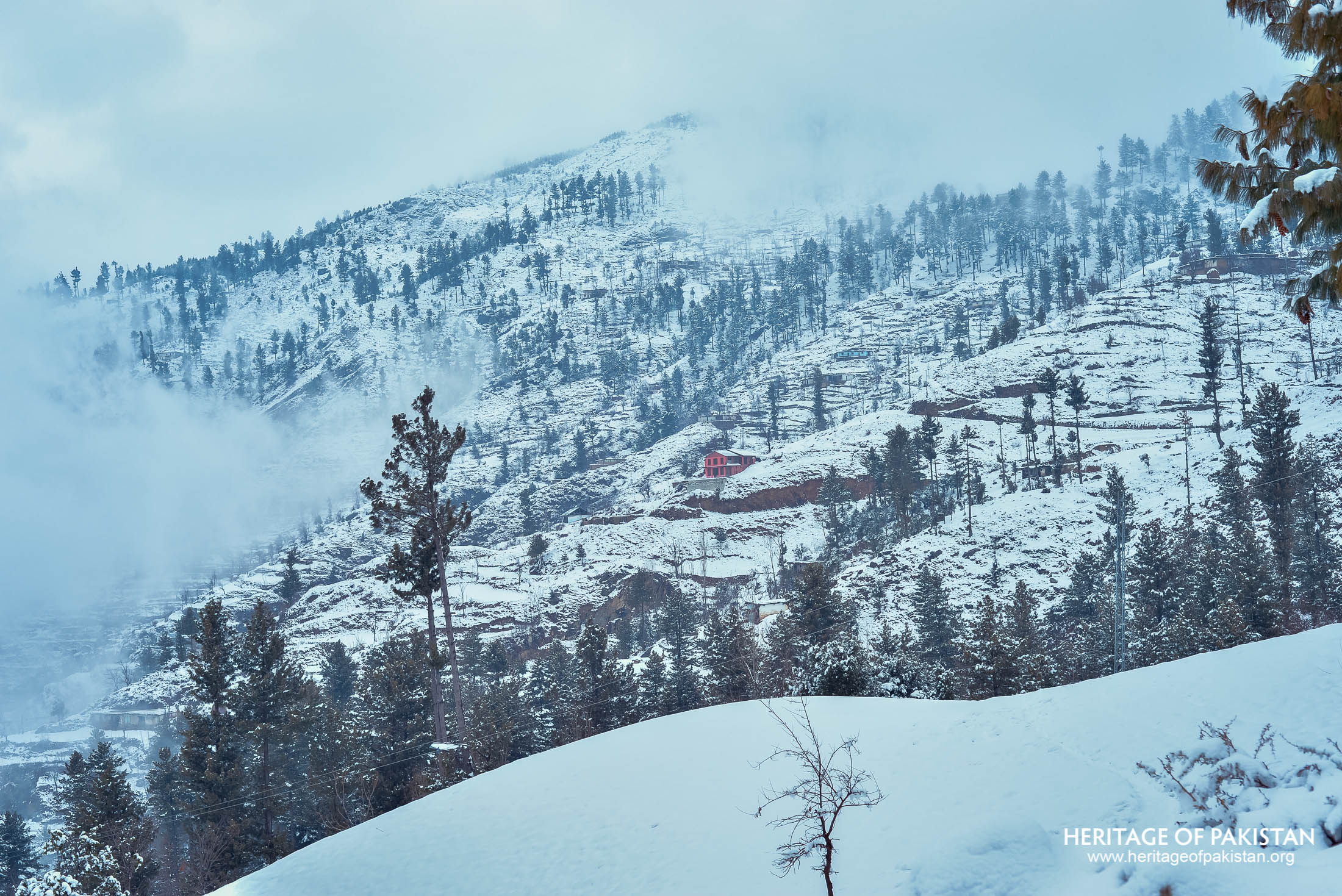
Renowned for its natural beauty, the valley is home to famous tourist destinations such as Malam Jabba and Kalam and is often referred to as the “Switzerland of Pakistan.”
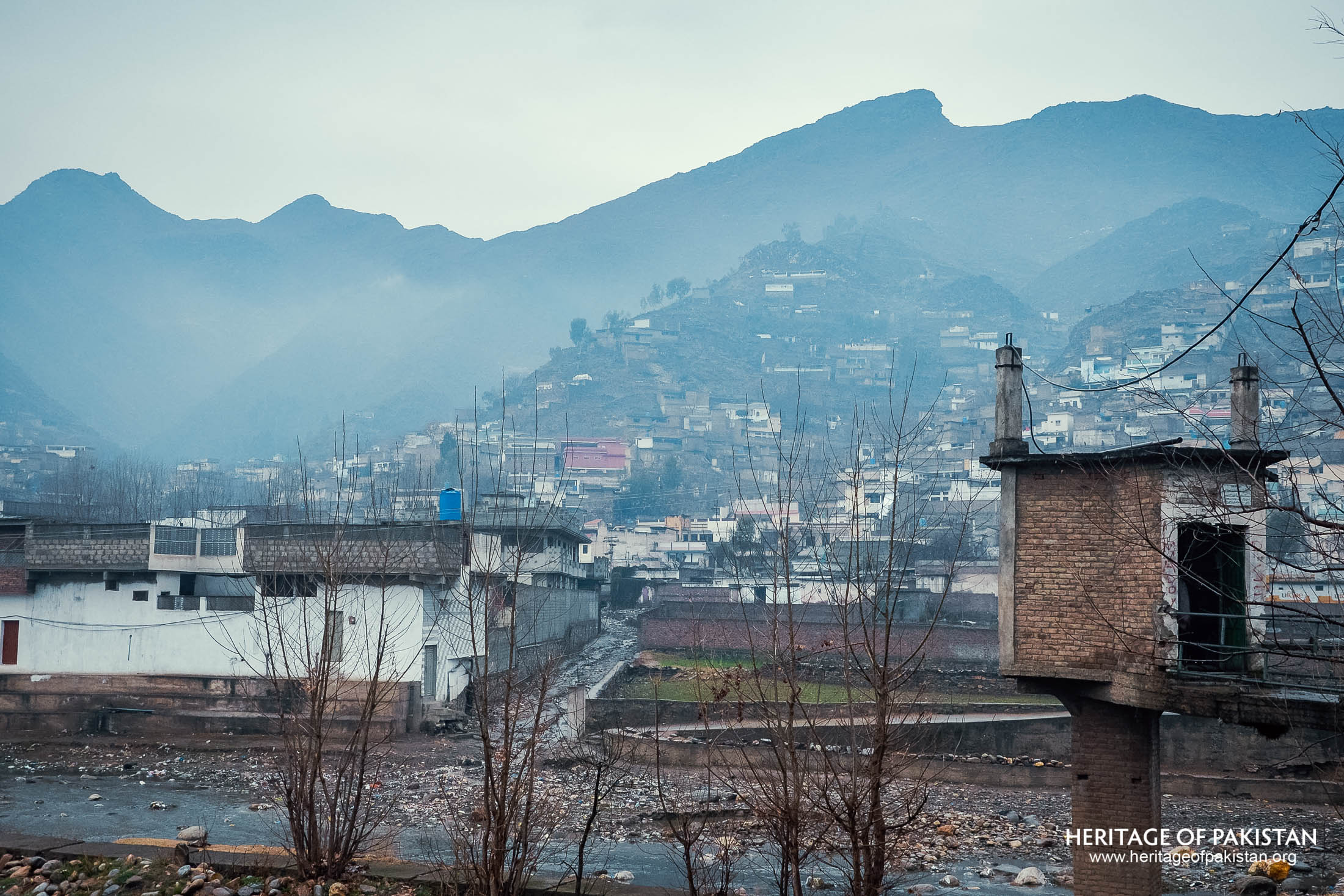
The valley derives its name from the Swat River, which originates in the Kalam region and flows southward, forming the valley’s central lifeline.
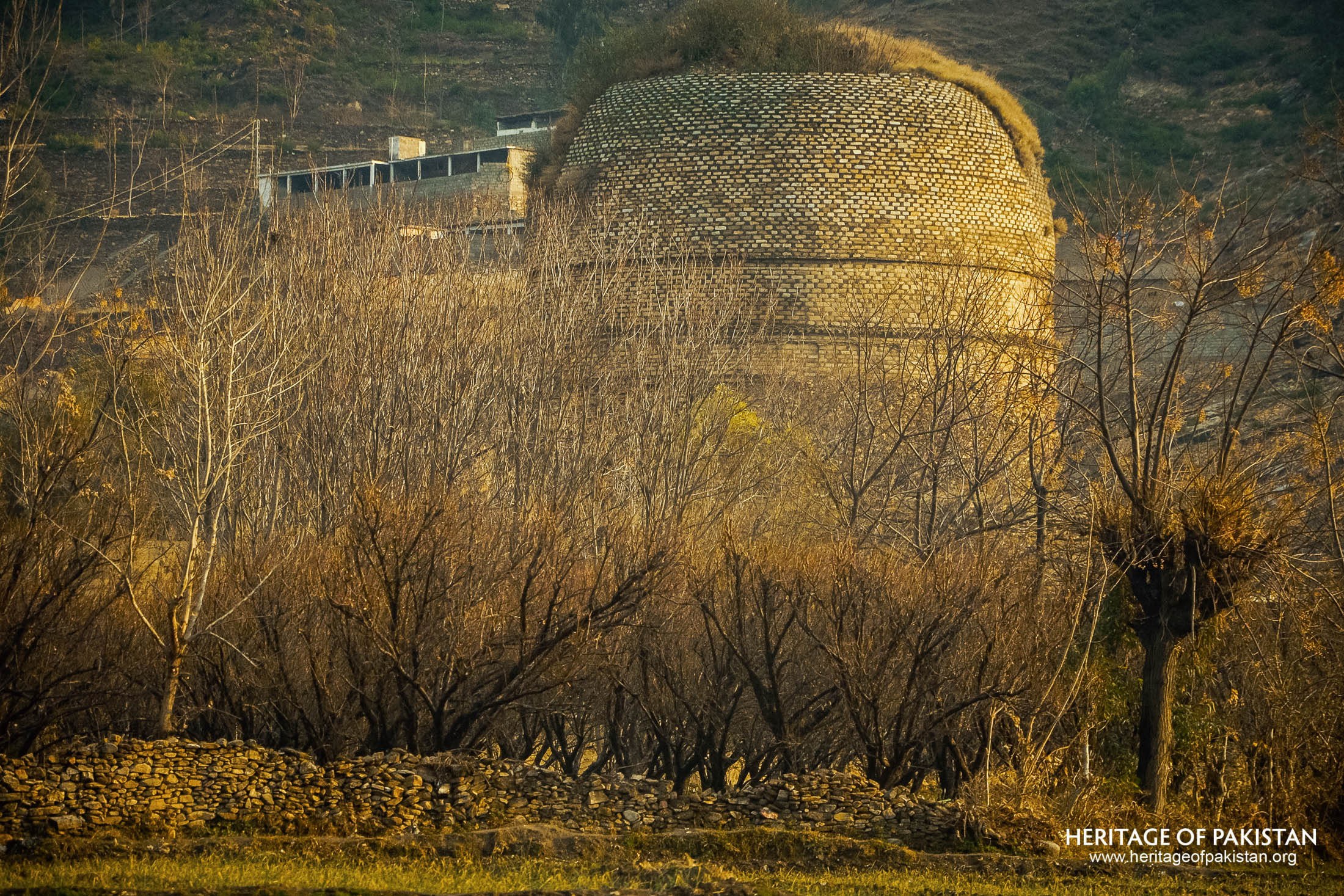
Swat played a prominent role in the history of South Asia, serving as a major center of Gandhara civilization and Buddhism, with sites such as Butkara Stupa, Amluk Dara, and the Jahanabad Buddha Relief.
The region, once known as Udhiyana, was successively ruled by the Achaemenids, Alexander the Great, the Mauryan Empire under Ashoka, and the Kushans, who supported the flourishing of Buddhist culture.
Later periods saw Swat under the Hindu Shahi dynasty until the arrival of Islam through Mahmud of Ghazni’s campaigns in the 11th century.
In the 16th century, the Yusufzai Pashtun tribe settled in the region, and despite Mughal attempts to subdue it, Swat retained independence through the Durrani and Sikh eras.
The modern State of Swat was formally founded in 1917 by Miangul Abdul Wadood, known as Badshah Sahib, who unified the region and established a centralized administration.
His son, Miangul Jahanzeb, later acceded to Pakistan in 1947 while retaining Swat’s autonomy until its full integration into Pakistan in 1969.
Swat today stands as a vibrant cultural and historical region, celebrated for its natural beauty, artistic heritage, and Buddhist archaeological treasures.
