
Textarea
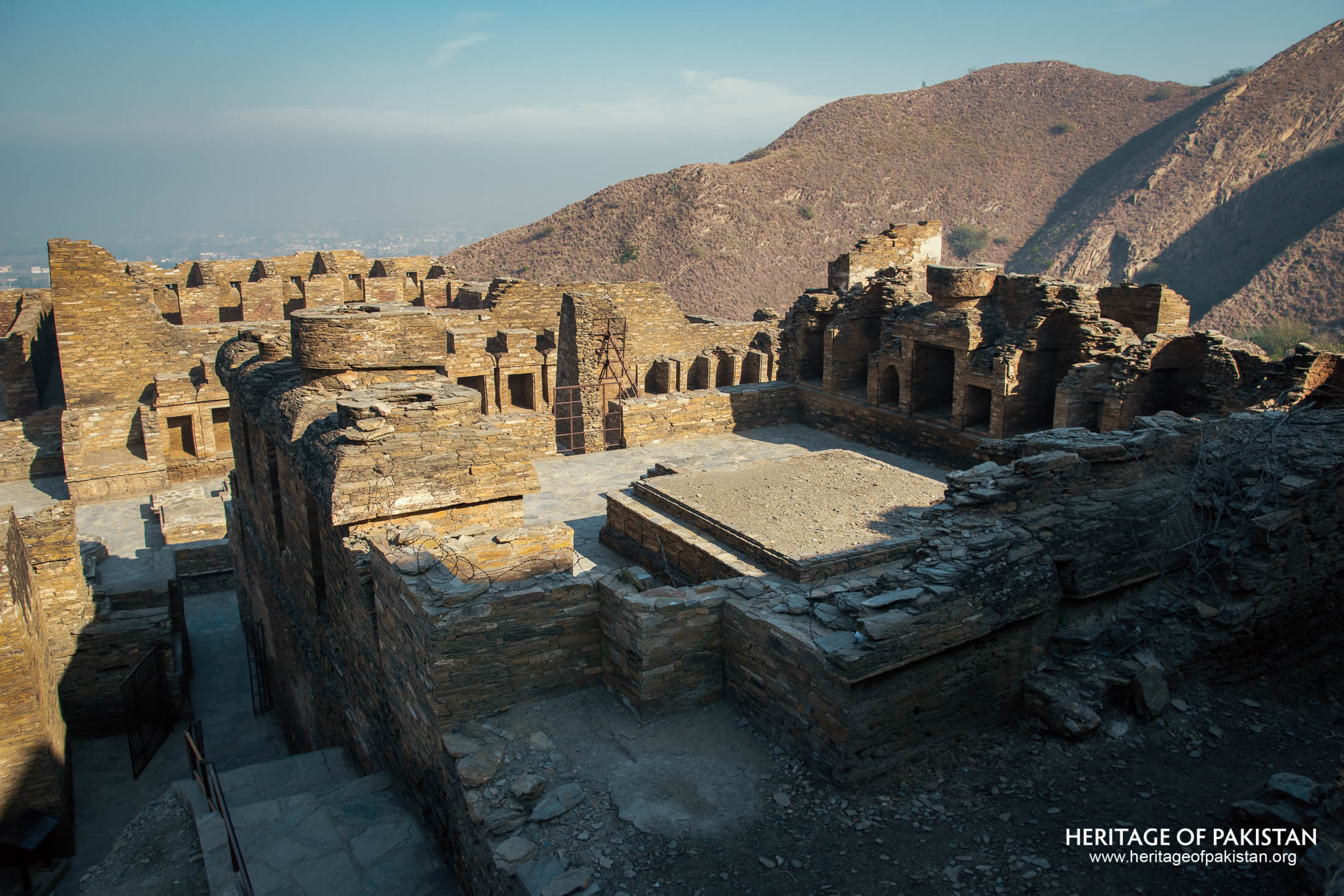
Takht Bahi is an ancient Buddhist monastery located in Tehsil Takht-e-Bahi, District Mardan, Khyber Pakhtunkhwa, and is considered one of the most significant Buddhist heritage sites in Pakistan.
Positioned atop various hilltops ranging from 36.6 to 152.4 meters in height, the site spans over 33 hectares and offers a well-preserved example of Gandharan Buddhist architecture.
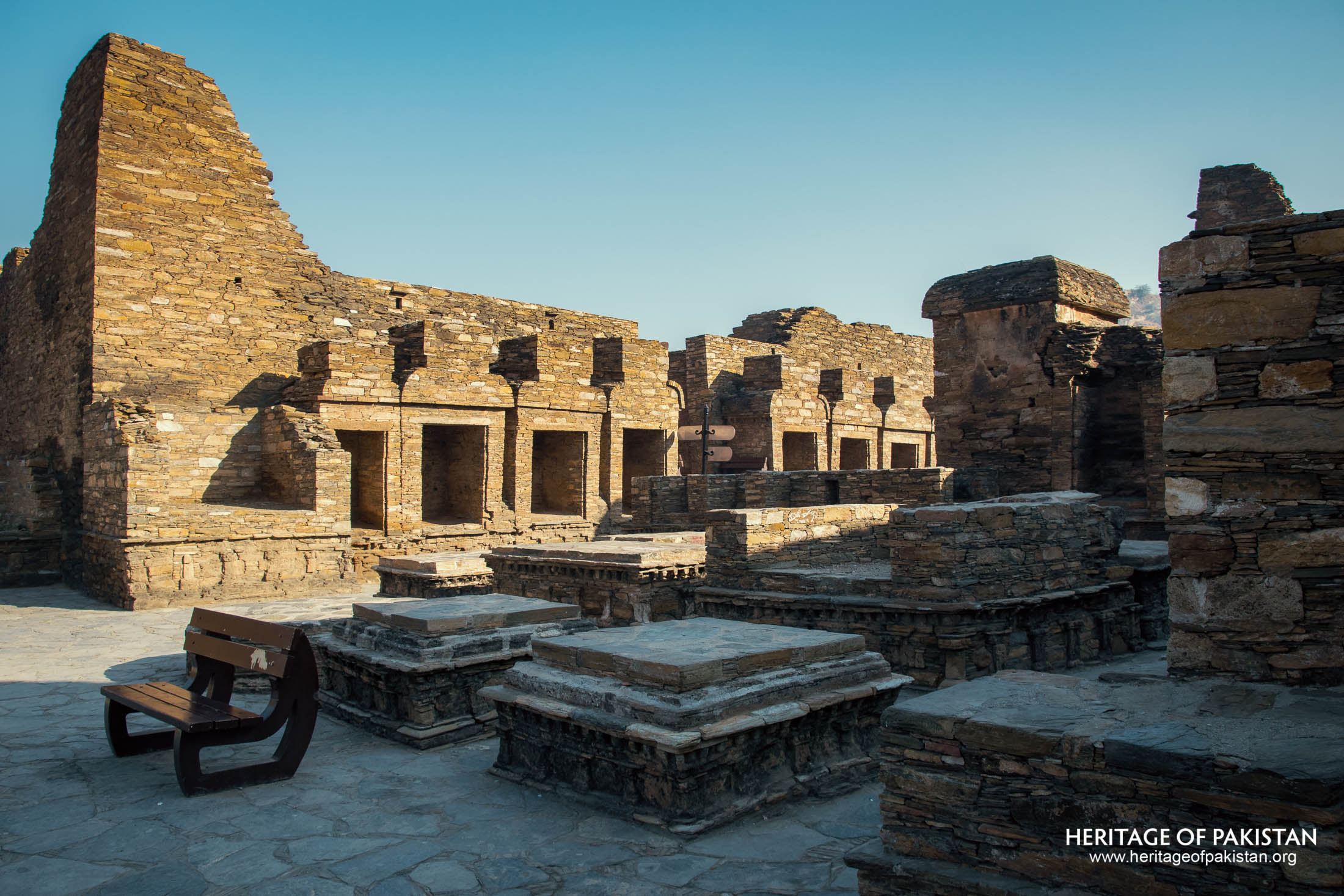
The complex is divided into two main groups of structures, including stupas, a monastery, conference halls, and secular buildings.
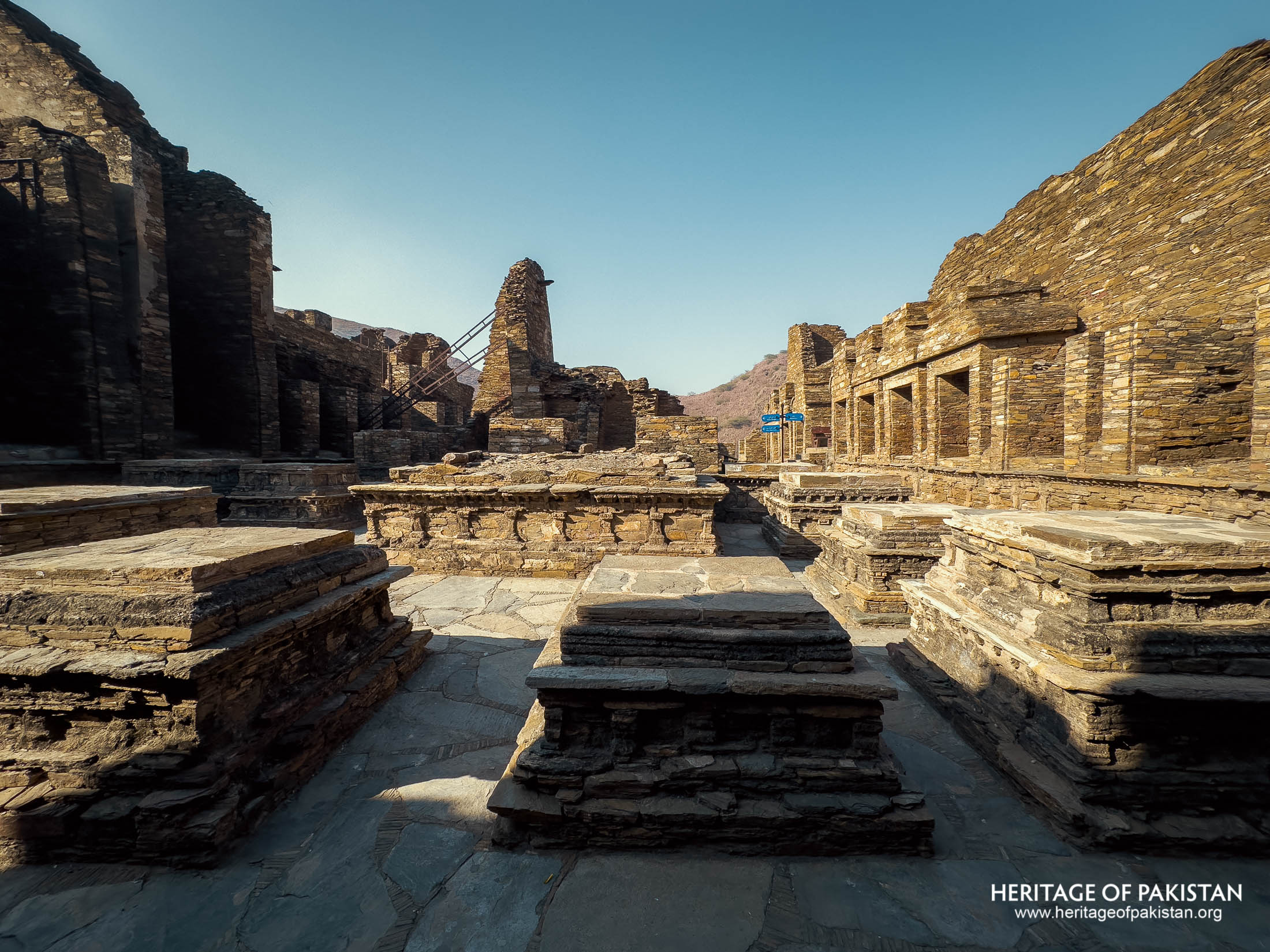
The Court of Many Stupas, which contains around thirty-five votive stupas, serves as the main entry point and displays Indo-Corinthian columns and cube niches with tapering domes.
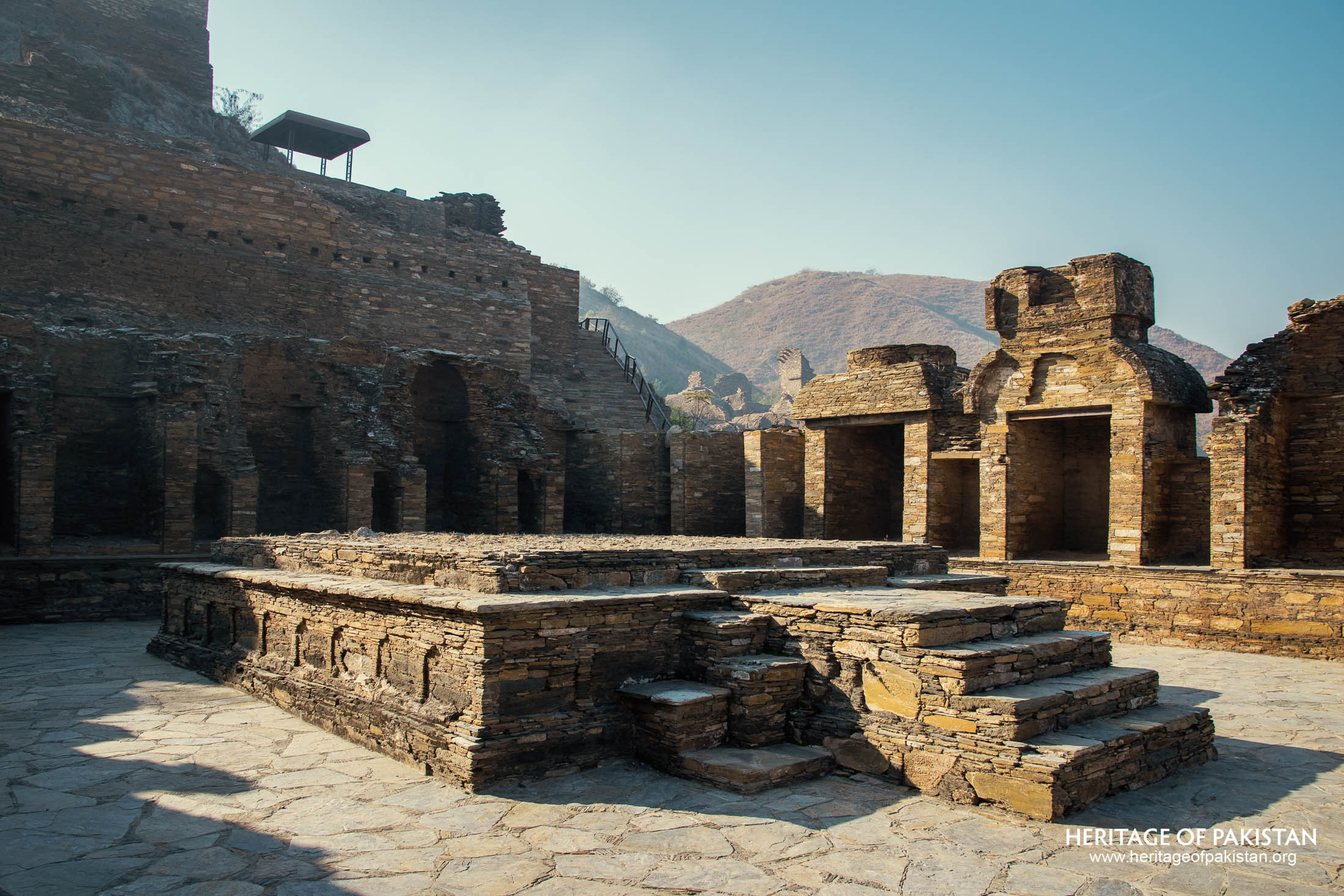
South of this court lies the Main Stupa Court, with a square-based stupa surrounded by chapels that feature corbelled domes, although the upper portion of the stupa is destroyed.
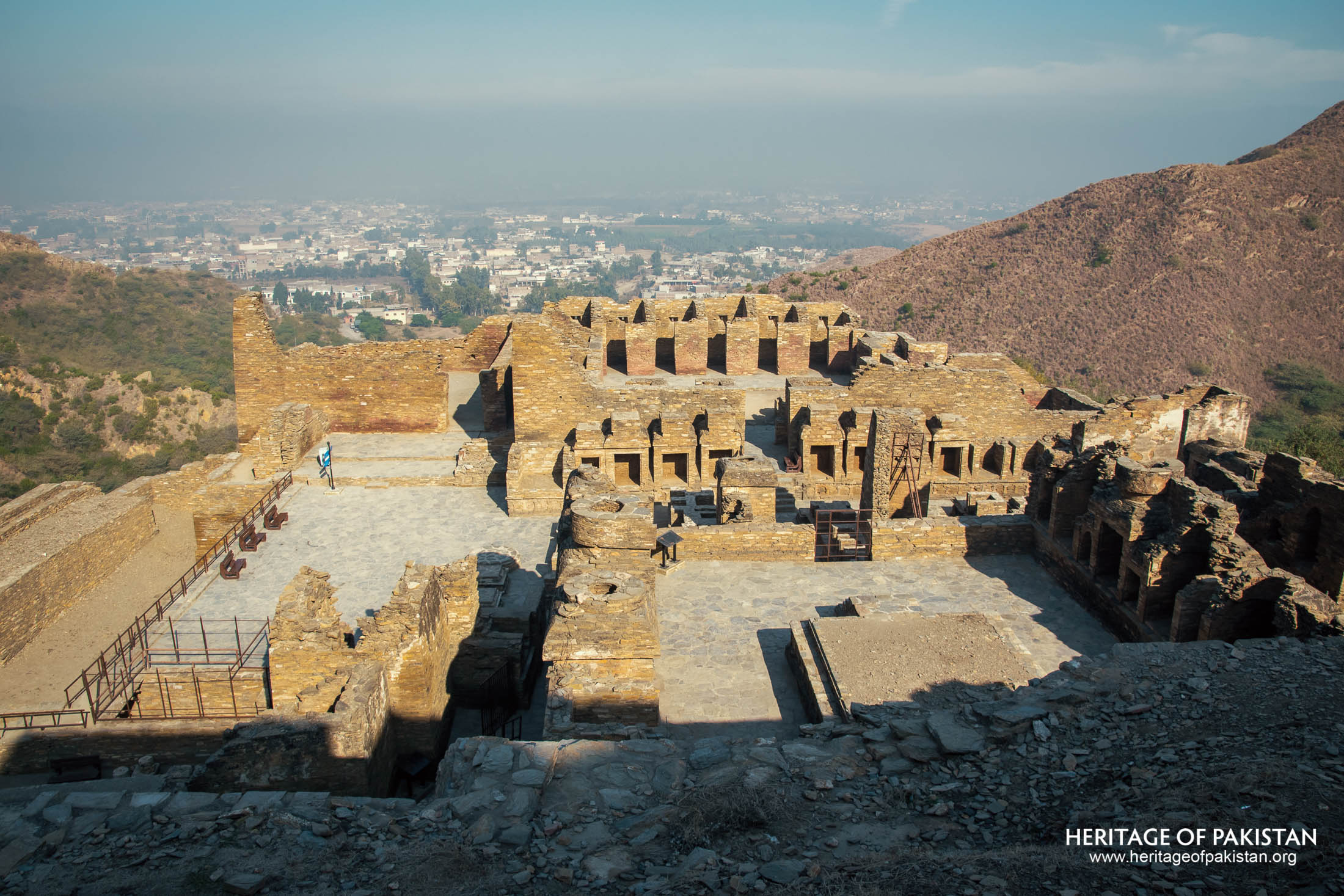
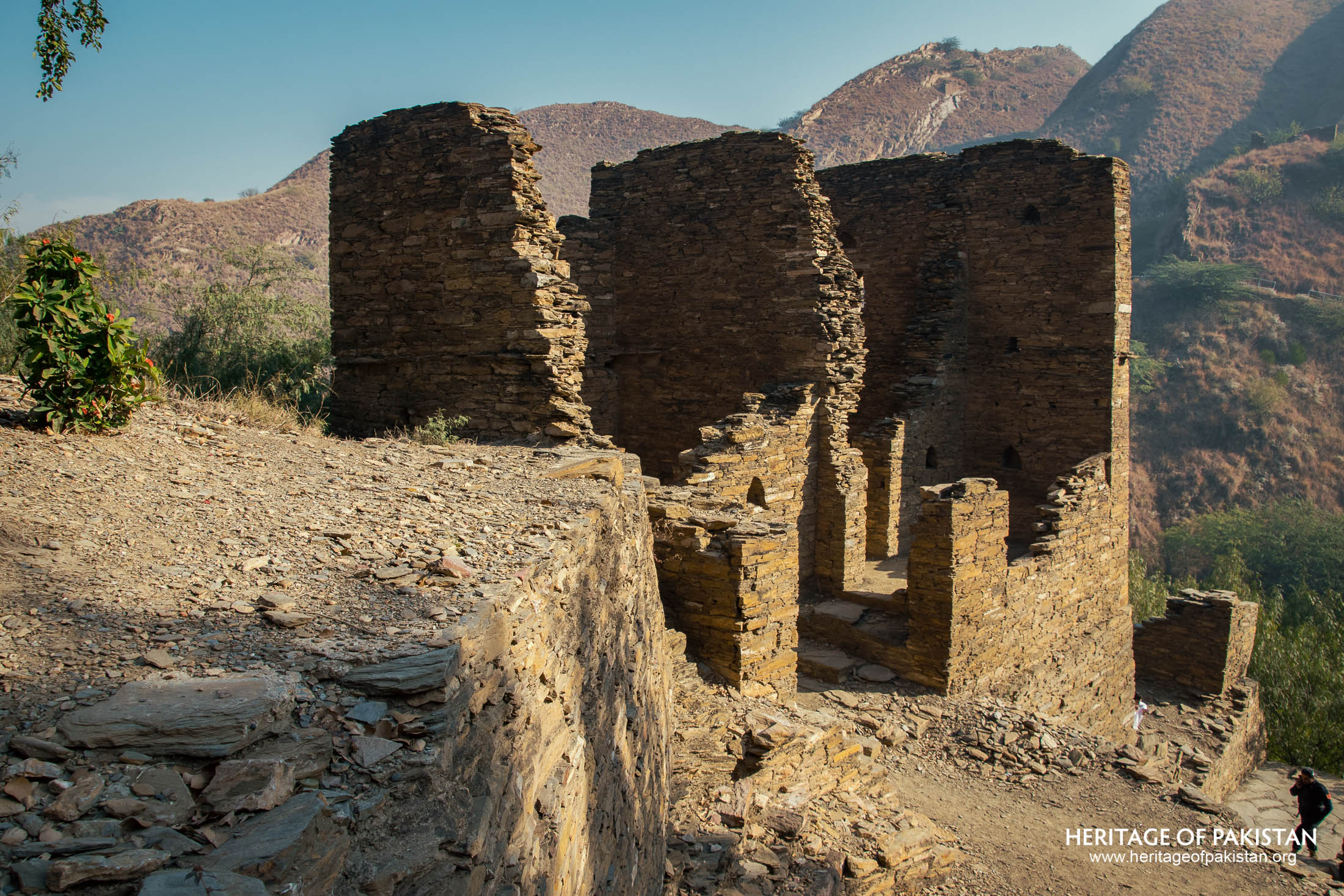
To the north is the Monastery, accessed by five steps, with a central courtyard surrounded by fifteen living cells, believed to have once housed up to thirty monks across two floors.
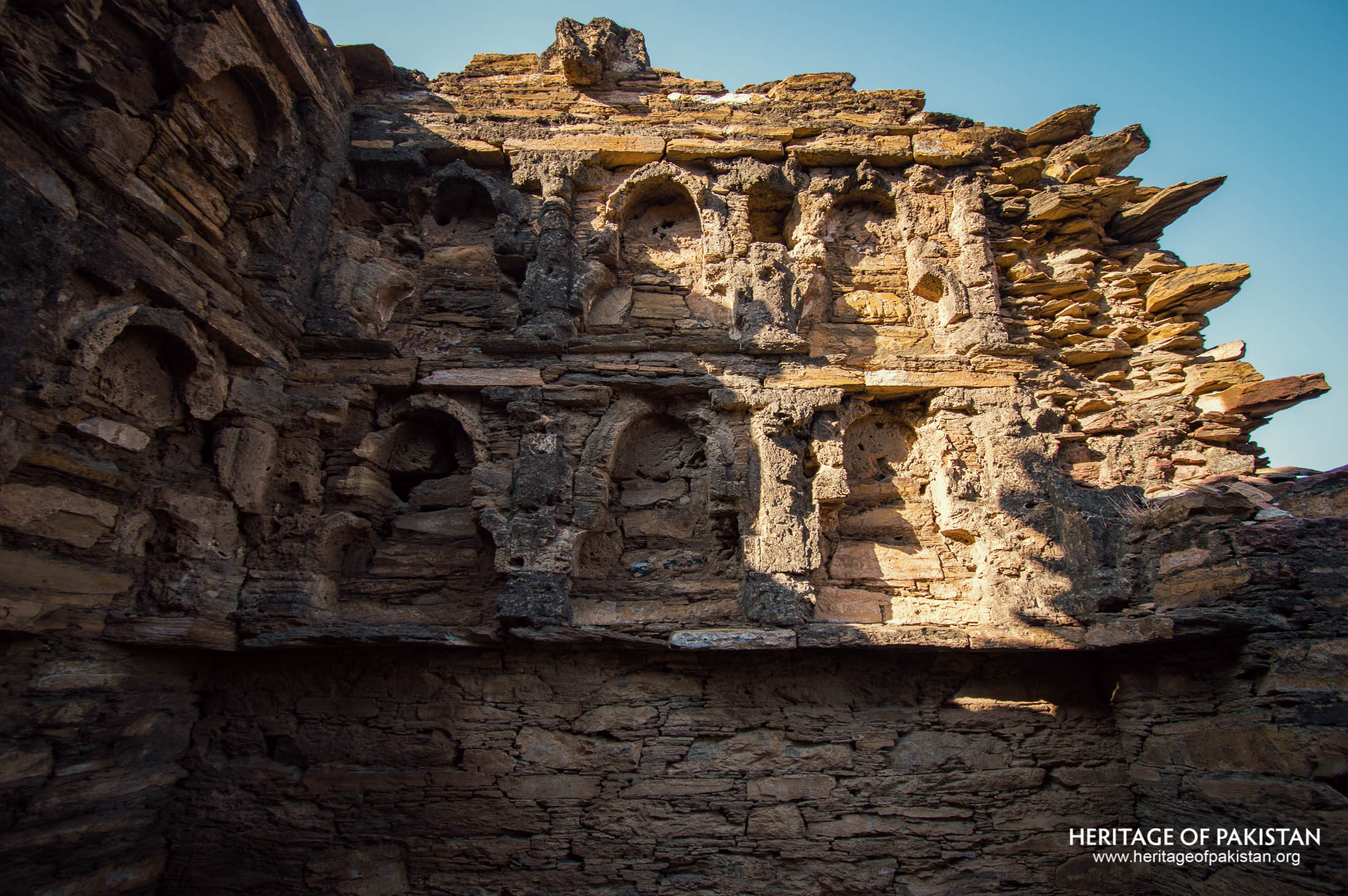
A bathroom, staircase, and assembly hall were also found in the monastery, indicating both residential and communal use.
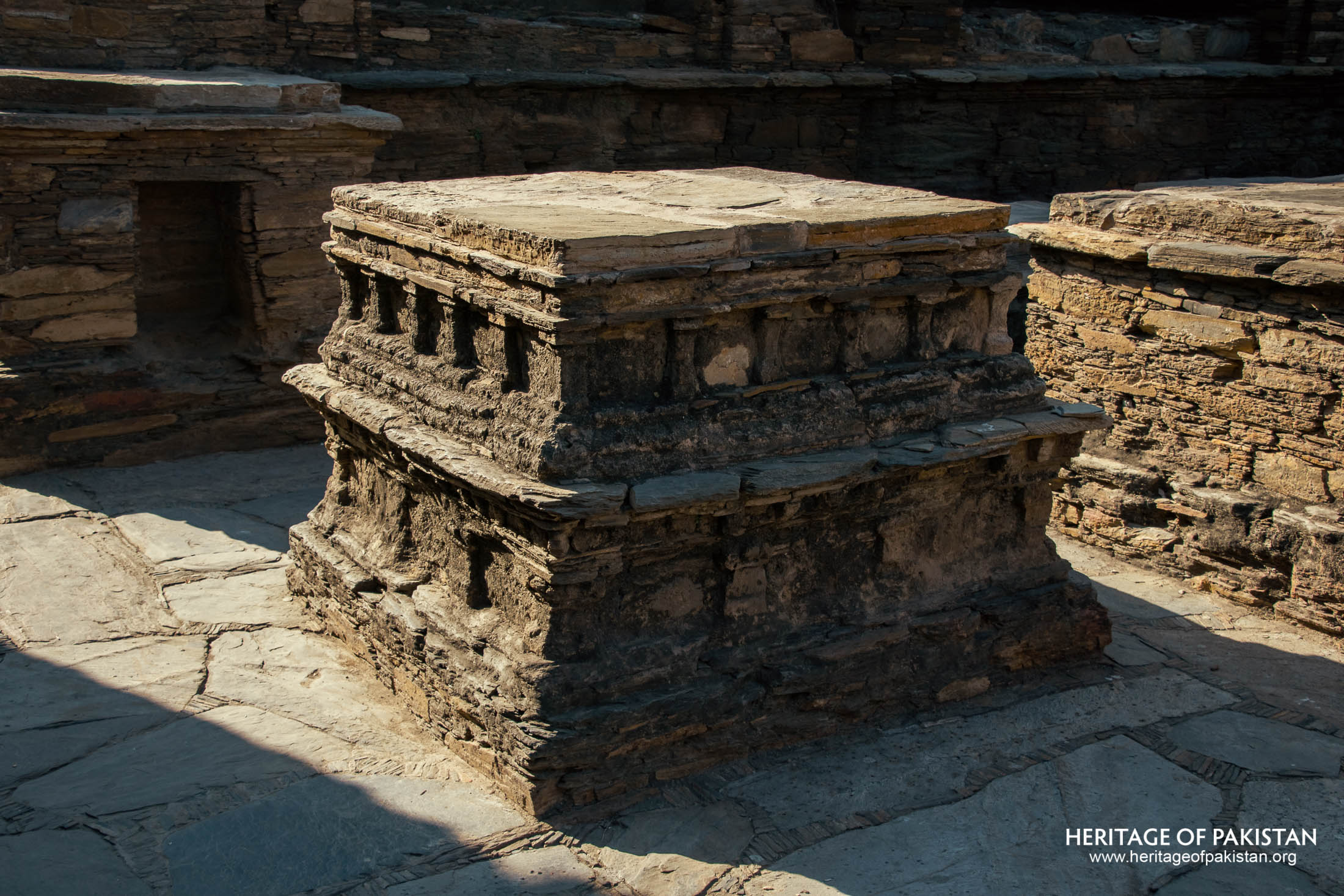
An underground section contains dark meditation cells with corbelled openings, likely used for deep contemplation or storage.
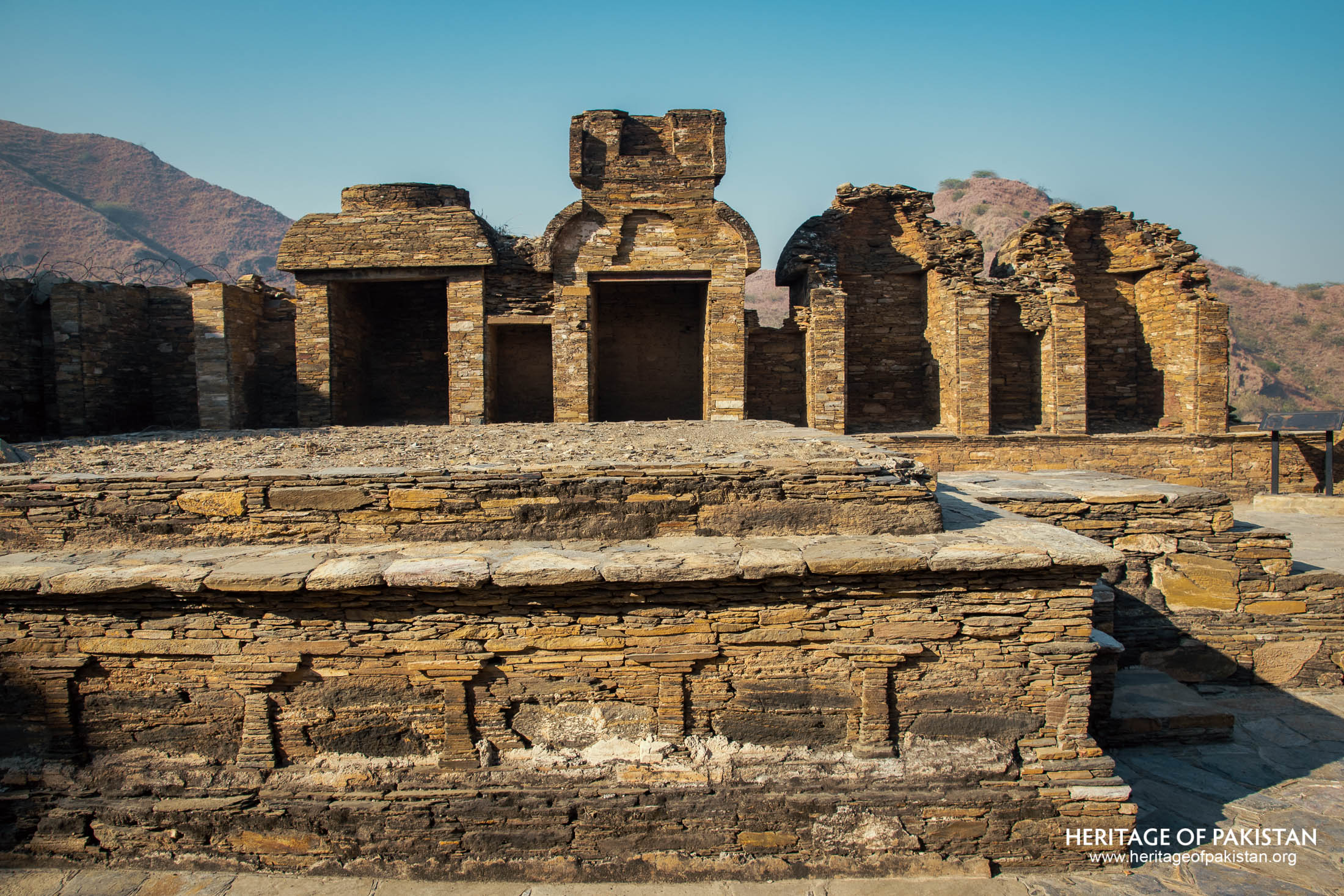
The site has yielded sculptures of Buddha heads and feet and features distinct Gandharan “diaper” masonry made from dressed and semi-dressed local stone.
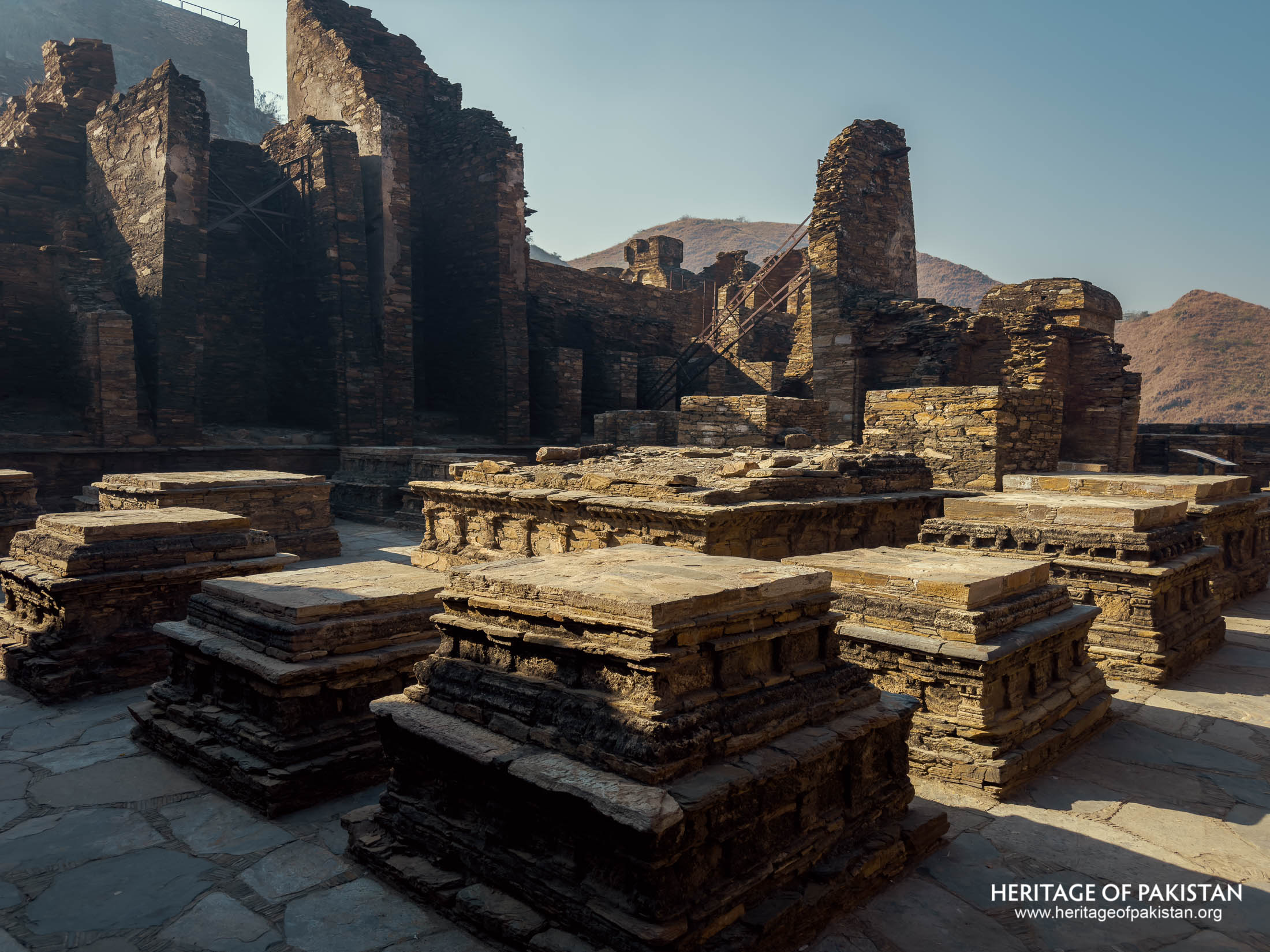
Takht Bahi, protected as a UNESCO World Heritage Site since 1980, continues to stand as a testament to the architectural, religious, and cultural legacy of ancient Gandhara.
