
Textarea
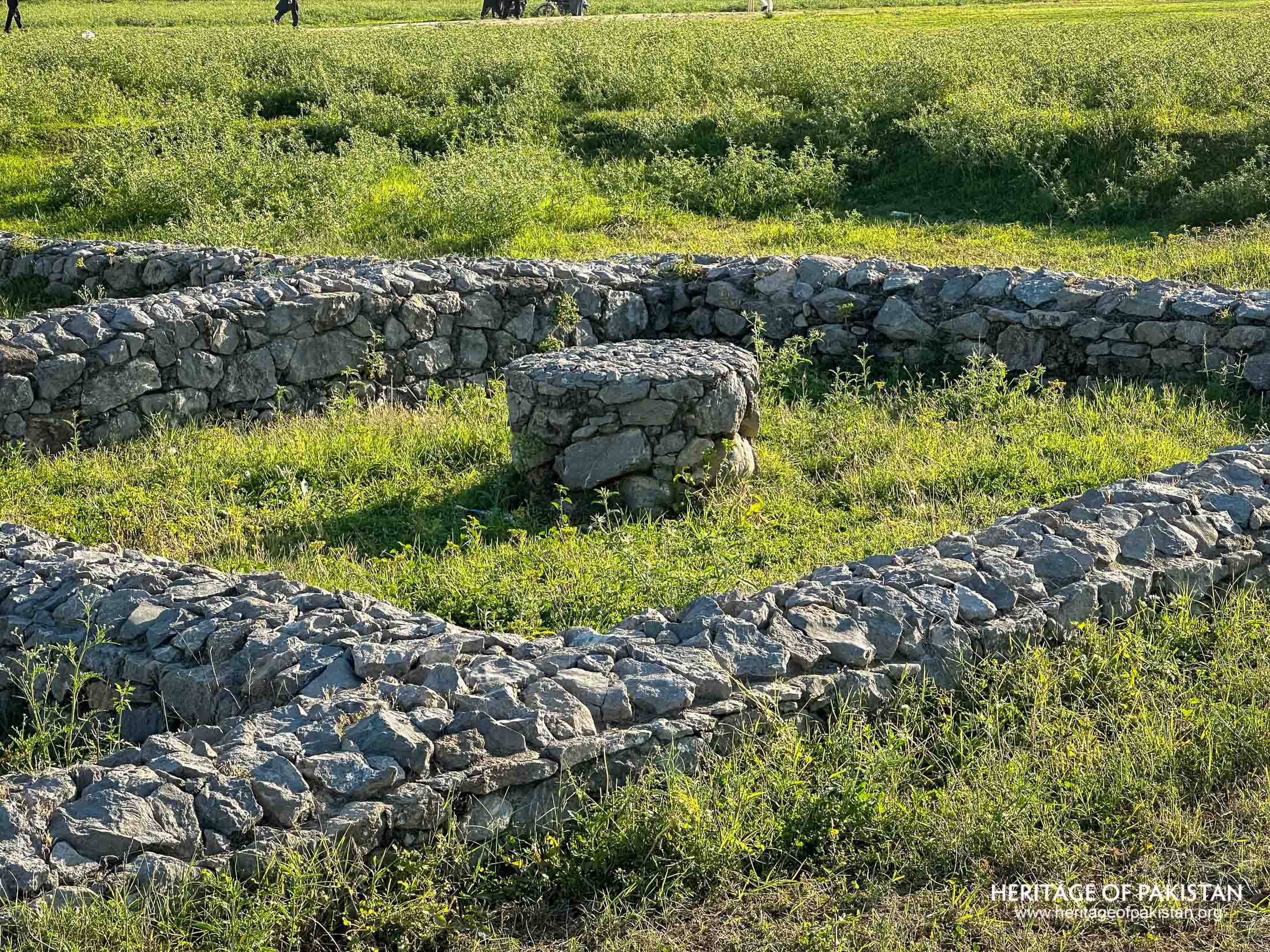
Bhir Mound represents the earliest known urban settlement in the Taxila Valley
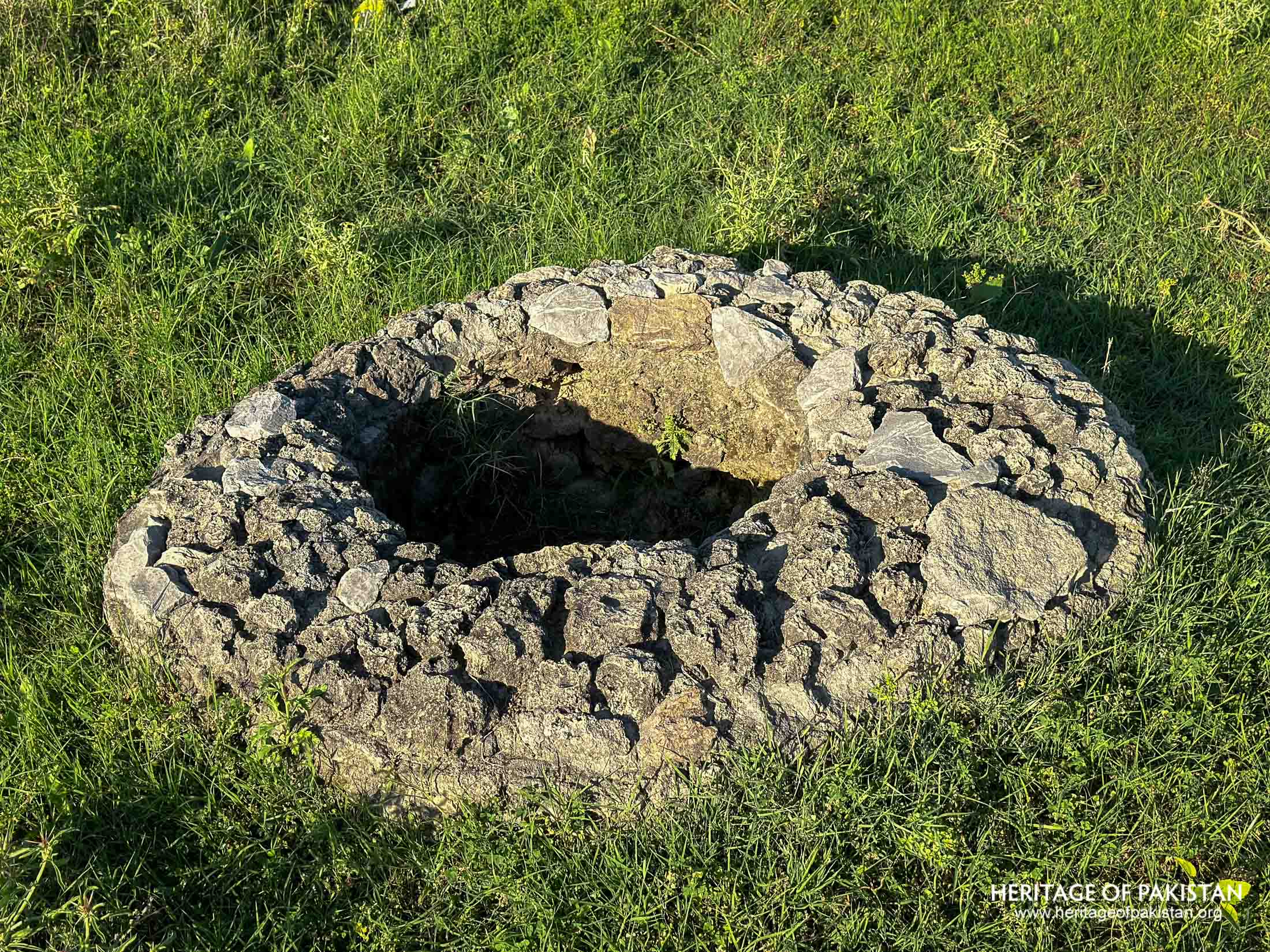
The Achaemenian emperor Darius I conquered Gandhara in the 6th century BCE and is credited with establishing Taxila as a provincial capital, most likely at the location now known as Bhir Mound
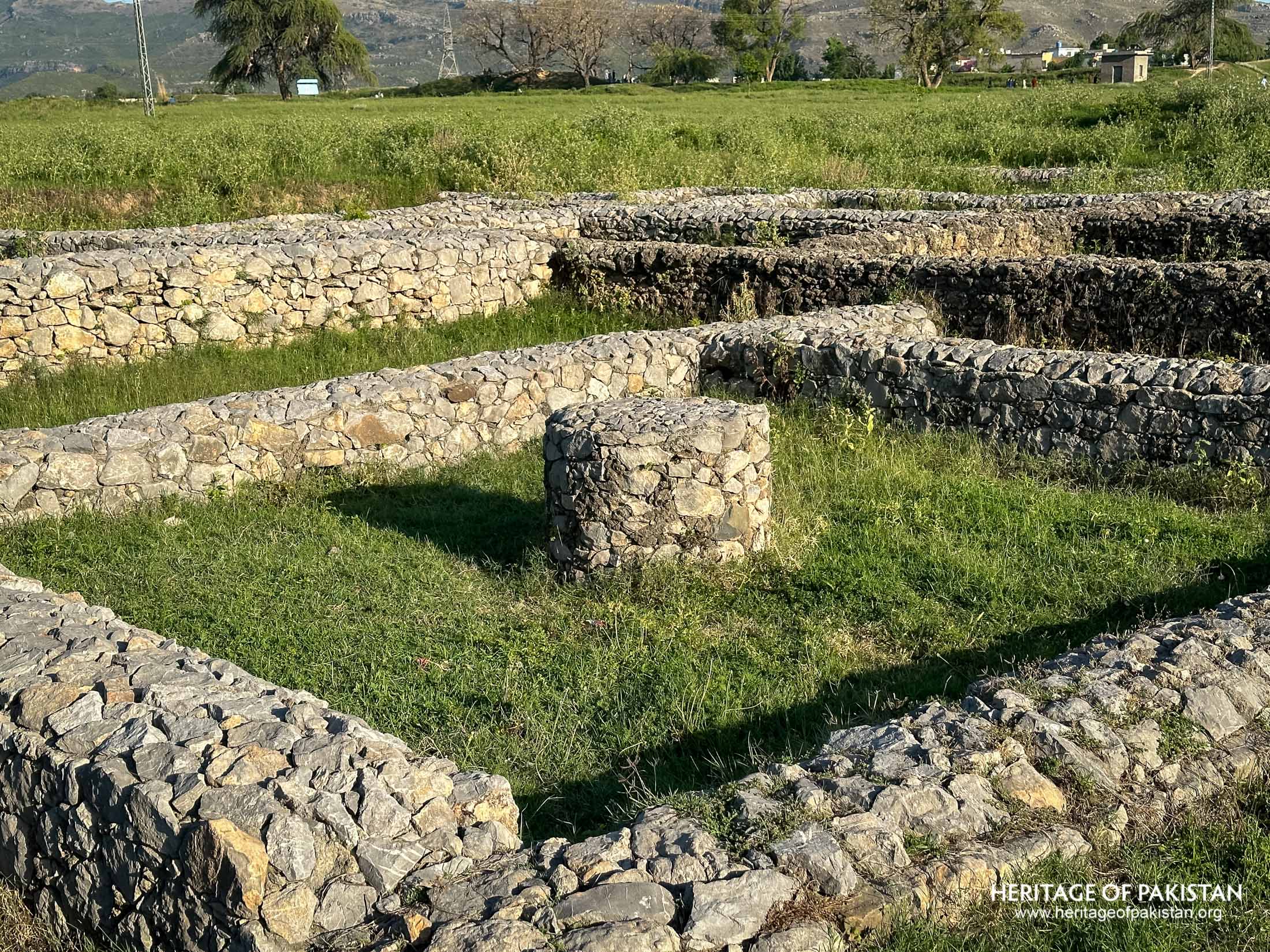
Following the decline of Achaemenid authority, Taxila became an independent entity under a local ruler, King Ambhi, after the fall of Darius III in 331 BCE
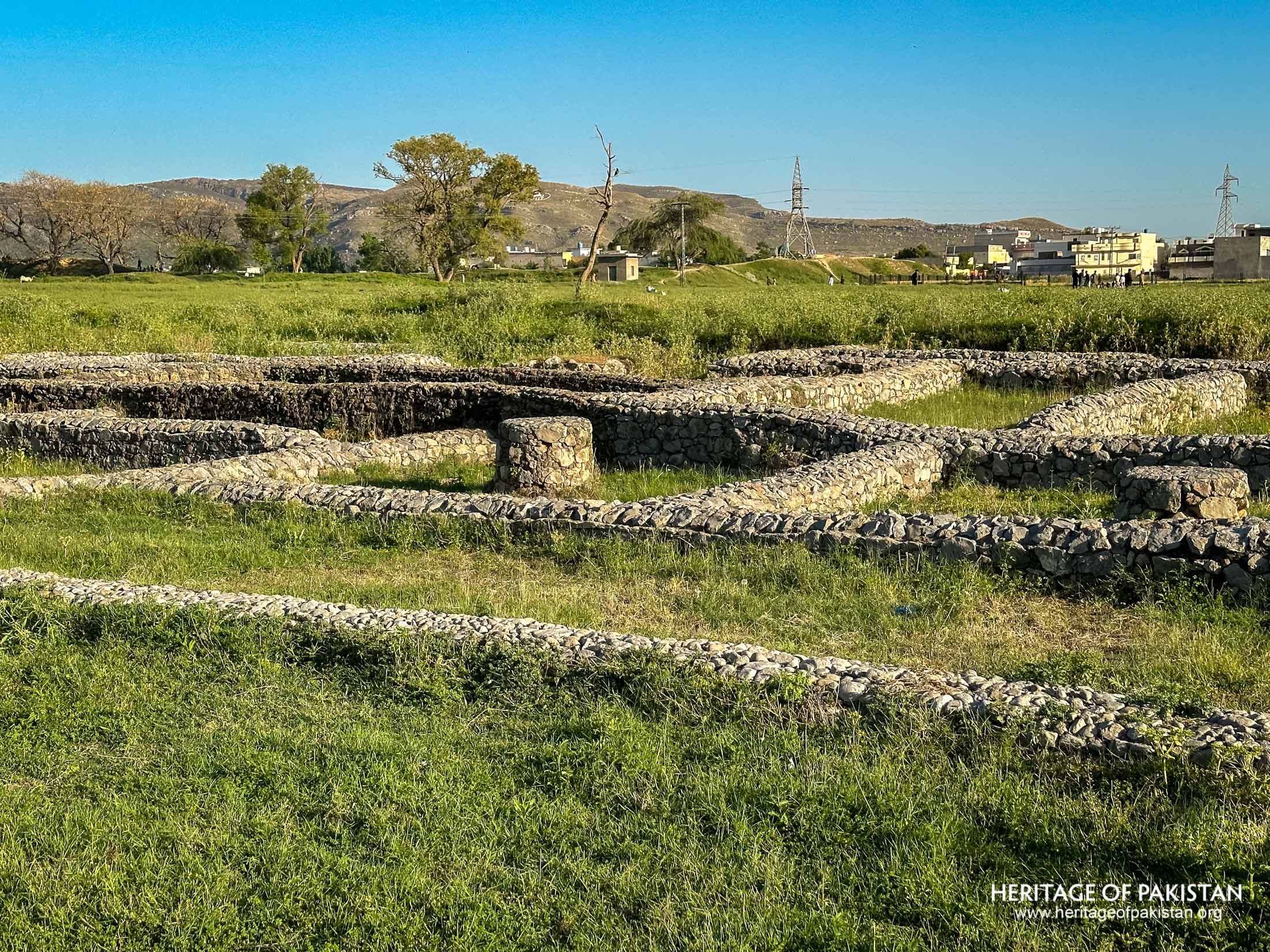
Ambhi ruled a kingdom located between the Indus and Jhelum rivers, with its capital at Taxila, then situated at Bhir Mound
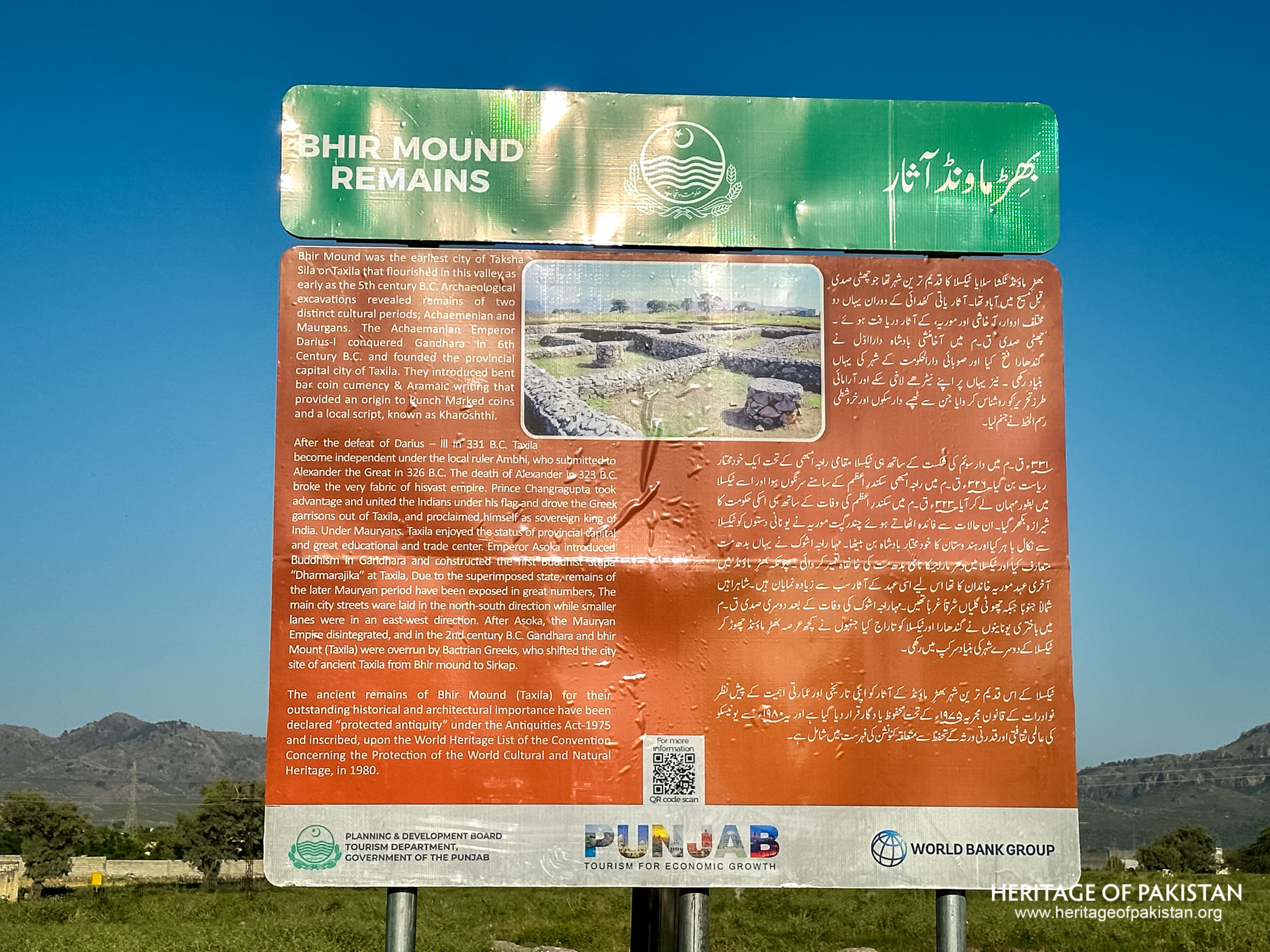
In February 326 BCE, during his campaign in India, Alexander the Great arrived at Bhir Mound. King Ambhi welcomed him with gifts and acknowledged his sovereignty
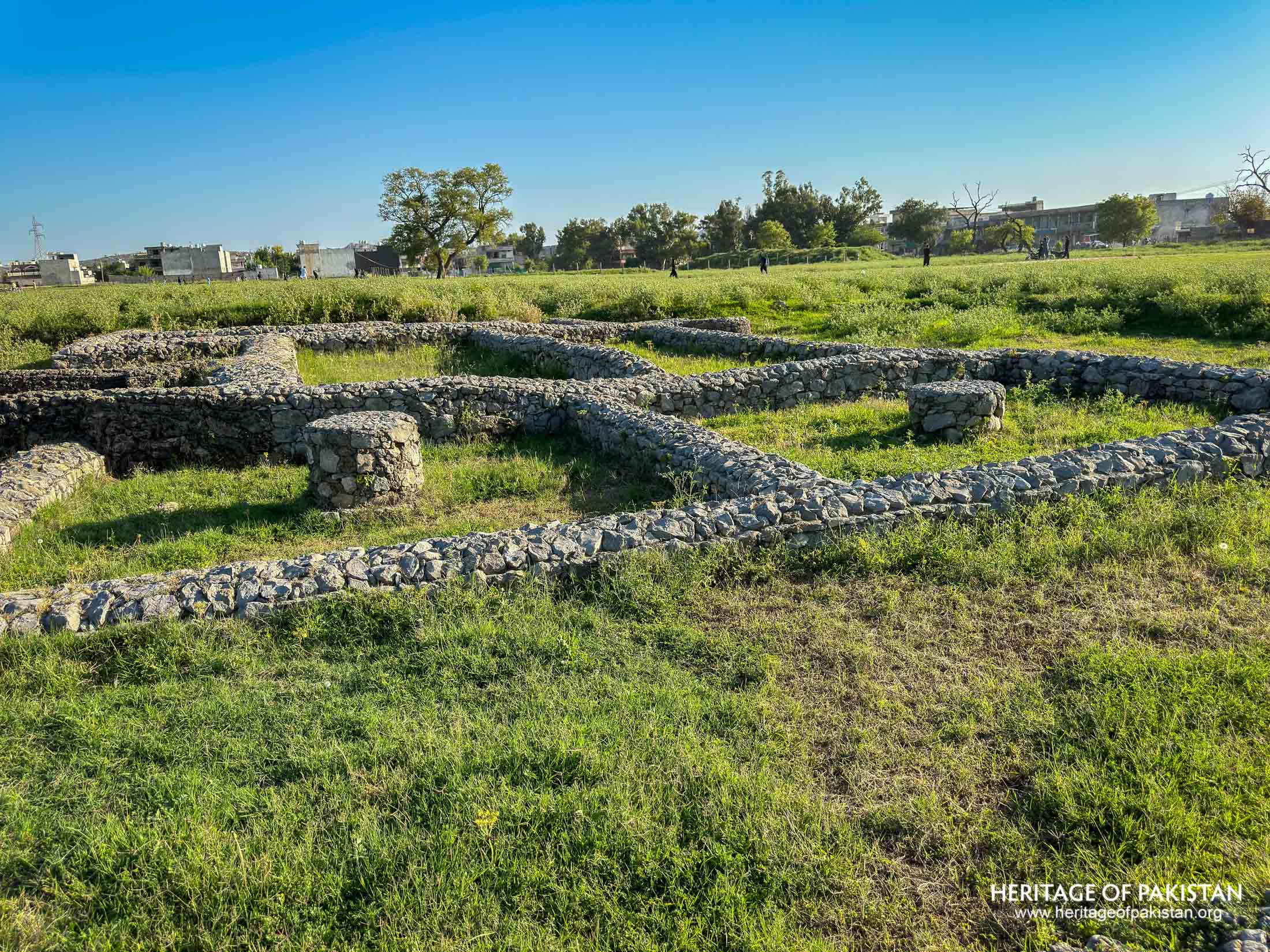
After Alexander’s death, Macedonian satraps governed the region, and the Macedonian satrapy at Bhir Mound survived until 317 BCE
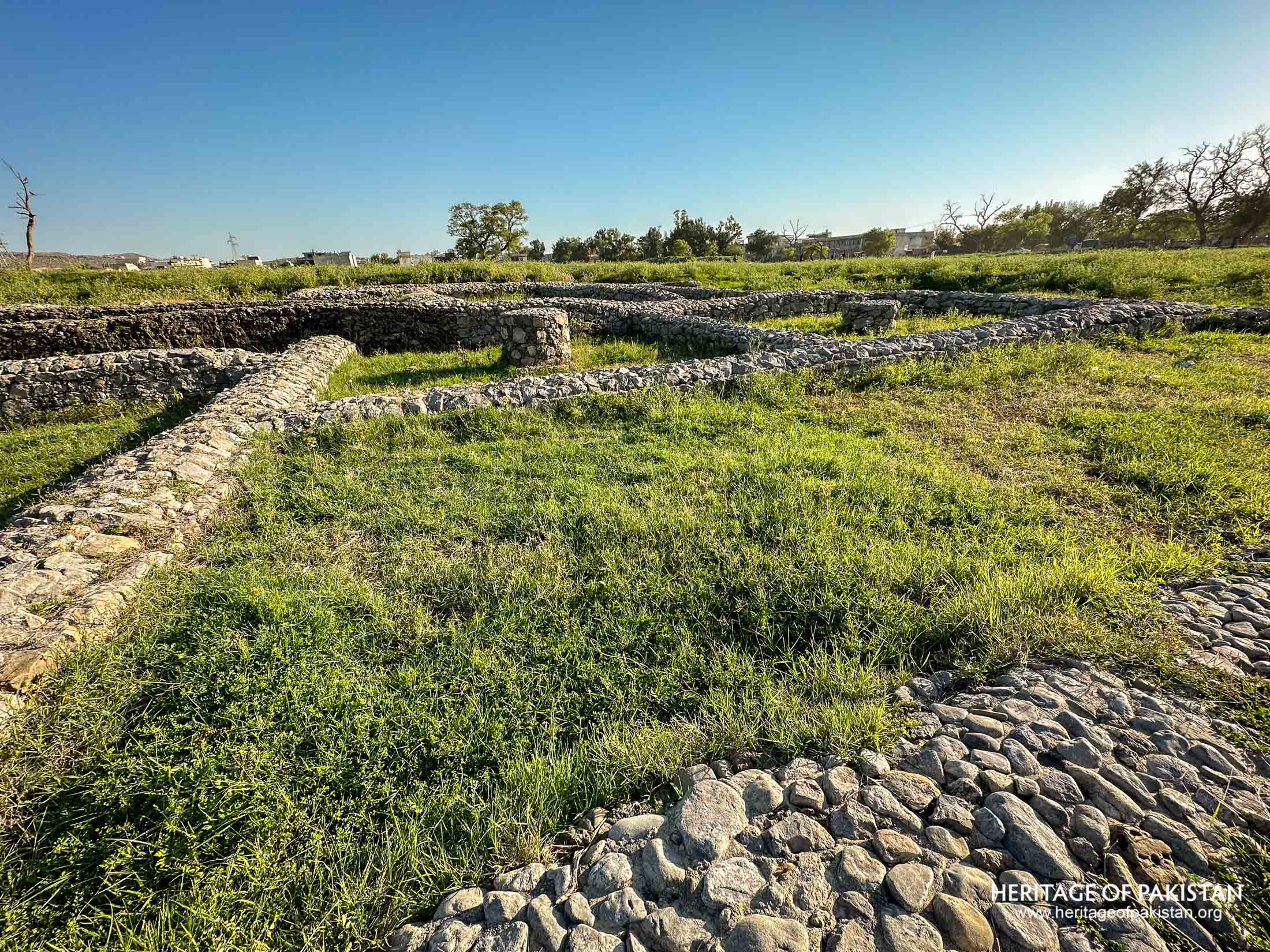
Eventually, Chandragupta Maurya rebelled, drove out the Greeks, and established the Mauryan Empire, installing his own governor at Bhir Mound
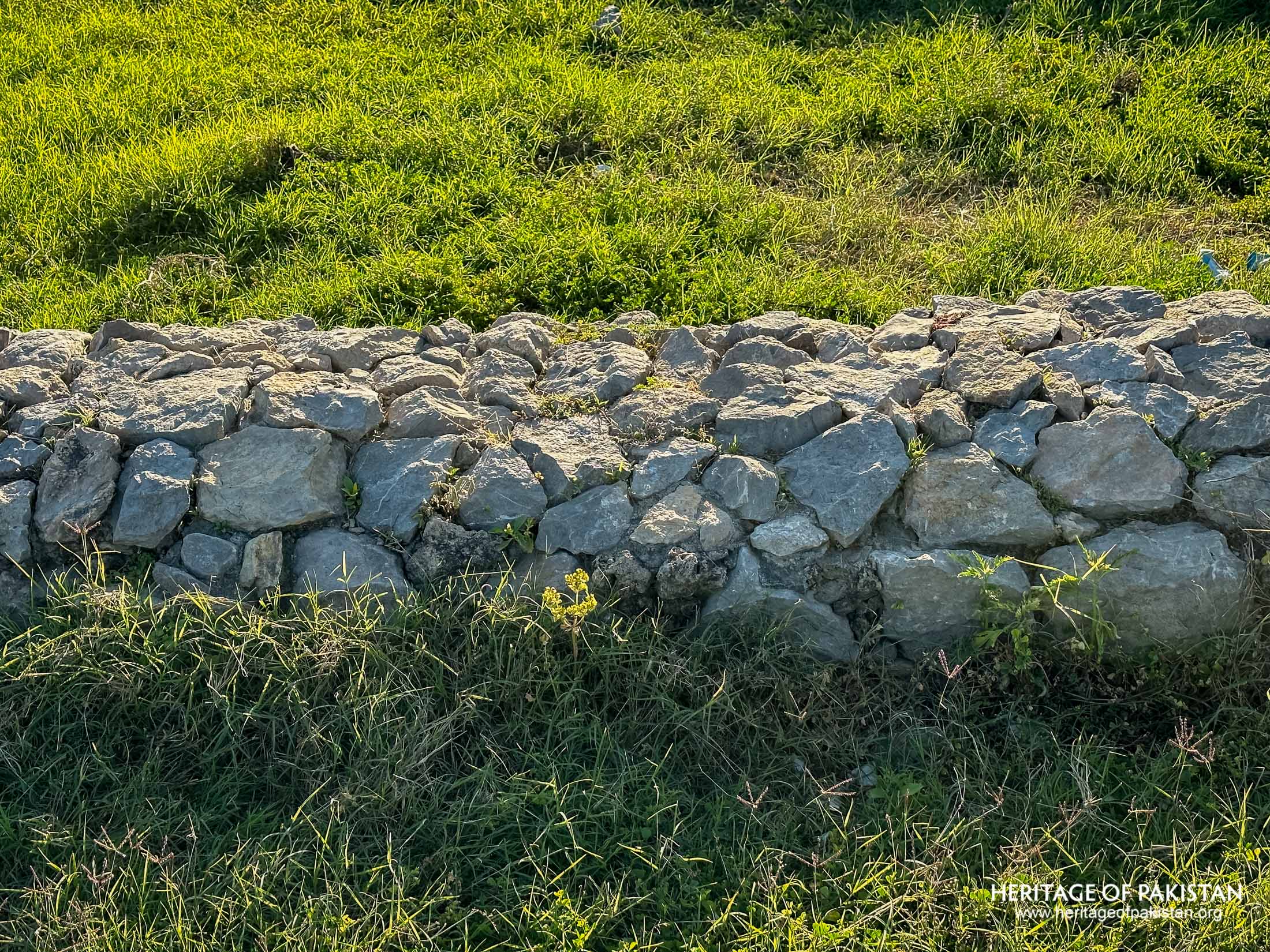
In the 2nd century BCE, the Bactrian Greeks overran the city and eventually moved the capital to a newly established city located two kilometers northeast, named Sirkap.
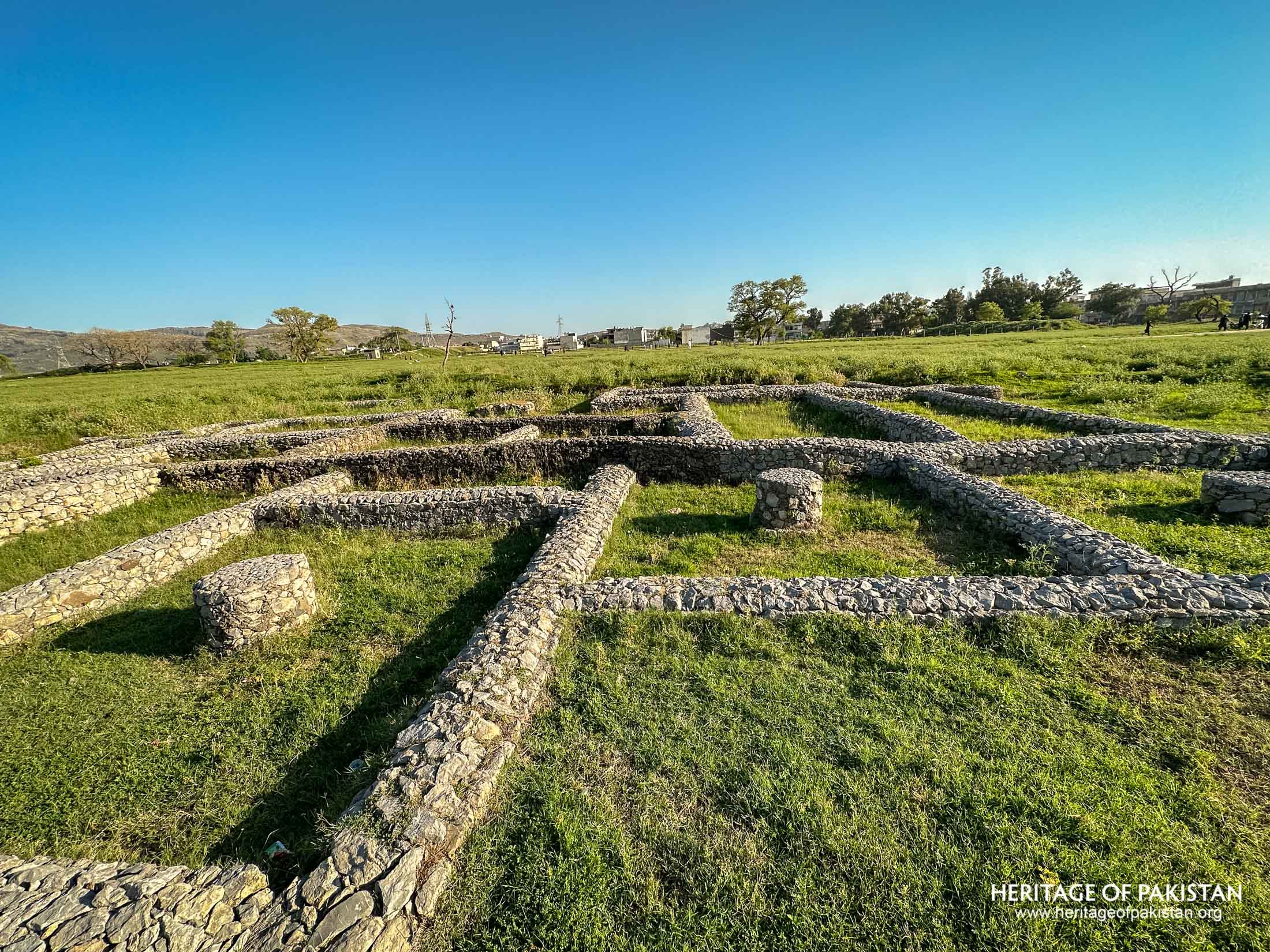
Bhir Mound has been declared a protected site under the Antiquities Act of 1975 and was inscribed as a UNESCO World Heritage Site in 1980
