
Textarea
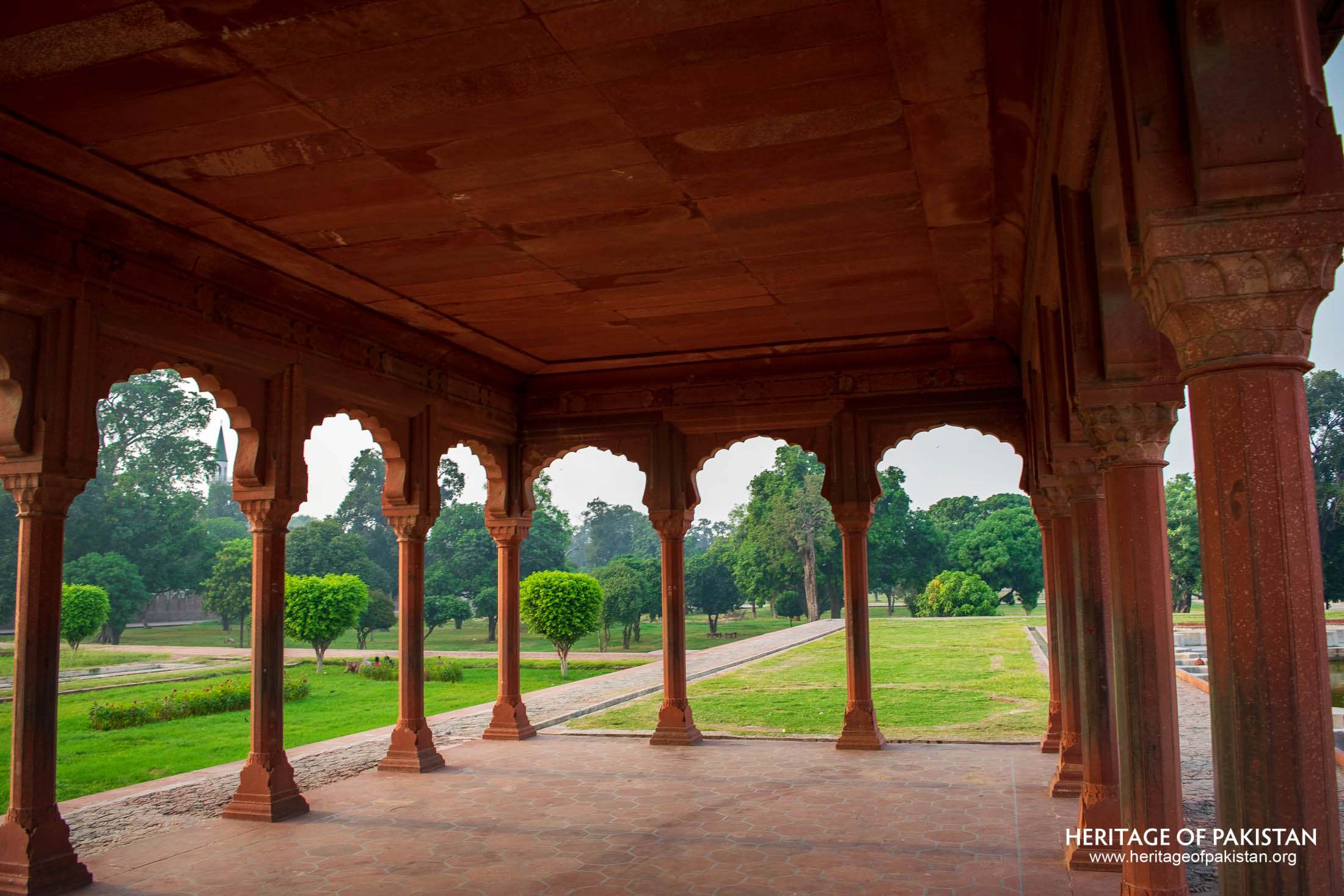
Shalimar Gardens in Lahore is a notable example of 17th-century Mughal garden architecture, commissioned by Emperor Shah Jahan
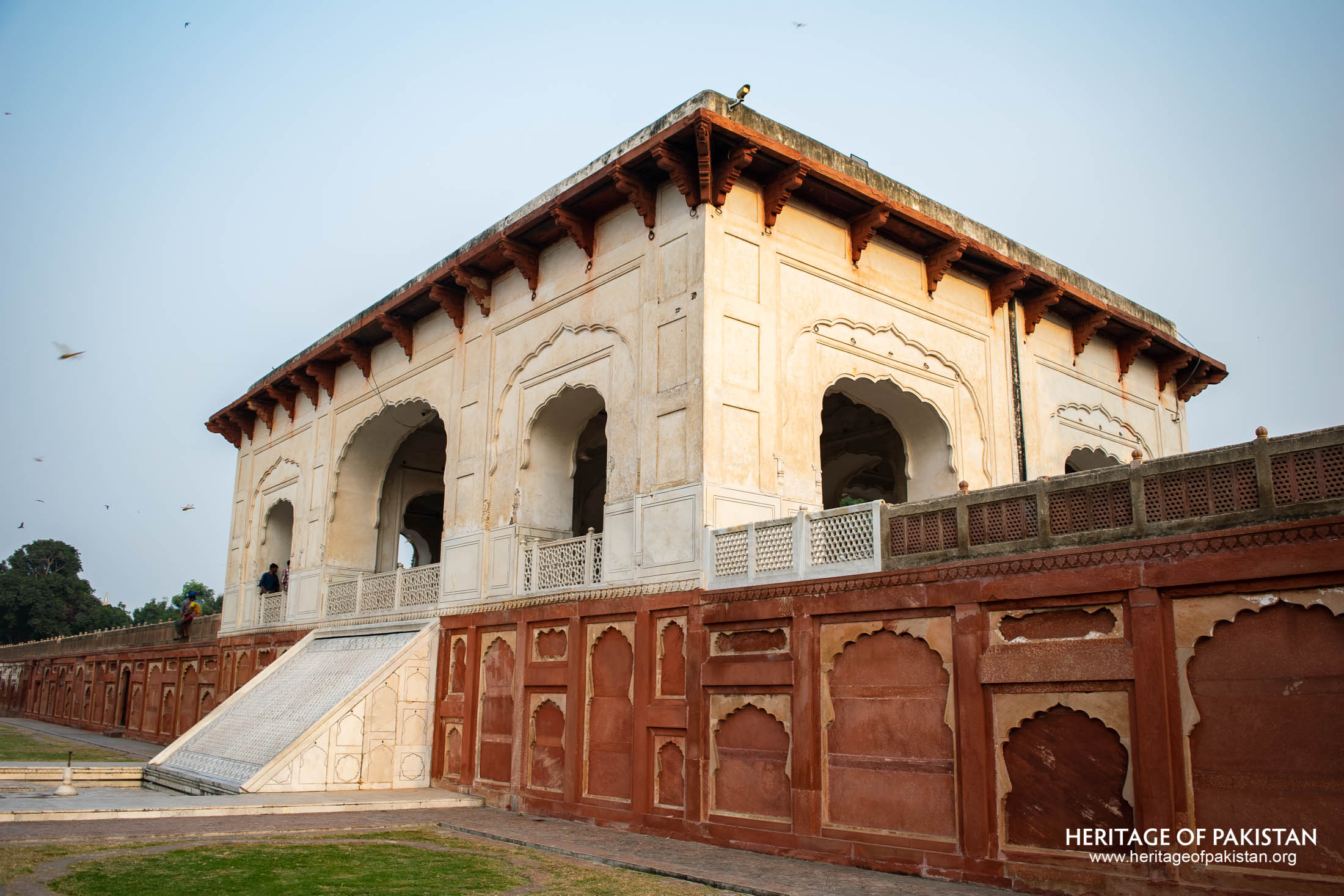
The site comprises three descending levels, known for their proportion, symmetry, and careful planning, and includes additional structures such as baradaris, residential quarters, and a harem
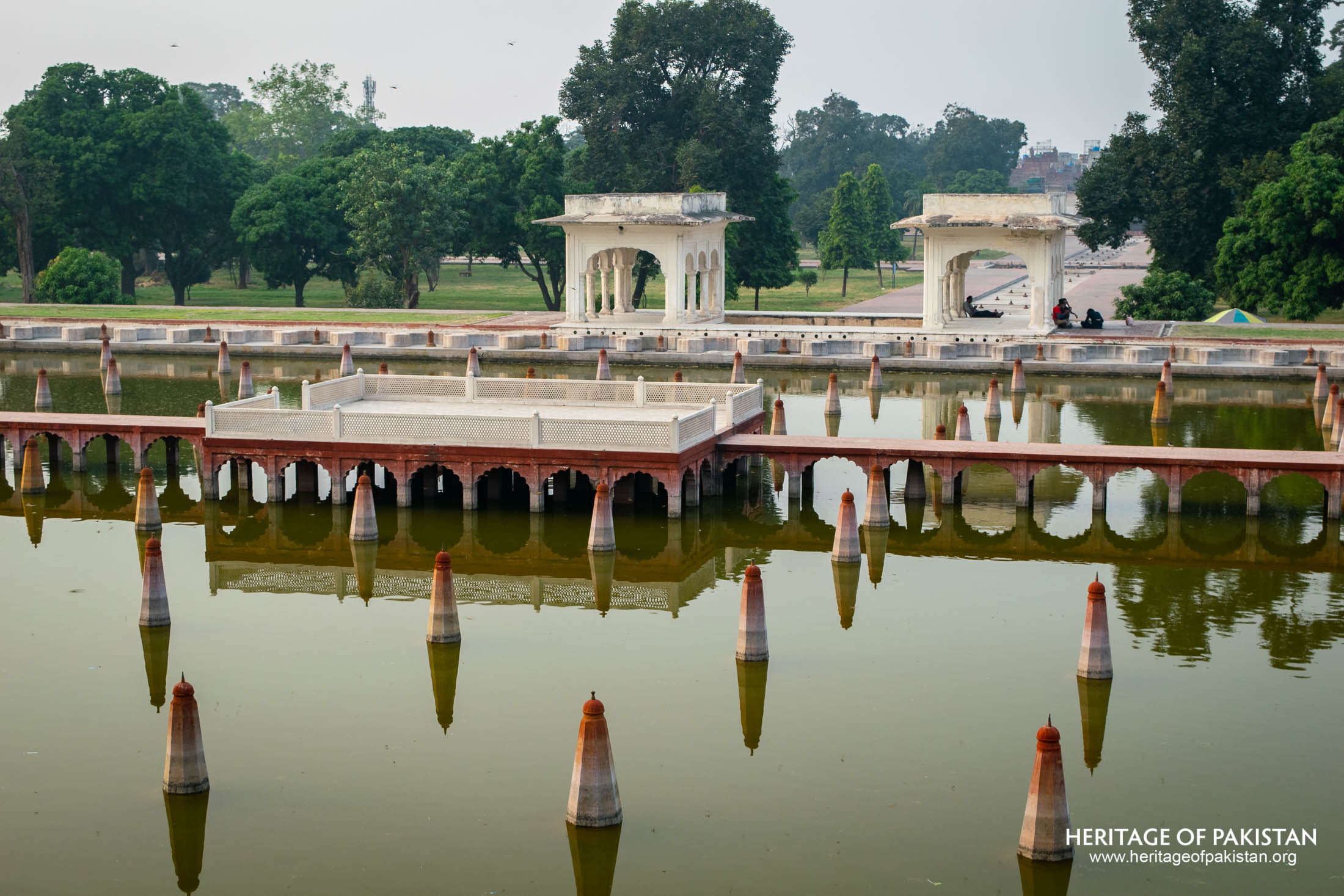
The Shalimar Gardens in Lahore stands as a premier example of the Mughal Char Bagh or Paradise garden tradition
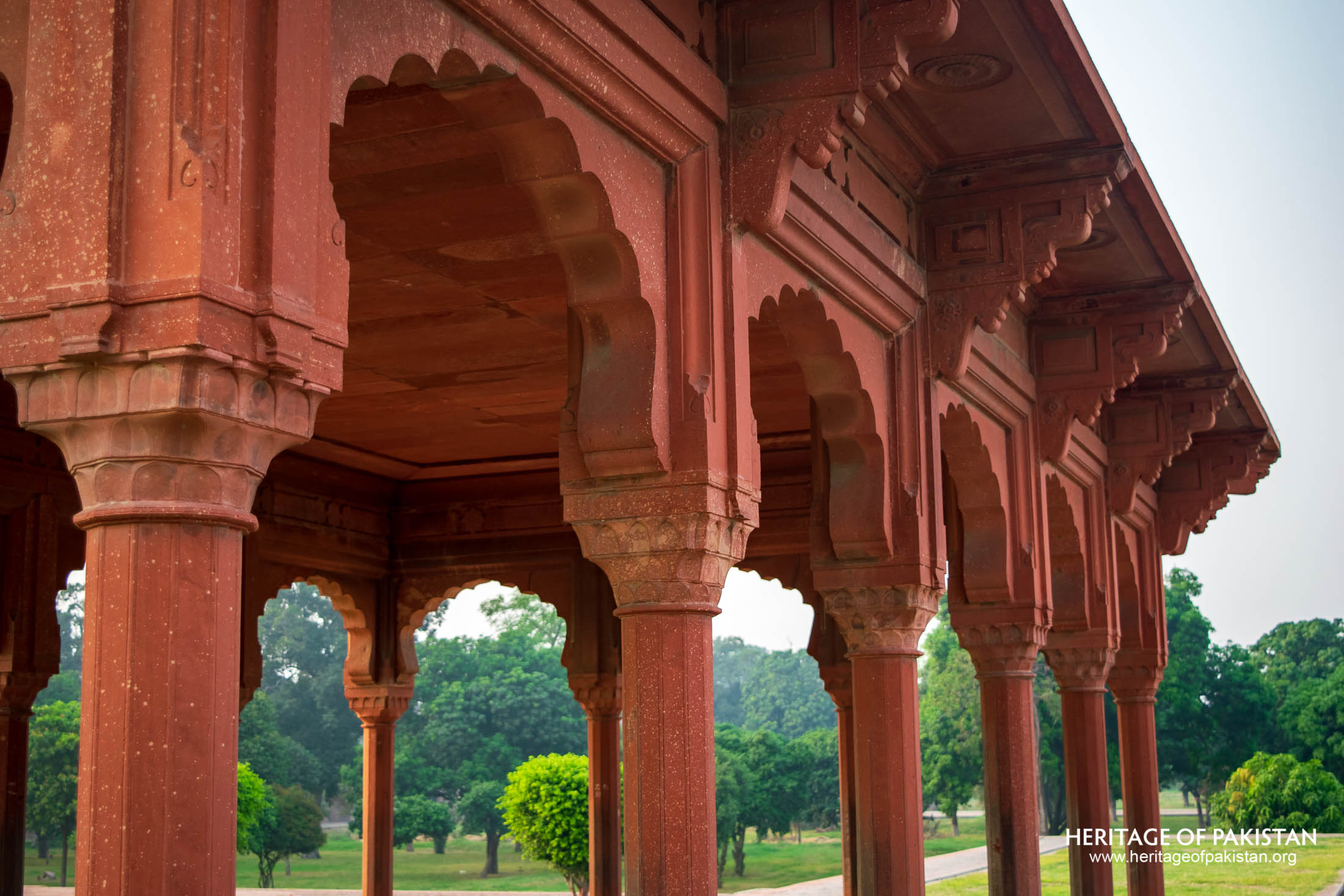
The garden’s plan is divided into three terraces: the uppermost, the middle, and the lowest
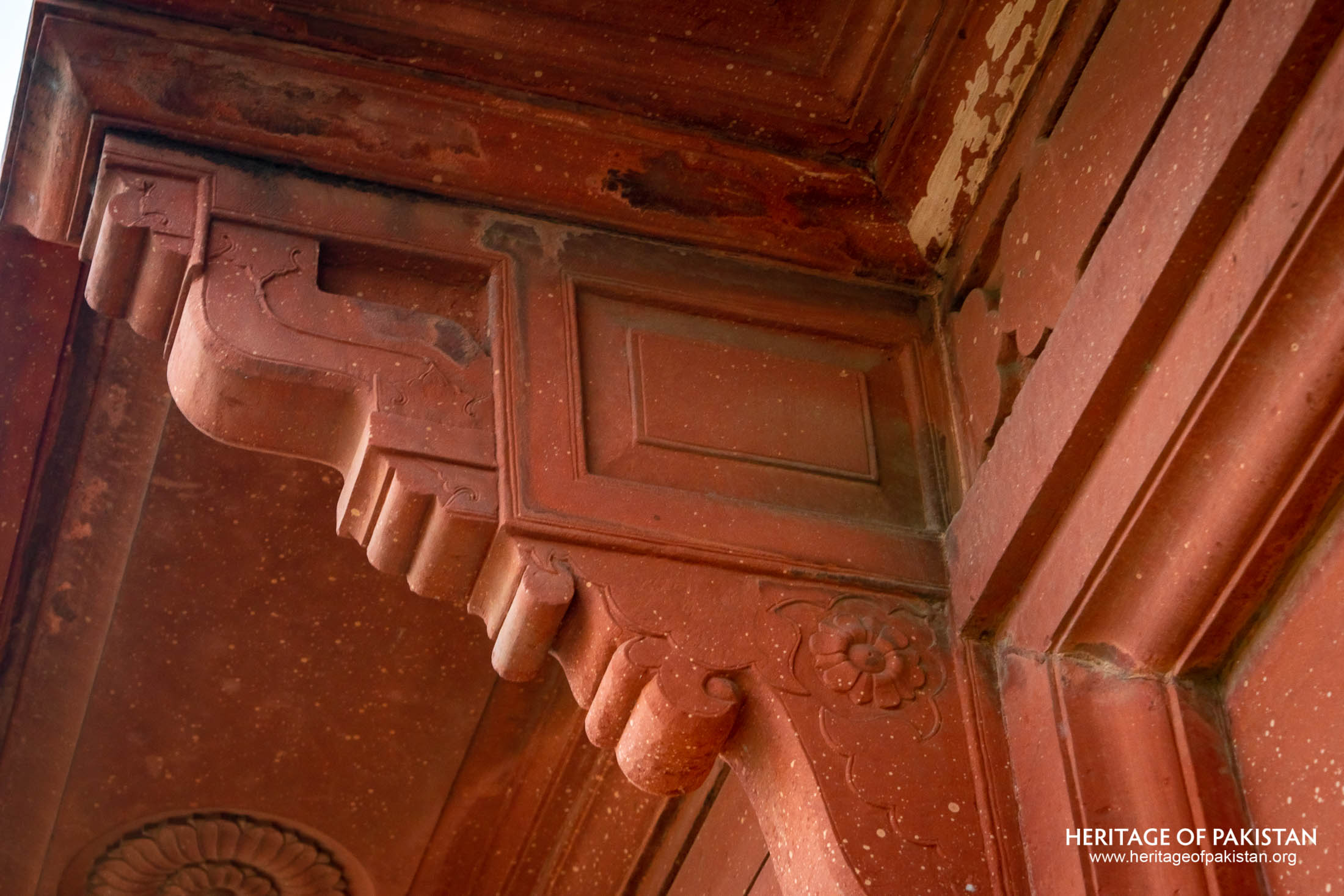
The Upper terrace is called 'Farah Bakhsh' and the Middle and Lower terraces are collectively called 'Faiz Bakhsh'
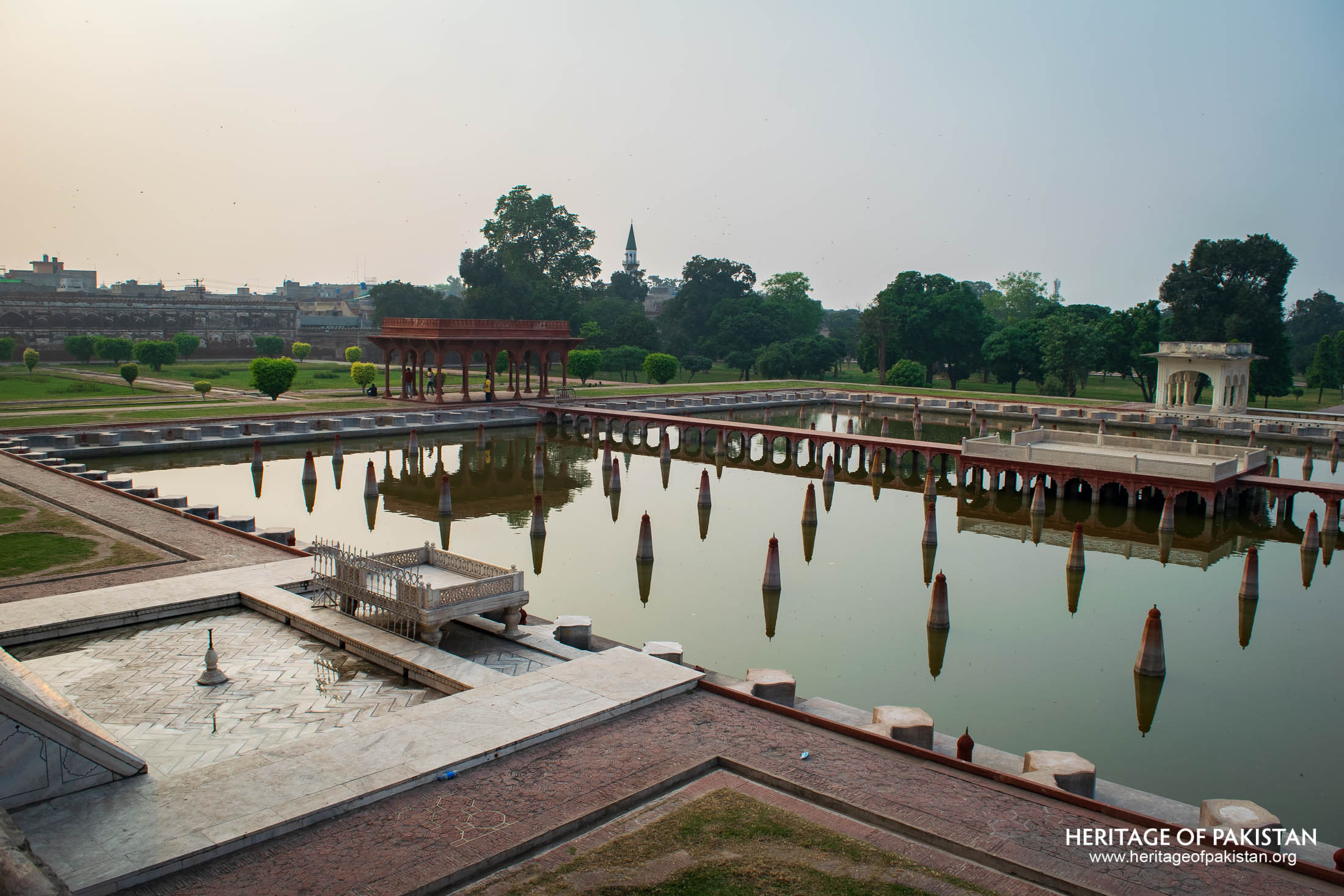
Each terrace is linked through a series of stairways and channels that maintain the overall geometric symmetry central to the Char Bagh concept
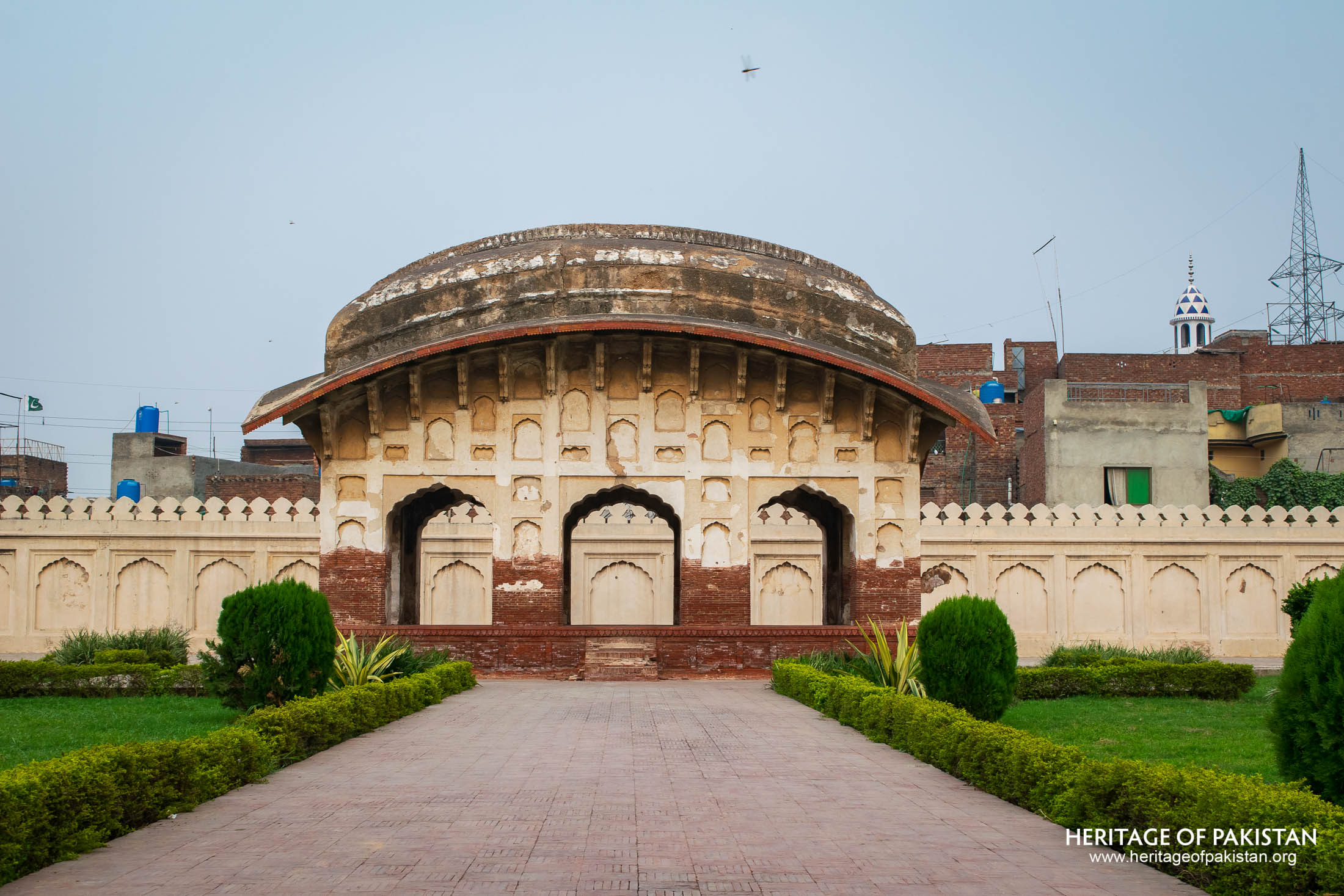
The uppermost terrace, named Farah Baksh (Pleasure-Giving), follows the classical Persian Char Bagh model. It is organized symmetrically into quadrants using water channels
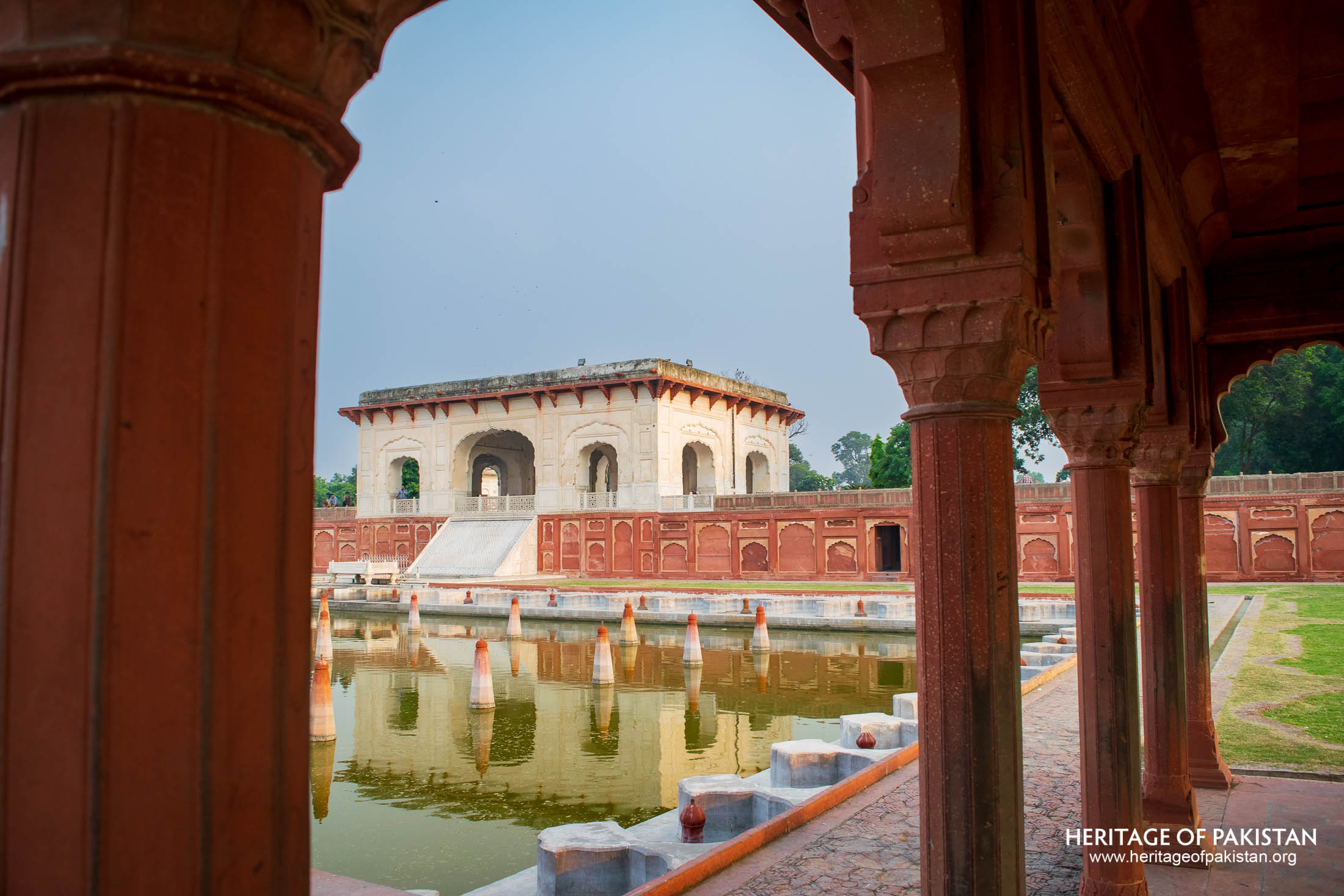
The middle terrace forms part of the area referred to as Faiz Baksh (Bounty-Giving).
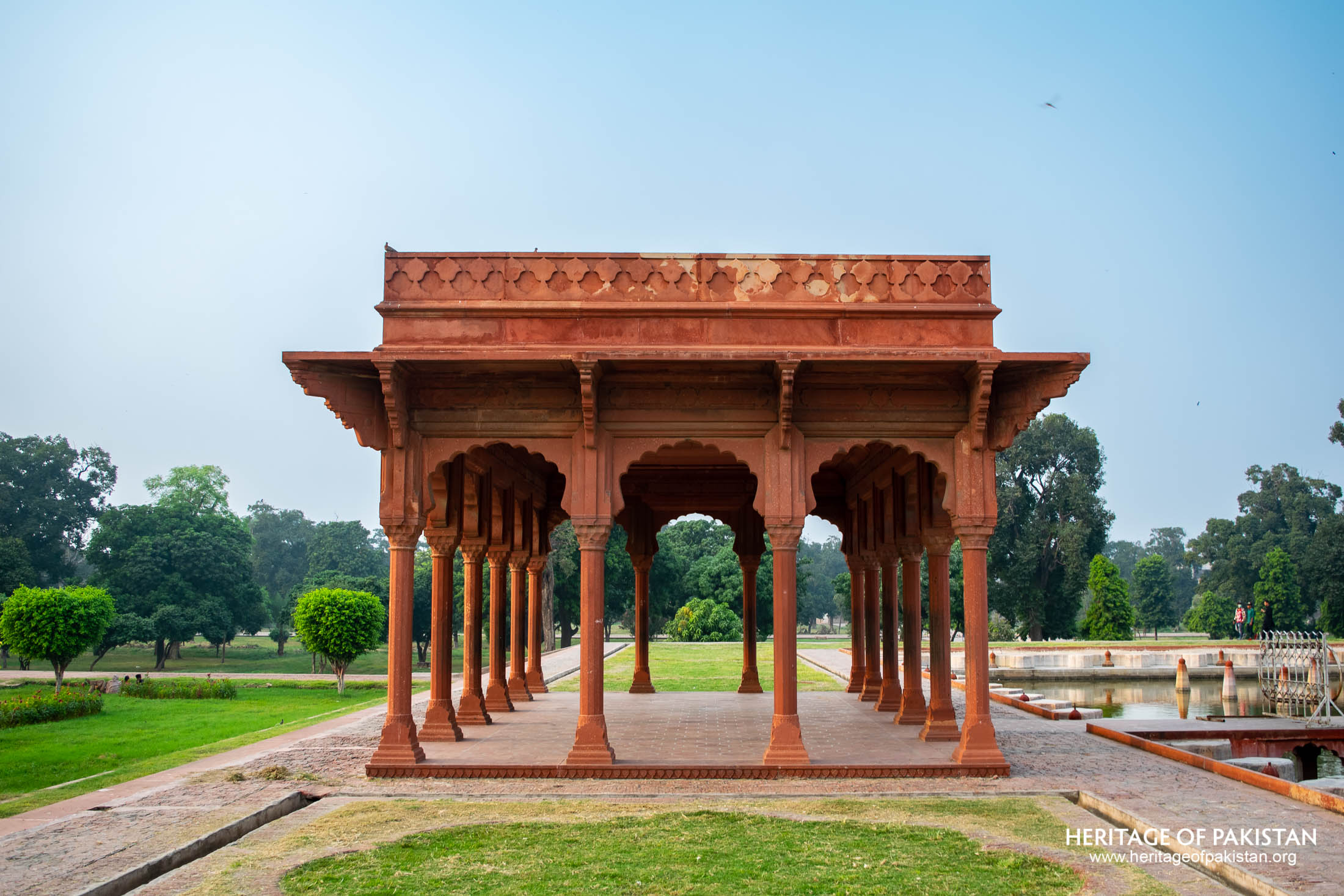
This rectangular level contains a large square water tank with fountains and a mahtabi, flanked by red sandstone baradaris
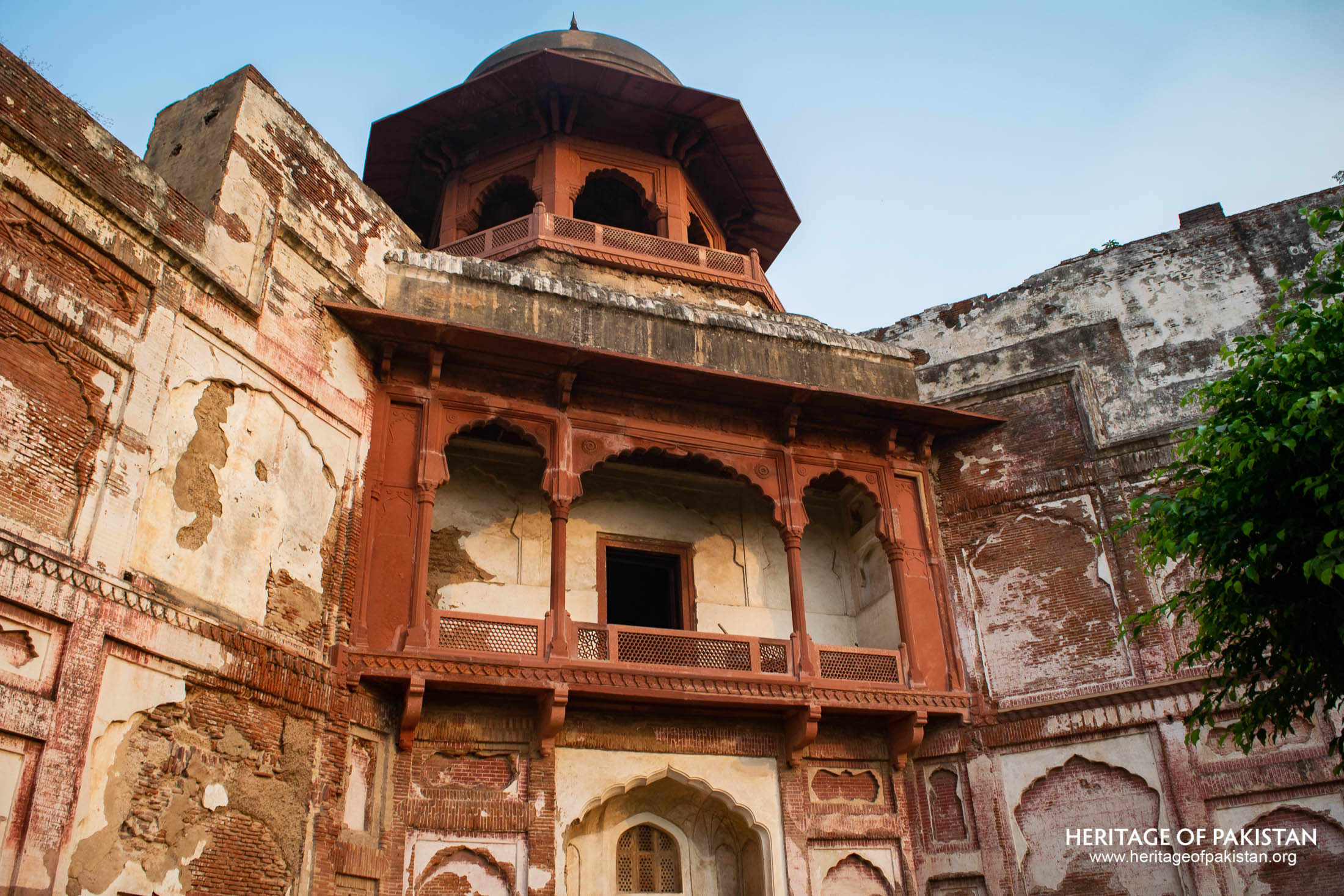
Owing to its architectural and cultural significance, the garden has been inscribed on the UNESCO World Heritage Sites list
