
Textarea
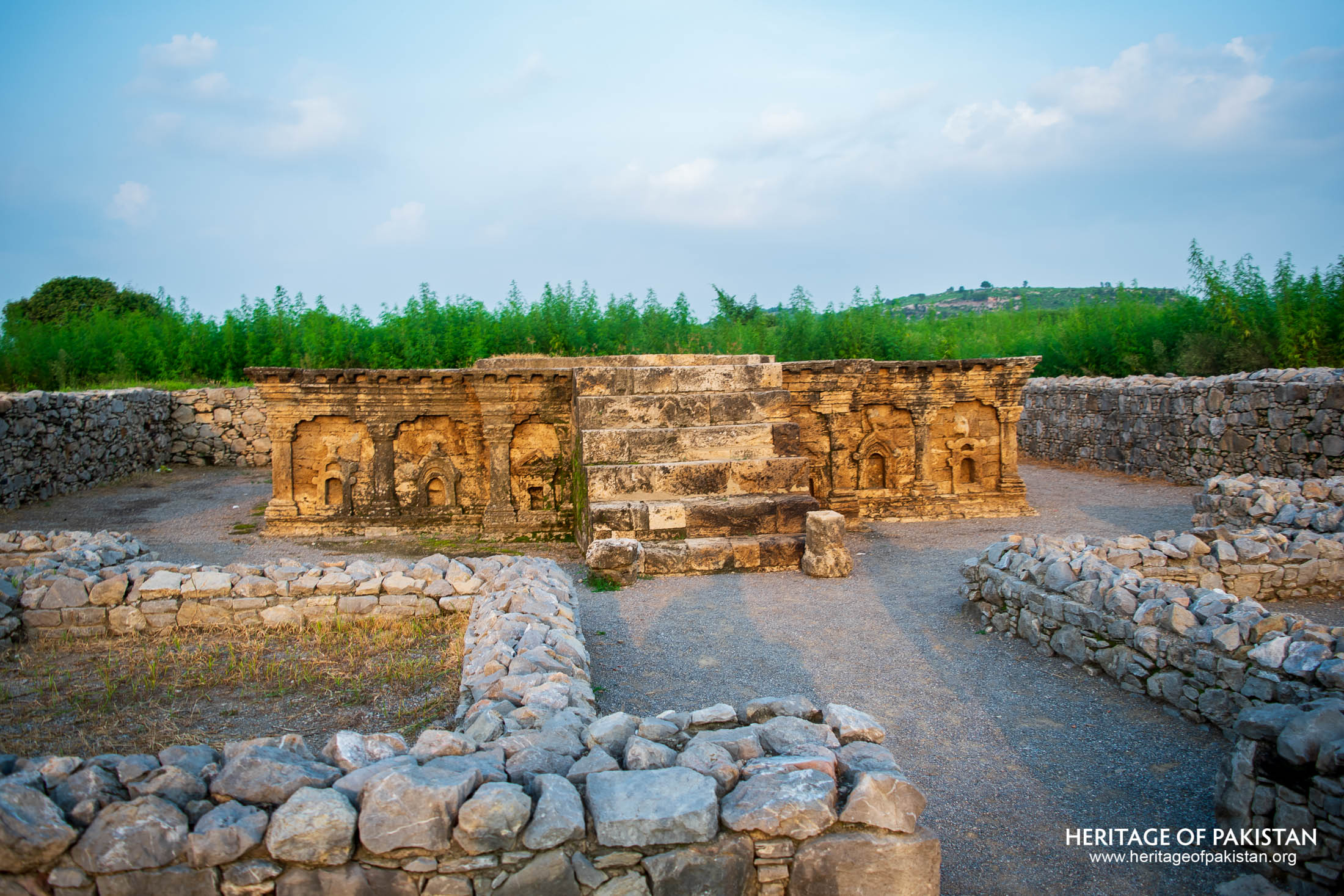
Sirkap is an archaeological site of an ancient city located in the Taxila Valley of present day Pakistan
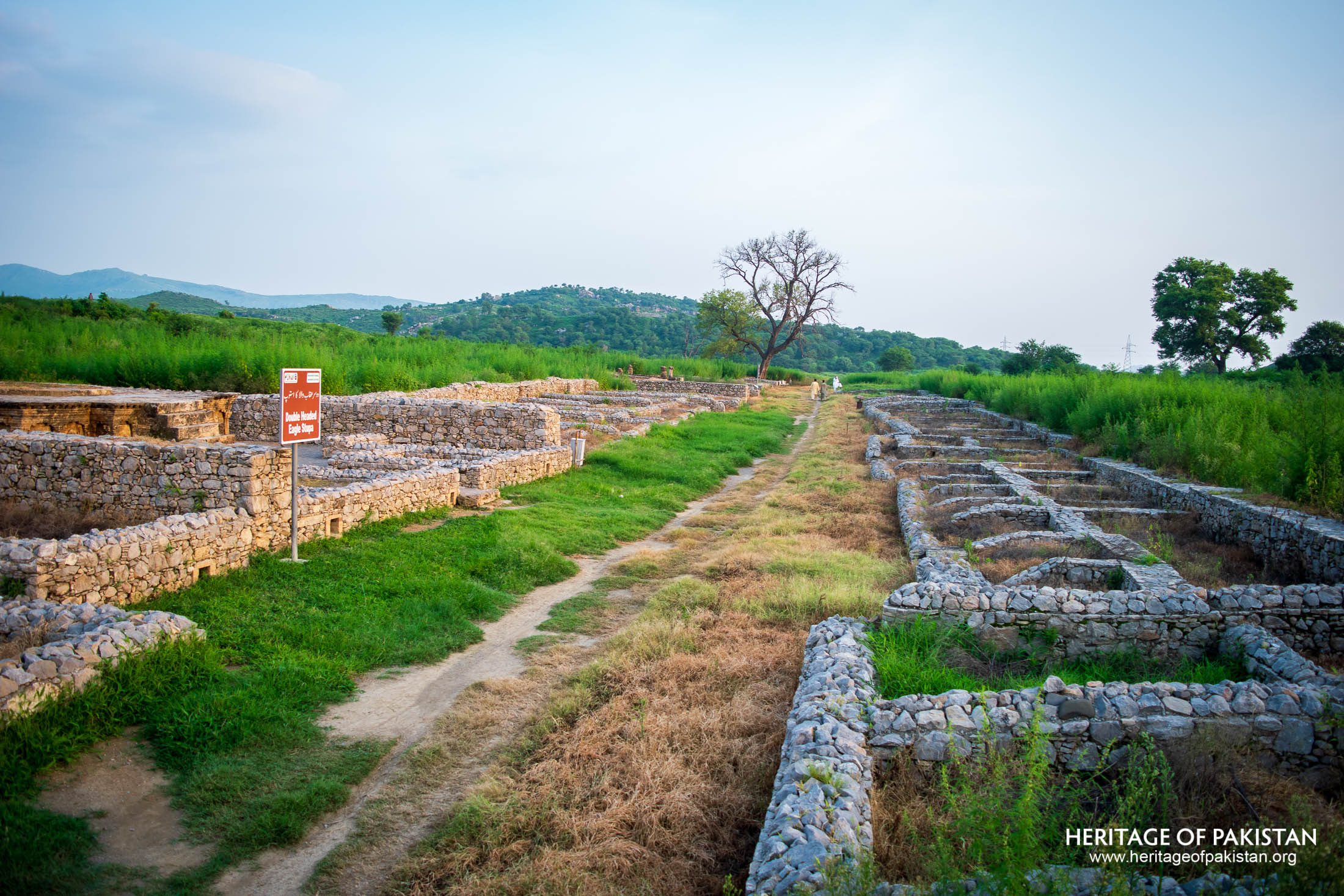
It was founded by the Bactrian Greeks in the 2nd century BCE
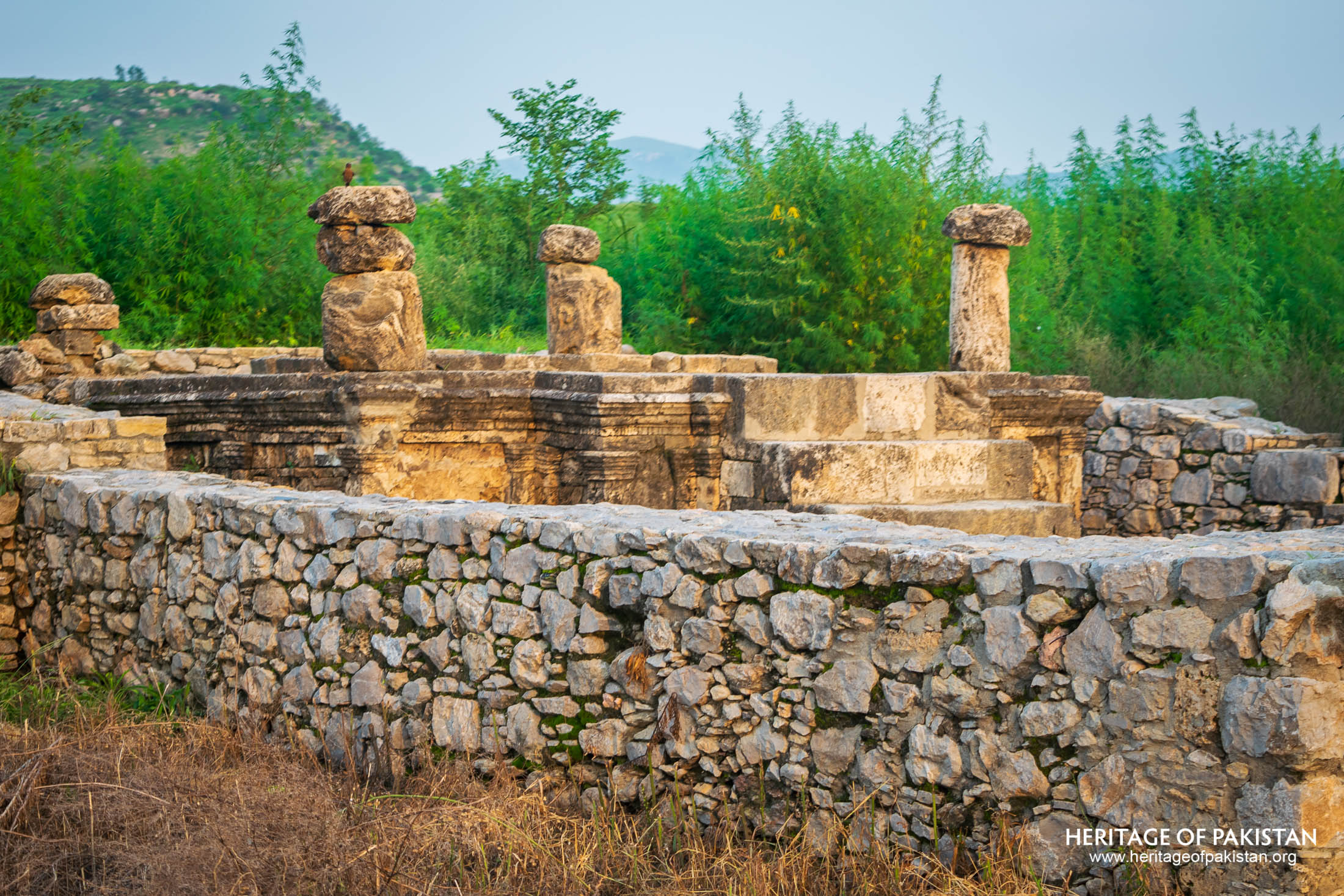
It represents the second major urban center of Taxila, following Bhir Mound, which had been established in the 6th century BCE by the Achaemenids
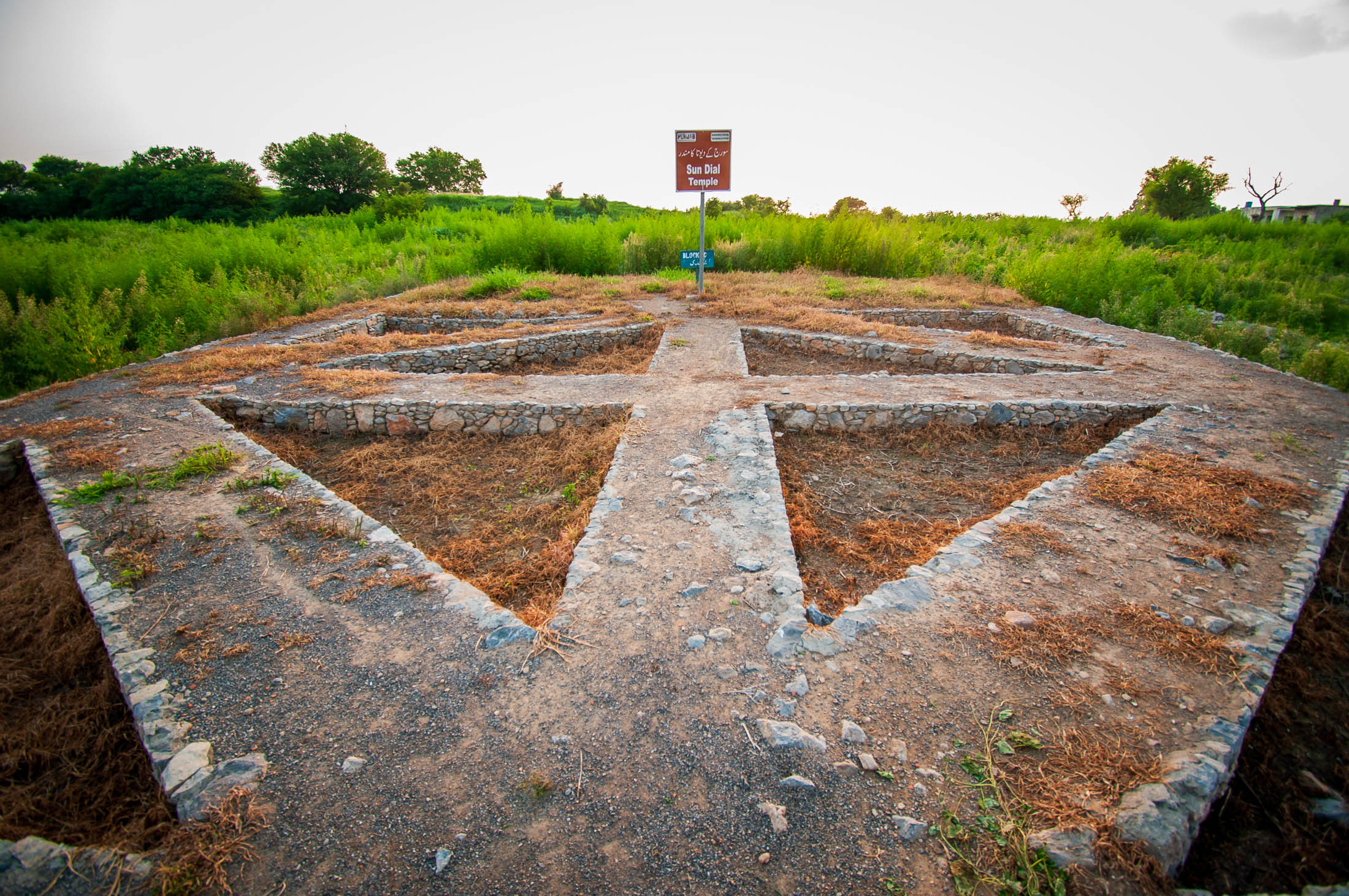
The Indo-Greeks ruled Sirkap for approximately a century, until 90 BCE, when they were displaced by the Scythians and Parthians
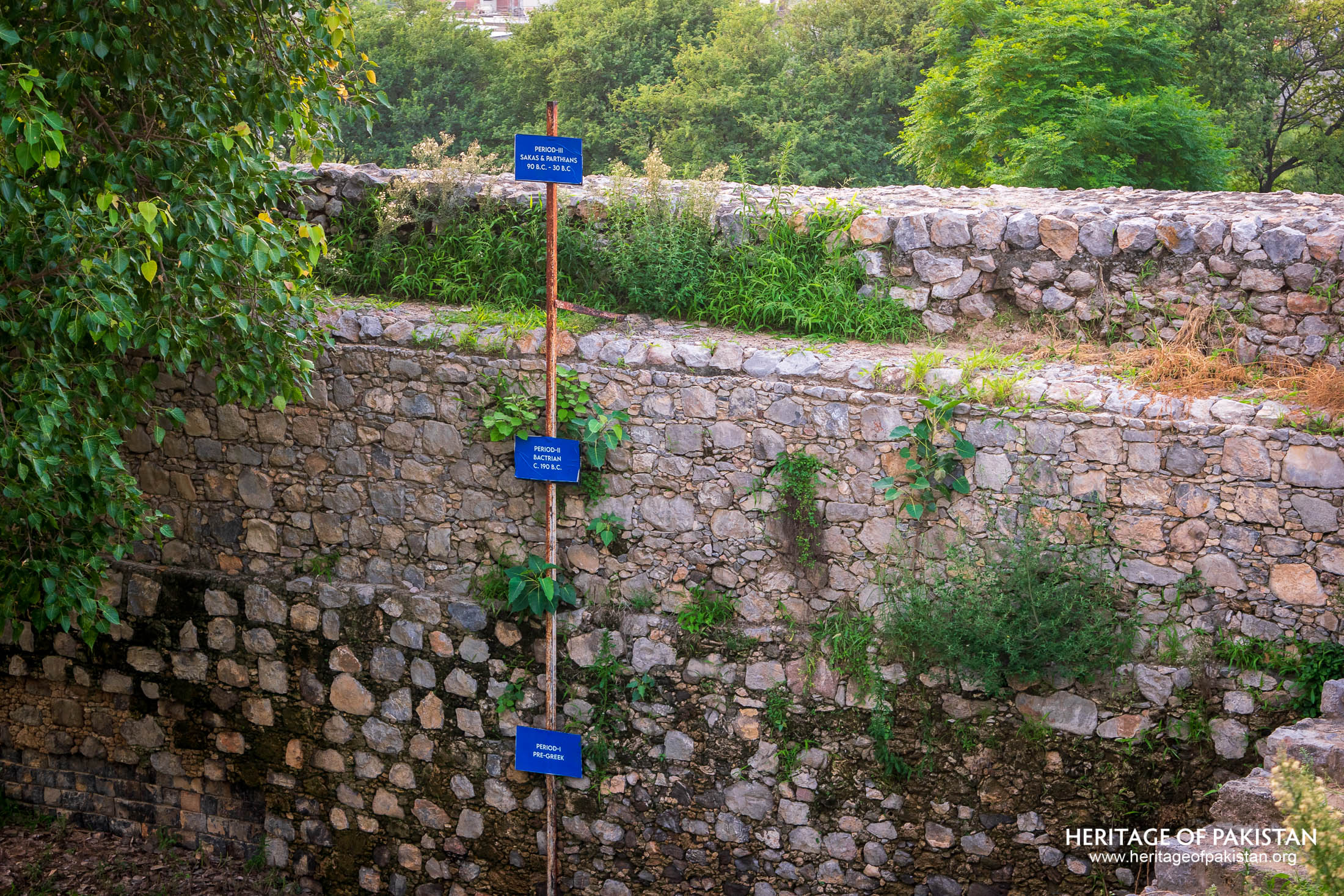
The site eventually came under the control of the Kushans, who remained in power until around 80 CE
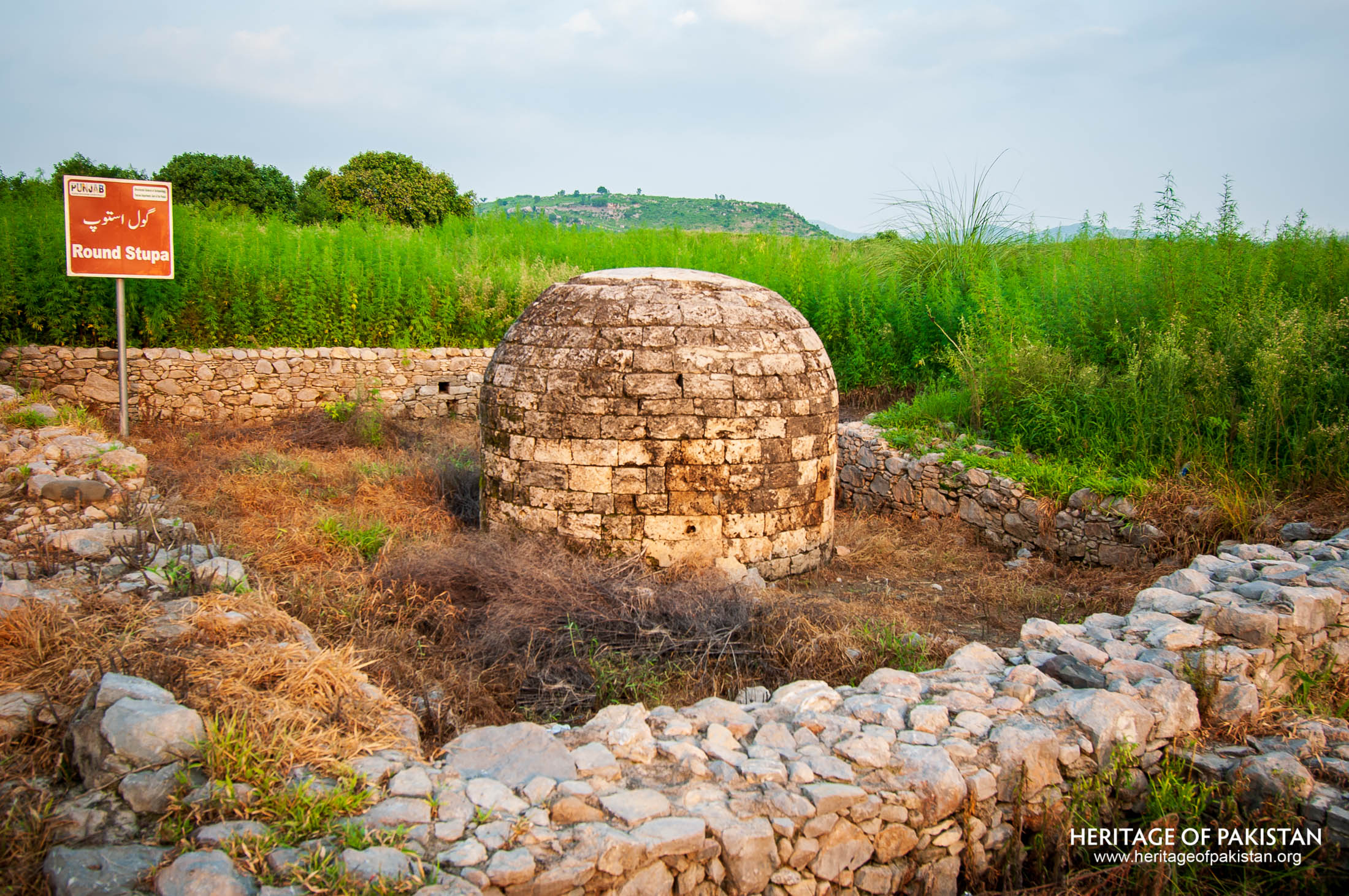
Sir John Marshall carried out extensive excavations at Sirkap between 1918 and 1934, revealing a comprehensive picture of the city's historical and architectural development.
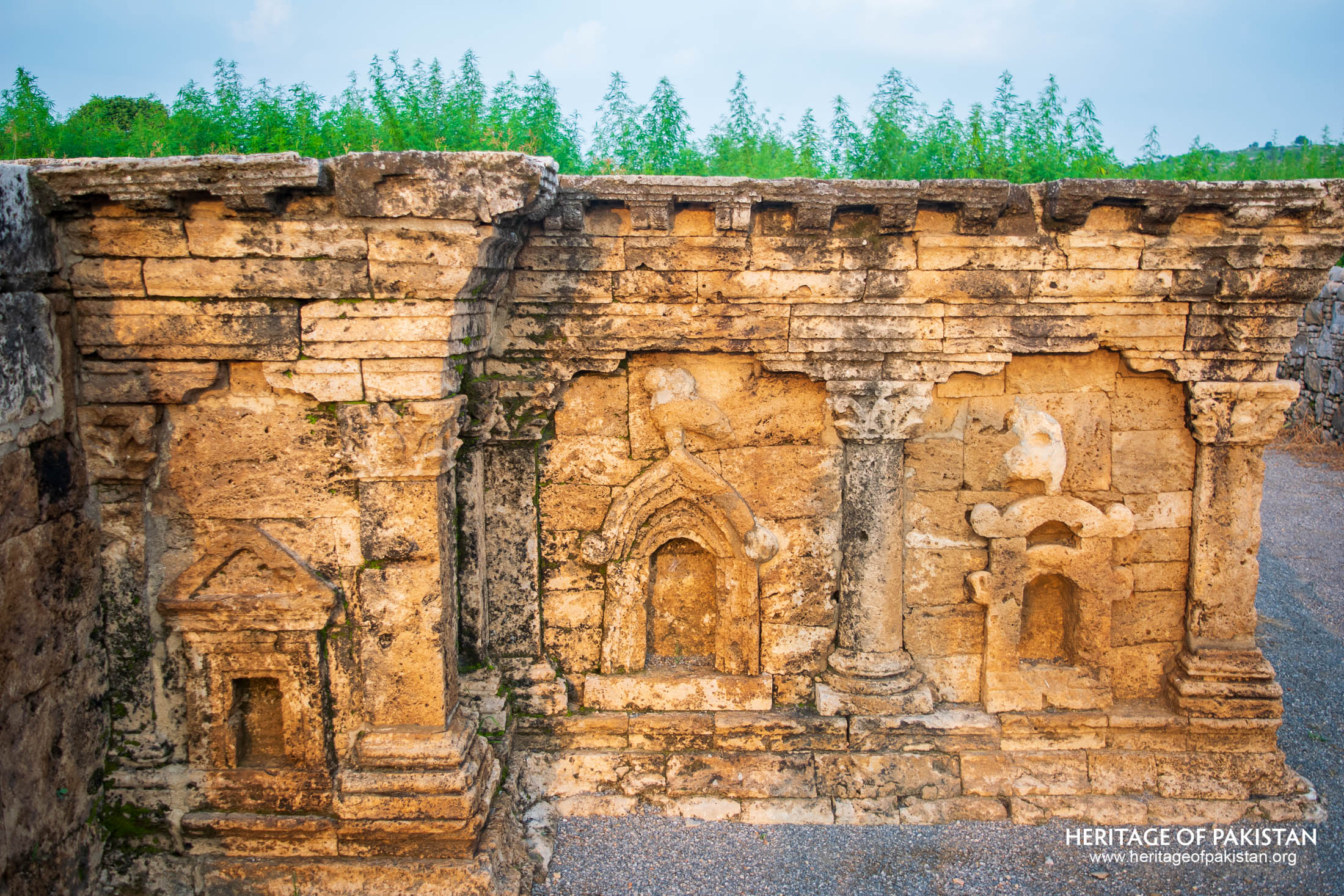
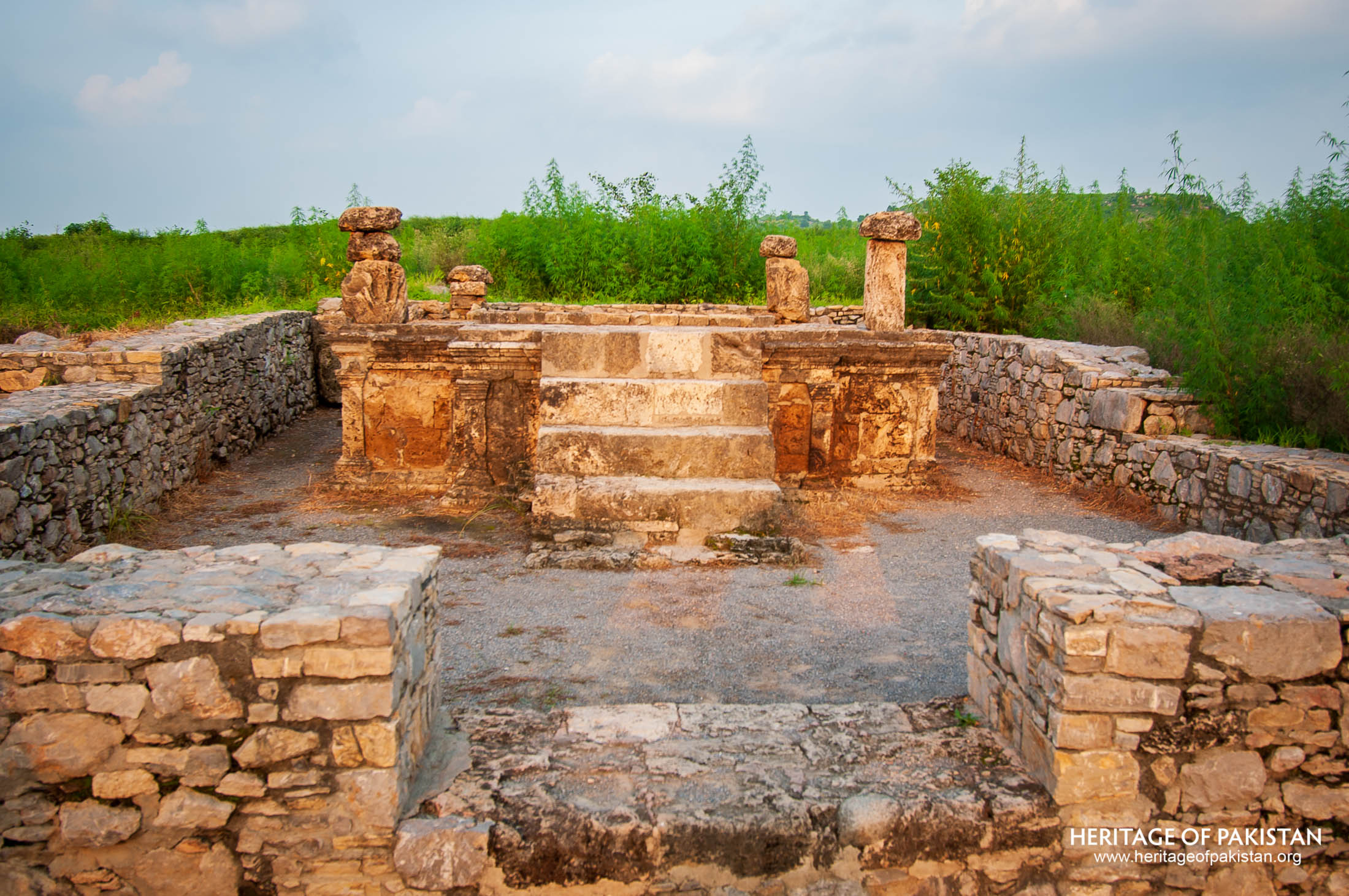
A notable structure at Sirkap is the Temple of the Double-Headed Eagle
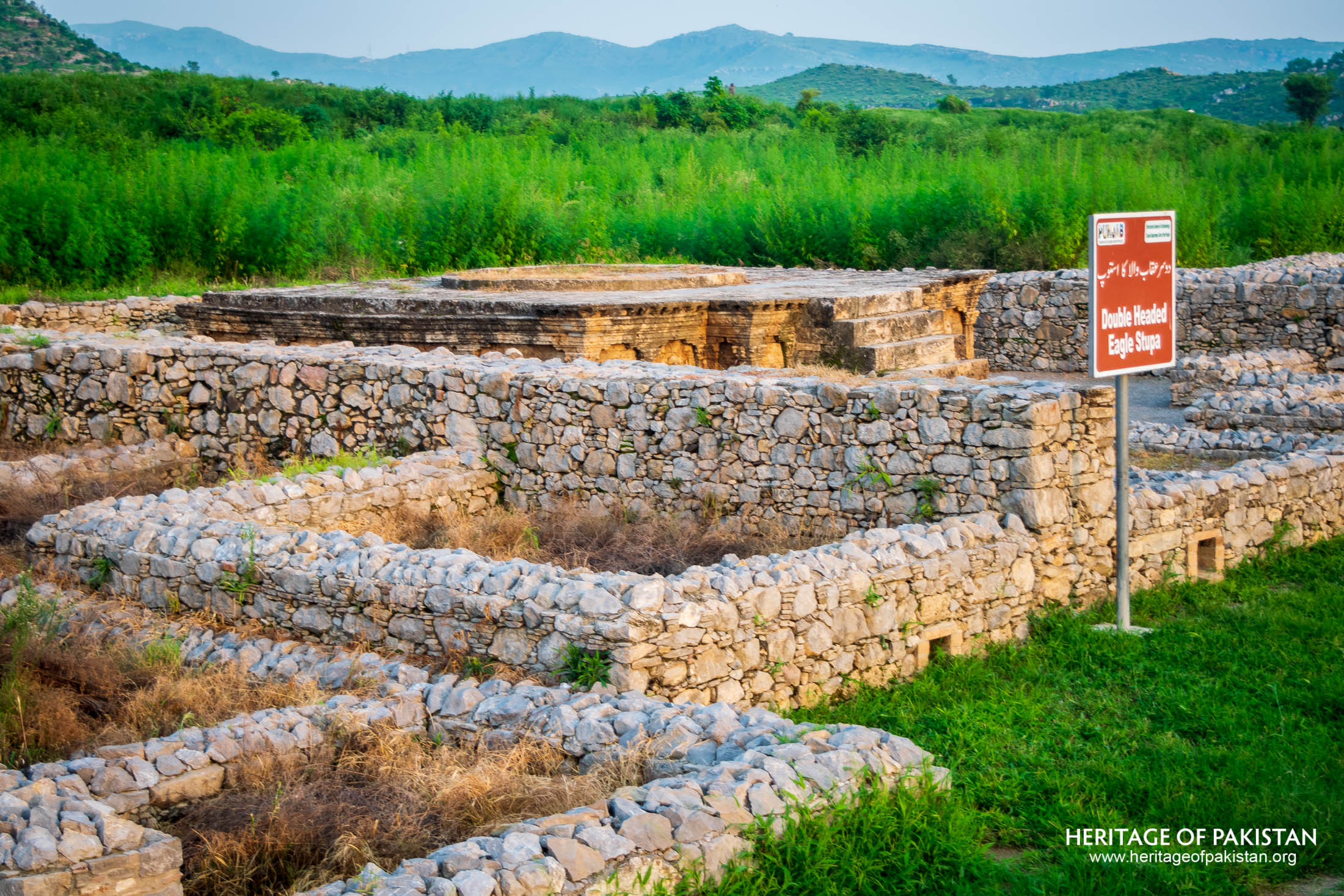
This building dates to the Parthian period and features a base with three arches from three different architectural traditions
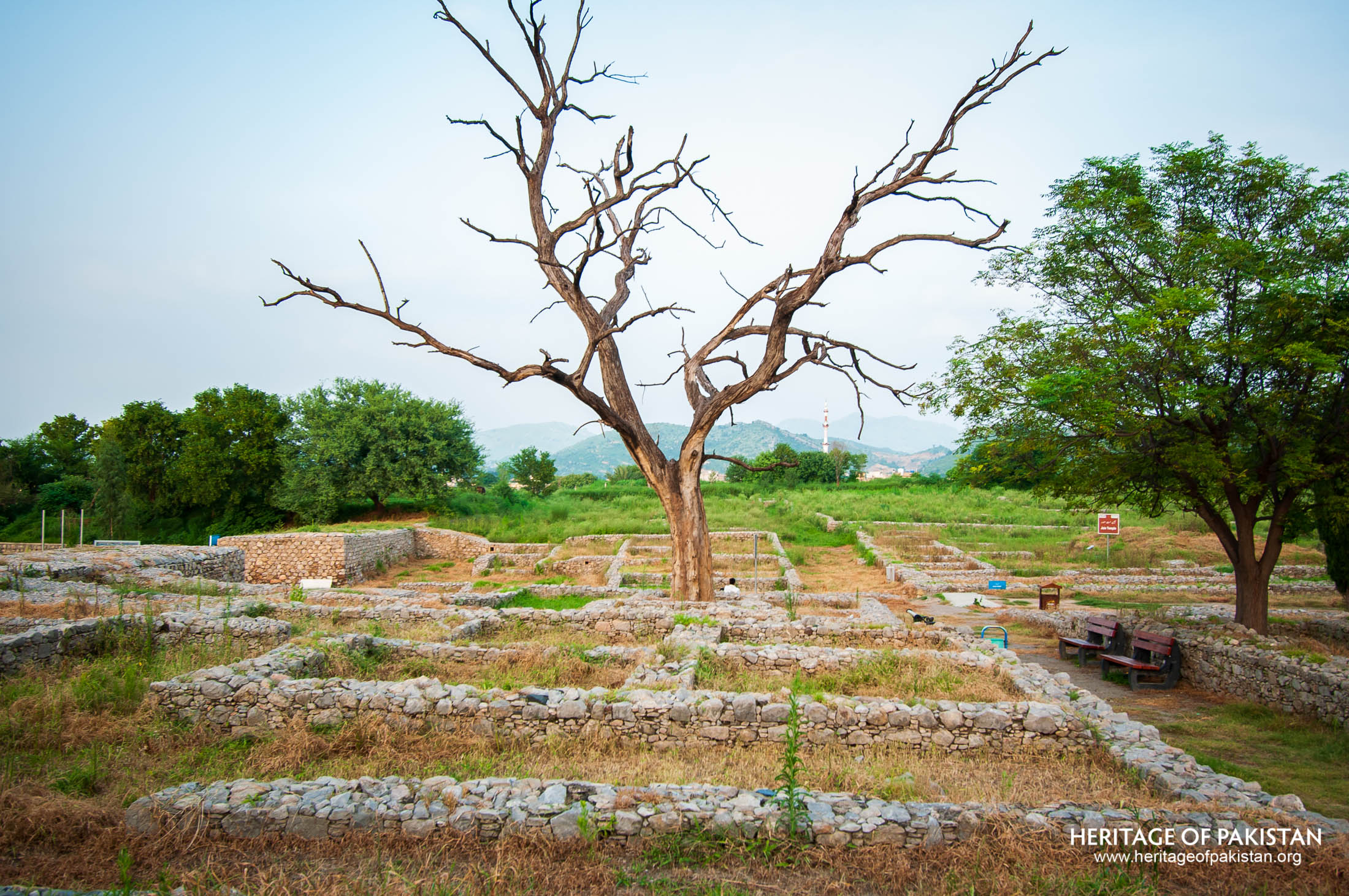
The site was carefully selected by Greek planners, and the city was laid out on the “Hippodamian” grid plan, a hallmark of classical Greek urbanism
Sirkap has been inscribed on the UNESCO World Heritage Sites list and is protected under the Antiquities Act of 1975
