
- Go to Main Article
- prev
- next
Location
-
8M93+98X, Hunza, Hunza Nagar
Download
-
Offline Guide
Table
-
Location8M93+98X, Hunza, Hunza Nagar, 36.31849, 74.65335
Overview

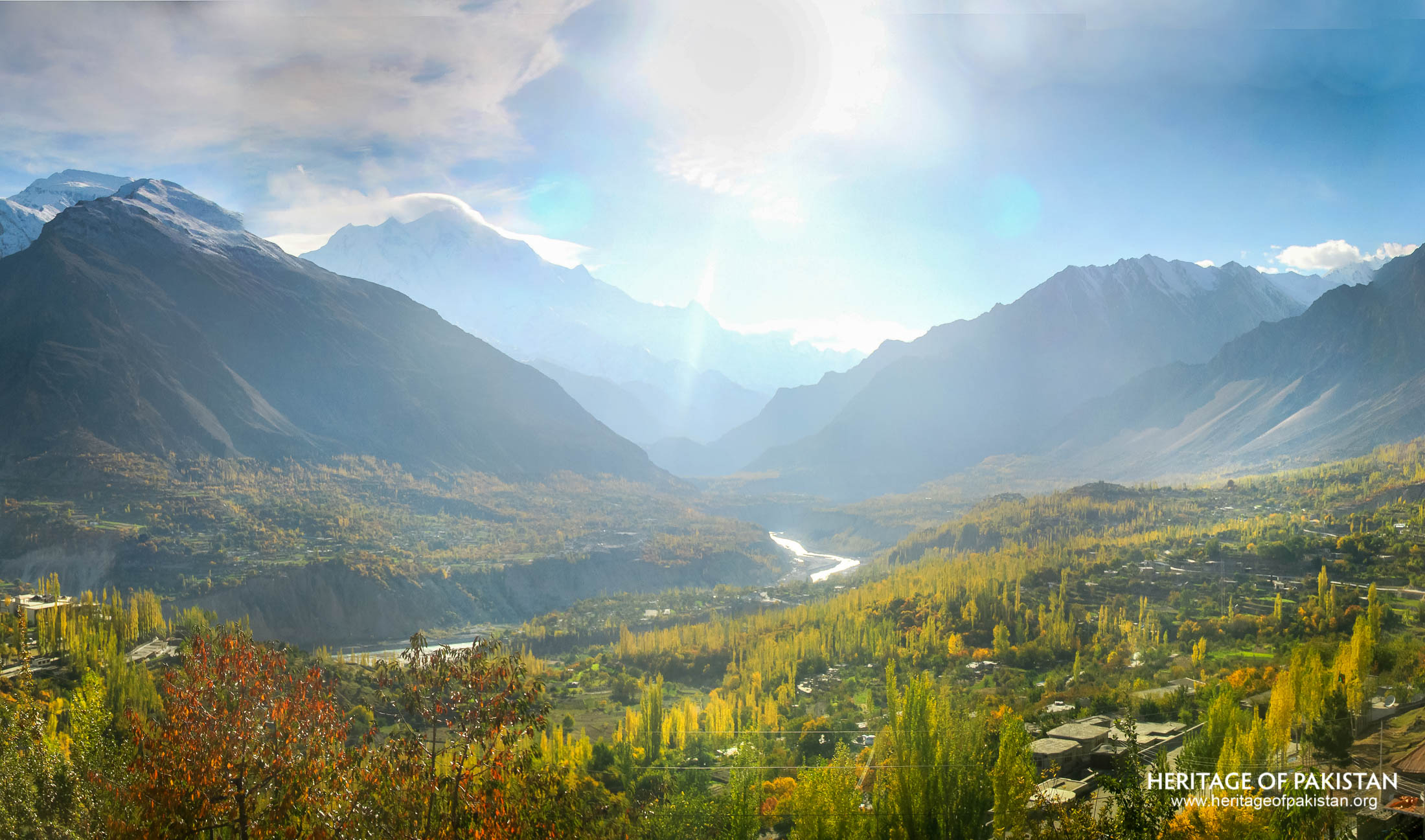
Orchards in Hunza Valley
Hunza Valley is a remote mountain region in the far north of Pakistan, renowned for its dramatic landscapes, ancient forts, and warm, hospitable communities. Nestled in the Karakoram mountain range near the borders of China and Afghanistan, Hunza offers a rare blend of natural beauty and cultural heritage. This travel guide is designed for international visitors who may be unfamiliar with Pakistan or the region—it provides a clear, step-by-step overview of how to get to Hunza, the best time to visit, what to see and do, and how to prepare for the journey.
- Site Name: Hunza Valley
- Province/Region: Gilgit-Baltistan
- Type: Mountains, Valleys, Cultural Landscape, Trekking
- Languages Spoken: Burushaski, Wakhi, Urdu, English (basic)
- Currency: Pakistani Rupee (PKR)
- Safety: Very safe for tourists; local people are hospitable
Experiences
-
Lakes
-
Trekking
-
Winter Sports
-
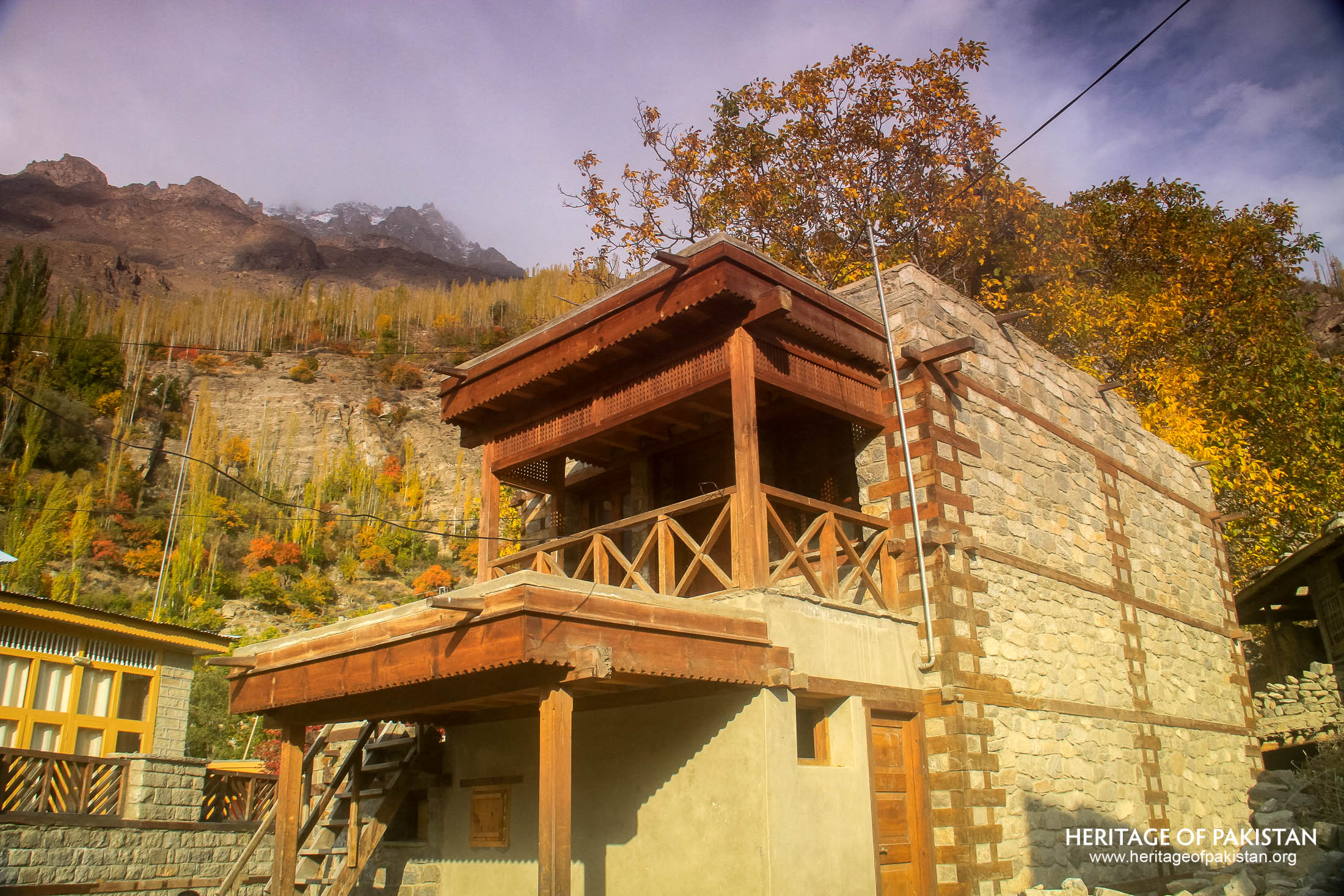
Architecture
-
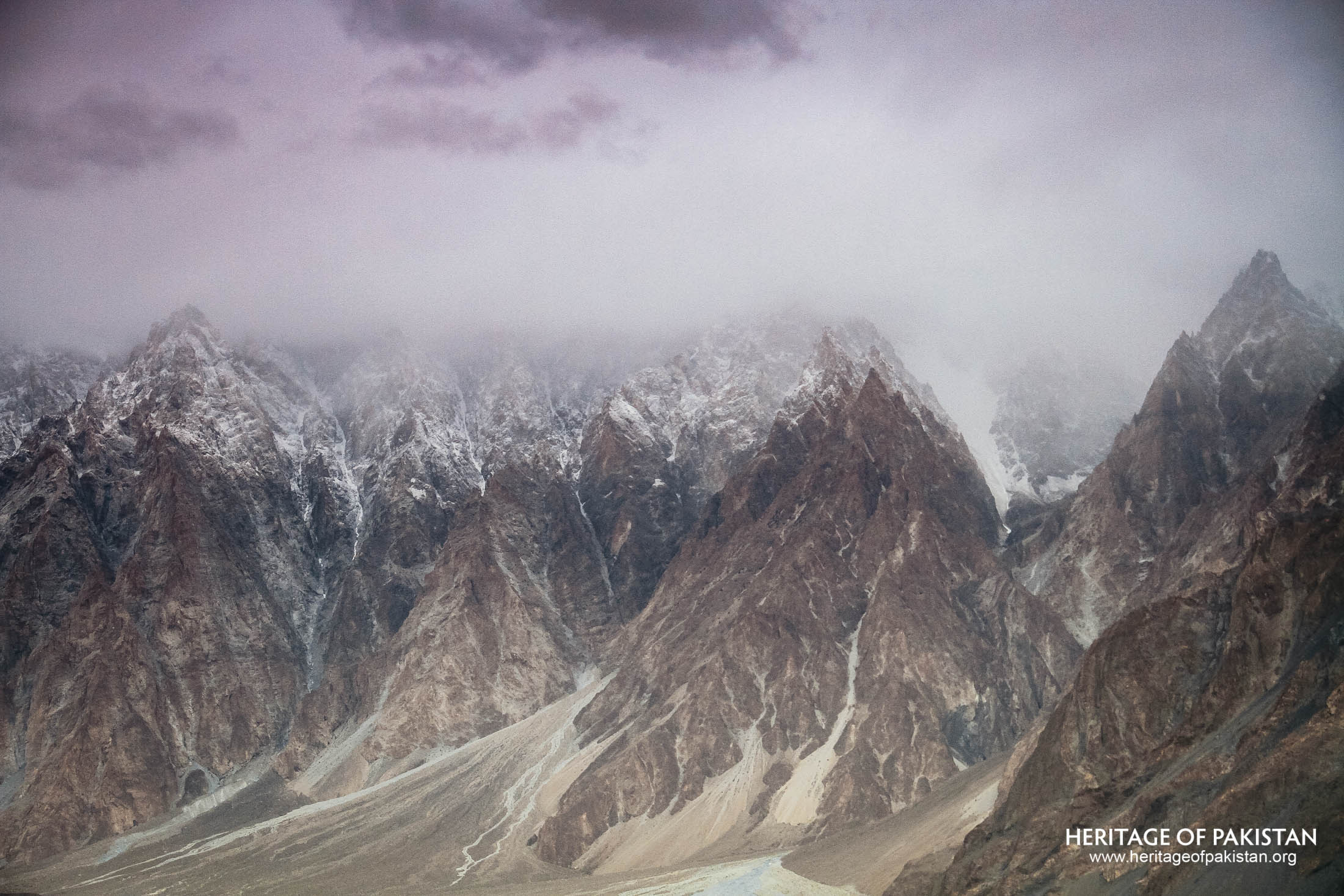
Mountains
How to Reach?
Islamabad → Gilgit → Hunza Valley
4 hr 30 min
Best Route
Islamabad → Naran → Babusar → Chilas → Gilgit → Hunza Valley
16 hr 30 min
Islamabad → Abbottabad → Chilas → Gilgit → Hunza Valley
18 hr 30 min
Islamabad – Gilgit (Flight)
50–60 min
Gilgit – Hunza Valley (Road)
2–3 hrs
Total Time: ~3–4 hrs (incl. airport & transfer)
Flight Duration: Nonstop PIA flight from Islamabad (ISB) to Gilgit (GIL) takes ~50–60 minutes, weather-permitting.
Booking: Reserve on the PIA website/app or through accredited travel agents; seats are limited in peak season.
Timing: Flights usually operate in the morning; arrive at ISB 2 hours before departure. Schedules can change due to weather.
Baggage: Typical allowance ~15–20 kg checked + small cabin bag; verify exact limits during booking.
Post Flight: Hire a private car or shared van/taxi from Gilgit to Hunza (2–3 hrs) via Karakoram Highway; pre-book in high season.
Islamabad → Naran → Babusar → Chilas → Gilgit → Hunza Valley
16 hrs 30 min
(568 km)
Route Overview: Islamabad to Naran leading to Babusar top, Chilas and eventually Gilgit and Hunza | Roughly 600km and takes 16 Hours 30 mins
Road Condition: Fully Paved road throughout | Suitable for Any car including Sedans | Route open May–Oct | Babusar Top closed in Winters (Oct to April) | Avoid route in Monsoon Season July-August as it brings landslides/flash floods
Overnight Stay: Plan overnight stay in Naran or Chilas to break the journey into 2 days | Day 1: Islamabad–Naran (6–8 hrs) | Day 2: Naran–Hunza via Babusar–Chilas–Gilgit (7–9 hrs).
Sites along Route: Abbottabad, Shogran, Kaghan Valley, Naran, Lake Saiful Maluk, Babusar Top, Rakaposhi Point, Naltar Valley
Islamabad → Abbottabad → Besham → Chilas → Gilgit → Hunza Valley
18 hrs 30 min
(655 km)
Via M-15 & N35 Karakoram Highway
Via Hazara Motorway and Karakoram Highway through Besham
Route Overview: Islamabad to Abbottabad via Hazara Motorway, continuing on Karakoram Highway through Besham and Chilas to Gilgit and Hunza | Roughly 655 km and takes about 18 hrs 30 mins.
Road Condition: Fully paved highway throughout | Suitable for any car including sedans | Route open year-round | Landslides possible in monsoon season (July–August).
Overnight Stay: Plan overnight stay in Chilas to split the journey into 2 days | Day 1: Islamabad–Chilas (10–11 hrs) | Day 2: Chilas–Hunza via Gilgit (7–8 hrs).
Sites along Route: Abbottabad, Thakot Bridge, Indus River viewpoints, Dassu, Raikot Bridge, Rakaposhi View Point, Gilgit town.
Islamabad – Gilgit
16–18 hrs
Gilgit – Hunza Valley
2–3 hrs
Total Time: 18–21 hrs
Transport: Daily buses, coasters, and vans operate from Islamabad to Gilgit via Karakoram Highway.
Booking: Tickets available at bus terminals (e.g., NATCO, Faisal Movers) or via online booking platforms.
Timing: Departures mostly in the morning and evening — confirm schedule in advance.
Comfort: Standard and luxury buses available; air-conditioned options recommended for long travel.
From Gilgit: Hire a shared van, bus, or private car for the 2–3 hour trip to Hunza.
Must Visit Attractions
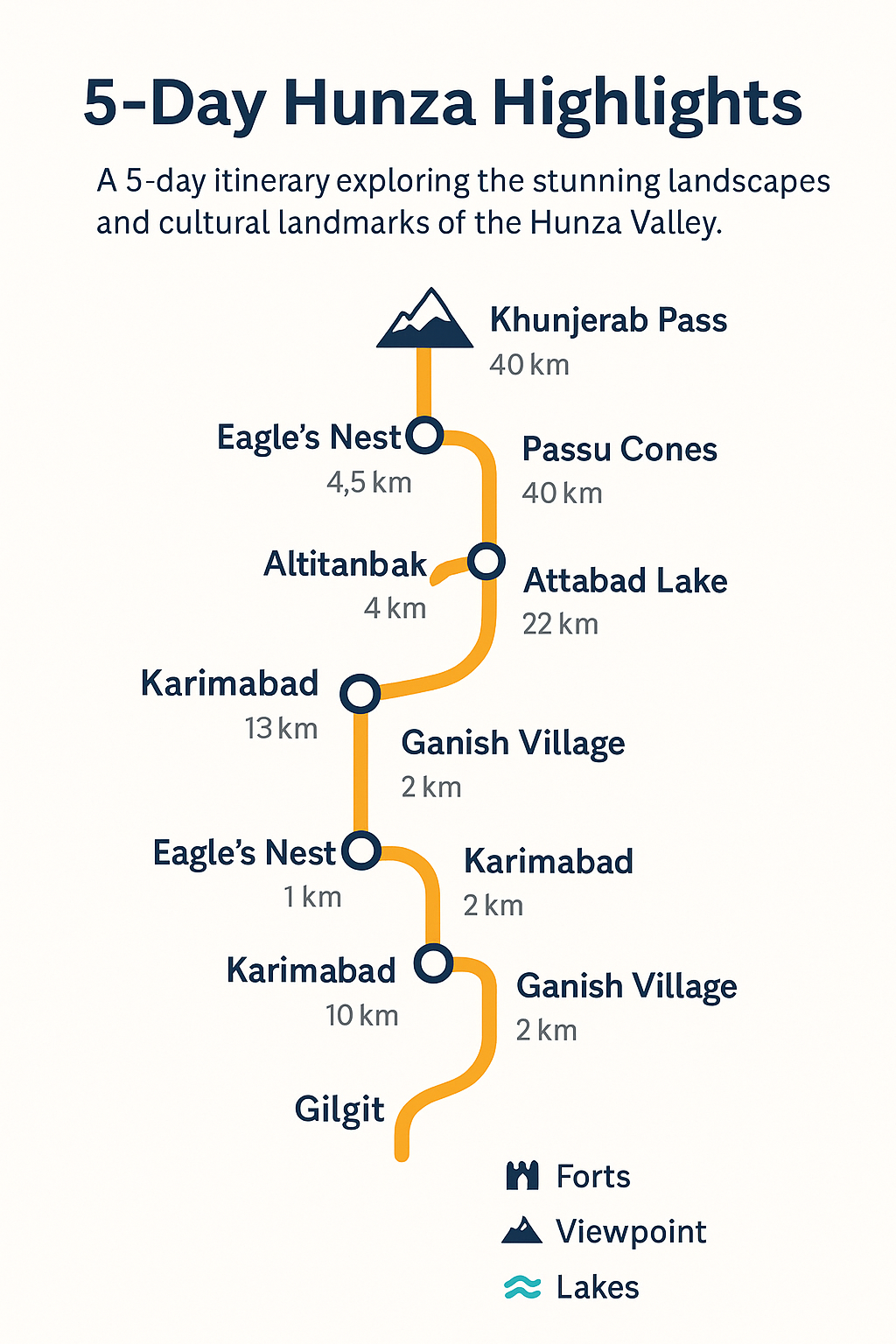
Travel Map
Hunza Valley is a remote mountain region in the far north of Pakistan, renowned for its dramatic landscapes, ancient forts, and warm, hospitable communities. Nestled in the Karakoram mountain range near the borders of China and Afghanistan, Hunza offers
a rare blend of natural beauty and cultural heritage. This travel guide is designed for international visitors who may be unfamiliar with Pakistan or the region—it provides a clear, step-by-step overview of how to get to Hunza, the best time to visit, what to see and do, and how to prepare for the journey.
-
Province: Gilgit-Baltistan
-
Languages Spoken: Burushaski, Wakhi, Urdu, English (basic)
-
Currency: Pakistani Rupee (PKR)
-
Power Supply: 220V, Type C & D plugs
-
Safety: Very safe for tourists; local people are hospitable
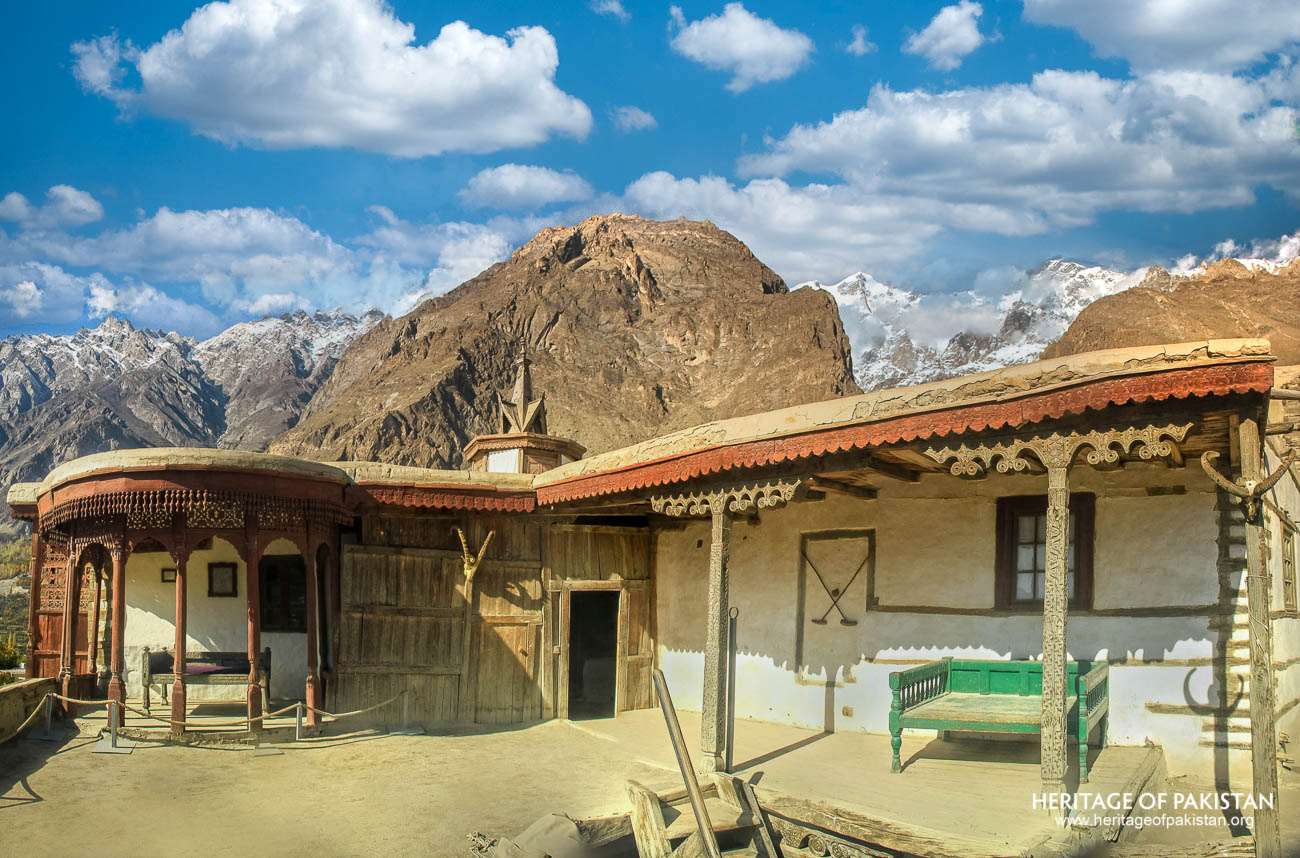
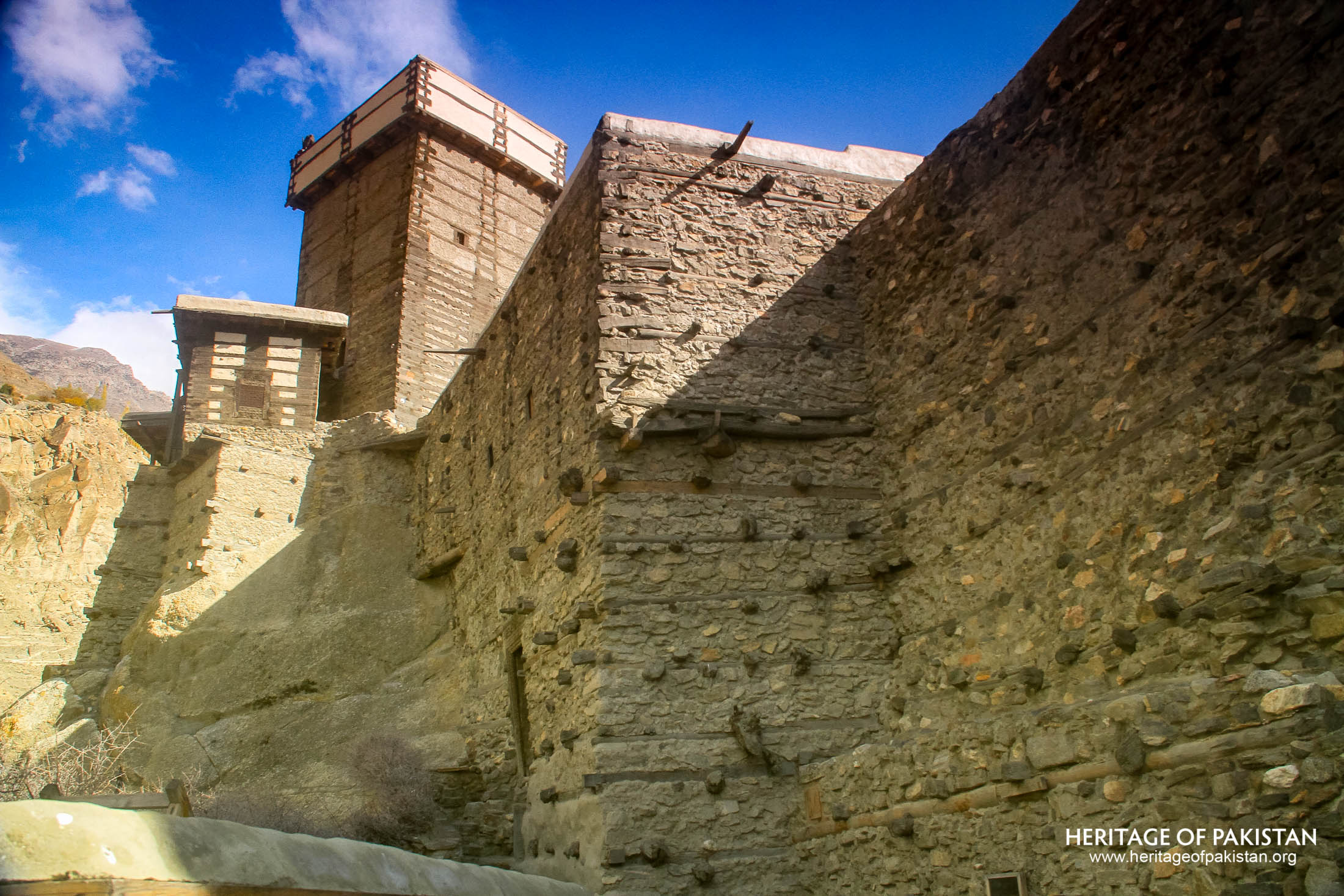
Best Time to Visit
Hunza Valley is best Experienced in
Late March–April (Blossom)
May–June (Summers)
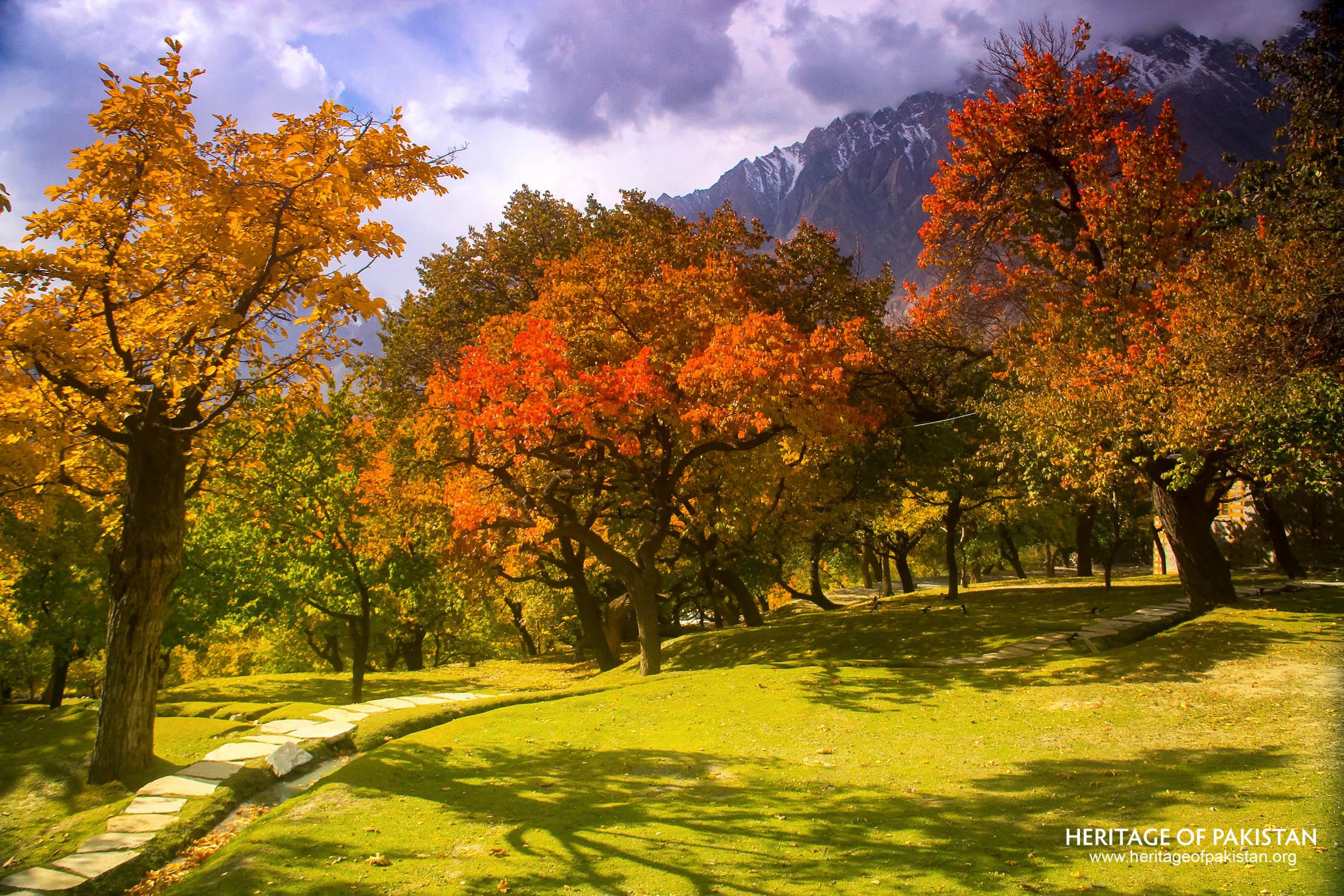
September–October (Autumn colors)
Spring (Mar–May): Blossom season for apricot, cherry, and apple trees; lush green valleys; crisp air; fewer tourists before summer rush.
−10°C to 5°C Insulated jacket, thermals
Summer (Jun–Aug): Best for high-altitude treks (Passu Glacier, Batura, Ultar Meadows); long daylight hours; lush landscapes; warmest temperatures.
~12–28°C Light layers, hat, shades; rain shell
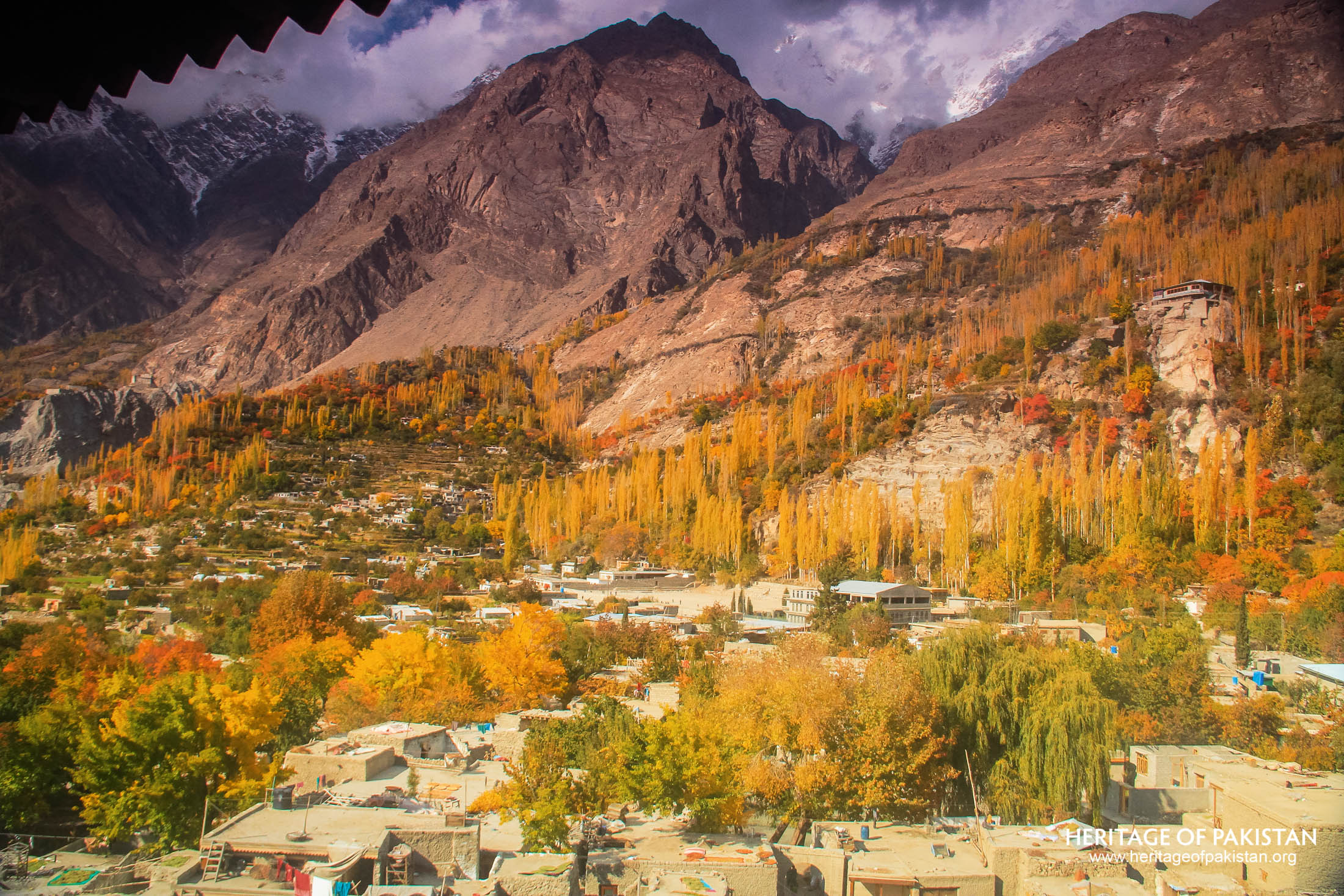
Autumn (Sep–Oct): Golden foliage in Karimabad, Gulmit, and Passu; crystal-clear skies; best time for photography with stable weather.
~5–20°C Base layer, light down
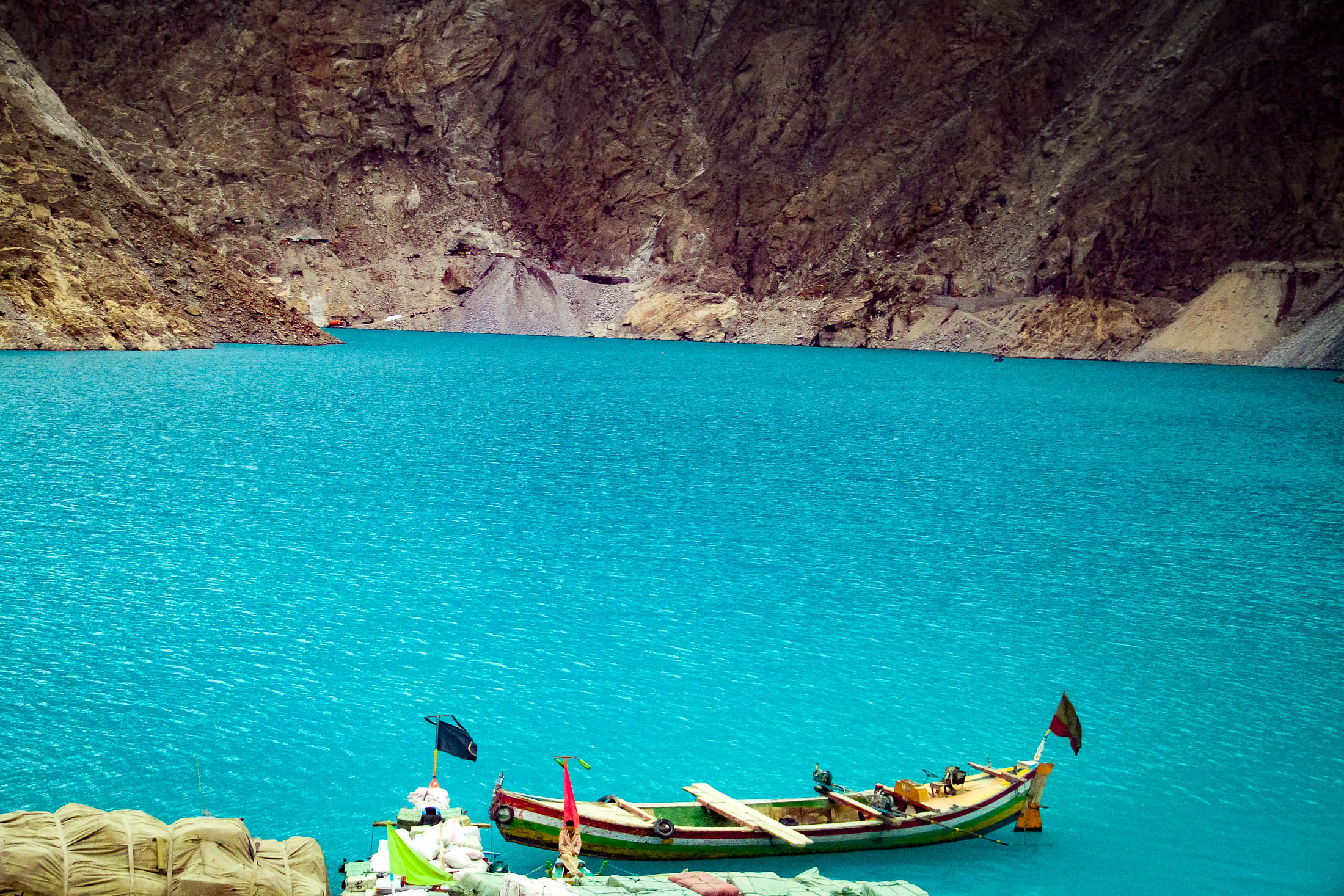
Winter (Nov–Feb): Quiet, snow-covered valleys; cultural immersion with locals; ice and snow photography; potential frozen Attabad Lake.
−10°C to 5°C Insulated jacket, thermals
Safety and Travel Advice
Road Safety — Northern Areas (KKH & Mountain Roads)
Drive in daylight
Pre-trip check: brakes, tyres, spare, jack etc
Rockfall/landslide caution
Daylight Driving: Start at first light; plan town stops before dusk; avoid night driving
Mountain Driving: Use lower gears on descents; horn before blind bends; no overtaking on bridges/solid lines; hire a local driver if unsure
Rockfall and landslides: Watch for warning signs; never stop under cliff faces; expect debris after heavy rain—follow flaggers and proceed slowly
Weather & Seasonal Alerts: Monsoon (Jul–Aug) can trigger slides on lower KKH; winter ice north of Gilgit—add buffer days and check advisories
Fuel, Tyres & Readiness: Top up at Abbottabad, Besham, Chilas, Gilgit; carry cash; keep tyre inflator, warning triangle, tow strap, torch
Natural Hazards Safety — Hunza Valley
Check weather/advisories; confirm road status before travel
Avoid stopping under cliff faces; use safe pull-outs only
Keep distance from rivers/nullahs; never cross active slide or floodwater
Landslides & Rockfall: Do not linger in marked zones; never stop under overhangs; obey flagmen and pass single-file after clearance
Rivers & Flash Floods: Avoid riverbeds and dry creeks; maintain >30 m setback; after heavy rain, water can surge unexpectedly—do not attempt crossings
GLOF Awareness: If water level/color rises suddenly or you hear cracking/roaring upstream, move to higher ground and follow local advisories
Snow, Ice & Avalanches: Avoid travel during/just after snowfall; watch avalanche paths; carry chains in winter and turn back if conditions worsen
Earthquakes: Seismic zone—if shaking starts, pull over away from bridges/cliffs; after shocks, expect rockfall and inspect road surface before proceeding
Accommodation & Camping Safety — Hunza Valley
Book licensed hotels/guesthouses; confirm heating & power backup
Carry CNIC/passport; register all guests; keep copies separate
Camp only in permitted areas; away from rivers & cliff edges
Hotel Selection: Choose licensed stays with recent reviews; check heating, power backup, and emergency exits before confirming
Check-in & Documents: Keep CNIC/passport handy; ensure all guests are entered in the register; store copies and emergency contacts separately
Room Safety: Inspect door/window locks; know the nearest exit route; use safes for valuables or keep them on you overnight
Camping Safety: Select high, flat ground >30 m from rivers; secure tents against wind; store food sealed; follow local permissions and Leave No Trace
Water, Food & Hygiene: Boil/filter water; prefer hot, freshly cooked meals; pack basic first-aid/ORS; bag and carry out all waste
Environment & Heritage — Hunza Valley
Pack in–pack out; never litter—use bins or carry waste out
Respect heritage: no carving, graffiti, climbing, or touching artefacts
Camp responsibly: Leave No Trace; no open fires where prohibited
Waste & Litter: Carry a trash bag; separate recyclables if possible; never leave plastic, food scraps, or tissues—use designated bins or pack out
Heritage & Sacred Sites: Do not deface walls or rock art; no graffiti; stay behind barriers; follow site staff and signage at forts and monuments
Wildlife & Flora: Do not feed animals; keep distance; stay on trails; don’t pick flowers or wood; store food sealed to avoid attracting wildlife
Water Sources: Avoid soaps/chemicals in rivers and lakes; camp >30 m away; use biodegradable soap far from waterways; never dump waste water into streams
Fires & Energy: No open fires in dry/windy conditions or prohibited zones; use stoves; conserve electricity/heating in lodgings; fully extinguish embers
Emergency Contacts — Hunza Valley
Save: Police 15 · Rescue 1122 · NHMP (Motorways) 130
Nearest hospitals in Aliabad & Gilgit; confirm 24/7 ER before travel
Share live location/Plus Code; keep power bank; note km markers
Emergency Numbers: Police 15, Rescue/Ambulance 1122, National Highways & Motorway Police 130; save hotel/driver contacts
Police & Administration: State your name, CNIC/passport, exact location/landmark, direction of travel, and any injuries or hazards
Ambulance & Rescue: Call 1122; describe injuries, number of patients, and access route; send a map pin to responders when possible
Hospitals & Clinics: Head to facilities in Aliabad or Gilgit for emergency care; ask locals/hotel for the nearest operating ER and pharmacy
Sharing Location: Use Google Maps live location or Plus Code; read nearby km markers/bridges; keep your phone charged with a power bank
