
Did You Know?
As per folk tradition Earliest settlers of Hunza valley belonged to the Alexander the Great's army
36°19'08.2"N 74°38'56.9"E
As per folk tradition Earliest settlers of Hunza valley belonged to the Alexander the Great's army
The Best Time to Visit Gilgit Baltistan Region is Summers. Preferably from April to September. Winters are Extremely Cold and Snowfall blocks most of access. Hence Winters are not recommended.


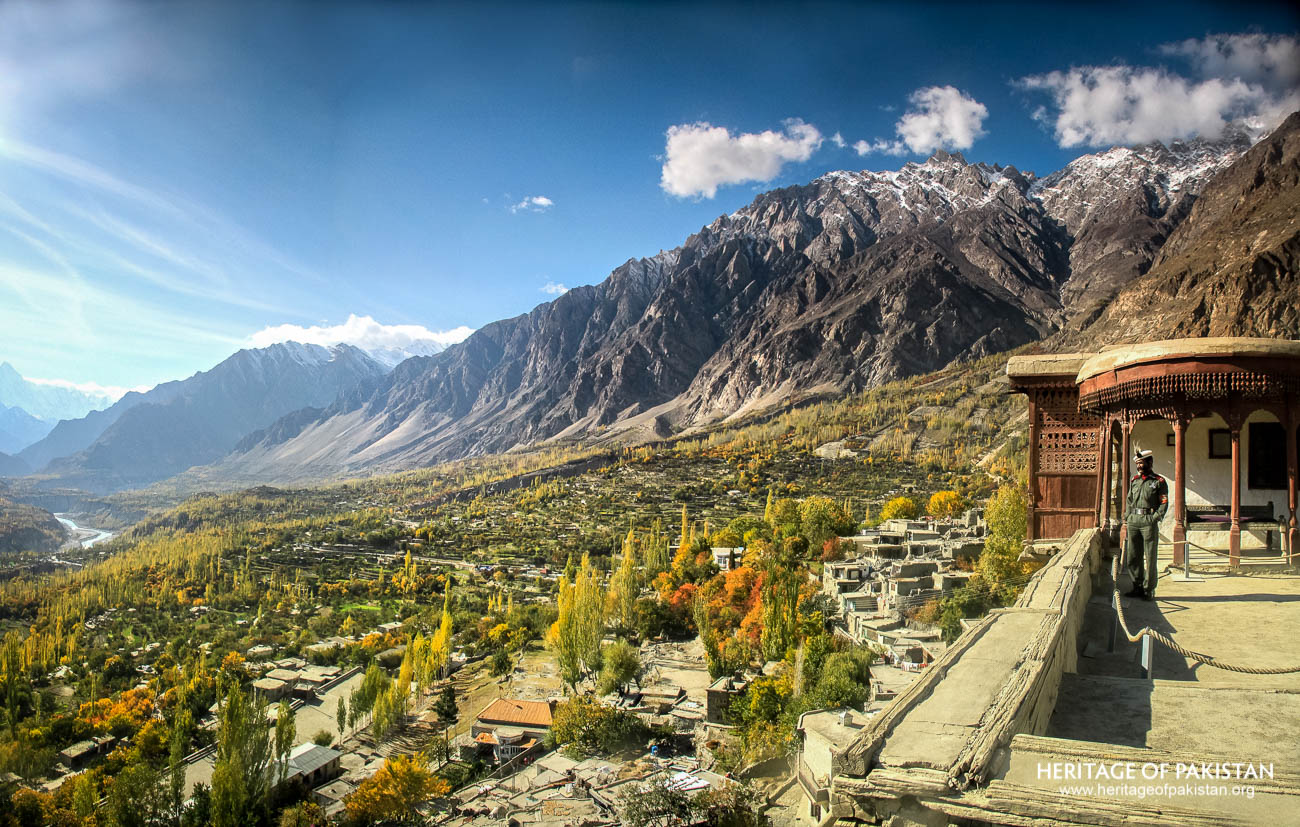
Hunza is a valley and region located in Gilgit-Baltistan, Pakistan, approximately 100 kilometers north of Gilgit. Considered one of the most beautiful areas in the country, it is inhabited by the Hunzai people. The region is administratively designated as the Hunza District, which is divided into the tehsils of Aliabad (Lower Hunza) and Gojal (Upper Hunza). Hunza lies opposite the Nagar region, with the Hunza River serving as a natural boundary between them. The river flows alongside the Karakoram Highway, which enters from the Khunjerab Pass and follows the river to its confluence with the Gilgit River at Dangor. The valley's key settlements include Aliabad, Karimabad, and the ancient village of Ganesh, which has been preserved as a heritage site.
Historically, Hunza was of strategic importance due to its location between Central Asia and the Indian subcontinent. The state controlled major trade routes and was often wealthier than neighboring Nagar. The former rulers of Hunza resided in two main forts, Altit and Baltit, located on either side of the Ultar Nala. The forts were constructed at elevated positions—Altit near the right bank of the Hunza River and Baltit at the base of the Ultar Glacier—offering both protection and dominance over surrounding lands. Between these forts lies the town of Karimabad. The British historically referred to the inhabitants as “Kanjut,” a term whose origin is unclear, though references appear in inscriptions such as those on the Hatun Rock near Gilgit.
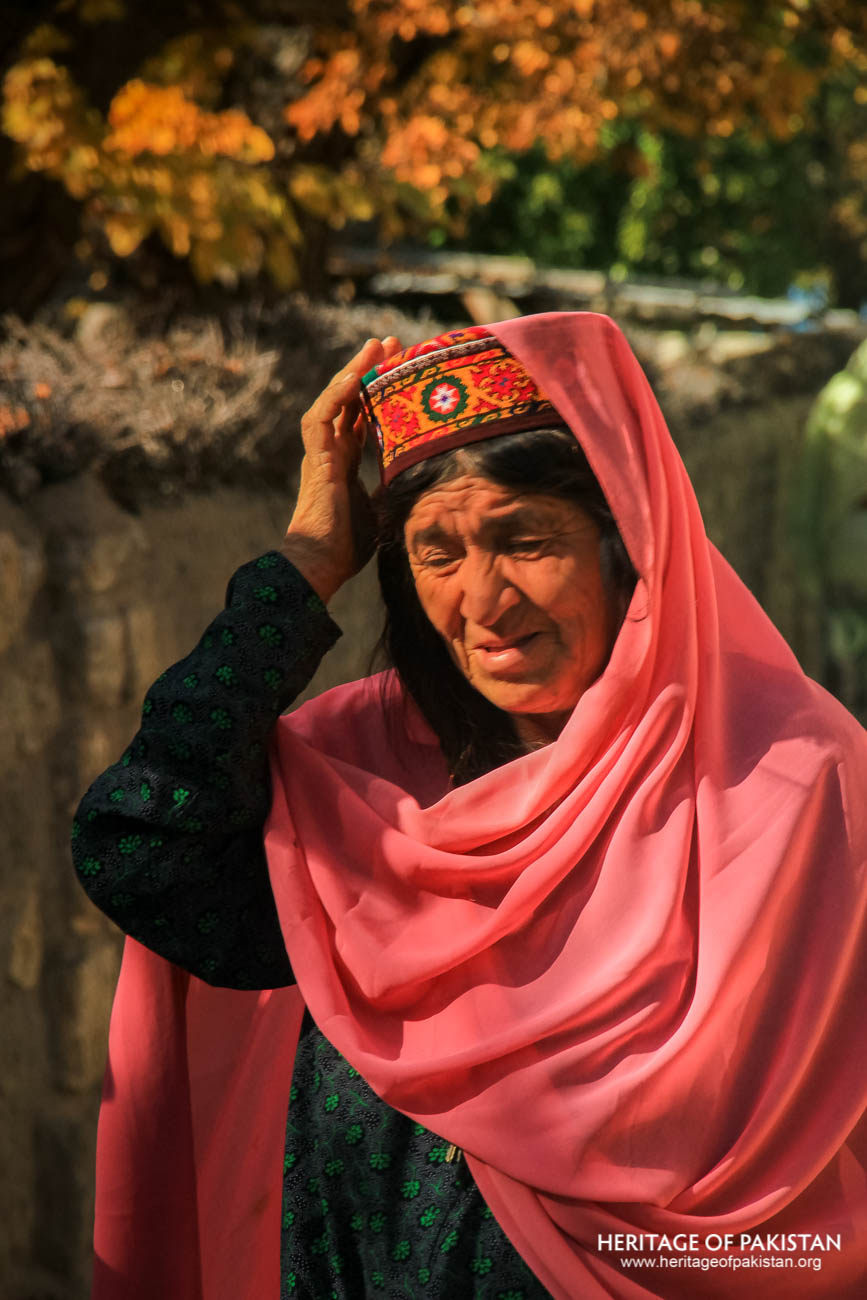
The region is linguistically diverse. In Lower Hunza, the dominant language is Burushaski, a language isolate with no known relatives, also spoken in Nagar, Yasin, and parts of Gilgit. Upper Hunza, or Gojal, is inhabited by people of Wakhi descent who speak Wakhi, a member of the Eastern Iranian language family. Another minority language is Domaaki, an Indo-Aryan language with strong Burushaski and Shina influence, spoken by a small population of approximately 500 families in Hunza and Gilgit. Domaaki is considered endangered. These classifications are linguistic and not ethnic or political. Ancient rock carvings can be found in the region, notably at the Sacred Rock of Hunza in Ganesh Village.
Hunza’s history extends into antiquity. Between the 1st and 3rd centuries AD, the region was under the control of the Kushan Empire, which expanded its influence under Emperor Vima Kadphises, the successor of Kujula Kadphises. Inscriptions referencing Kushan rulers, including Emperor Kanishka, have been found at Chilas and on the Sacred Rock of Hunza. The Kushan period was followed by the rule of the Little Kushans or Kedar Kushans. In the 5th and 6th centuries, the area was overrun by the White Huns. It is noted by A.H. Dani that the name “Hunza” bears no relation to the Huns.
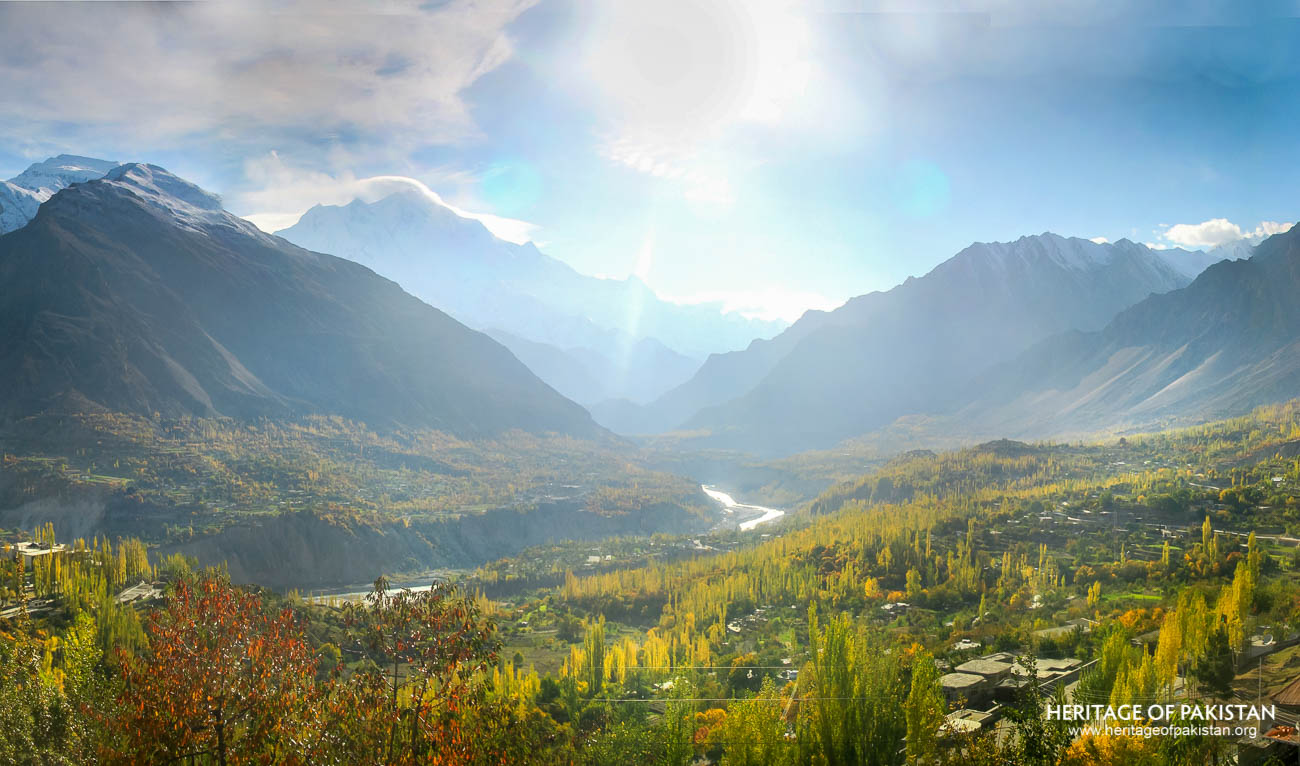
Local oral tradition connects the ancestry of the Hunzai people to four soldiers from the army of Alexander the Great who remained in the valley. A central figure in this tradition is Mughal Titam, believed to have settled in Hunza as a refugee from Tartaristan or Bactria. Injured during his journey, he was cared for by four companions—Safar, Shaano, Mamoo, and Fulolo—who stayed behind with him. After recovery, they made the valley irrigable and habitable. Mughal Titam's son, Mughal Diram, established the Diram Harai, a prominent tribal group that dominated early Hunza but remained under the suzerainty of the Shah Raees family of Gilgit. Each of the four companions also had descendants who formed distinct clans: Safar Harai, Barataling, Khurukutz, and the Fullolokutz of Ganesh, the latter retaining ceremonial significance in local traditions.
The next major figure was Shiri Badat, a mythical ruler said to be of fairy descent. He first appeared in Nomal and rose to power by assassinating the Shah Raees of Gilgit after being accused of stealing horse fodder. Initially a reformer, Shiri Badat soon became a tyrant, instituting a practice of child sacrifice. Relief came in the form of Azur Jamshed, an exiled Iranian prince who arrived through Skardu, married Shiri Badat’s daughter Noor Bakht in secret, and led a rebellion that ended the tyrant’s rule. Azur Jamshed’s son, Sue Malik, succeeded him as ruler of Gilgit and Hunza, and was followed by Mir Malik and then Shah Malik, whose folkloric descriptions include supernatural features such as golden horns and donkey-like feet.
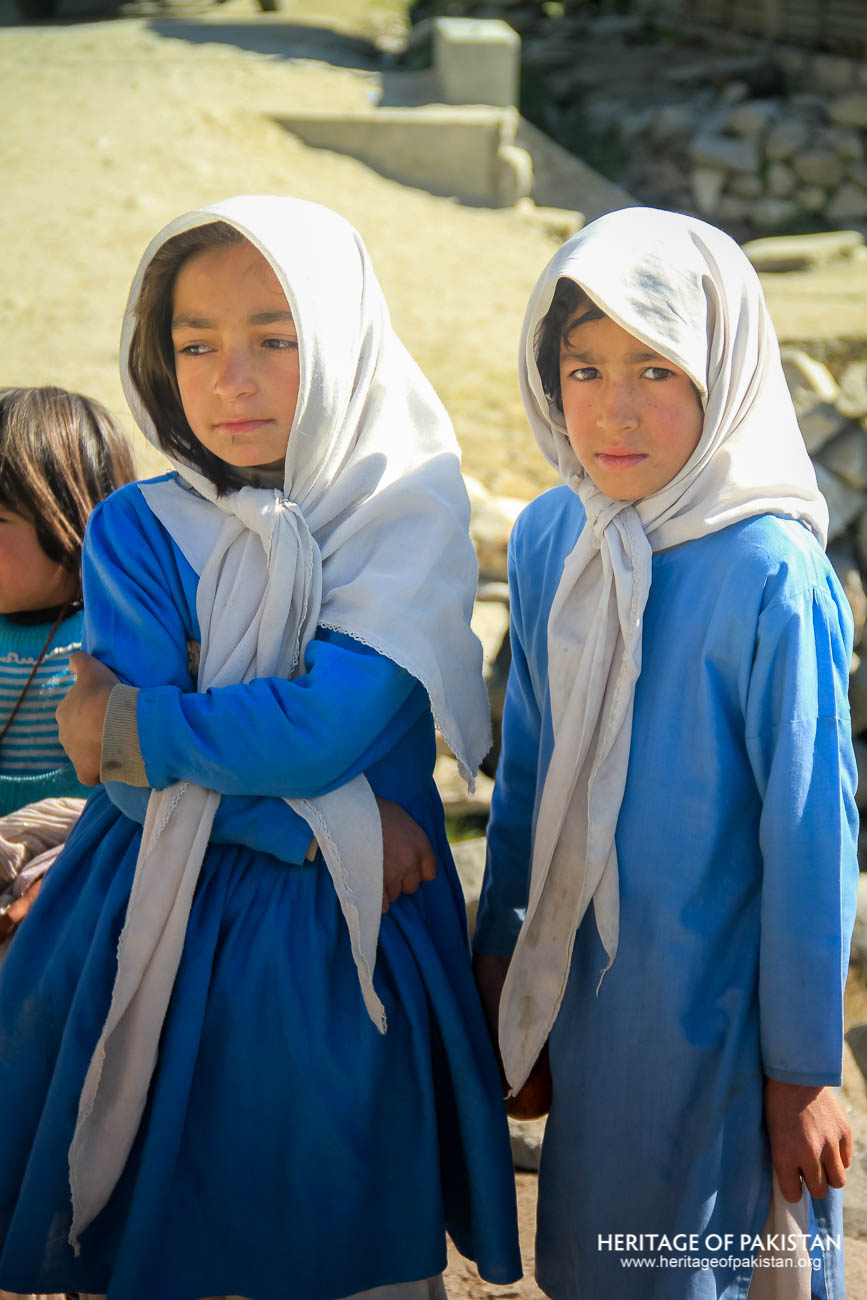
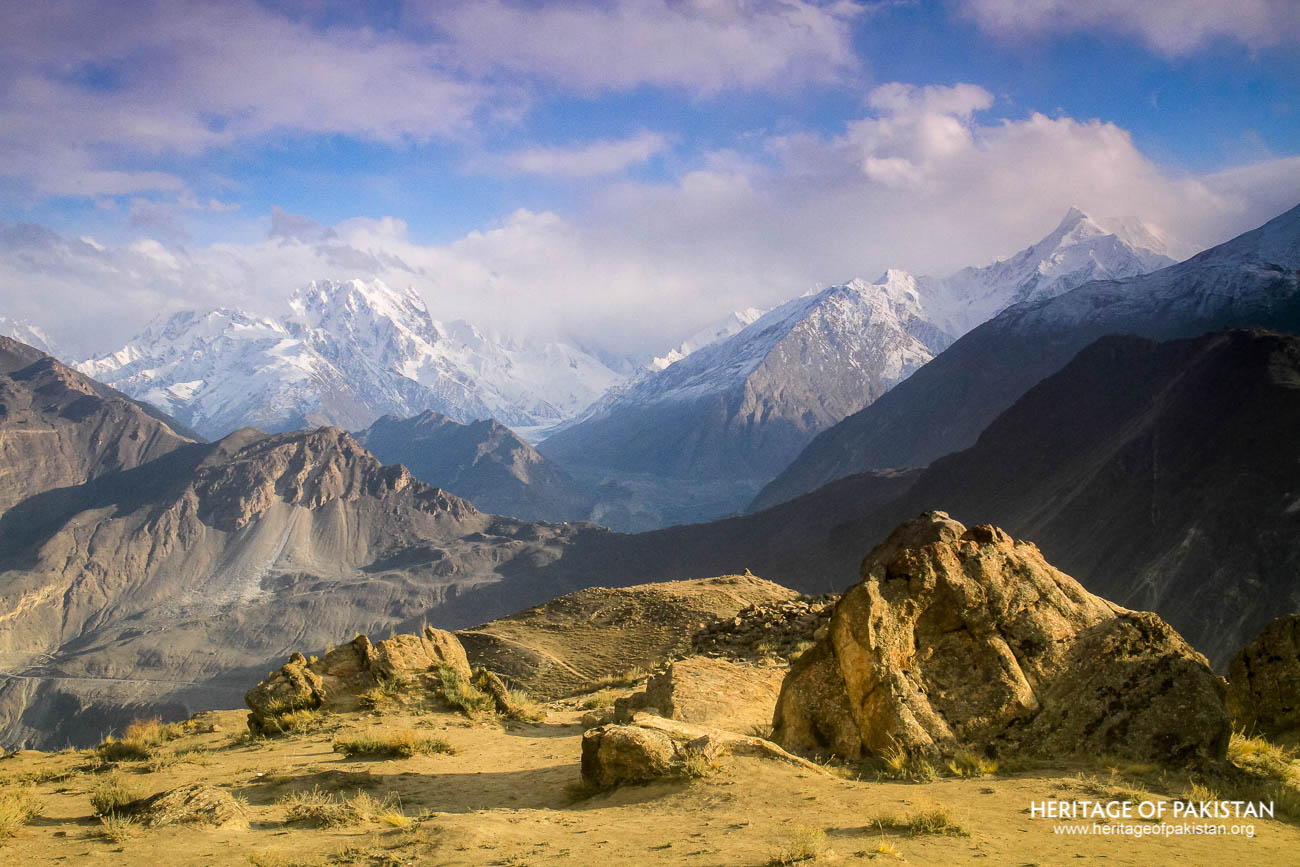
The weakened descendants of Shah Malik were eventually overthrown by Lama Yol Kesar, also called Kisar, a legendary hero believed to have had supernatural origins. He arrived in Altit and displaced the ruling family. Laali Thum, a member of this lineage, fled to Gilgit and married the sister of Raja Chilis Khan and Tarrah Khan. They had twin sons, Girkiss and Mughulot, who were raised separately to avoid rivalry. Upon reaching adulthood, the territory was divided through a symbolic arrow ritual: Girkiss received Hunza, and Mughulot received Nagar. Thus, Girkiss became the founder of the Hunza ruling line, and Mughulot the progenitor of the Nagar dynasty.
The early phase of the Ayash family in Hunza begins with Girkiss. He ruled Hunza while his brother Mughulot governed Nagar. Tensions existed between them, and Girkiss was eventually assassinated during a hunting expedition by Mughal Beg, a minister of Mughulot. With no male heirs, Girkiss’s daughter, Noor Bibi, assumed leadership of Hunza. Later, Shah Khan, a noble from Darwaz, was invited to the valley and given the title "Ayasho," meaning "descended from the heavens." His arrival marked the beginning of the Ayasho Dynasty, with Shah Khan as Ayasho I. He died a year later, succeeded by his son Mayuri Thum. The dynasty continued to rule until the princely state was abolished in 1974.
During the reign of Ayasho II, significant cultural and architectural changes occurred. He married Shah Khatoon, the daughter of Abdal Khan of Baltistan. As part of the dowry, Abdal Khan gifted a firearm dated AH 946 (AD 1539) and sent artisans who constructed the Altit and Baltit Forts, including Bibi Ghoras Mosque and a defensive tower dated AH 955 (AD 1548). During Ayasho II's reign, Hunza converted from idol worship to Shia Islam. The people formerly revered a deity known as Boyo in the Burushaski language.
A profound religious transformation occurred in 1838 when the people of Hunza converted from Twelver (Isna-Ashari) Shia Islam to Ismaili Islam. This transition was influenced by Ismaili missionaries from Badakhshan and Central Asia. Around 1841–42, Raja Karim Khan of Gilgit sought support from Maharaja Ranjit Singh of Lahore, leading to a Sikh invasion of Hunza under Shamah Singh. In 1842, Maharaja Ghulab Singh began his rule over Gilgit. By 1847, the boundary between Hunza and Gilgit was demarcated under the supervision of Colonel Nathi Shah and Raja Karim Khan.
Ghazan Khan II became ruler of Hunza in 1863 and married Rani Jaan Begum, daughter of Mir Mahabat Khan of Nagar. This alliance aimed to ease tensions between the two valleys but failed to eliminate their deep-rooted animosity. In 1890, British influence expanded in the region under the Gilgit administration. A year later, in 1891, Colonel Durand led a British military expedition known as the Hunza-Nagar Campaign. The forts at Nilt and Mayun were bombarded and captured. Mir Ghazan Khan II fled to Yarkand with his Wazir Dado Beg. In his absence, the British appointed his son, Nazim Khan, as the new Mir of Hunza under their control. This marked the end of Hunza’s political independence and brought the Ayasho Dynasty under the authority of the British Gilgit Agency. Despite the loss of sovereignty, the Ayasho family continued as tributary rulers until the state was formally abolished in 1974.

Hunza Valley in Gilgit-Baltistan is not only known for its dramatic landscapes but also for its remarkable architectural heritage. The region’s two iconic structures—Baltit Fort and Altit Fort—reflect a fusion of local building traditions with Tibetan and Balti influences, shaped by the valley's strategic and cultural connections.
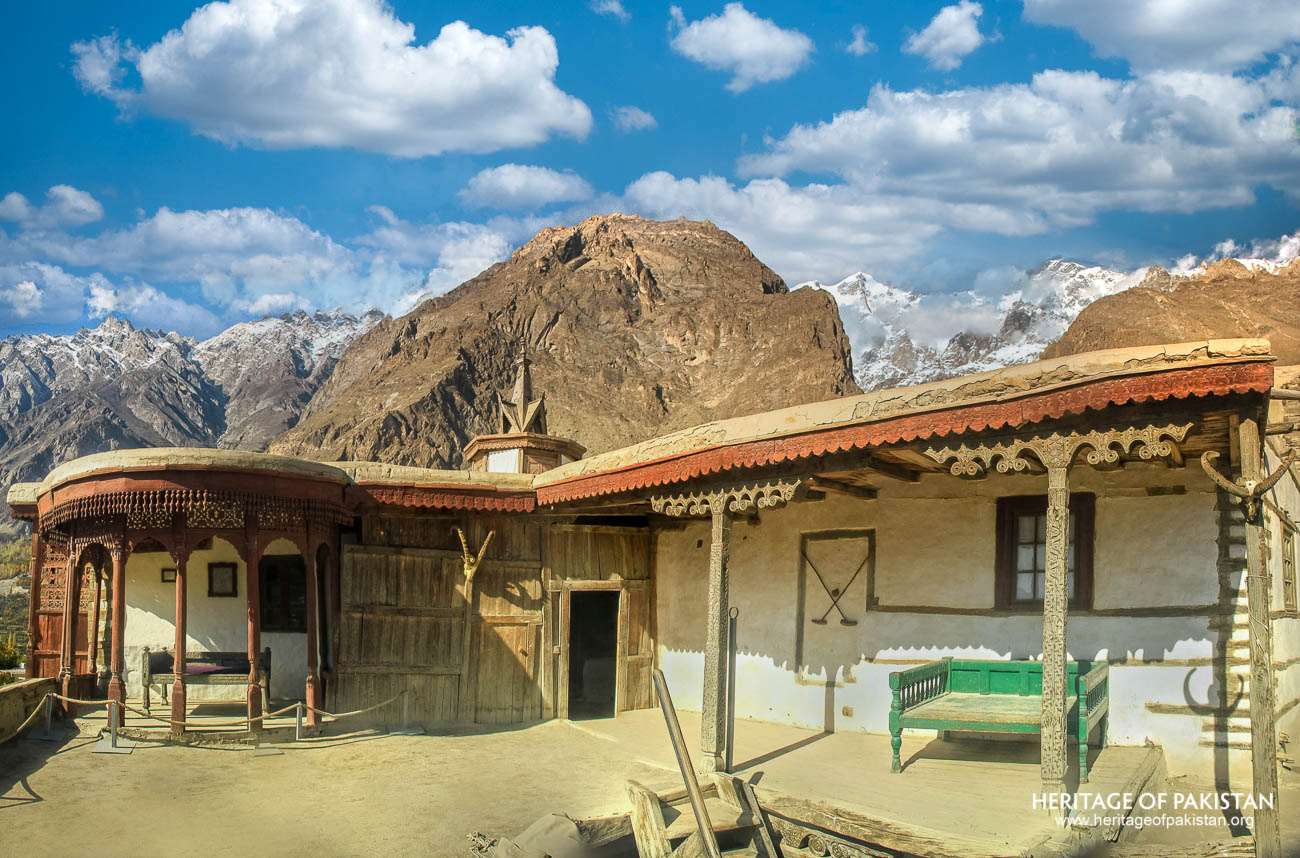
Altit Fort, perched on a rock along the Hunza River, is one of the oldest forts in the region. Built using the traditional cator and cribbage technique—interlocking stone and wood bound by mud mortar—it offers seismic resilience and aesthetic distinction. Its carved wooden doors and structural simplicity speak to local craftsmanship. Inside, the fort has four levels, including living quarters, a guards’ watchtower, and the Bibi Ghoras Mosque. A distinctive feature is the absence of marble, despite its availability, as noted by Ahmed Hassan Dani.
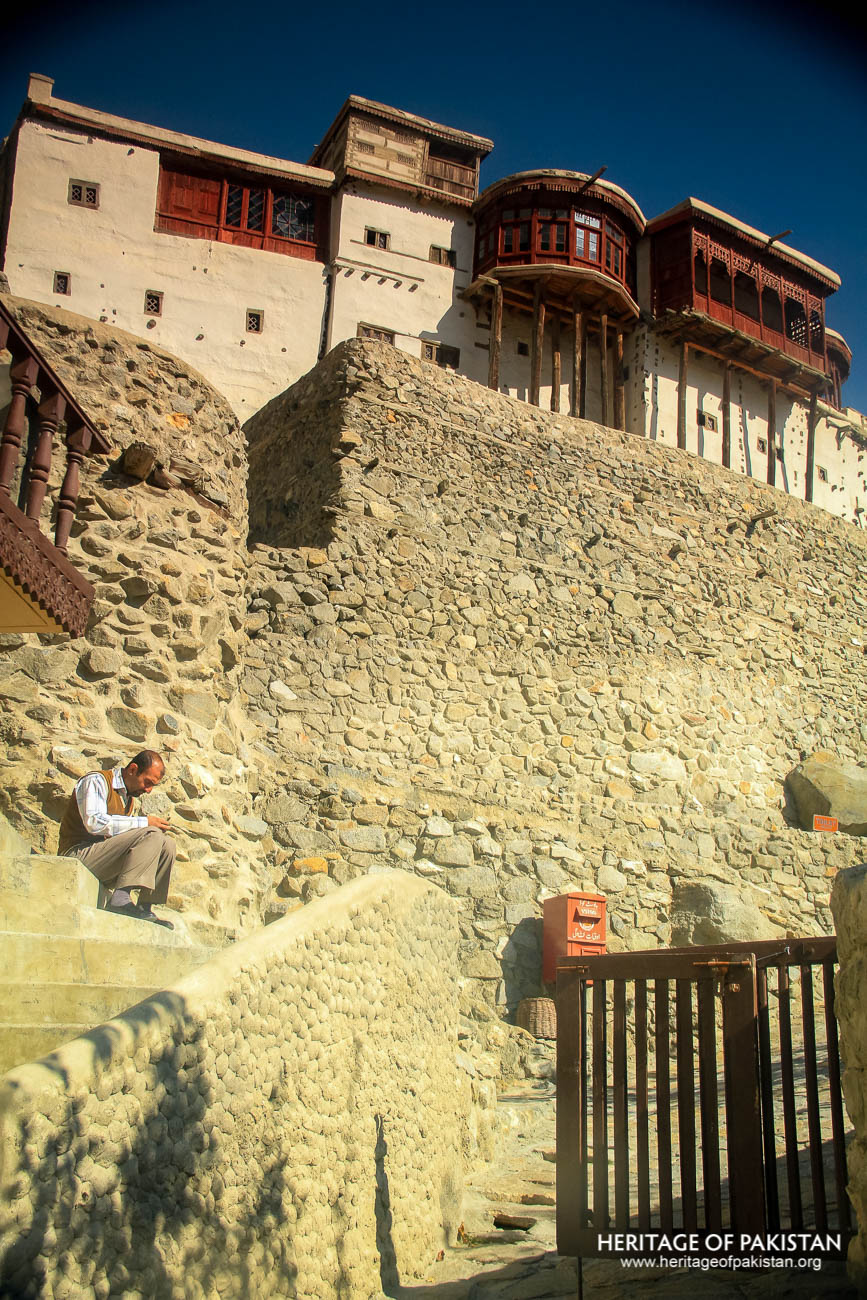
Baltit Fort, located above Karimabad, was constructed around 700 years ago and later rebuilt by Balti artisans brought by Shah Khatoon, a princess from Baltistan. The fort showcases Tibetan-style jharokas, carved balconies, and column-supported halls. Over time, it evolved from a defensive structure into a royal residence. In the 20th century, British colonial features were added to its upper floor. Abandoned in 1945, it was restored by the Agha Khan Trust between 1991 and 1996 and is now on UNESCO’s tentative list.
Together, Baltit and Altit Forts embody Hunza’s architectural legacy—earthquake-resistant, strategically placed, and deeply tied to the valley’s history and identity.
Travel Routes: Blossom season for apricot, cherry, and apple trees; lush green valleys; crisp air; fewer tourists before summer rush.
Must Visit Attractions: Best for high-altitude treks (Passu Glacier, Batura, Ultar Meadows); long daylight hours; lush landscapes; warmest temperatures.
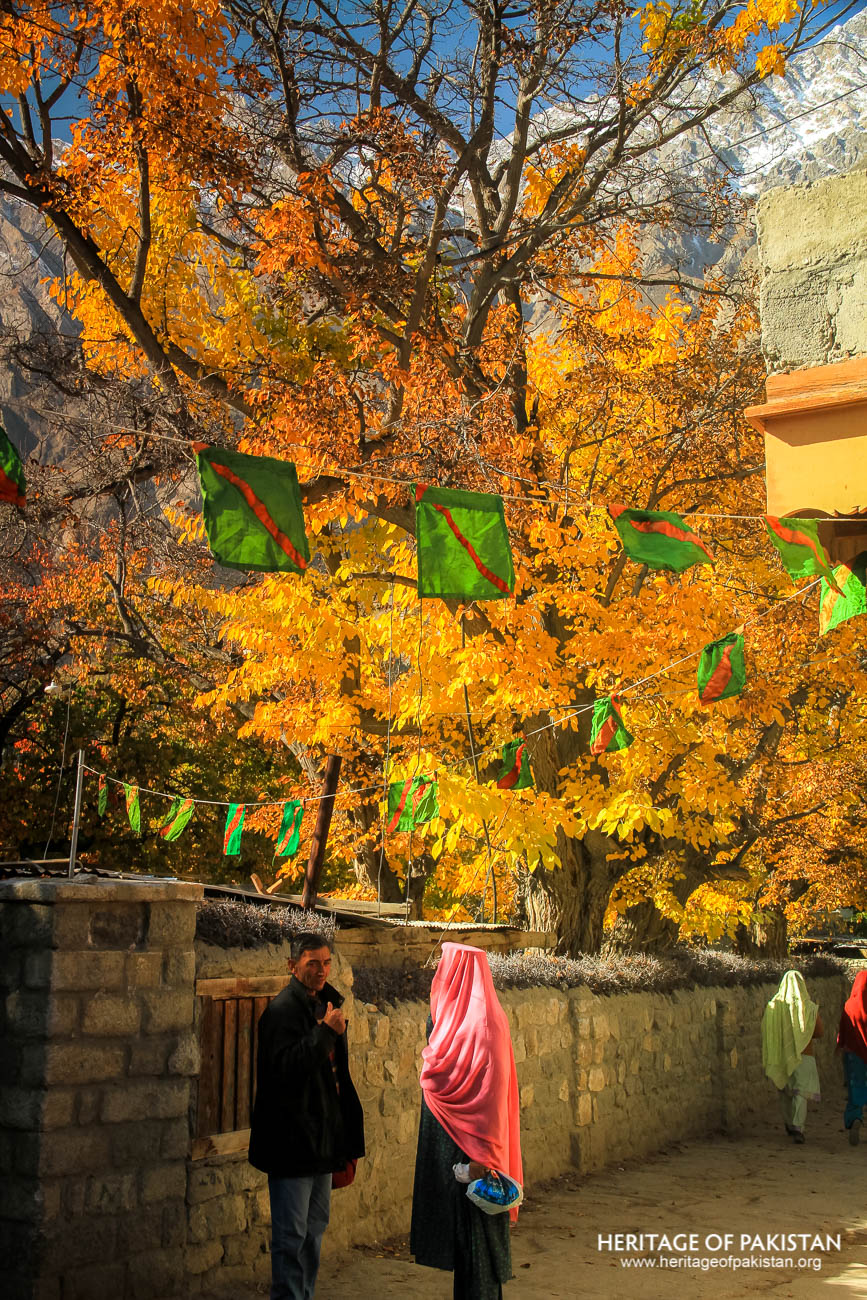
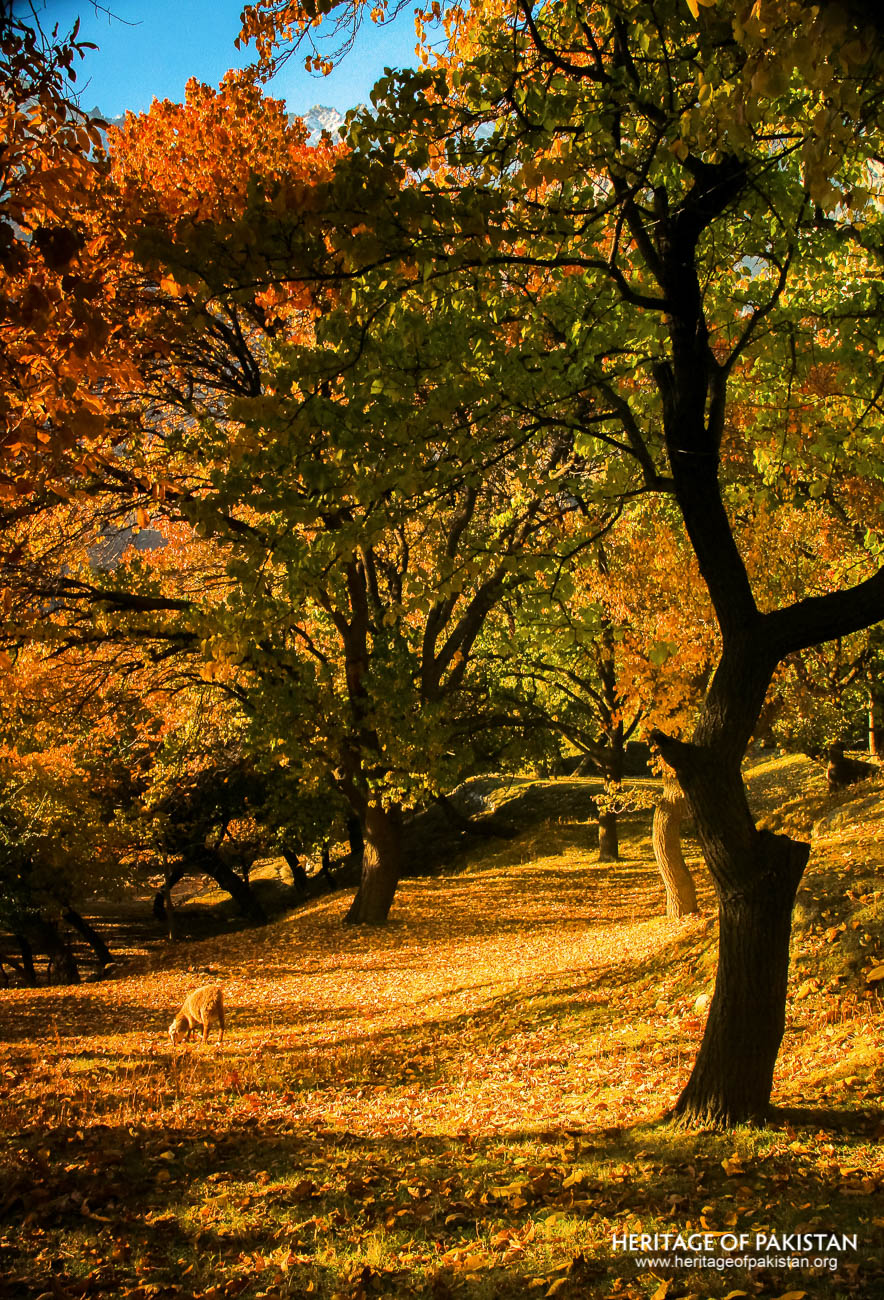
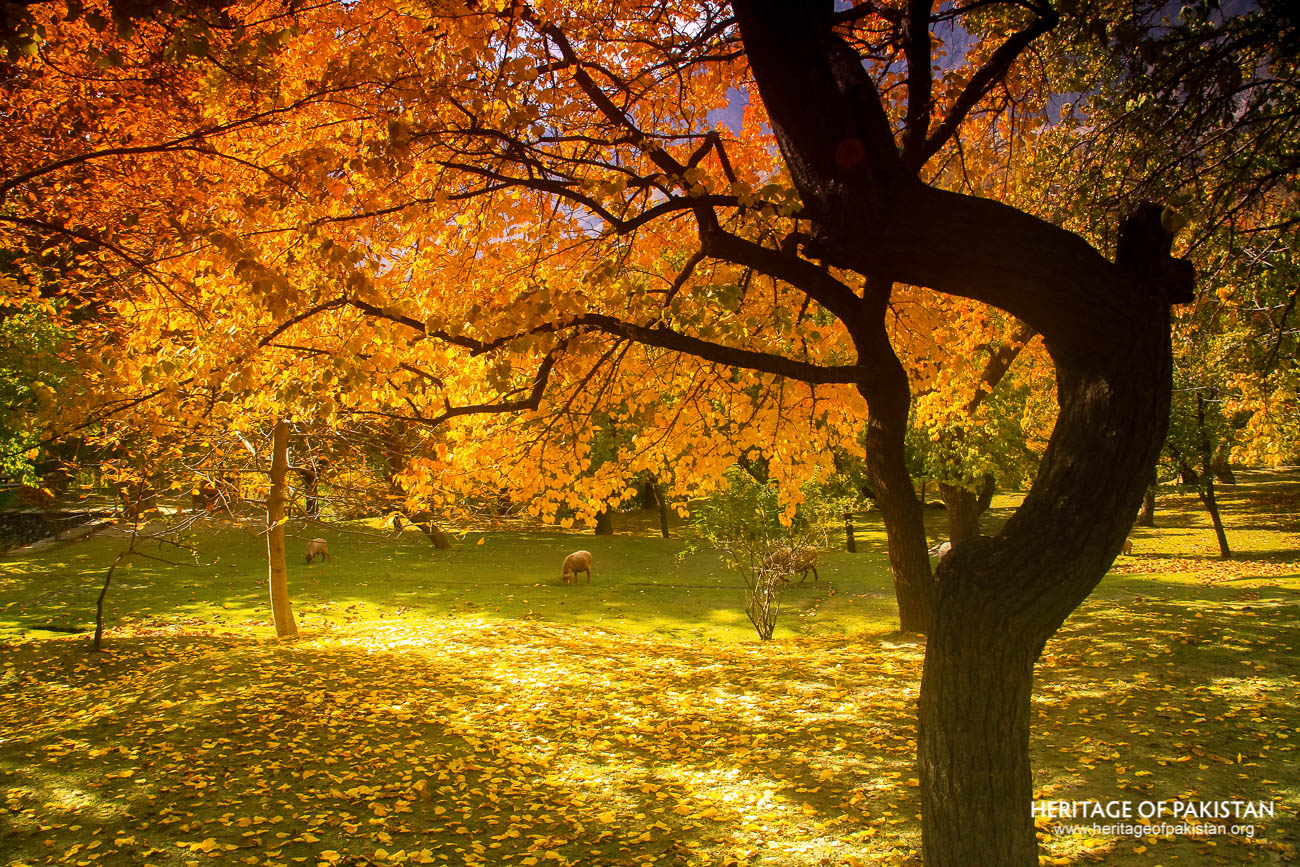
Best time to Visit Golden foliage in Karimabad, Gulmit, and Passu; crystal-clear skies; best time for photography with stable weather.
Safety Guidelines: Quiet, snow-covered valleys; cultural immersion with locals; ice and snow photography; potential frozen Attabad Lake.
All Photographs by Syed Noor Hussain and Sania Azhar.
All Rights Reserved. Photos may be used for Non-Commercial, Educational, Artistic, Research, Non-Profit & Academic purposes.
Commercial uses require licensing agreement.

Add a review