
Textarea
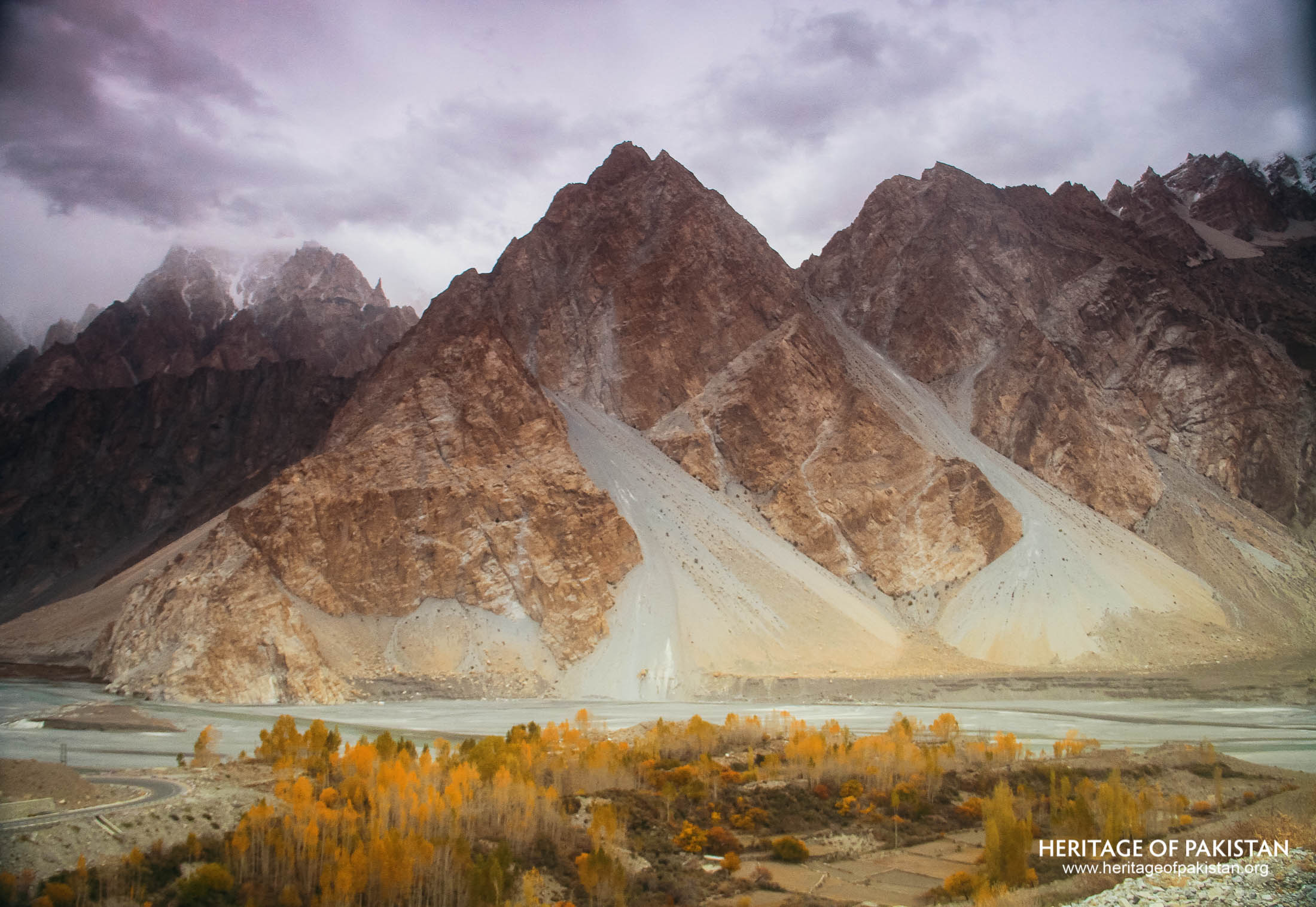
Passu is a small village located in the Upper Hunza or Gojal region of Gilgit-Baltistan, Pakistan.
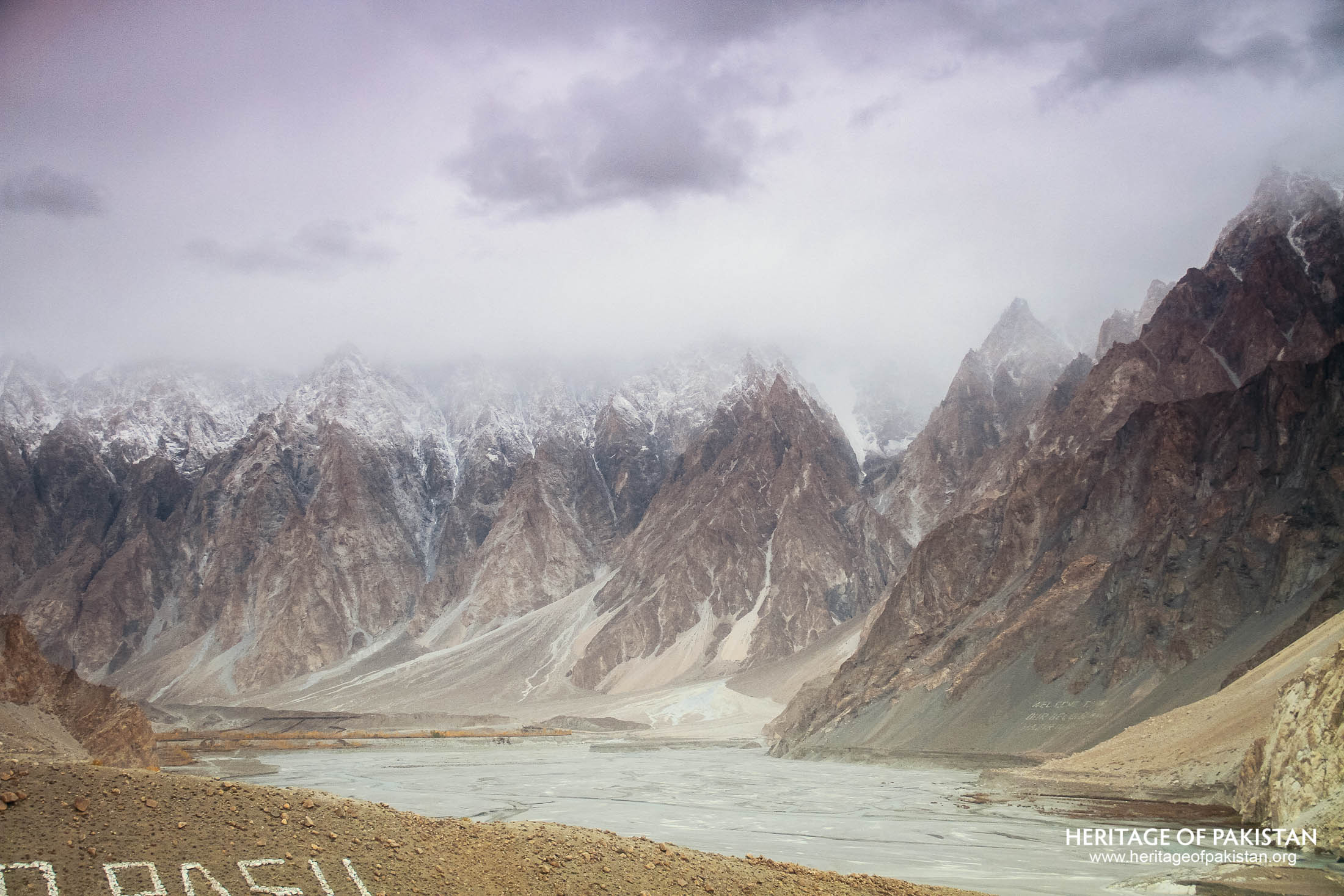
It lies at an elevation of 2,489 meters (8,168 feet) in the Karakoram mountain range and is situated on the western bank of the Hunza River.
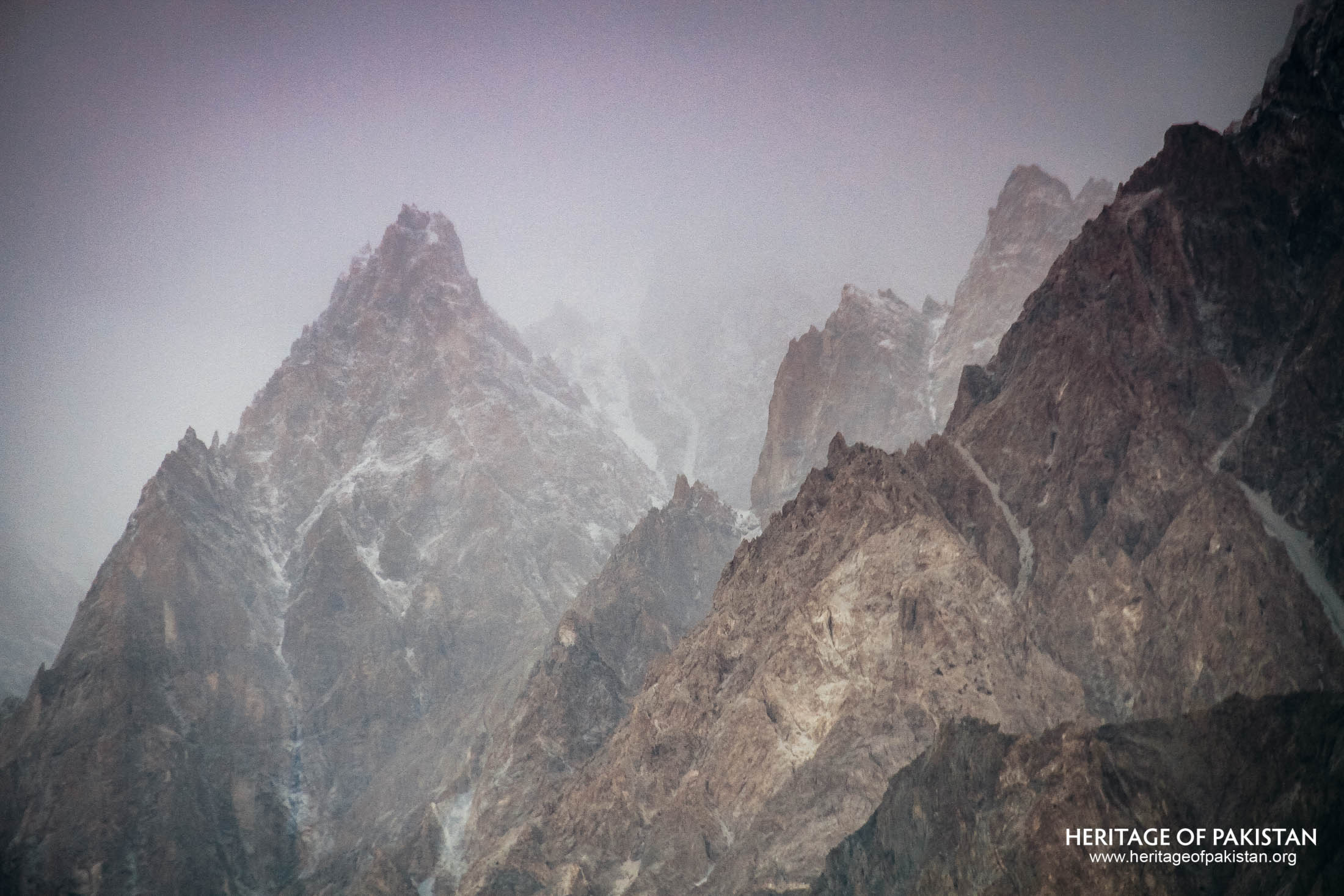
The village is best known for the stunning Passu Cones, also called Passu Cathedrals, a cluster of tapering peaks that resemble Gothic-era spires.
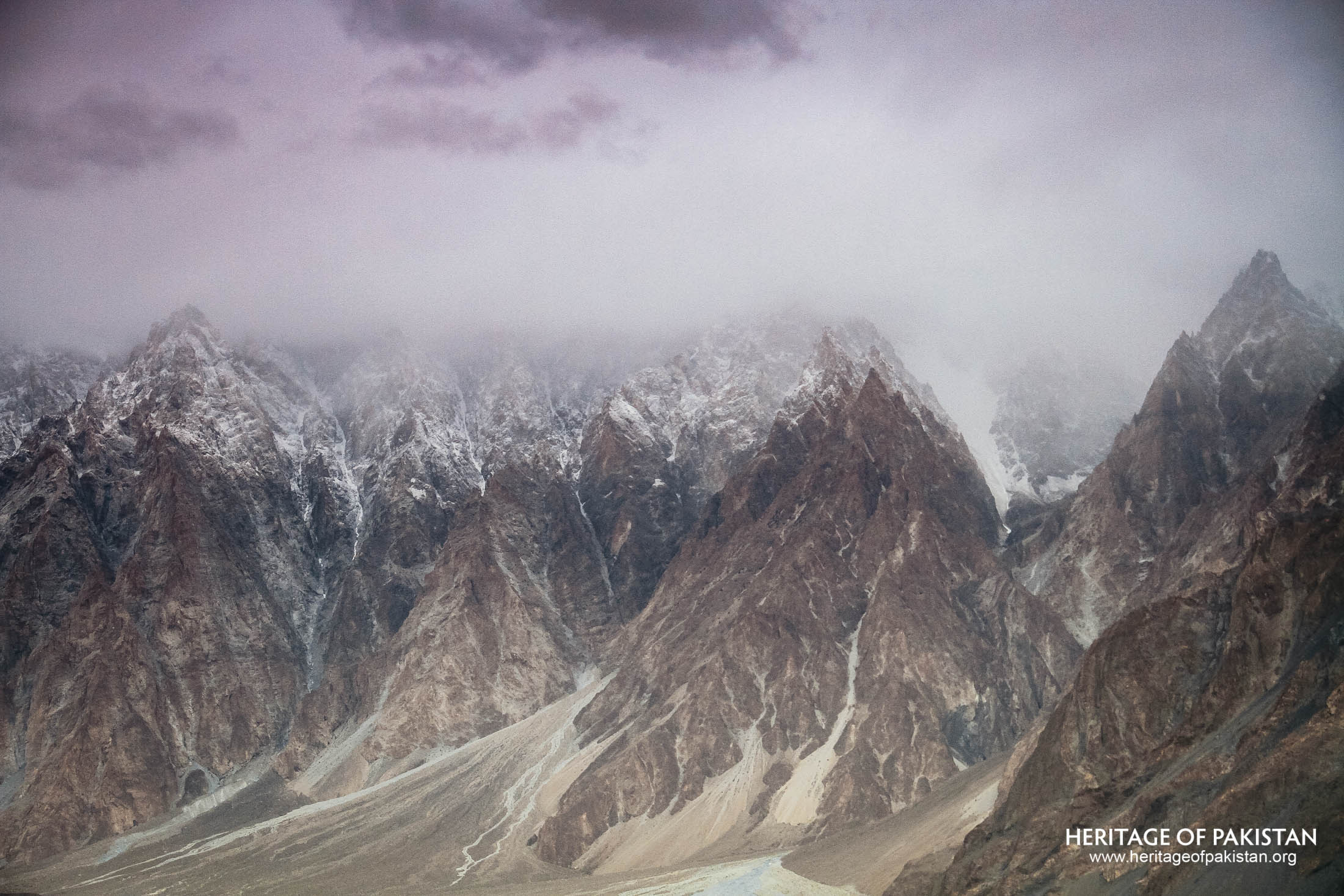
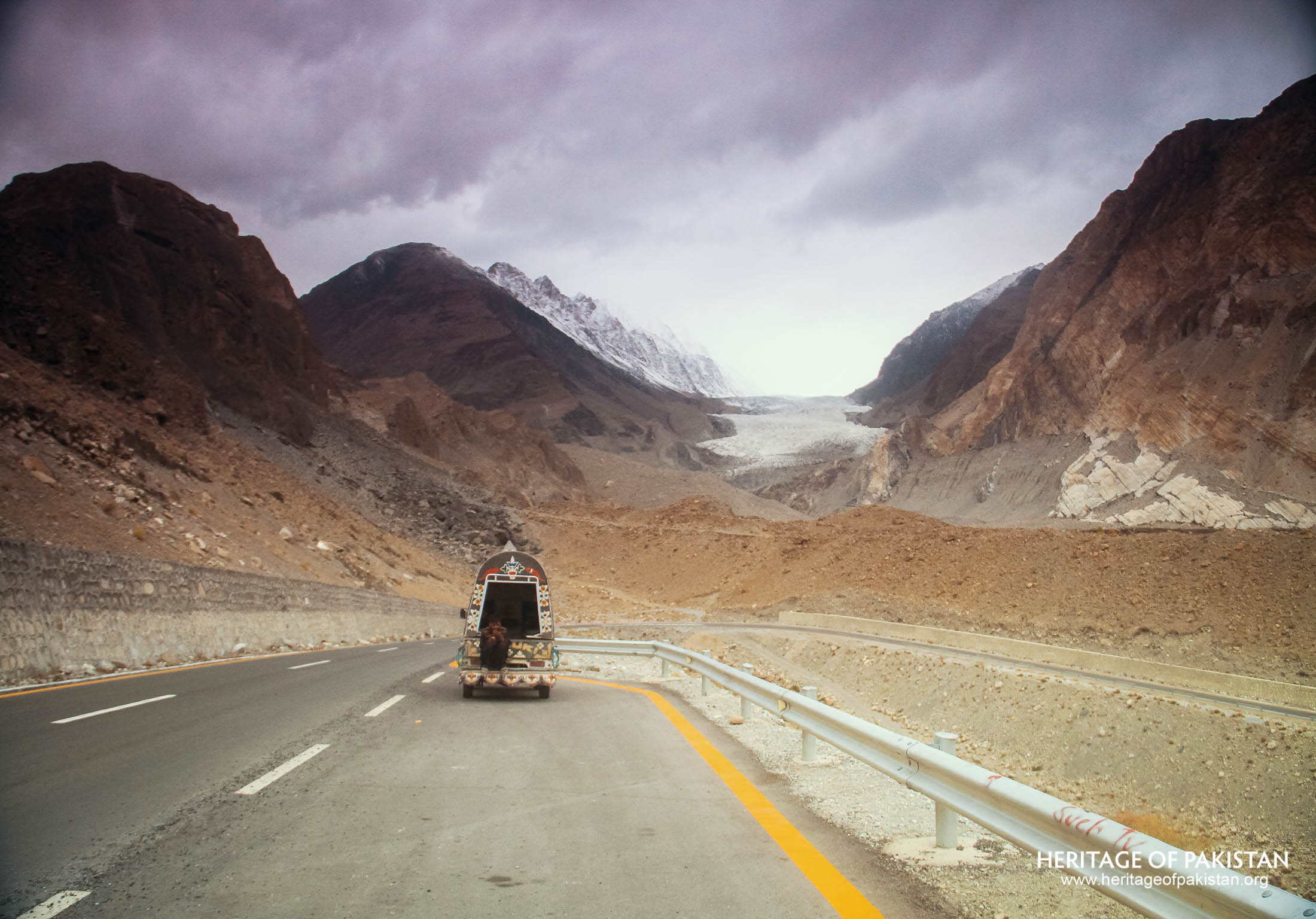
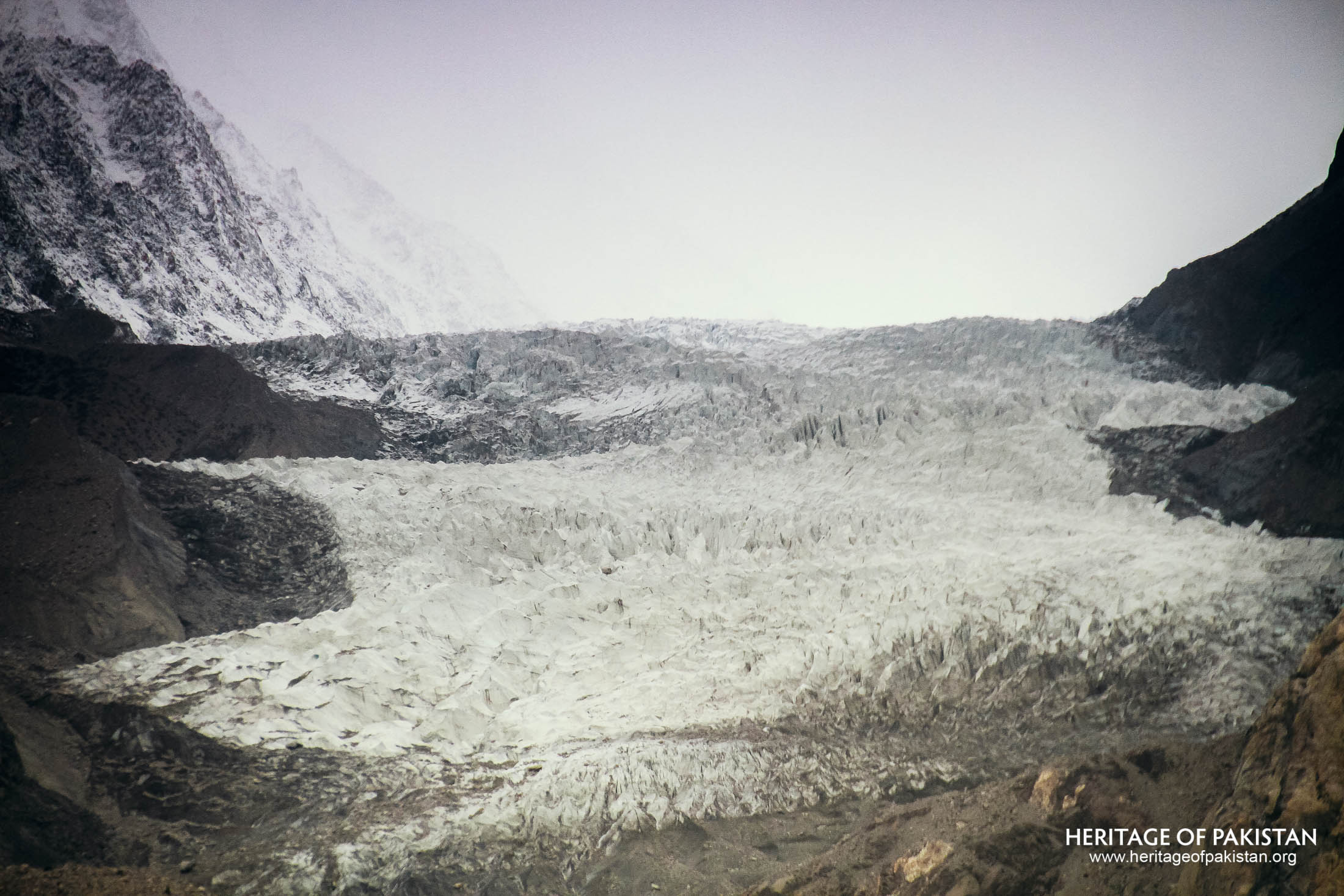
The mountain Tupopdan and the nearby Passu Glacier add to the dramatic natural landscape that surrounds the settlement.
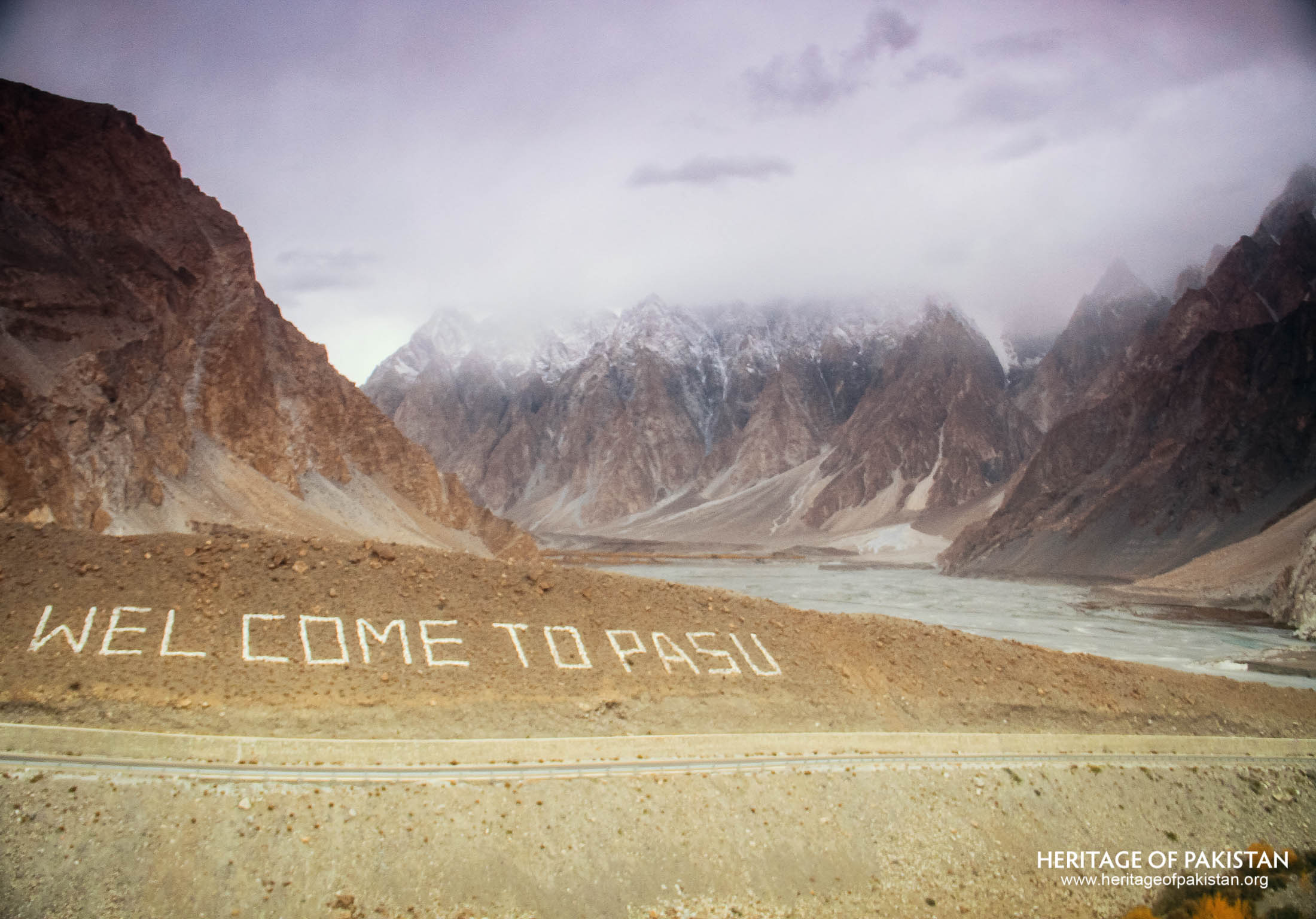
Passu is composed of several areas including Central Passu, Yashvenden, Janabad, and Khorumabad, with the majority of the population settled in the first two.
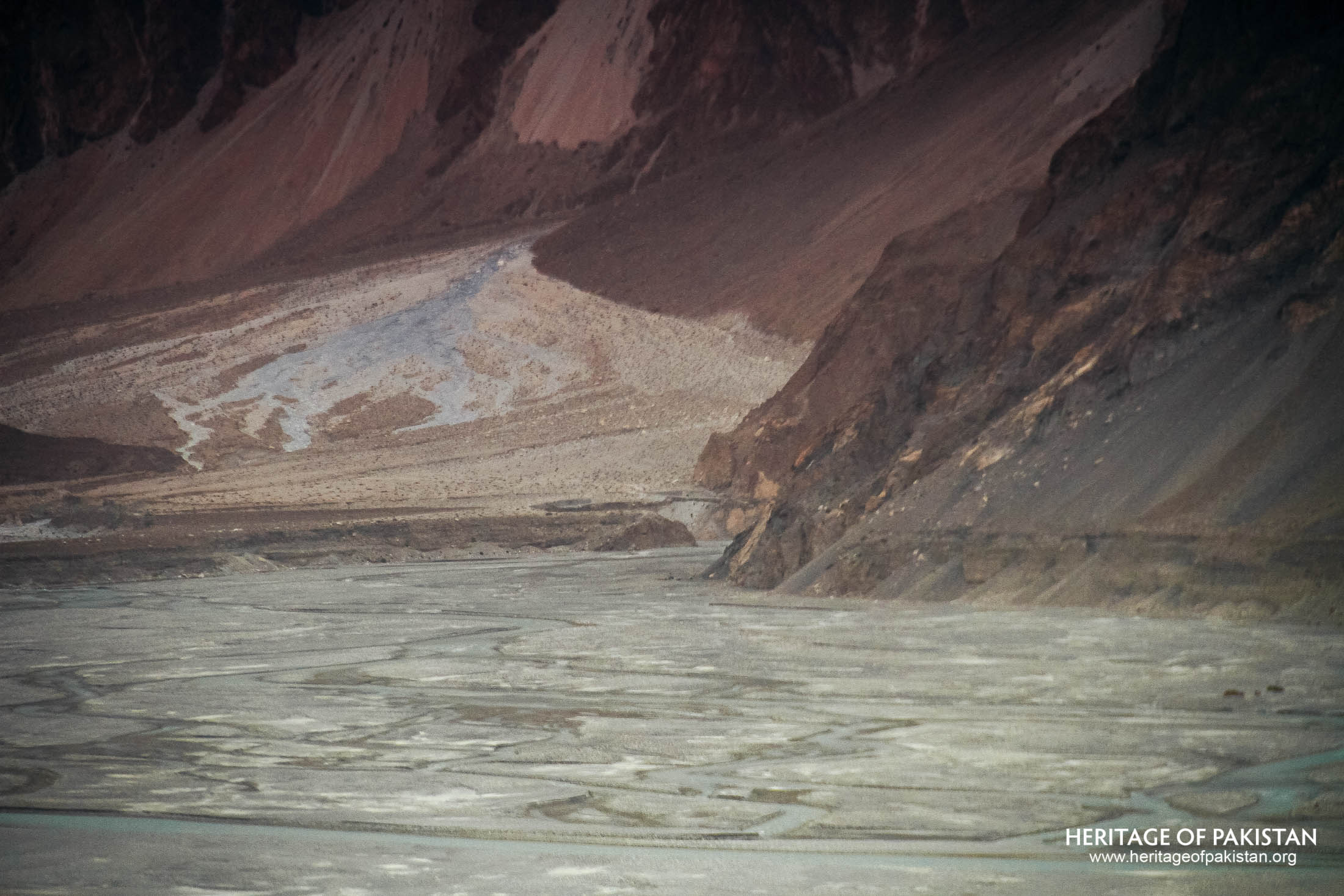
In 2010, the population of Passu was recorded at 940, and its fertile fluvial terraces are cultivated with potatoes, wheat, and orchards.
The earliest settlers in Passu were the Wakhi people who migrated from the Wakhan Corridor of Afghanistan, and today the entire region is inhabited by Ismaili communities.
Nearby natural landmarks include the Batura Glacier—one of the world’s longest non-polar glaciers—and Passu Sar, a 7,478-meter-high peak first climbed in 1978.
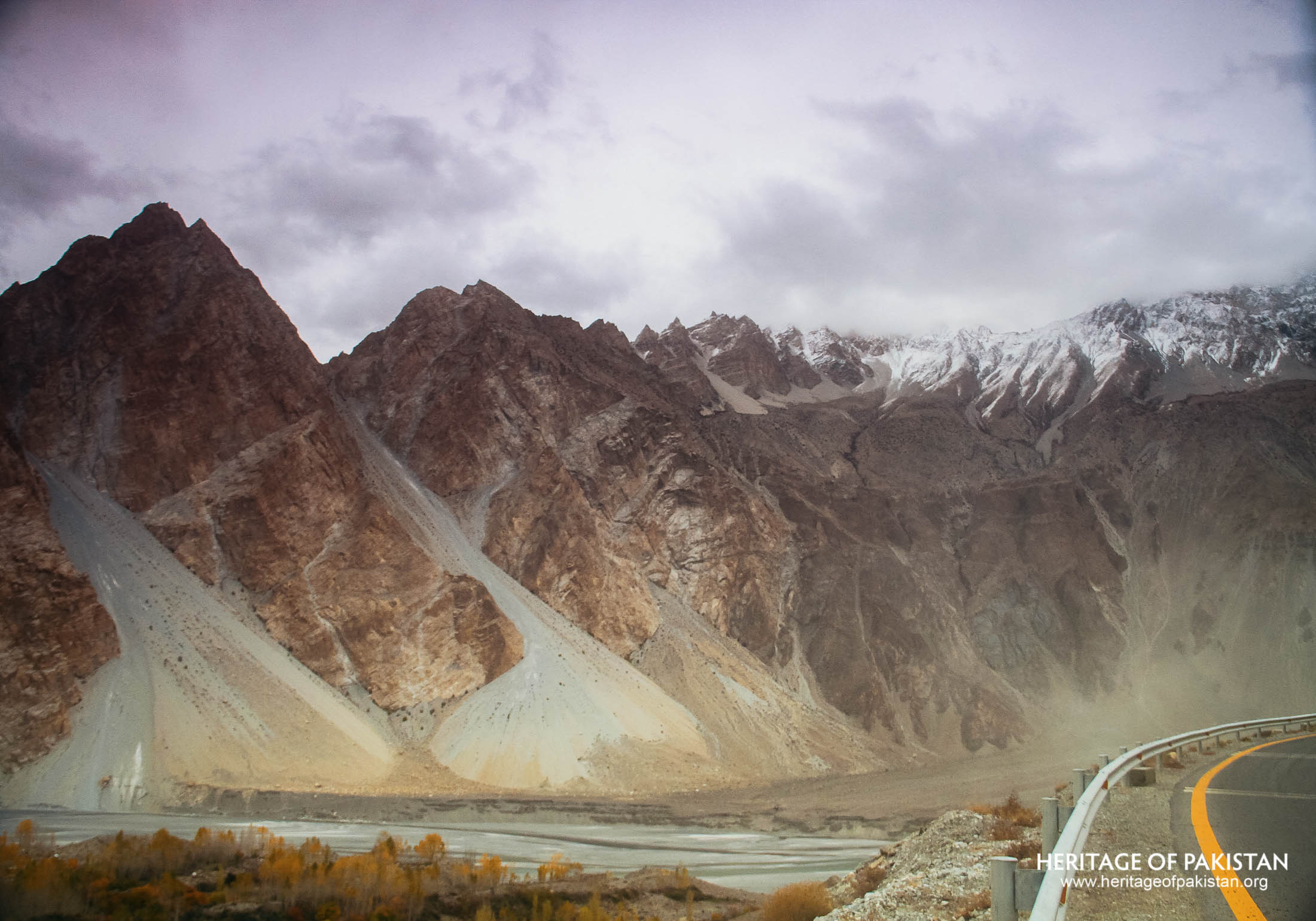
Passu falls under the Northwest Karakoram climatic regime, experiencing most of its precipitation in winter with some rainfall in spring and summer.
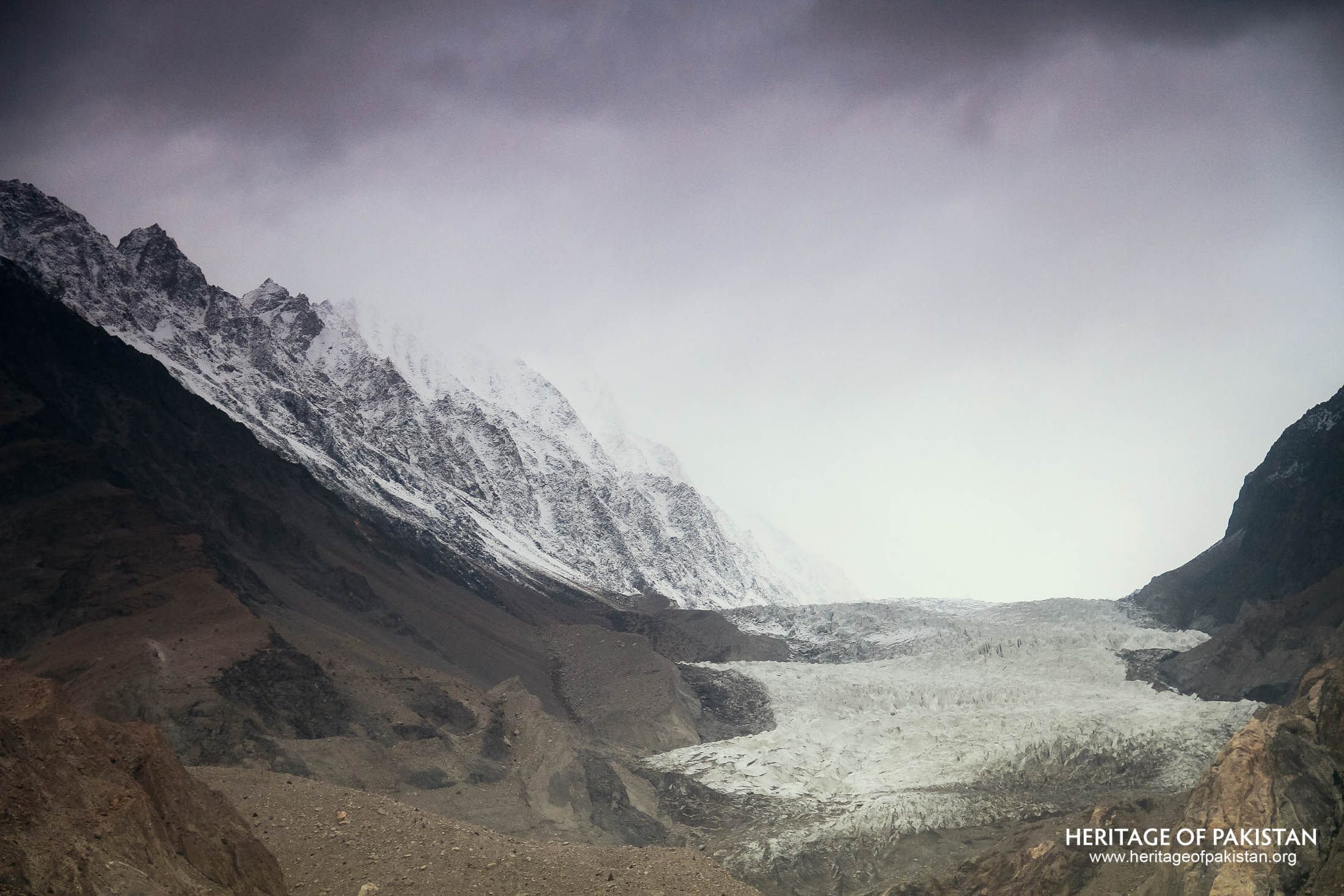
With its iconic peaks, rich cultural heritage, and glacial surroundings, Passu remains one of the most scenic and culturally significant villages in the Hunza region.
