
Textarea
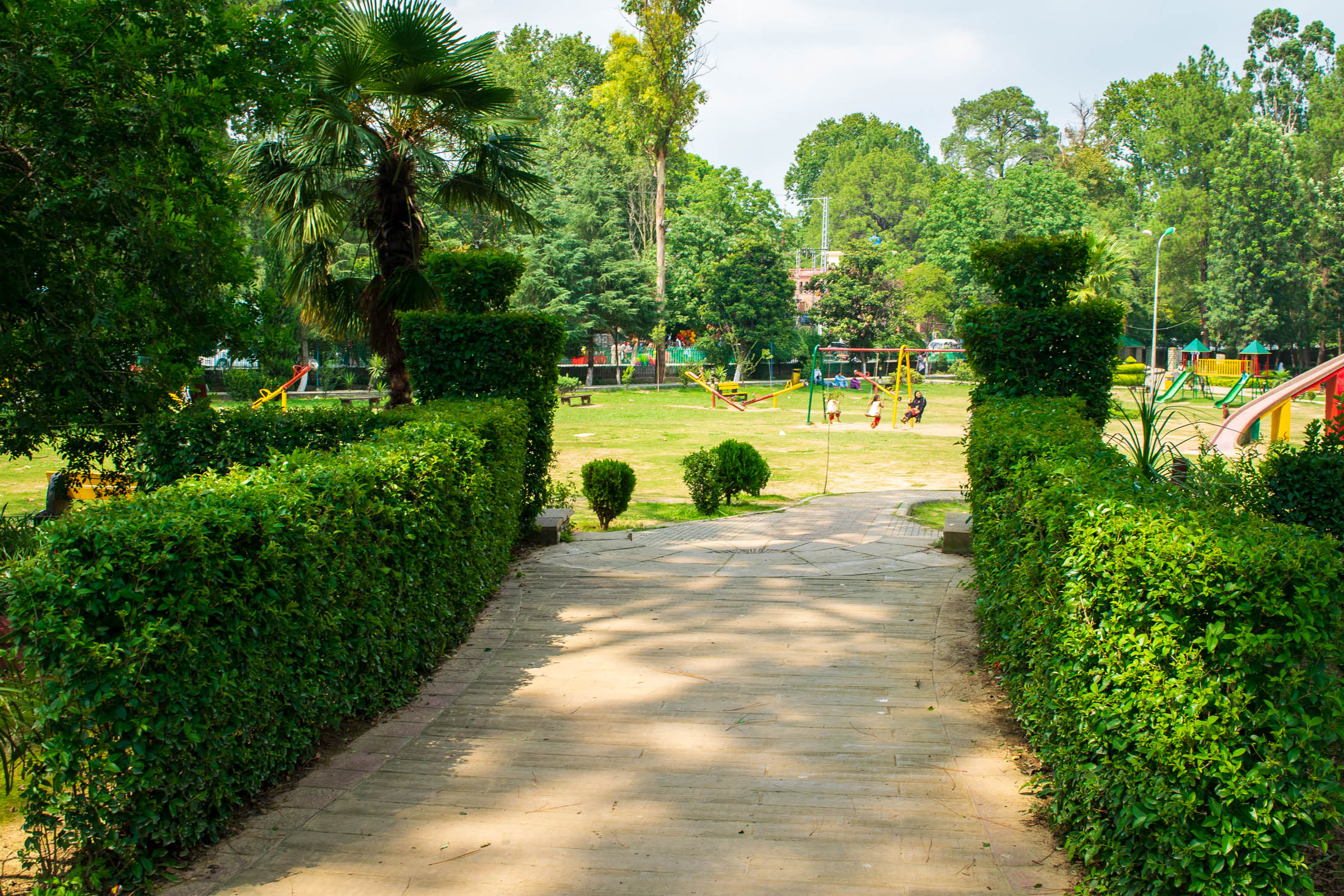
Abbottabad is a colonial-era cantonment city located in the Khyber Pakhtunkhwa province of Pakistan.
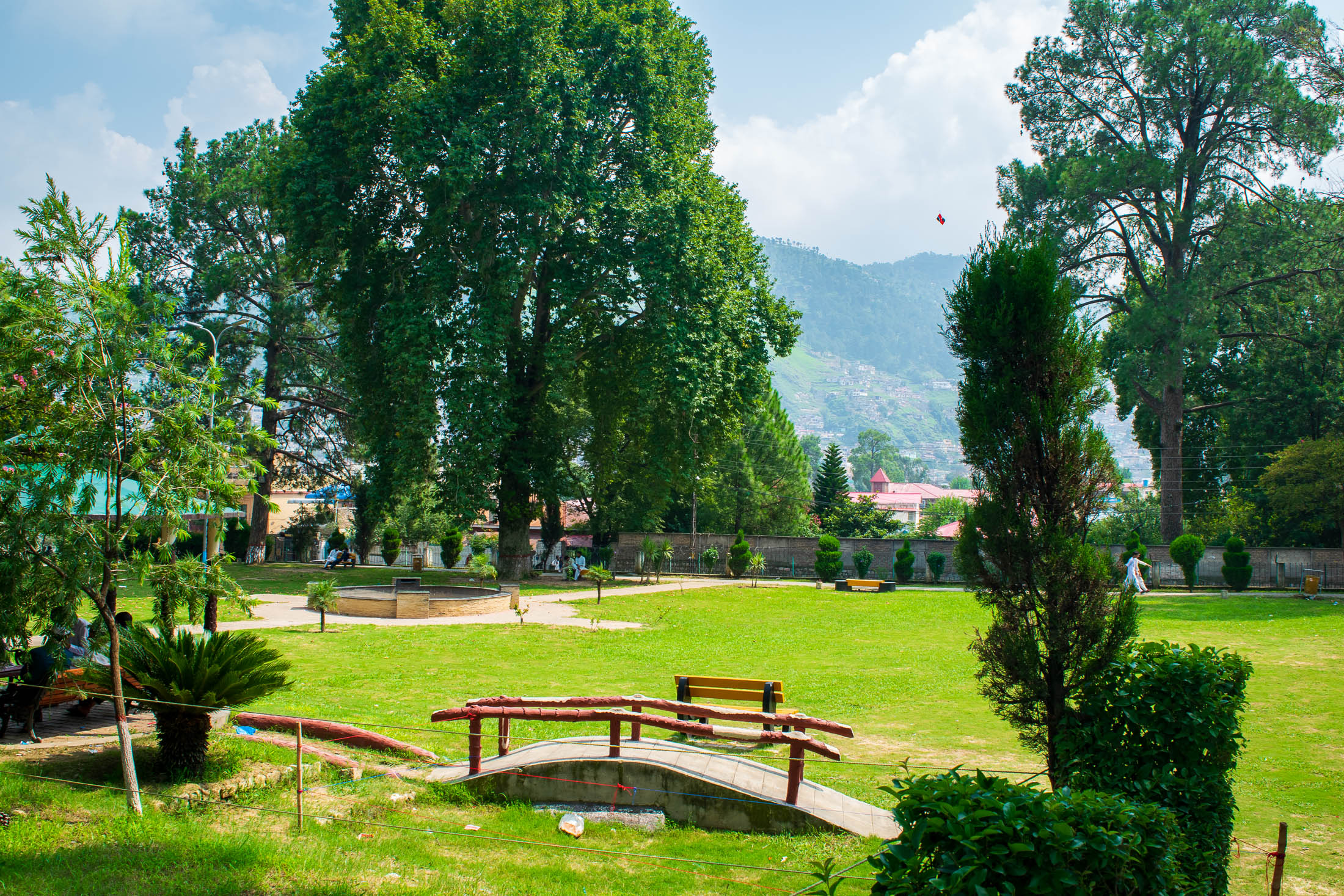
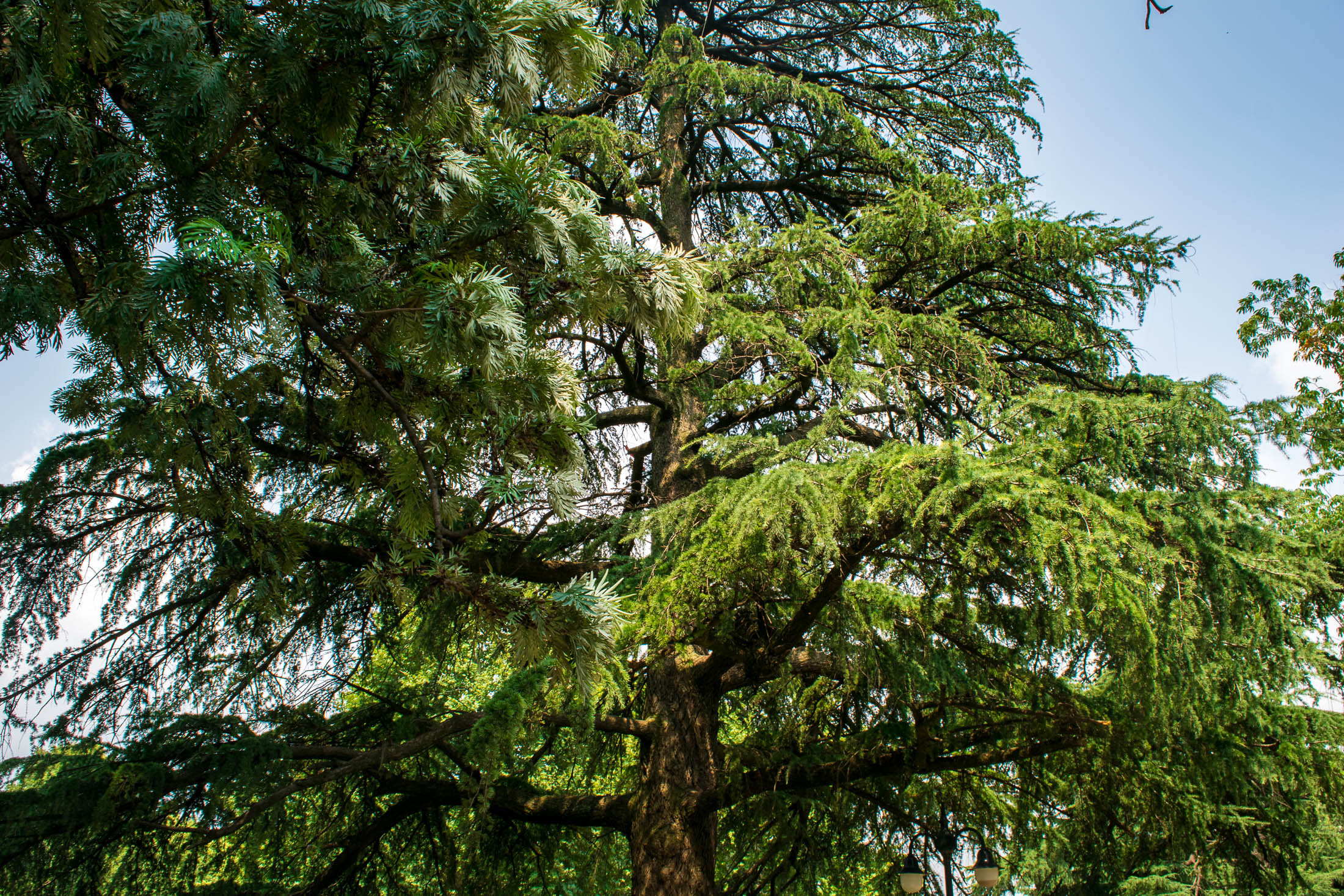
It was established in 1853 by the British as a planned garrison town with a carefully designed urban layout and tree-lined avenues.
Major James Abbott, the first Deputy Commissioner of Hazara, selected the site and laid the foundation for the town that would later be named after him.
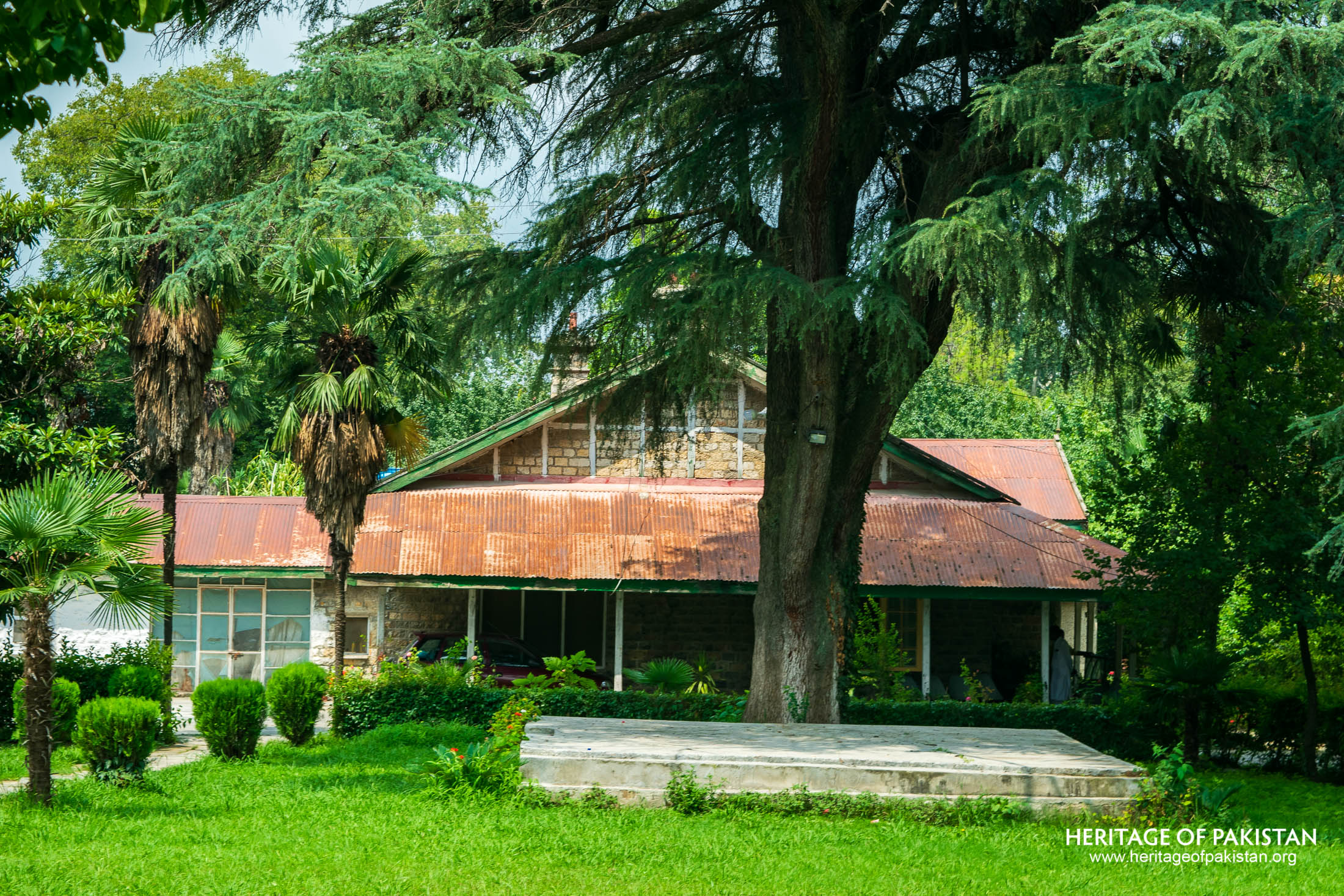
The city features characteristic colonial architecture, including sloping gable roofs, stone masonry, and wooden balconies.
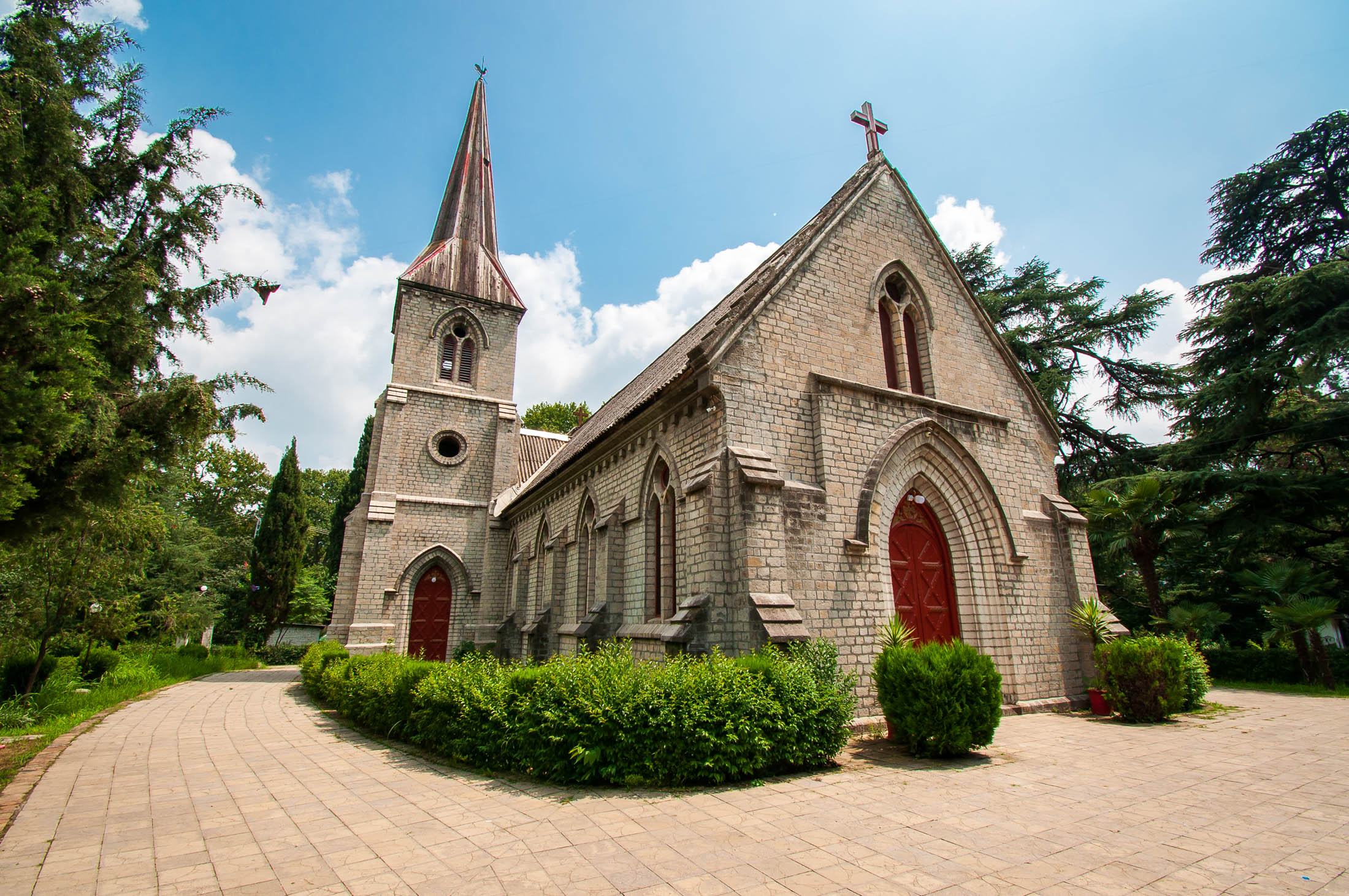
Notable structures from the British period include the Sessions Court, Deputy Commissioner’s Offices, Mohafiz Khana Aam, and St. Luke’s Church.
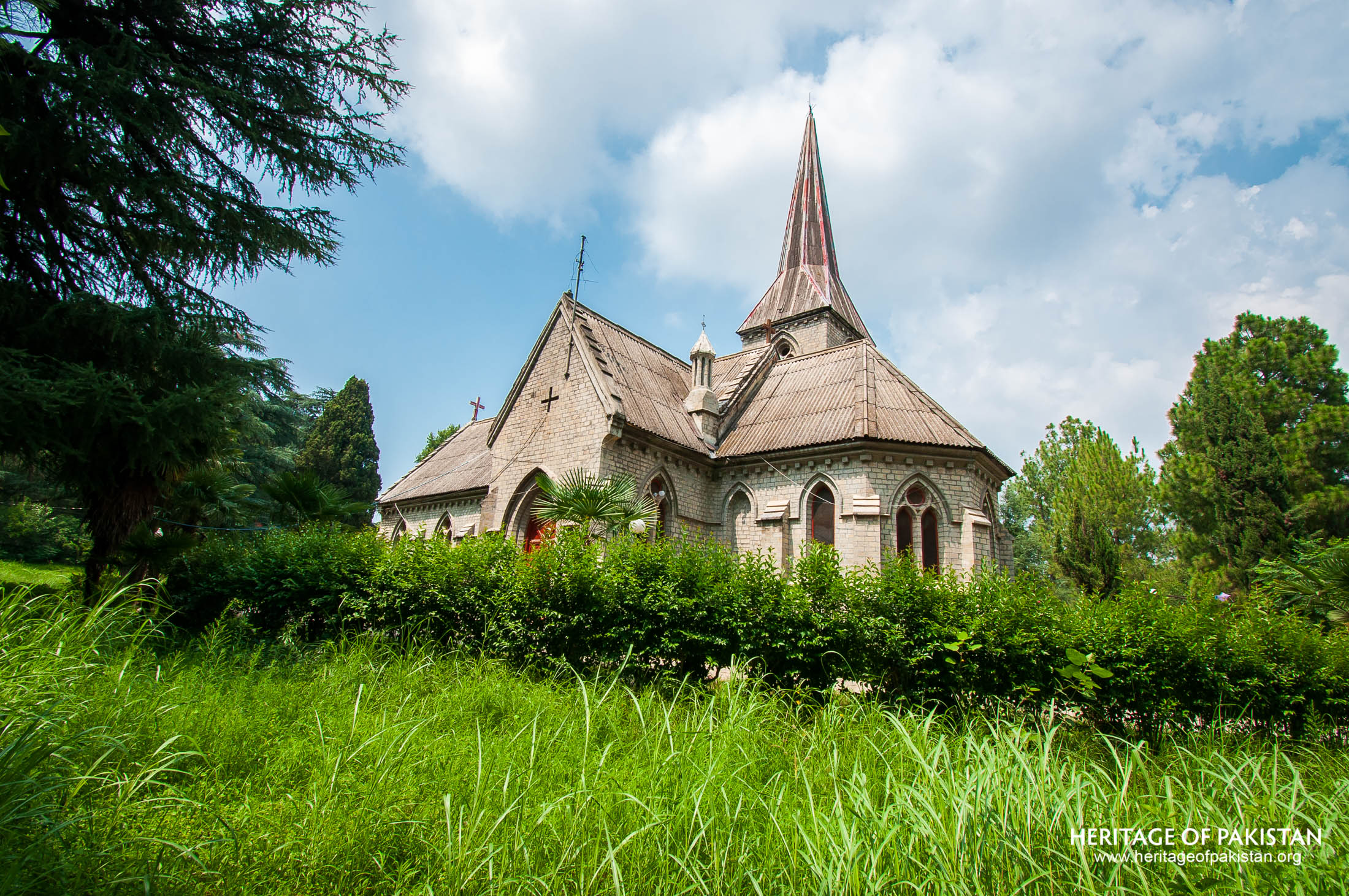
Three British-era churches—St. Luke’s Church (1864), St. Peter’s Canisius Church (1910), and the Presbyterian Church—reflect the religious diversity of the time.
The Christian Cemetery, established in 1853, contains graves of British soldiers who died in frontier campaigns.
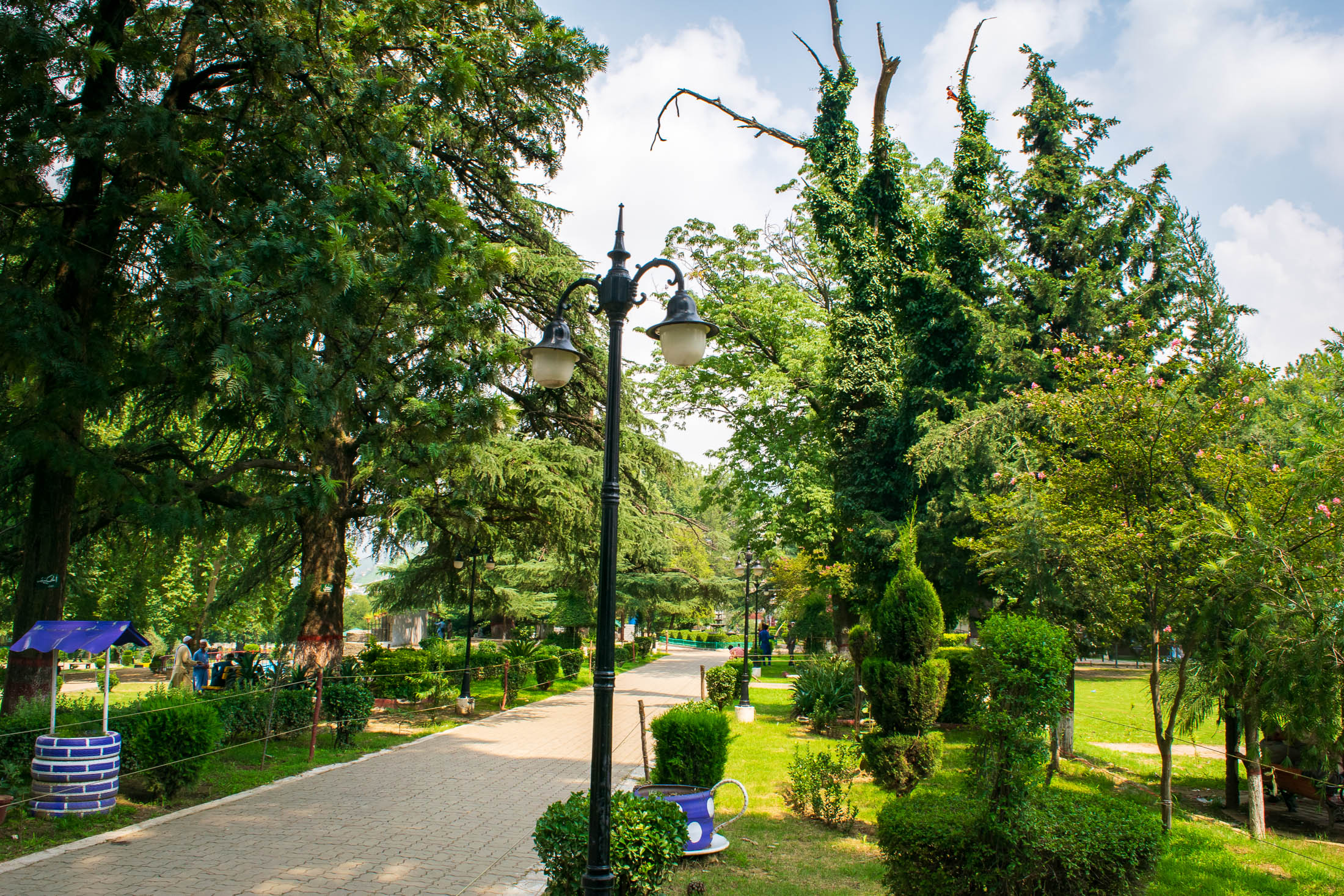
Lady Garden was created in 1853 as a private recreational space for British women and children, featuring reading rooms, playgrounds, and seating areas.
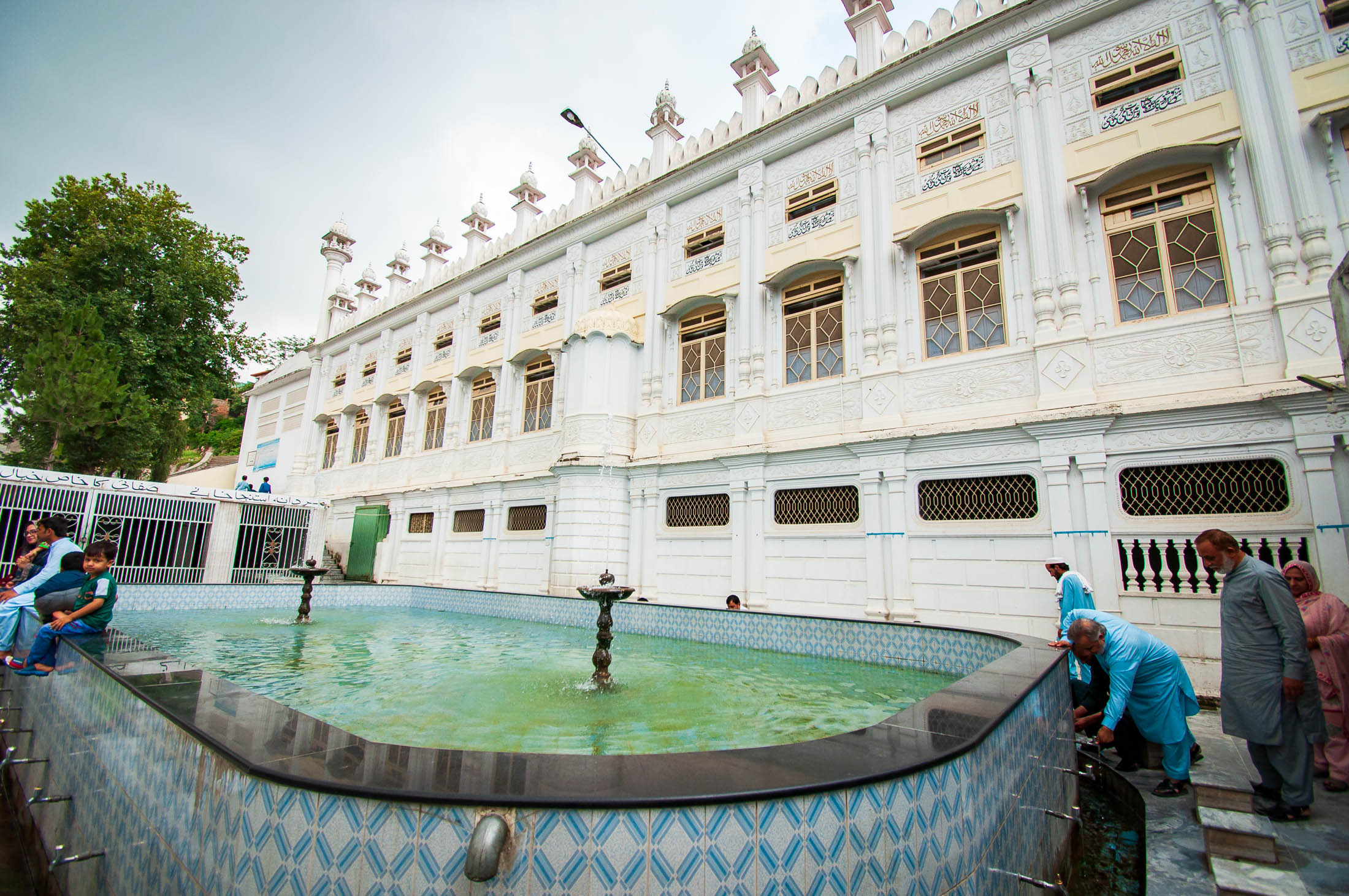
The Ilyasi Masjid, built over a natural stream, and Thandiani, a nearby hill station, are also significant attractions in the area.
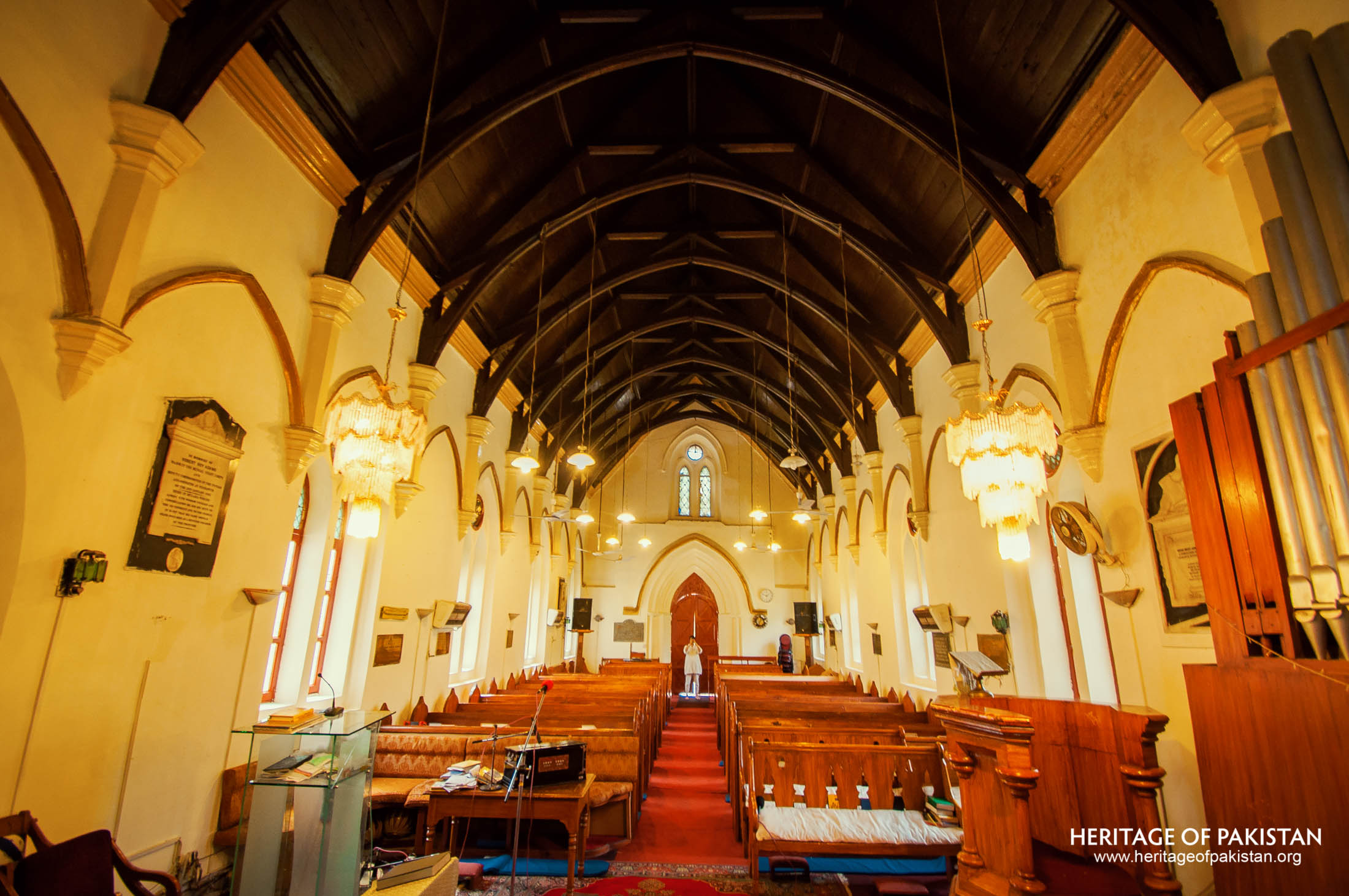
Today, Abbottabad retains its historical charm through preserved colonial structures and continues to be a place of cultural and architectural interest.
