
Did You Know?
Ilyasi Masjid is built directly over a natural stream that still supplies its ablution tank
34°10'16.4"N 73°15'33.2"E
Ilyasi Masjid is built directly over a natural stream that still supplies its ablution tank
The Best Time to Visit mountain regions of Khyberpakhtunkhwa is Summers. Preferably from April to September. Winters are Extremely Cold and Snowfall blocks most of access. Hence Winters are not recommended.

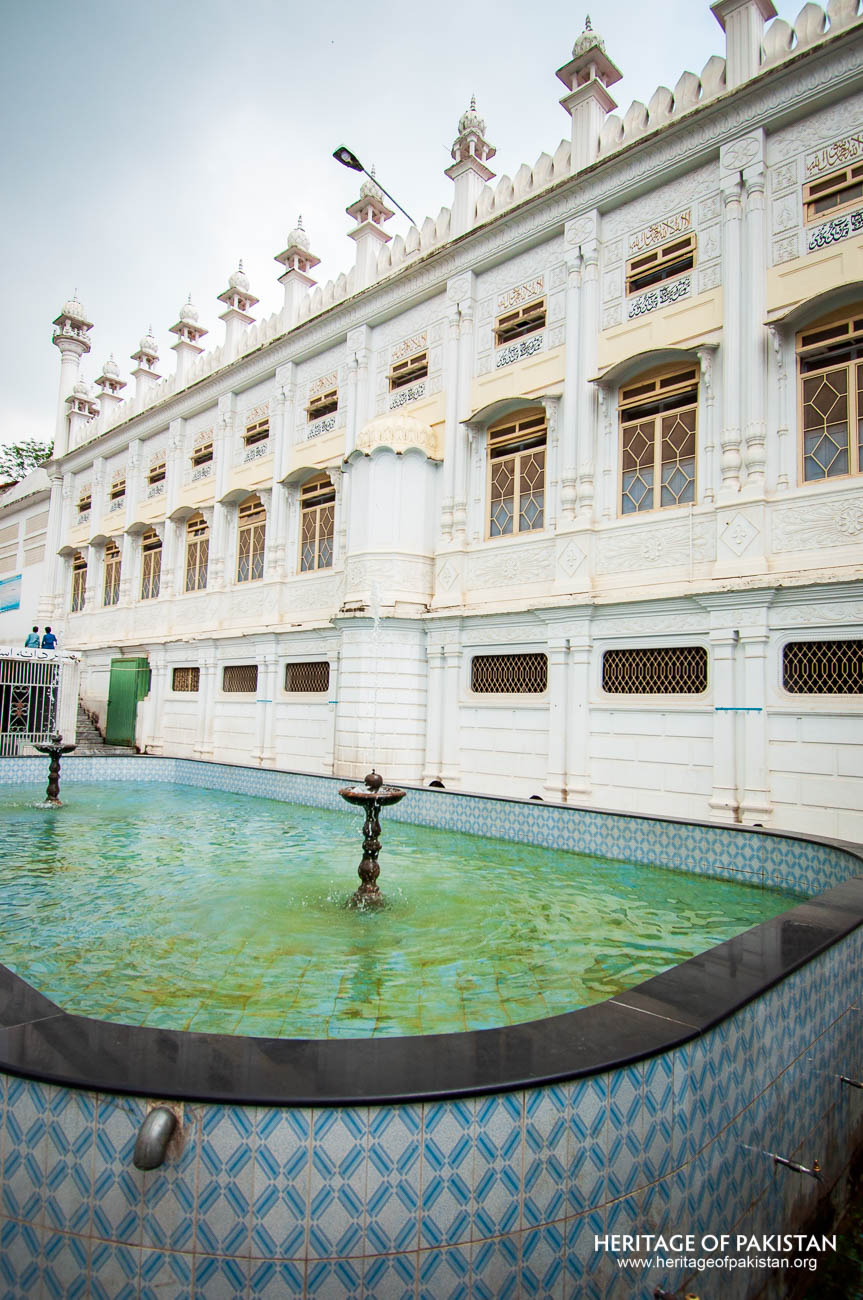
Ilyasi Masjid is a well-known and architecturally distinct mosque located in Abbottabad, specifically in the area of Nawan Shehr. Constructed in 1932, the mosque is celebrated for its unique foundation—built directly over a natural stream that flows from the base of a nearby hill. The natural stream, which emerges from the mountain, was long believed by locals to possess curative properties, particularly for skin, muscle, and respiratory ailments. For the local community, this stream is not only a water source but also a part of regional folklore and myth. The water from the stream is channeled into a large tank located in the mosque’s courtyard. This tank provides clean flowing water for ablution (wudu) for the worshippers who gather for daily prayers. The continuous presence of running water not only enhances the mosque's spiritual ambiance but also reinforces its traditional architectural connection with nature.
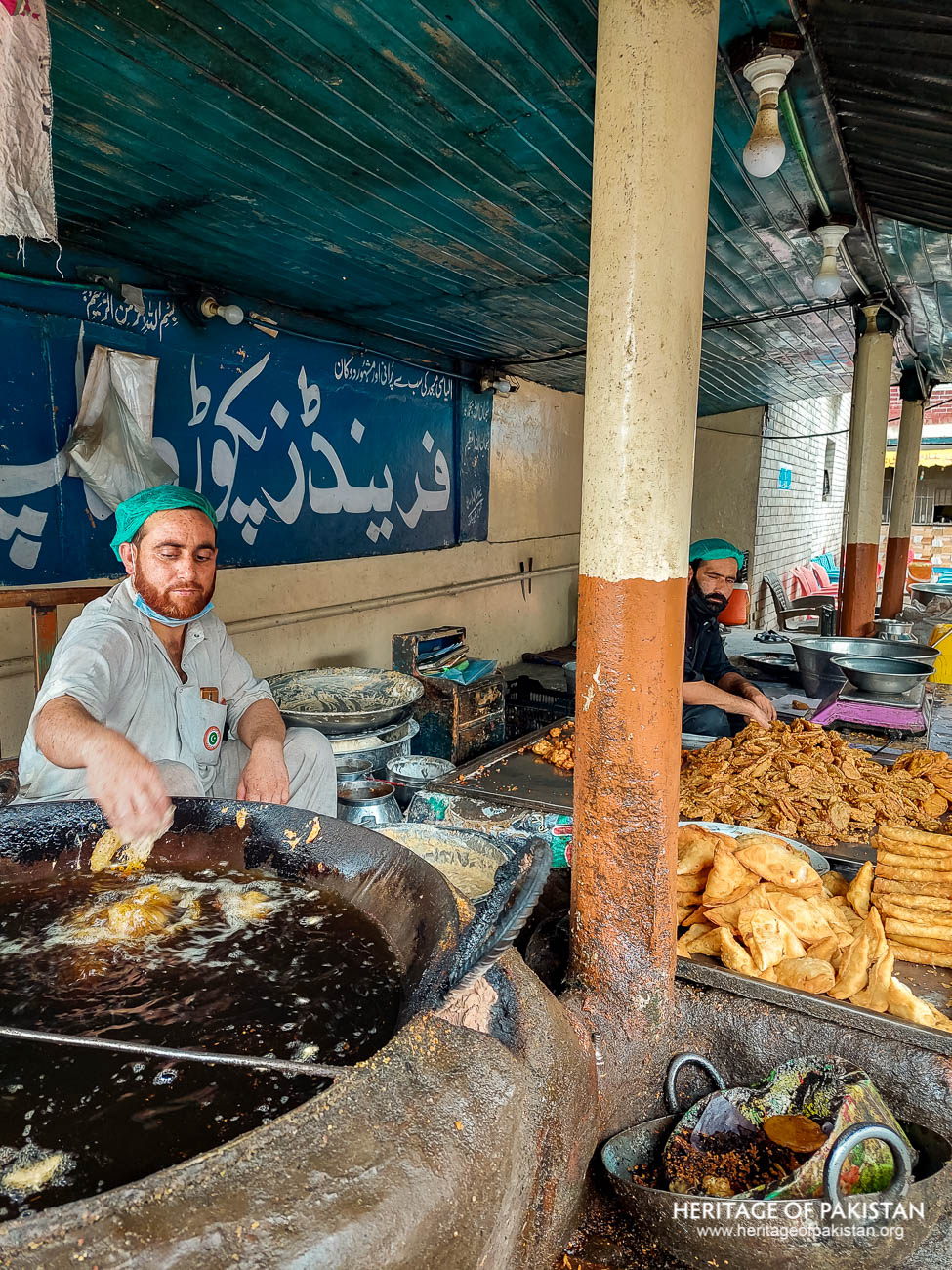
The mosque itself occupies a total area of 5 kanals and is constructed at the foot of the hill where the stream originates, further emphasizing its close relationship with the natural landscape. Beyond its religious and architectural significance, Ilyasi Masjid is also associated with a popular culinary tradition. Outside the mosque’s vicinity, several eateries are known for serving pakoras and samosas, attracting both locals and visitors. Among these, the most renowned is the stall first established by Fazal Dad Khan Jadoon in 1956, popularly remembered as the ‘Ilyasi Pakoraywala’. His pakoras gained such fame that the family business continues today under the care of his sons and grandsons. The surrounding neighborhood is primarily inhabited by members of the Jadoon community, who have historically maintained strong ties to the mosque and its upkeep. With its combination of natural setting, community history, and culinary tradition, Ilyasi Masjid remains an enduring landmark in Abbottabad, offering both spiritual solace and cultural vibrancy.
The Ilyasi Masjid in Abbottabad presents a compelling example of mosque architecture that uniquely integrates natural elements into its structural and spatial design. Located at the base of a hill on the eastern side, the mosque is constructed directly over a natural stream, making it the most distinctive feature of the site. The flowing water from the hill is carefully channeled and incorporated into the levels and layout of the mosque, contributing to both its functionality and symbolism. This architectural fusion between terrain and design creates a layered experience that is rooted in both geography and devotion.
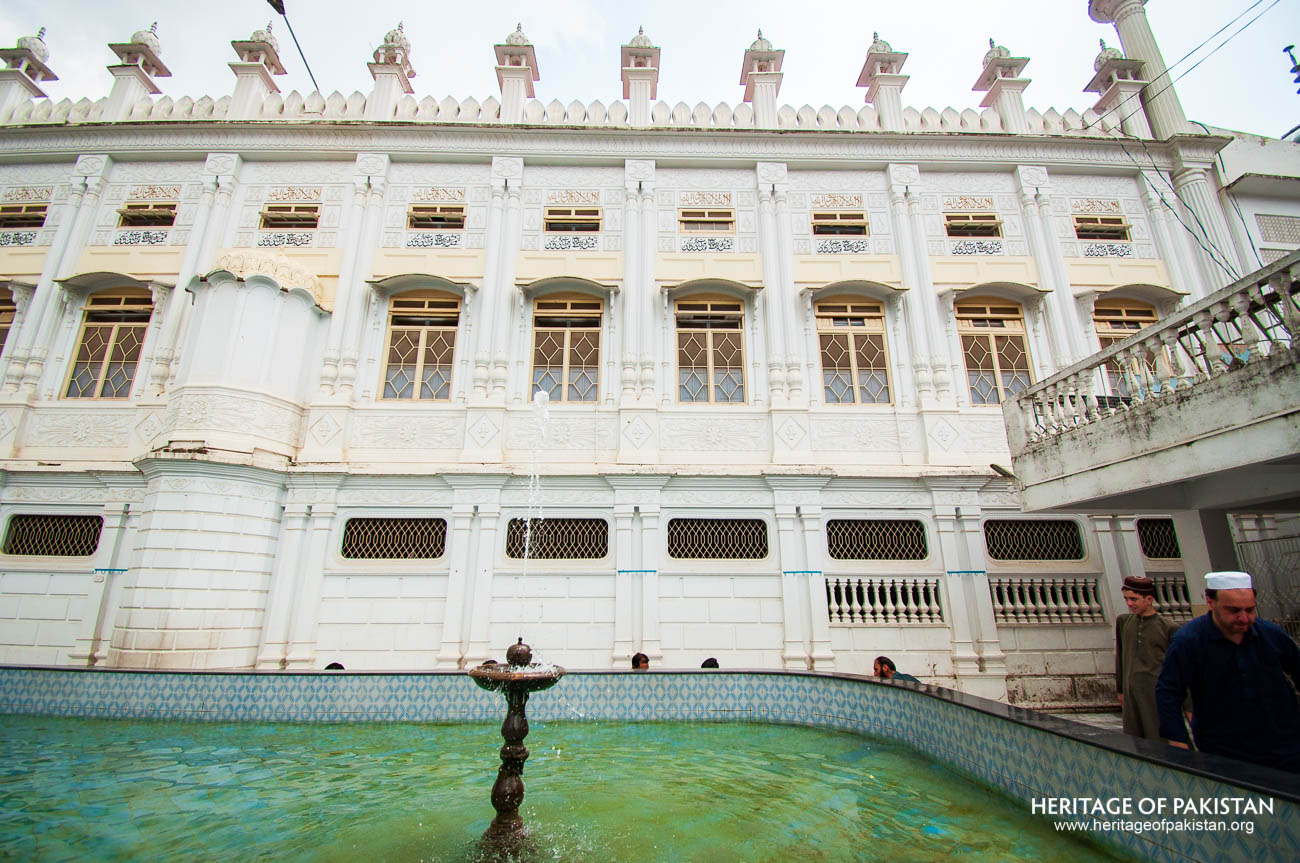
The mosque is approached from the western side, which features the main decorative façade and serves as the formal entrance. A large open courtyard lies in front of the western wall of the prayer hall, acting as a transitional space for worshippers. In the center of this courtyard is a prominent ablution tank, where water from the natural stream is collected. The tank includes two fountains, and people gather around it to perform ablution. This western façade is visually dominant and elaborately designed, reflecting a blend of Indo-Islamic, European, and Sikh architectural influences that were common in pre-Partition, early 20th-century religious structures.
Architecturally, the western elevation is symmetrically arranged and articulated by engaged double pilasters inspired by European styles. Each bay features a rectangular arched window surmounted by decorative panels. Calligraphic inscriptions adorn the upper sections above the windows, while a ventilator is strategically positioned between two calligraphic panels. The roofline is marked by a series of vertical battlement-like elements, each crowned with small ornamental chattris or minarets, adding a rhythmic silhouette to the skyline.
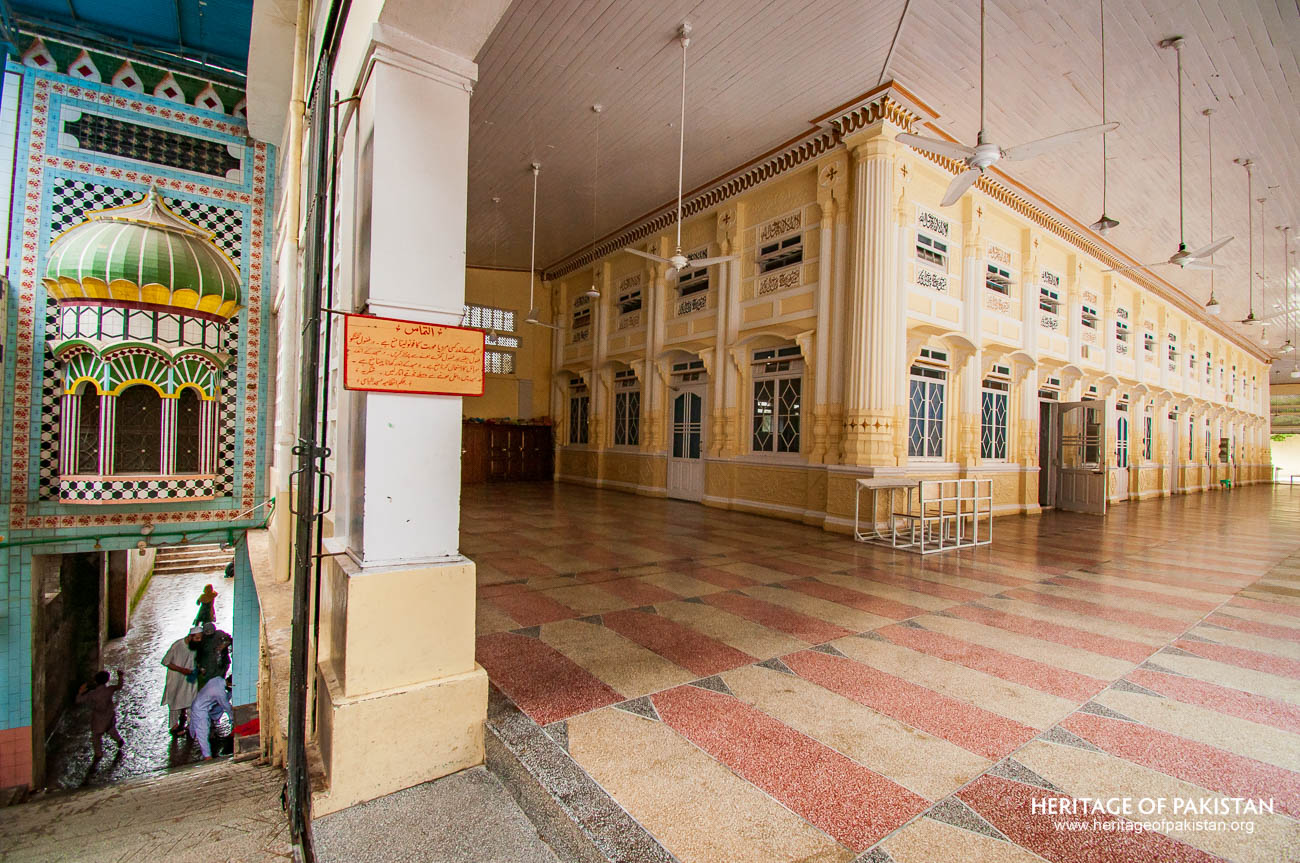
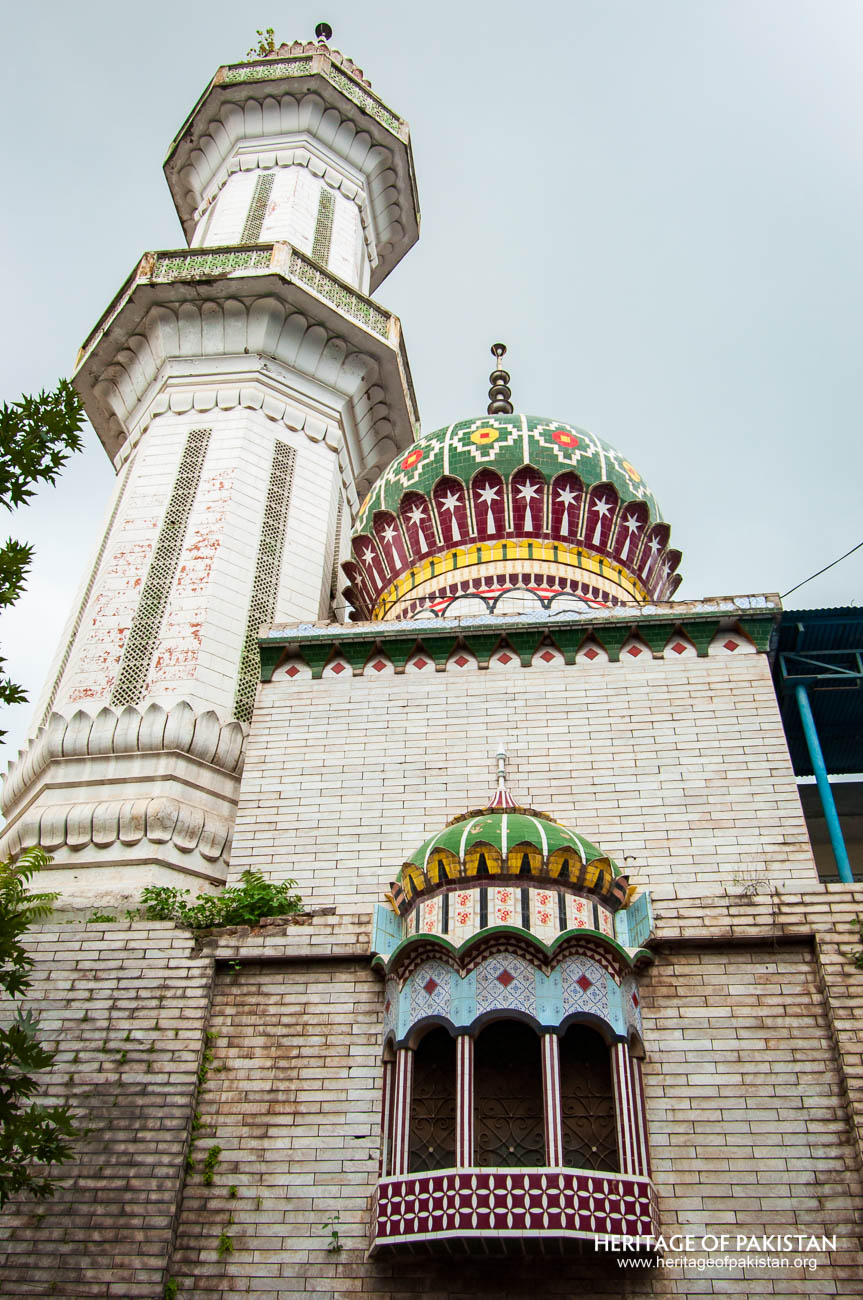
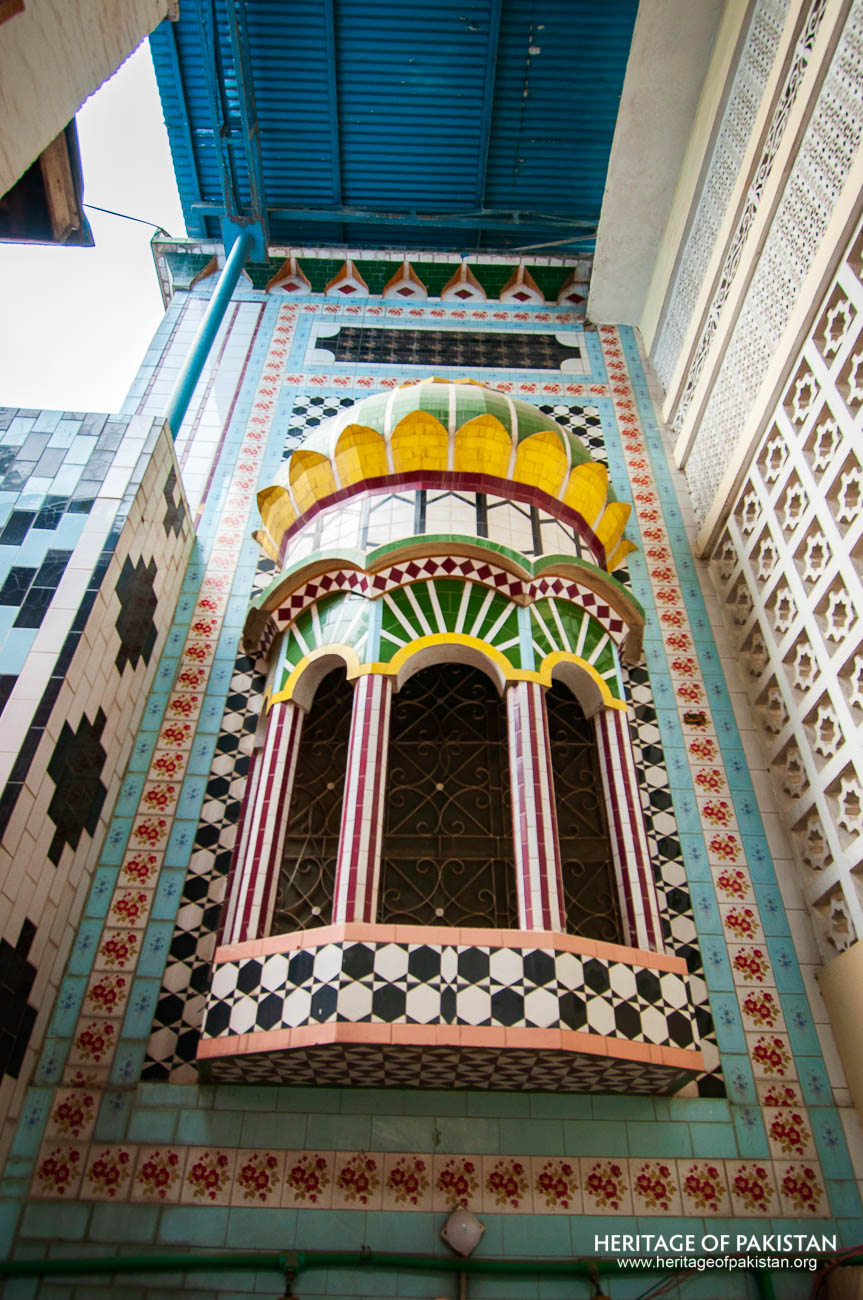
The mosque includes a single but prominent octagonal minaret located at the southern edge. The minaret is multi-tiered and vertically imposing, lending visual balance to the mosque’s profile. Adjacent to it is a relatively small dome adorned with glazed tilework in green and red floral motifs. These patterns echo the Kashigari tile traditions of Multan and Uch Sharif and include white star motifs on red panels. Below the dome, on the southern wall, is an ornate *jharoka* decorated in the same tilework style, enhancing the continuity of the decorative scheme.
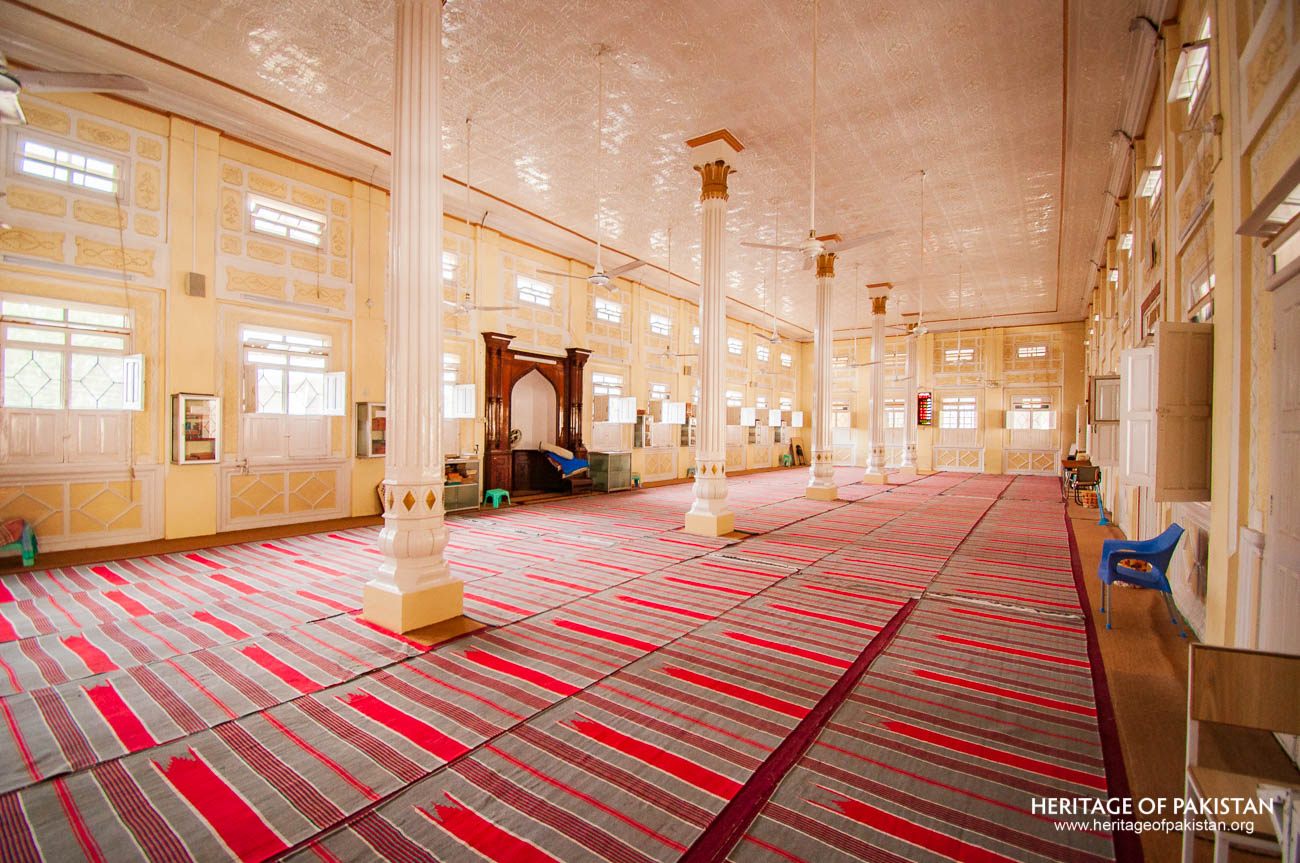
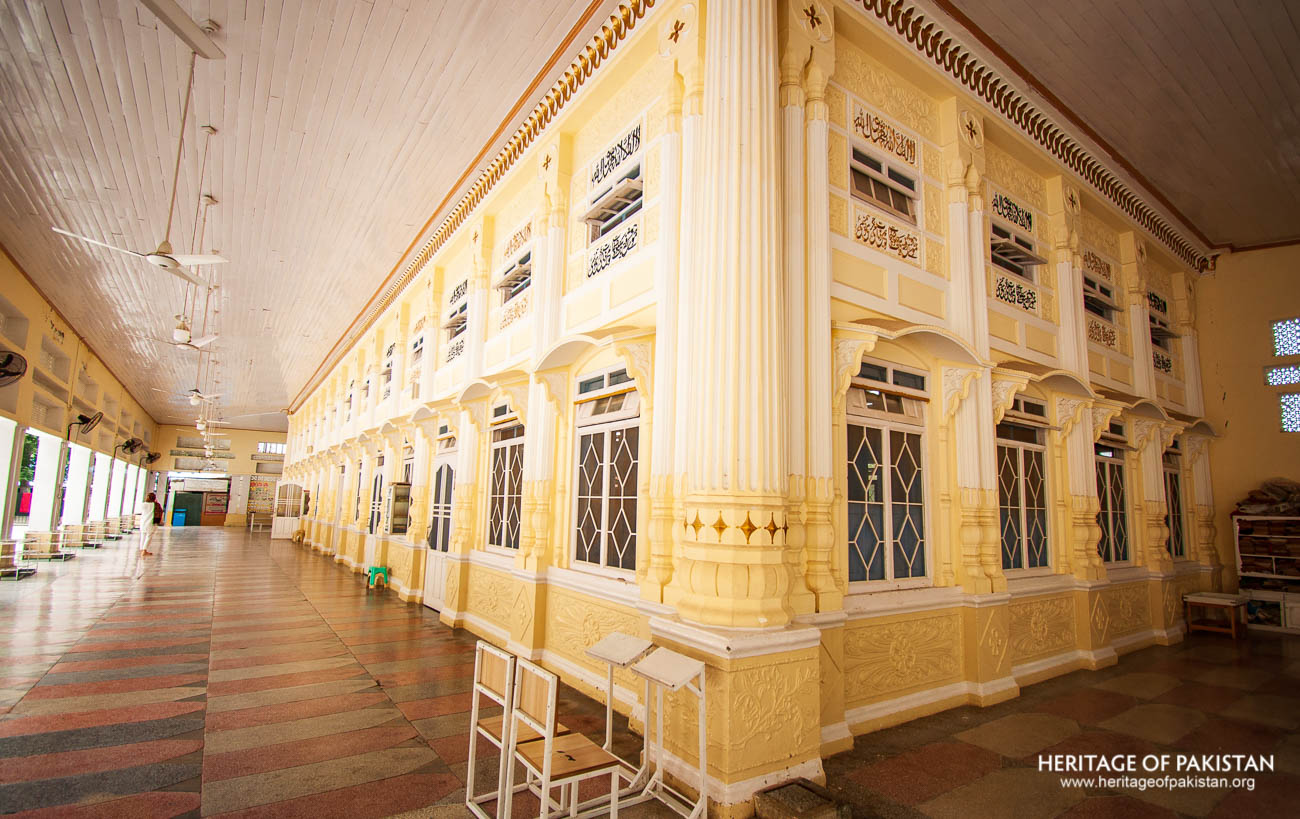
Internally, the mosque unfolds through a stepped entrance from the western courtyard leading to a secondary courtyard and the prayer hall. The prayer hall is a long, rectangular space aligned along a single axis facing the *qibla* wall. It is designed as a hypostyle hall, with the interior space divided by a series of free-standing, fluted columns. These columns are topped with composite capitals that blend Corinthian and Mughal elements, further reinforcing the eclectic design language of the structure. At the far end, the *mihrab* is positioned modestly within a wooden niche and framed by a pointed arch, offering an understated yet elegant focal point for prayer.
All Photographs by Syed Noor Hussain and Sania Azhar.
All Rights Reserved. Photos may be used for Non-Commercial, Educational, Artistic, Research, Non-Profit & Academic purposes.
Commercial uses require licensing agreement.

syed noor
July 26, 2025 at 12:18 pmfe