
Did You Know?
Swat Valley once had around 1,400 monasteries, as recorded by the Chinese traveler Hsiang in 630 CE
34°46'42.9"N 72°20'52.5"E
Swat Valley once had around 1,400 monasteries, as recorded by the Chinese traveler Hsiang in 630 CE
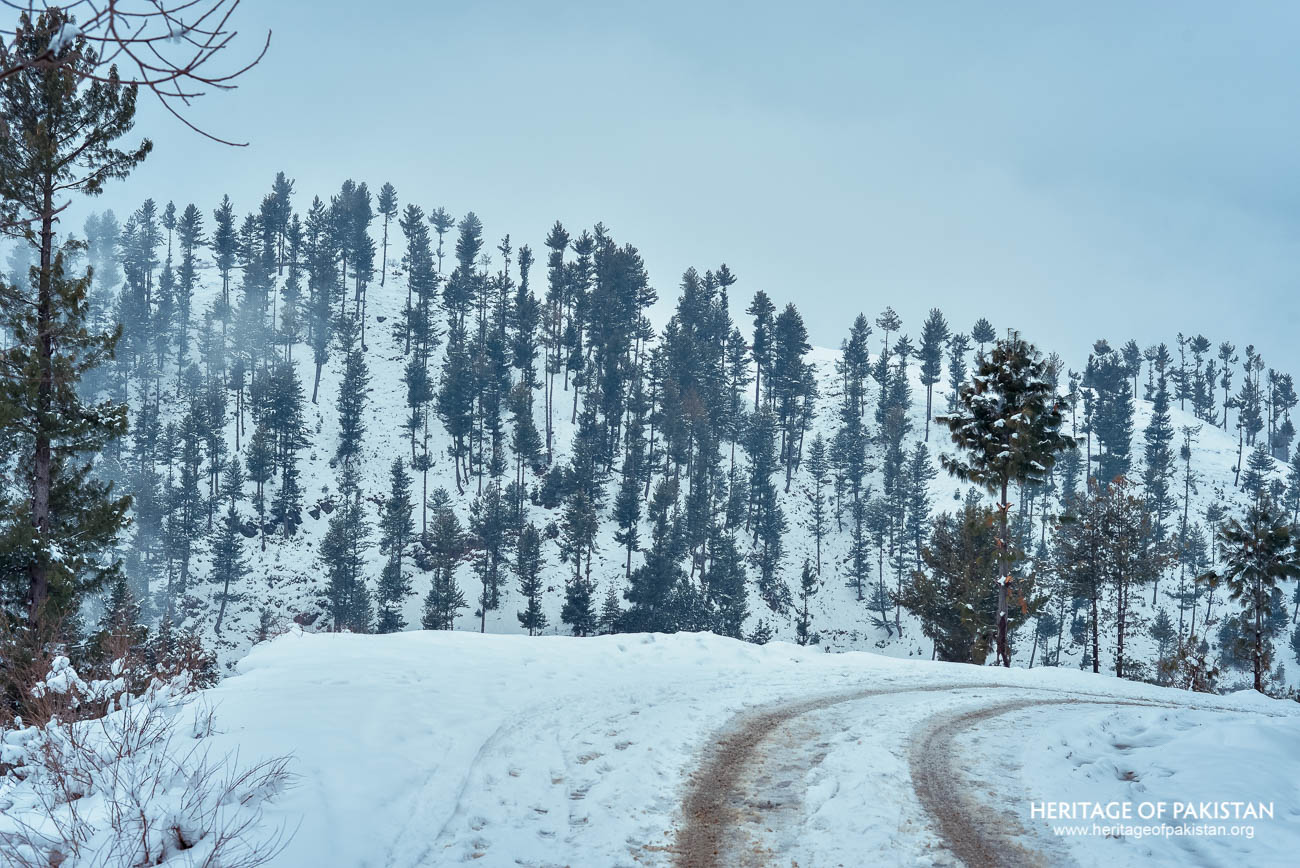
The Best Time to Visit mountain regions of Khyberpakhtunkhwa is Summers. Preferably from April to September. Winters are Extremely Cold and Snowfall blocks most of access. Hence Winters are not recommended.

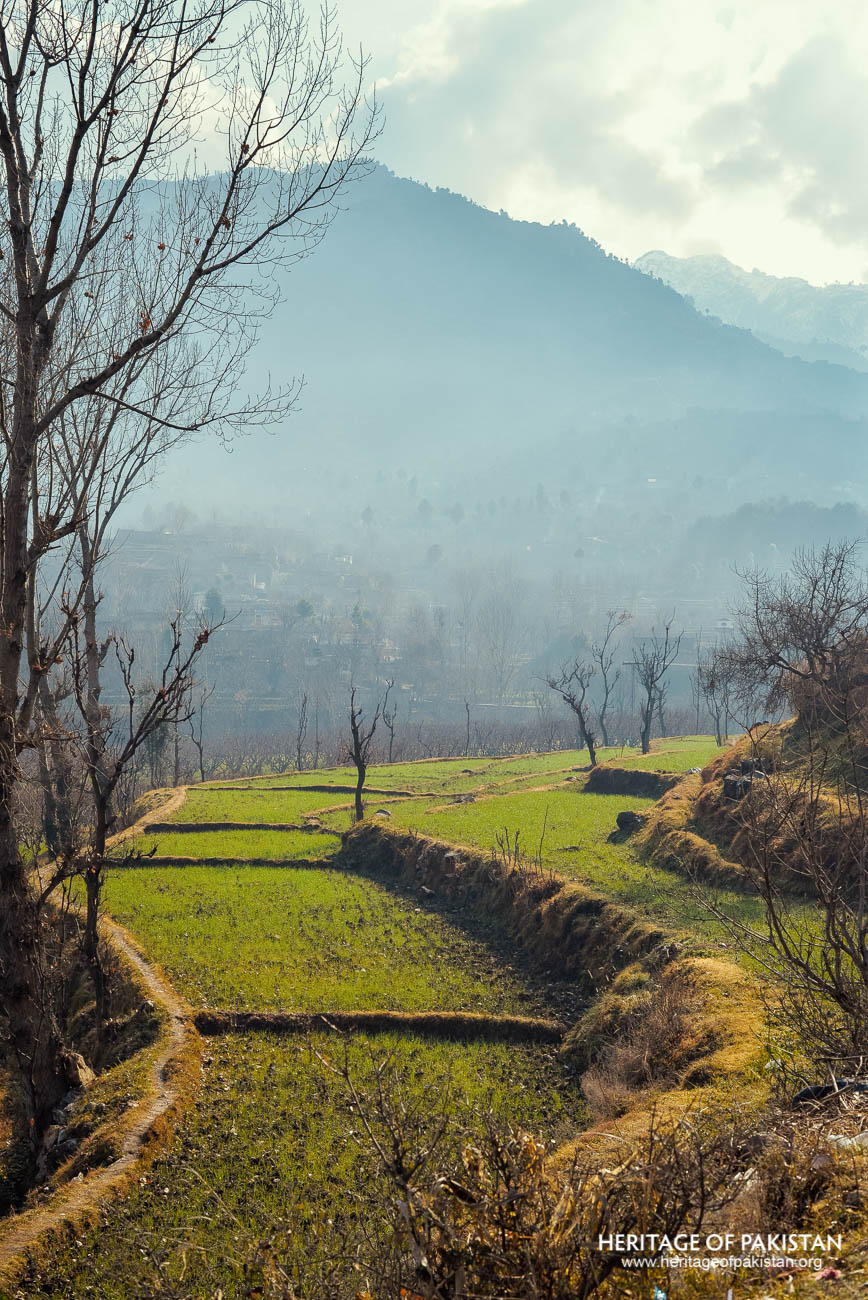
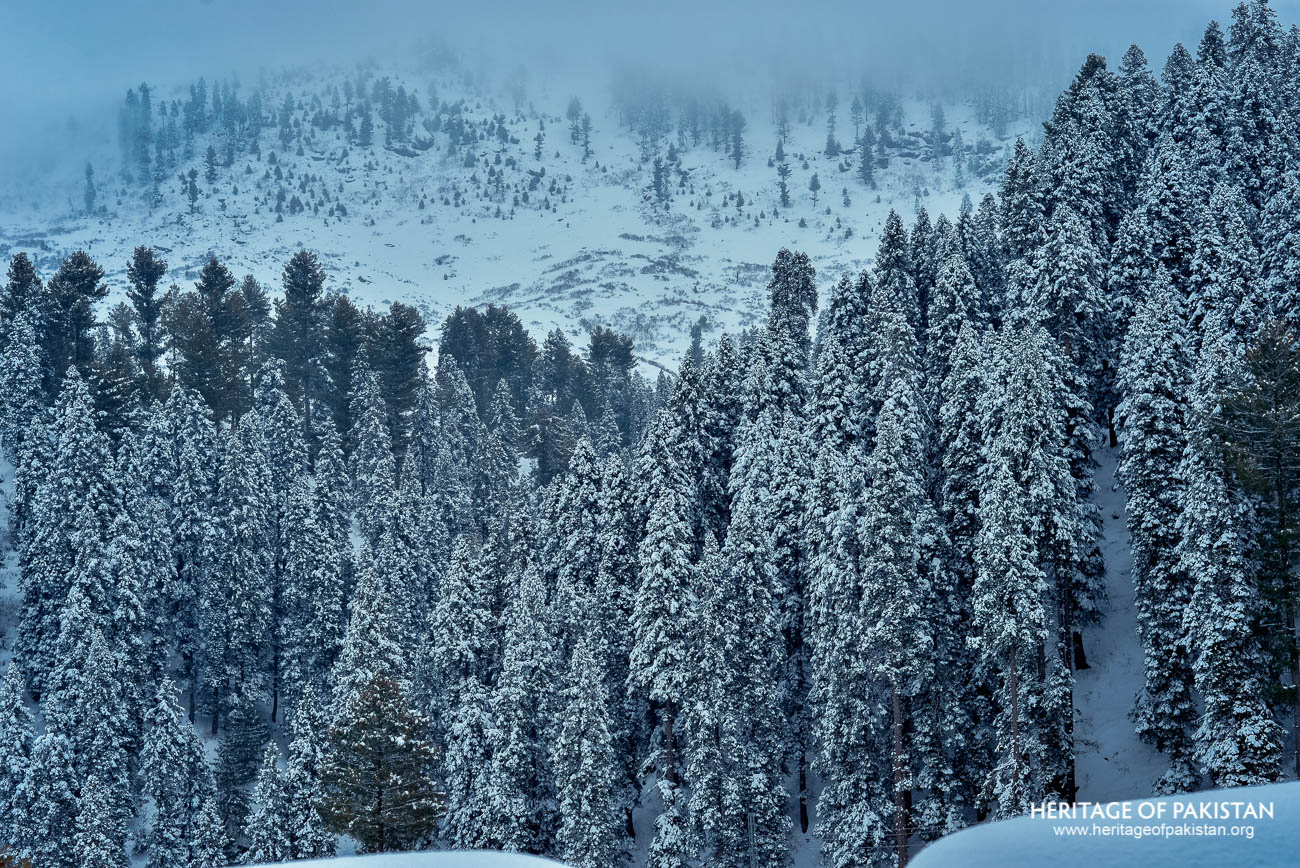
Swat is a scenic valley located in the Khyber Pakhtunkhwa province of Pakistan, situated at an altitude of 3,046 feet above sea level and approximately 230 kilometers from Islamabad. Renowned for its natural beauty, the region is home to celebrated destinations such as Malam Jabba and Kalam, and is often referred to as the “Switzerland of Pakistan.” The district headquarters of Swat is based in Mingora city. The valley derives its name from the Swat River, which originates in the Kalam region and flows southward through the valley, forming its central watercourse.
In addition to its landscape, Swat boasts a rich cultural and archaeological heritage, particularly from the Buddhist period. It was one of the major centers of Gandhara civilization and contains significant Buddhist monuments, including Butkara Stupa I, II, and III, Amluk Dara Stupa, Nemogram Stupa and Monastery, Shingardar Stupa, Gumbat Stupa, and the Jahanabad Buddha Relief. Numerous other sites have also been discovered, underscoring the region’s importance as a Buddhist religious hub.

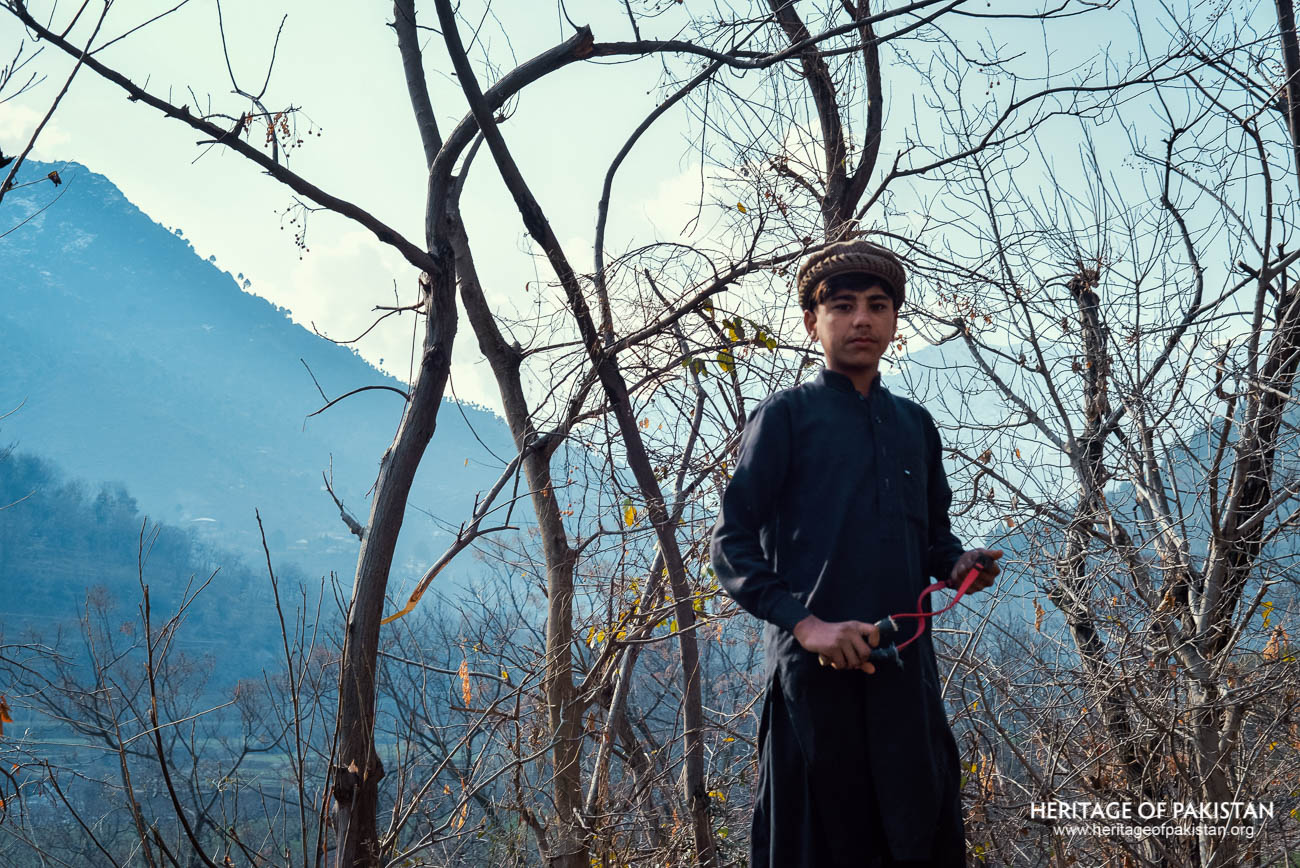
Historically, the region that encompasses present-day Swat was known as “Udhiyana.” In the 6th century BCE, the area came under the control of the Achaemenid Empire of Persia. In 327 BCE, Alexander the Great invaded the region, crossing the Pankora River and attacking the city of Massaga, which was inhabited by the Assakenians. After defeating them and installing a governor, a rebellion in 324 BCE drove out the Greeks and restored local independence. By 321 BCE, the Mauryan Empire under Chandragupta Maurya had taken control of Swat. His grandson, Ashoka, promoted Buddhism throughout the region, establishing numerous stupas and monasteries. The Chinese traveler Xuanzang recorded that the region housed 1,400 monasteries by 630 CE.
The Mauryan era was followed by the Indo-Greeks and Indo-Scythians, from whom various coins have been recovered. Subsequently, the Kushan dynasty rose to power under Kadphises I and reached its height during the reign of Kanishka, who, like Ashoka, was a patron of Buddhism. Under Kushan rule, Swat continued to flourish as a religious and cultural center. In the 9th century CE, the region came under the Hindu Shahi dynasty. Some historians, however, suggest that Swat may have remained independent during this period under local rulers. The Hindu Shahi rule ended with the invasion of Mahmud of Ghazni in the 11th century, which marked the arrival of Islam in Swat. Subsequent rulers included Muhammad Ghori and others.
The next major transition occurred in the 16th century when the Yusufzai tribe migrated to Swat. Originally from Qandahar, the Yusufzai are a prominent Pashtun tribe. When Mughal Emperor Babur invaded India, he married a noblewoman from the Yusufzai clan, establishing a diplomatic peace. During the reigns of Babur and Humayun, Swat retained its independence. Emperor Akbar attempted to conquer Swat from 1586 to 1592, but the Mughal forces were defeated. Even during the later Durrani and Sikh periods, Swat remained independent, never falling under direct imperial rule.
In 1849, various Yusufzai groups unified to form the State of Swat, with Sayyid Akbar Shah proclaimed as king. Ghalighai was declared the capital, but Akbar Shah died in 1857. This marked the precursor to the formal establishment of the Swat State in 1917 under Miangul Abdul Wadood, who was titled “Badshah Sahib.” He unified the tribes, established a centralized administration, and was recognized by the British as ruler of the Swat Princely State in 1926 with the title of Wali. Under his leadership, the state saw the development of infrastructure including schools, a formal government, and a standing army.
Miangul Abdul Haq Jahanzeb, born on June 5, 1908, in Saidu Sharif, succeeded his father and became the final ruler of Swat. Known as Wali-i-Swat, he was noted for his administrative skills. On November 23, 1947, Badshah Sahib declared Swat’s accession to Pakistan, and the next day, Governor General Muhammad Ali Jinnah approved the Instrument of Accession. Although Swat became part of Pakistan, it retained a degree of autonomy. Jahanzeb was officially installed as Wali at a coronation ceremony in Saidu Sharif on December 12, 1949, where Prime Minister Liaquat Ali Khan confirmed his title.
Swat remained a semi-autonomous princely state until 1969, when it was fully merged into Pakistan and became part of the Malakand Division, marking the end of its independent administrative status.
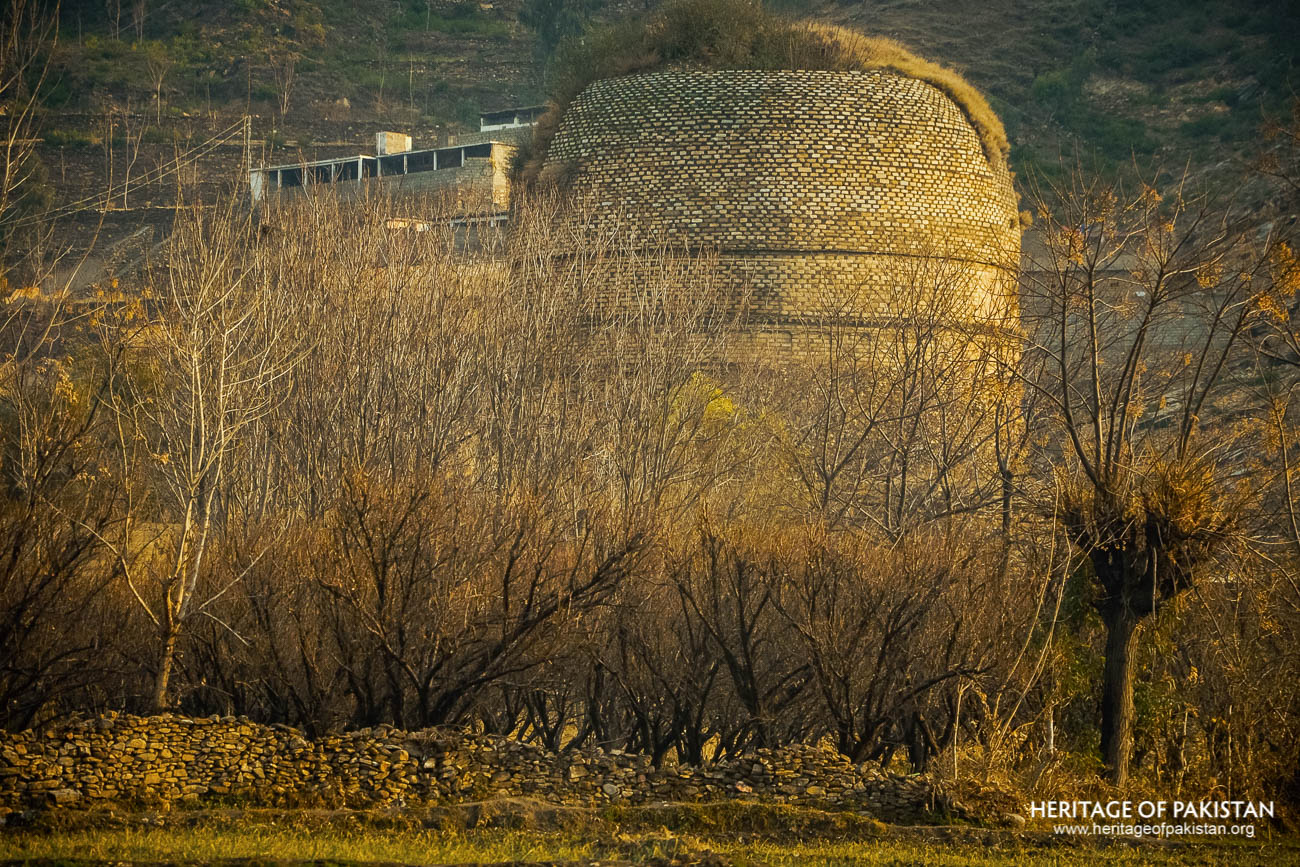 Swat Valley is home to a number of Buddhist sites
Swat, a culturally rich region in Khyber Pakhtunkhwa, is renowned for its centuries-old wood carving tradition. This craft has been an integral part of the valley’s architectural expression, used to embellish local structures and household items with intricate patterns and motifs. The practice of wood carving in Swat extends across a variety of objects including chairs, tables, doors, window frames, and other furniture pieces, collectively referred to as “Swati furniture.” The towns of Manglawar, Khwazakhela, Madyan, and Bahrain are particularly well known for producing finely carved wooden items that are sought after across Pakistan.
This tradition is not only a vital part of Swat’s domestic and commercial identity but also holds cultural and historical significance. The Swat Museum in Saidu Sharif plays a key role in preserving and showcasing this heritage. It displays numerous examples of local craftsmanship, including carved wood, traditional embroidery, and antique jewelry. Among its collection of over 3,000 artifacts are also Buddhist relics excavated from various archaeological sites across the region, offering a comprehensive view of Swat’s artistic and historical legacy.
Swat also holds a distinguished position in the Buddhist history of South Asia. The valley was one of the most significant centers of Gandhara, a region celebrated for its synthesis of Greco-Buddhist art and culture. It served as a major hub for religious activity and learning during the Buddhist period. Chinese traveler Hsiang, who visited Swat in 630 CE, reported that the region housed approximately 1,400 monasteries. Swat is home to numerous prominent Gandharan Buddhist sites, including Butkara Stupa I, II, and III, Amluk Dara Stupa, Nemogram Stupa and Monastery, Shingardar Stupa, Gumbat Stupa, and the Jahanabad Buddha Relief. These monumental sites underscore Swat’s importance as a spiritual and artistic center during the Gandharan era, and many more ruins and remains continue to be discovered, reaffirming the valley’s profound historical depth.
All Photographs by Syed Noor Hussain and Sania Azhar.
All Rights Reserved. Photos may be used for Non-Commercial, Educational, Artistic, Research, Non-Profit & Academic purposes.
Commercial uses require licensing agreement.

Syed Noor Hussain
July 24, 2025 at 5:52 pmfg