
Textarea
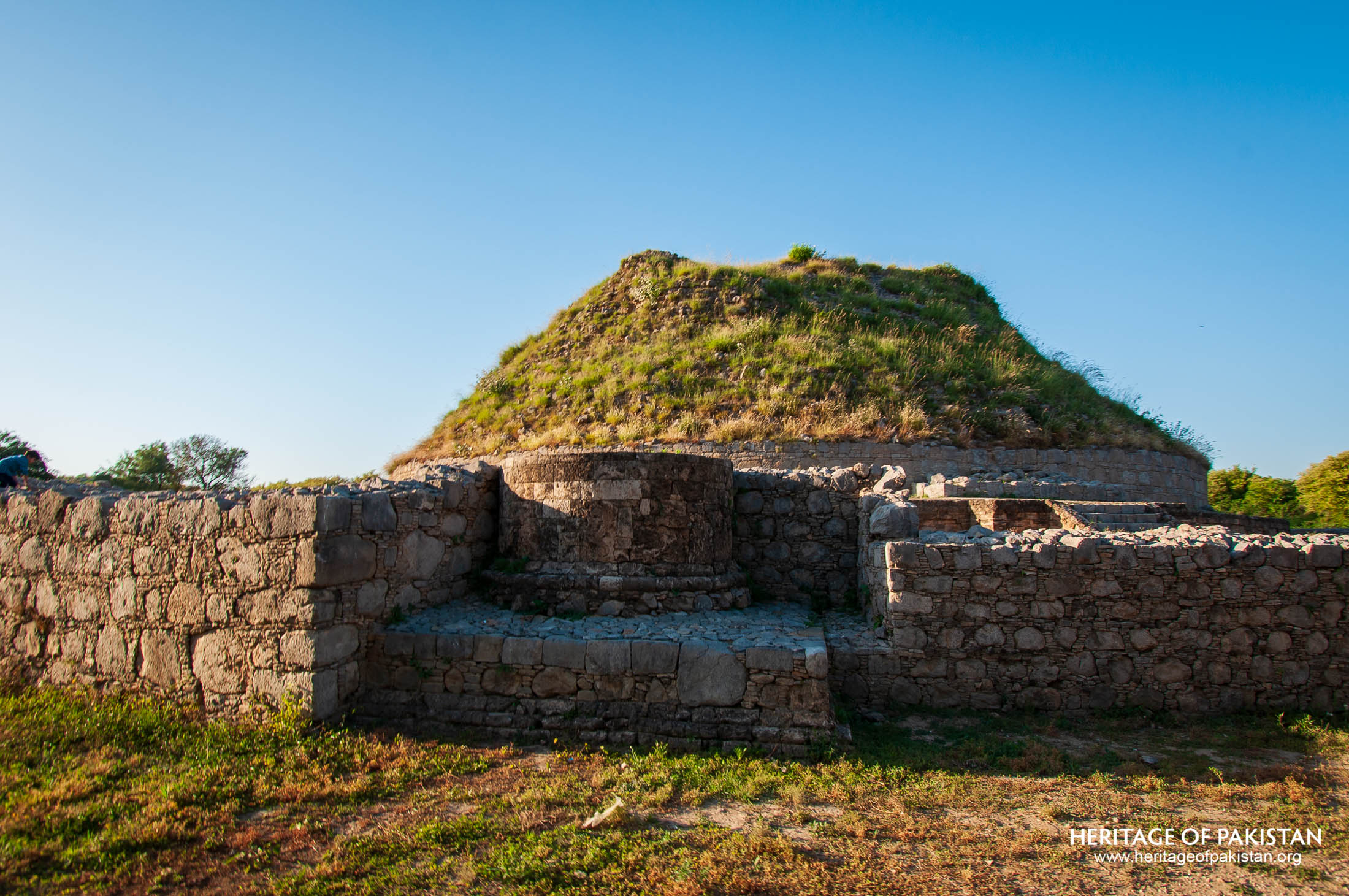
The Dharmarajika Stupa was one of the first Buddhist structures to be erected in Taxila and served as a model for many later constructions
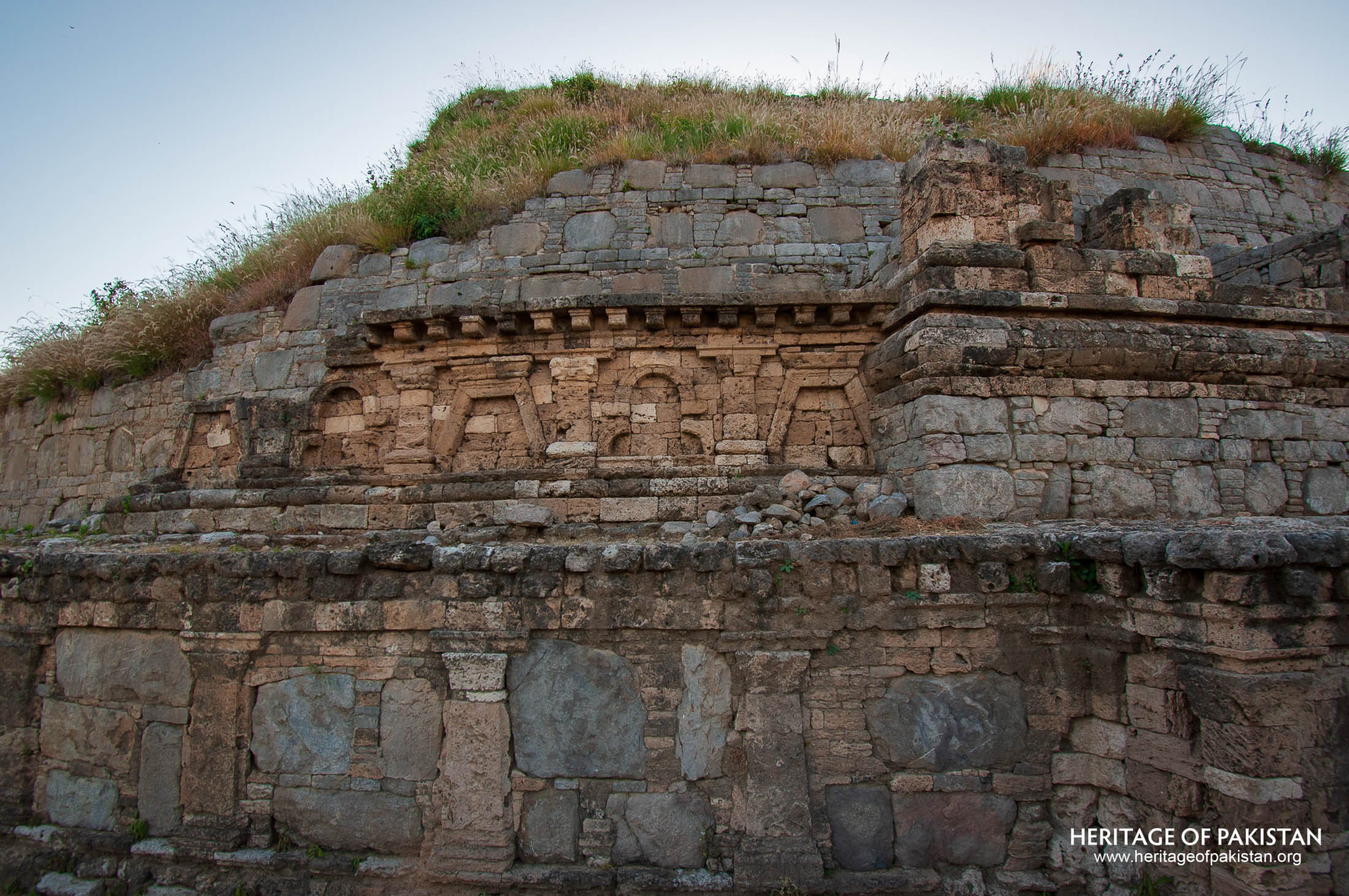
Constructed in the 3rd century BC, the stupa was established to contain the relics of the Buddha by Emperor Ashoka
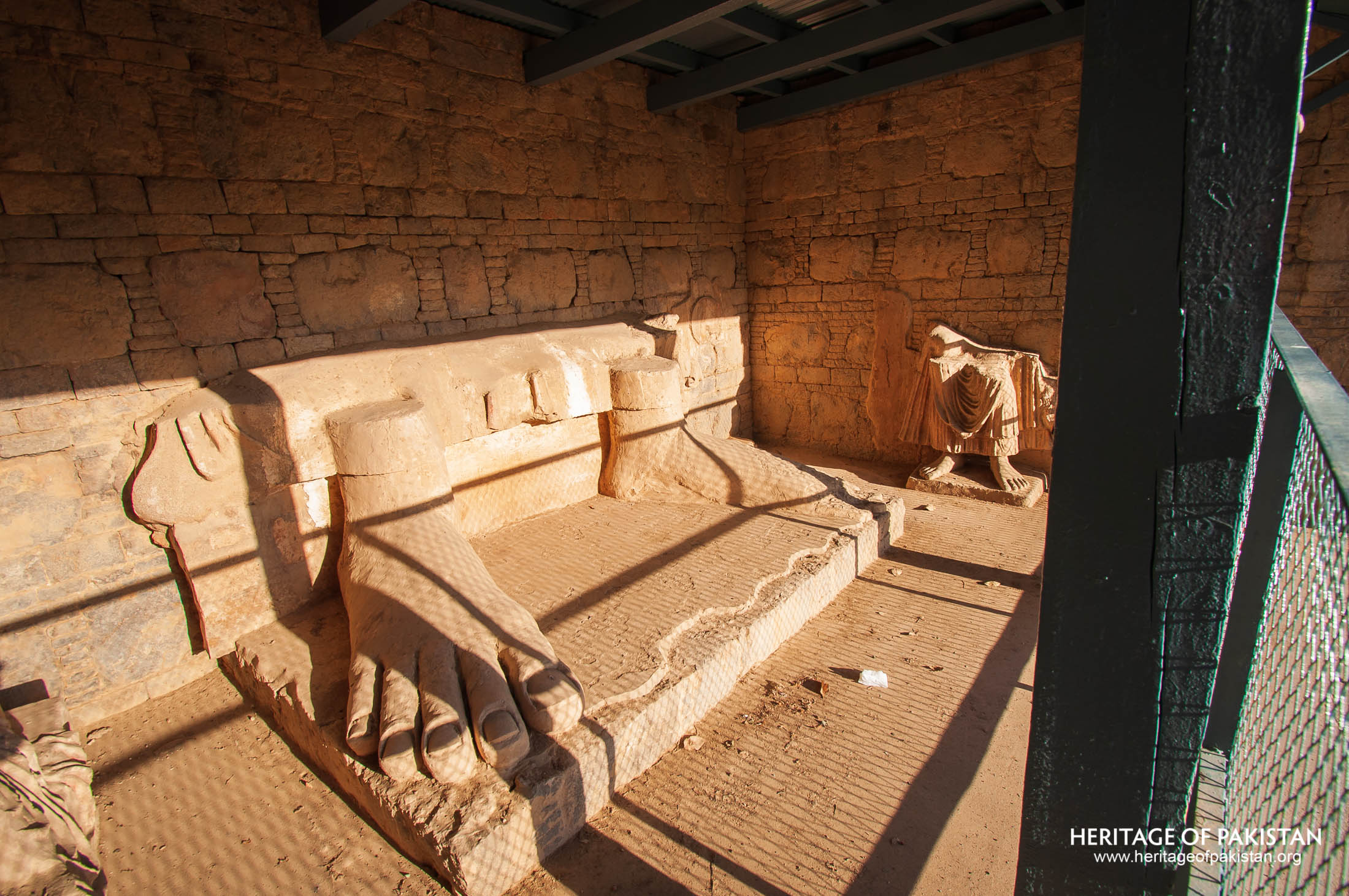
Dharmarajika was excavated in 1912-16 by Mr. Ghulam Qadir under the directions of Sir John Marshall.Several significant archaeological finds have been made at the Dharmarajika Stupa
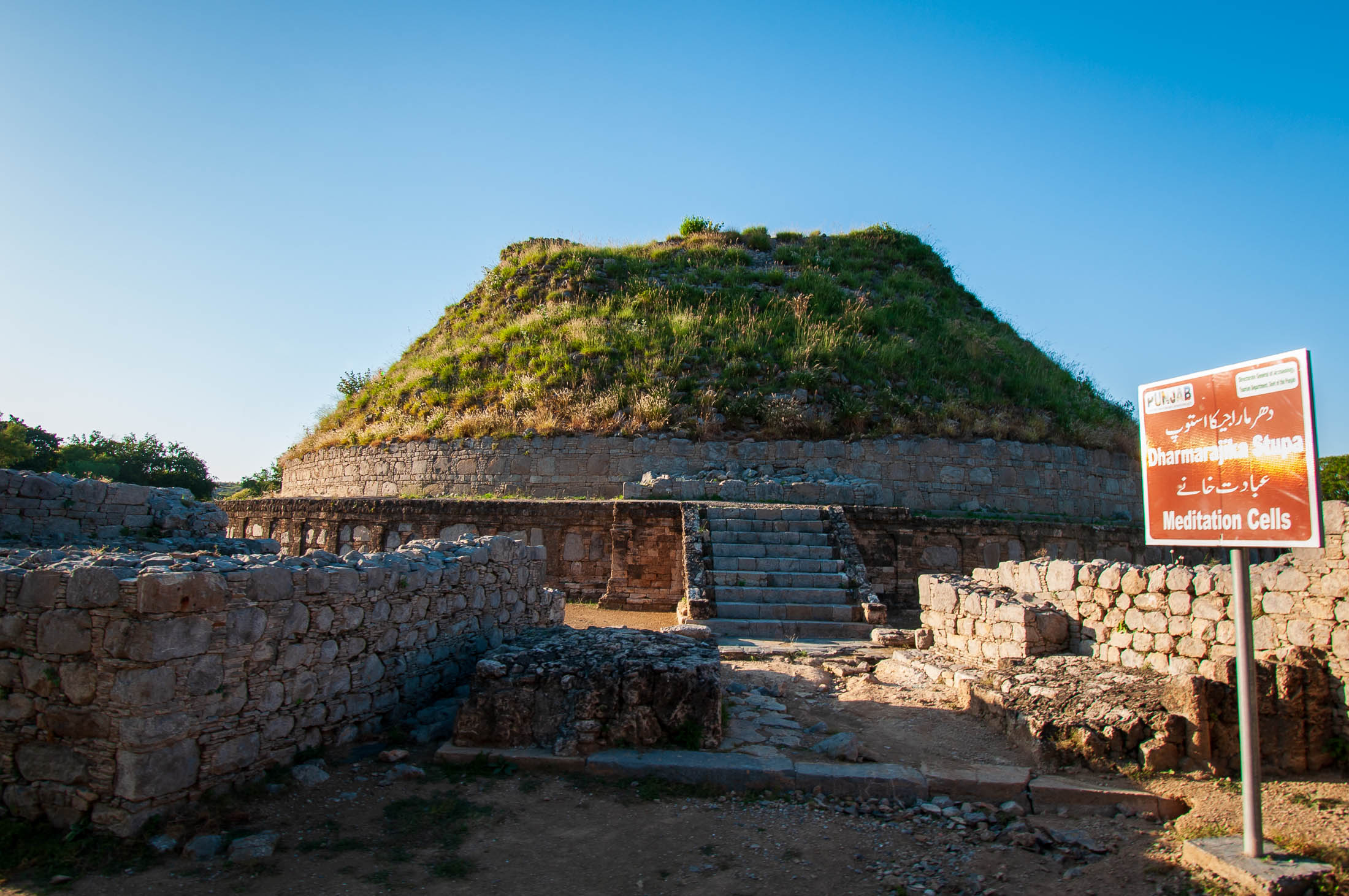
The main stupa at Dharmarajika follows the typical stupa design, consisting of a base, a cylindrical drum, and a large hemispherical dome
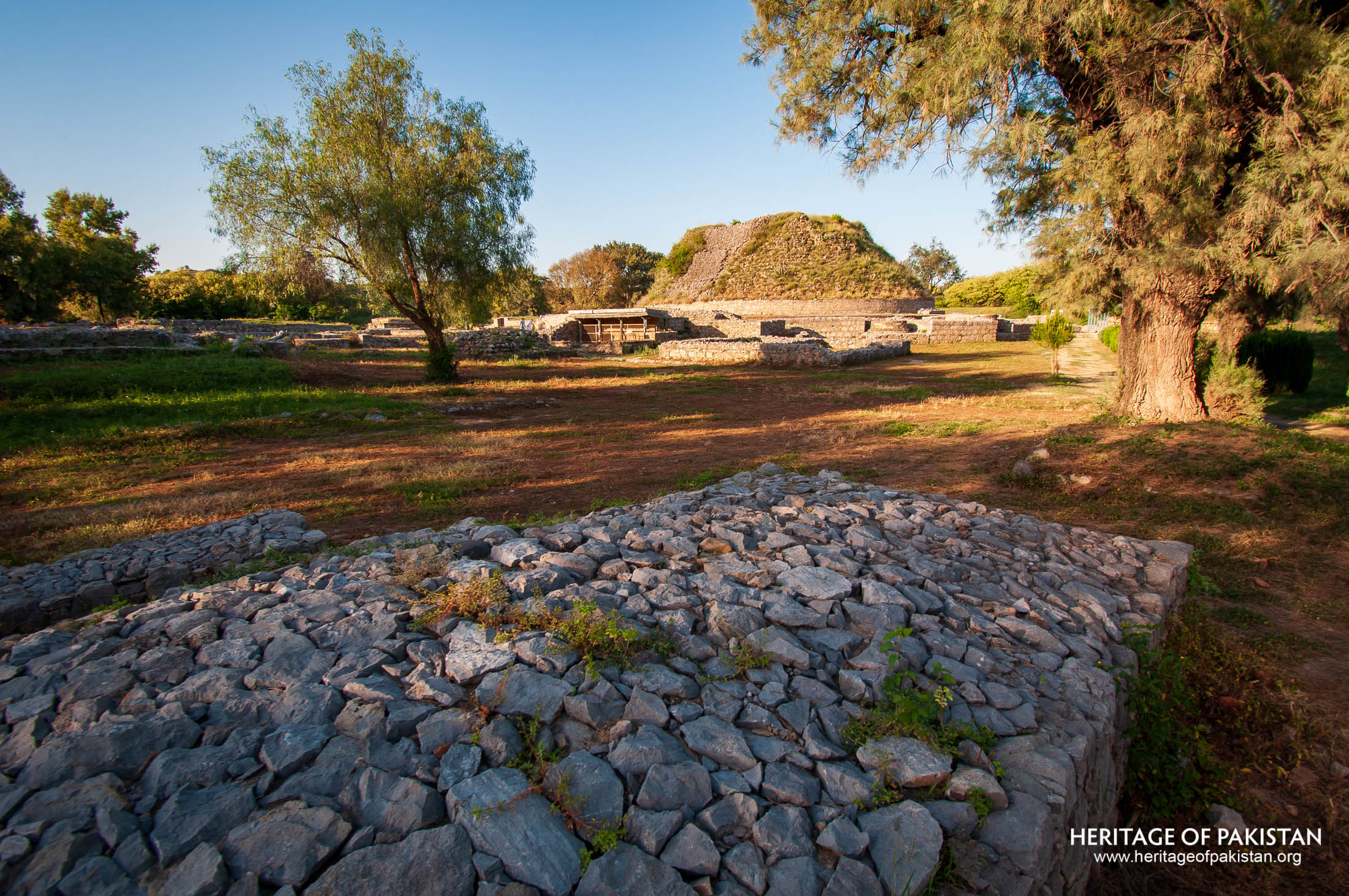
The overall diameter of the stupa, including the terrace and stairs, is approximately 150 feet, with a procession path width of around 8 feet.
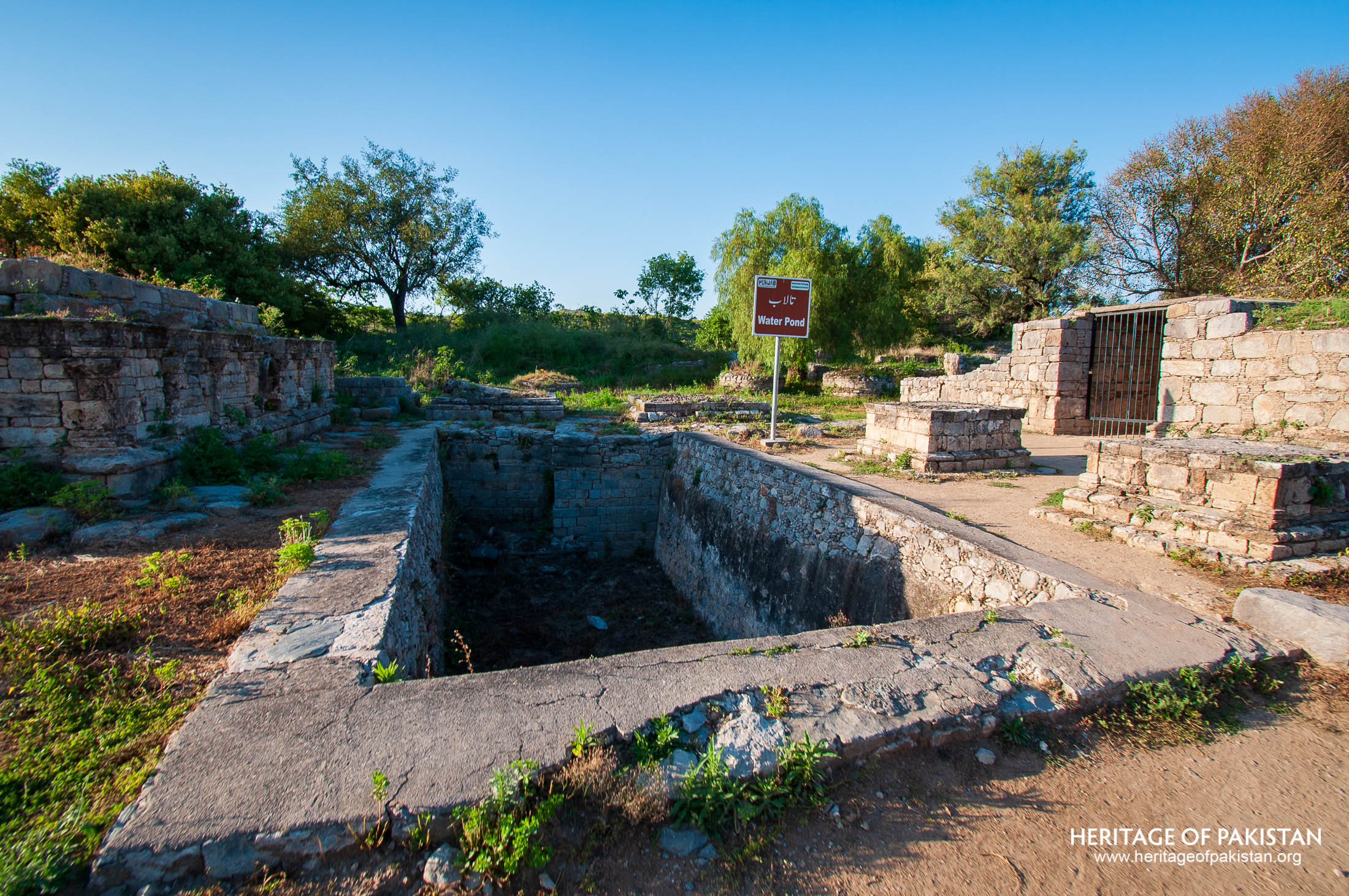
A Buddhist Monastery and allied facilities have also been uncovered at the site
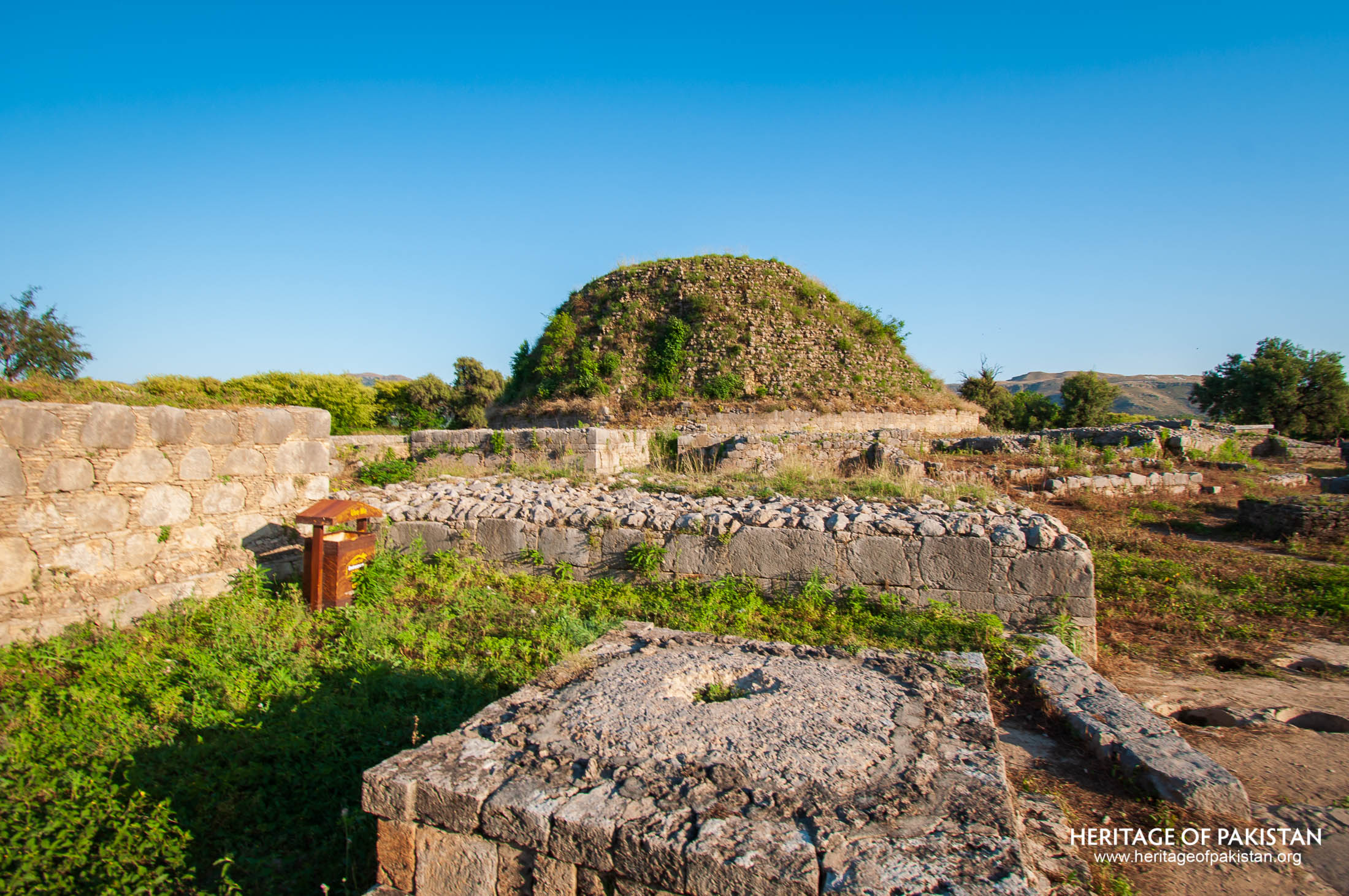
The main stupa is surrounded by numerous smaller votive stupas that form a circle around it
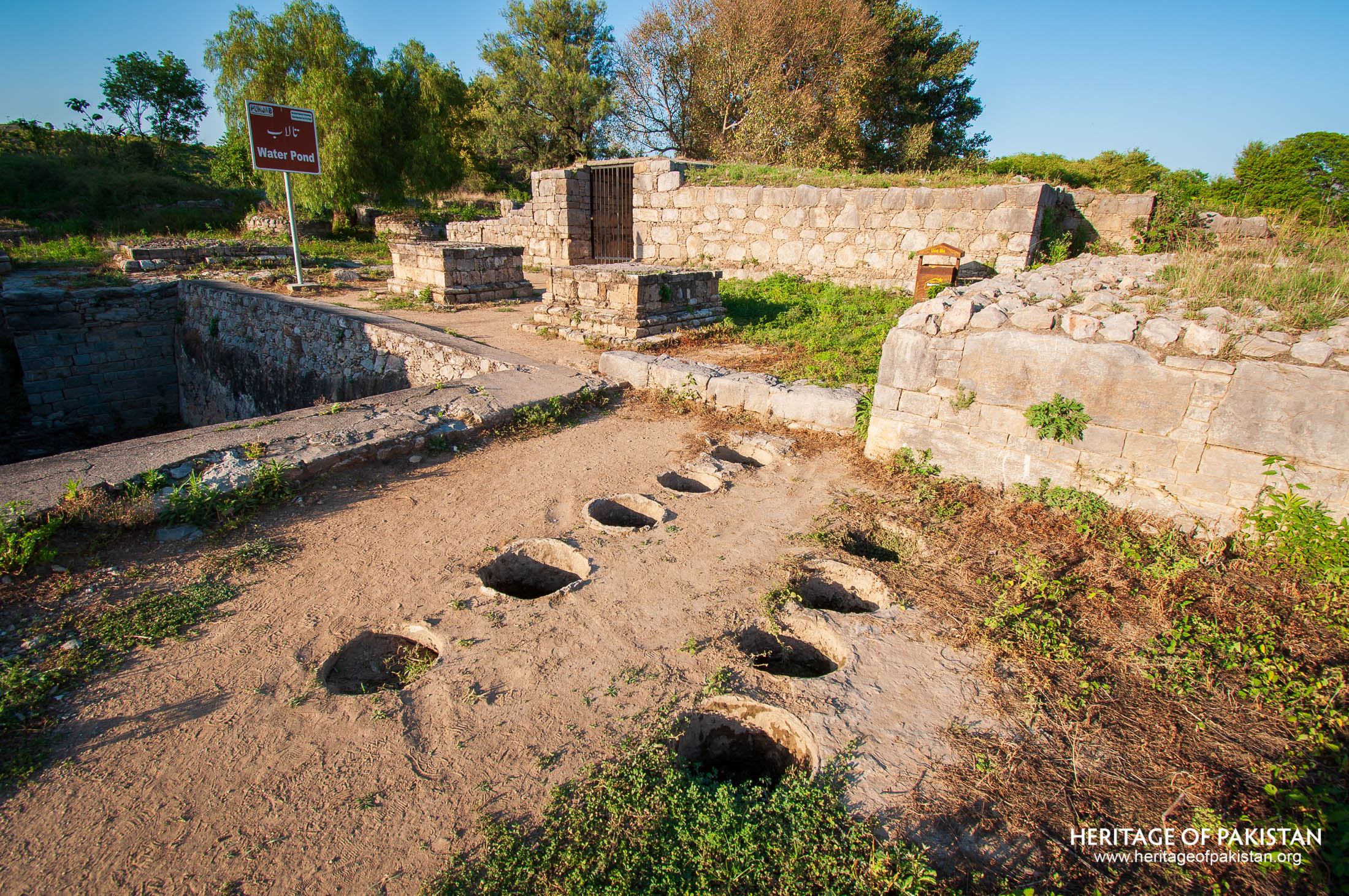
Votive stupas are typically constructed as devotional offerings or to commemorate specific events
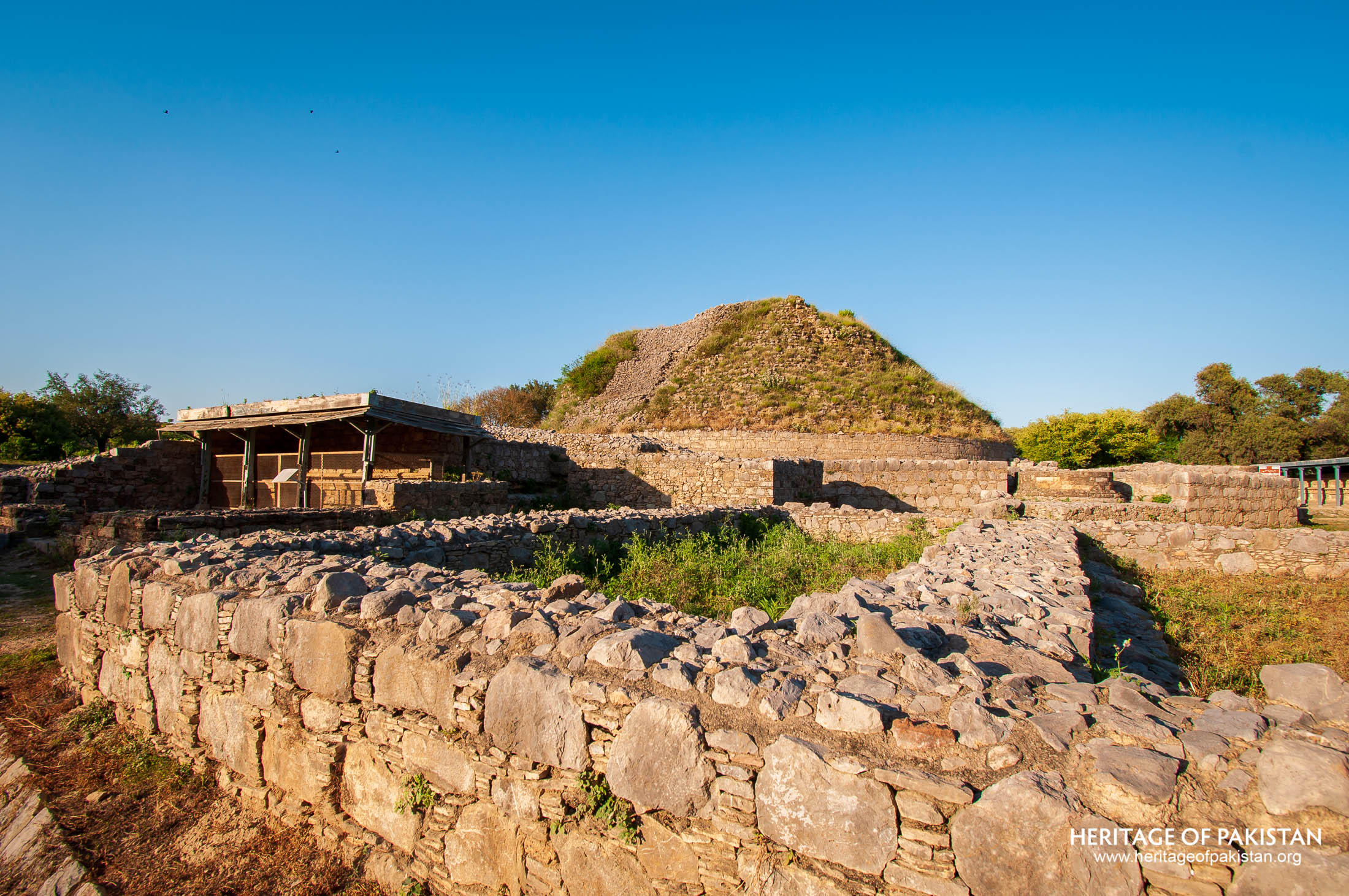
These additional stupas, together with chapels and monastic quarters, form an extensive sacred complex around the main stupa
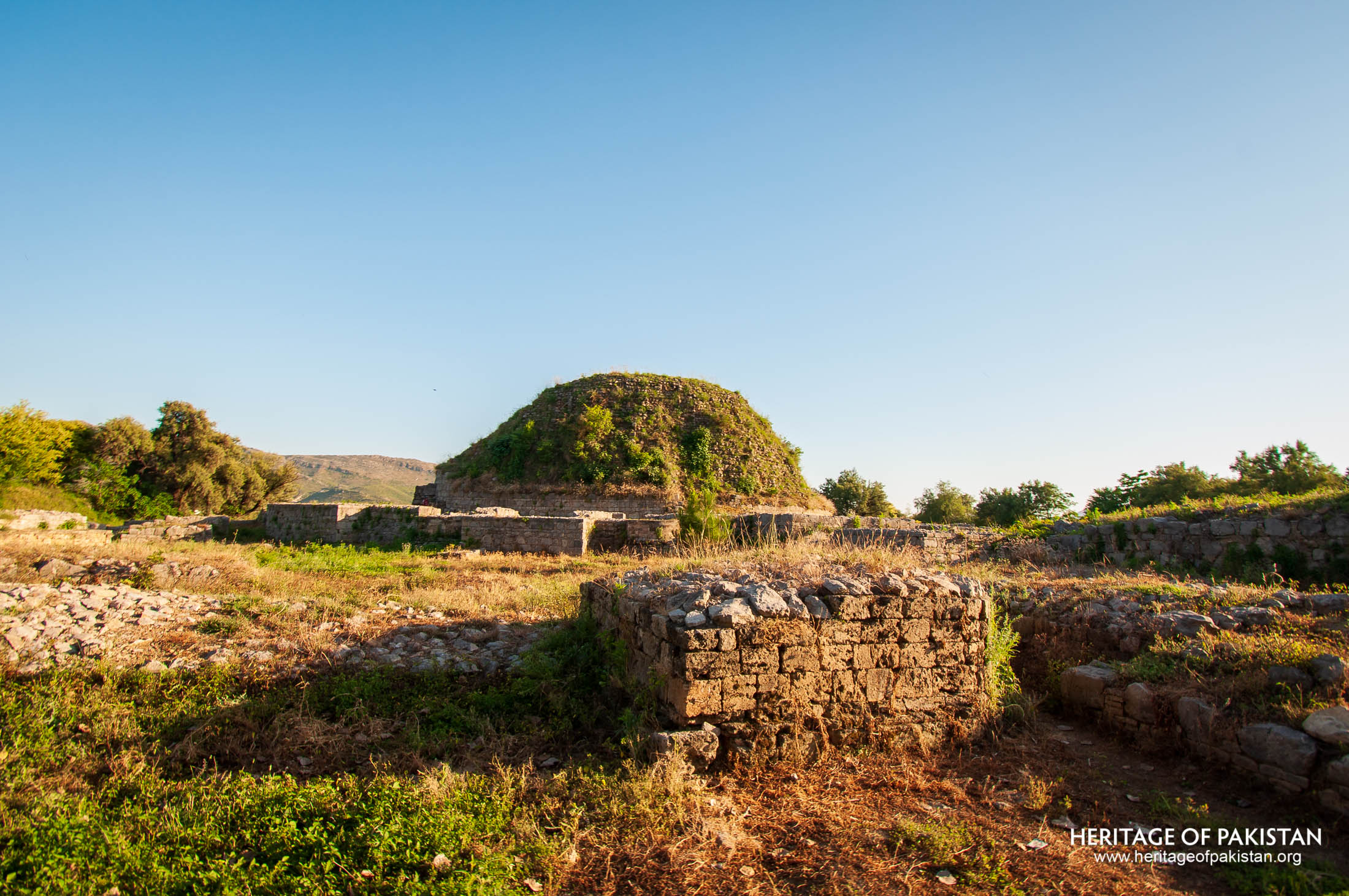
Dharmarajika Stupa was inscribed on the UNESCO World Heritage Site List in 1980
